Can Cats Eat Guacamole? Onion, Garlic, Avocado, and Hidden Risks
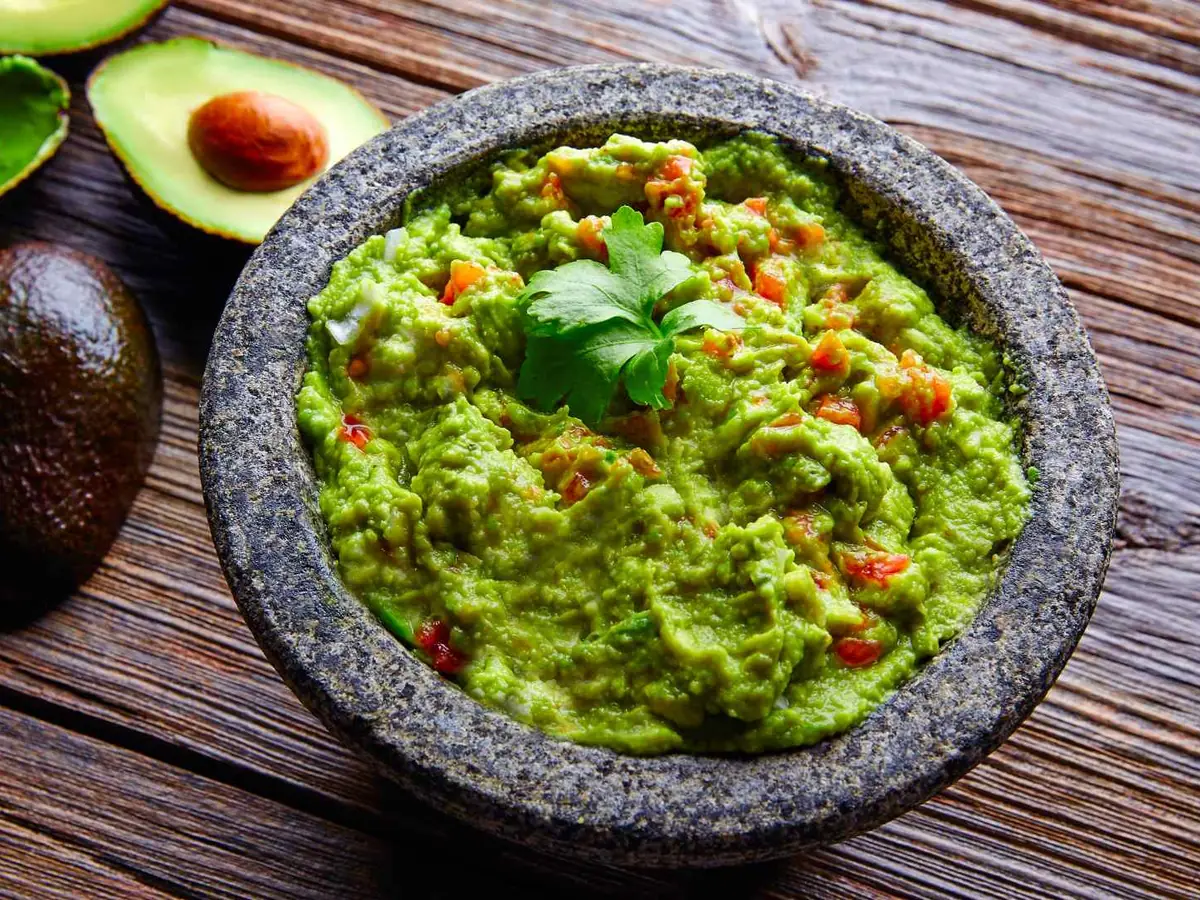
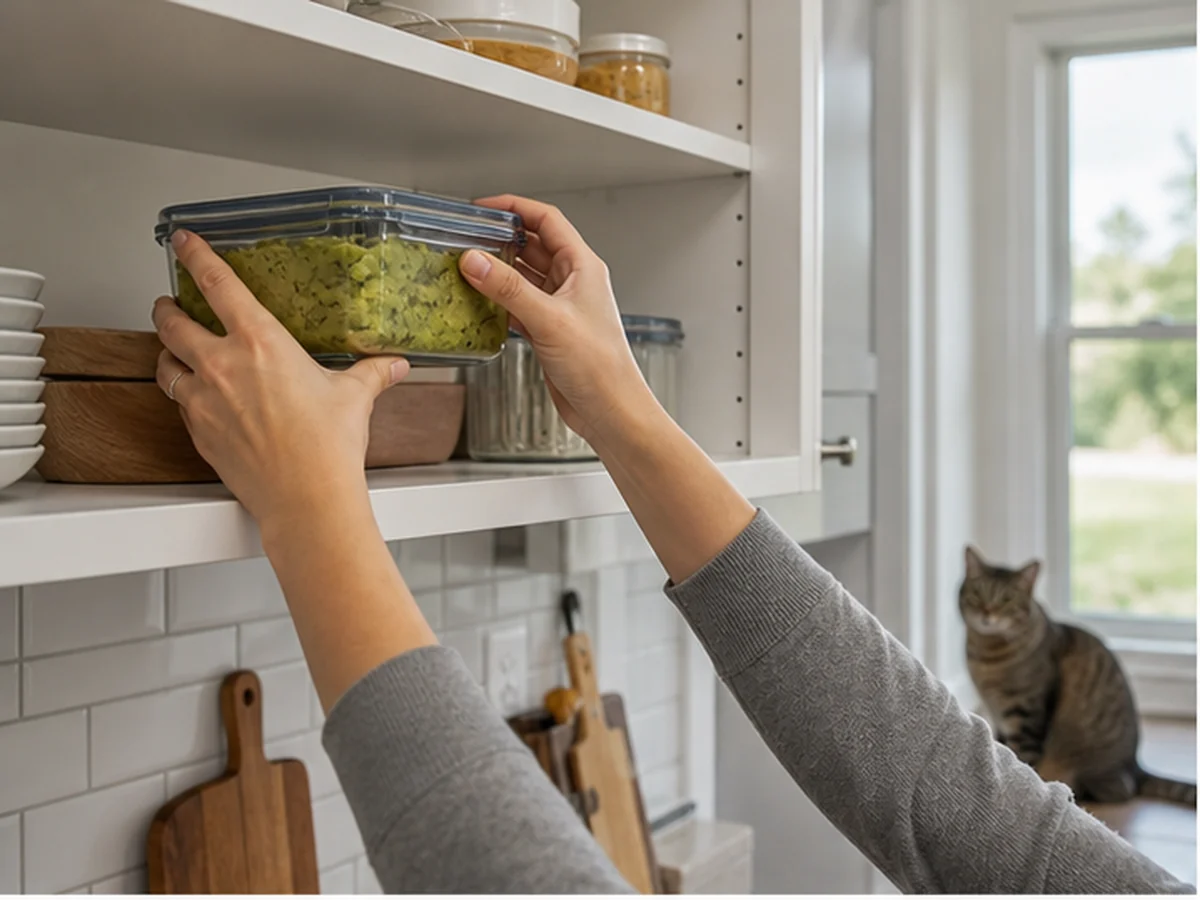
Do not offer guacamole to cats because recipes commonly contain onion or garlic, which can damage feline red blood cells. Avocado flesh adds fat, while peel, pit, lime, hot chiles, salt, dairy, seasoning blends, chips, toothpicks, wrappers, and an unknown restaurant recipe can turn one green dip into several separate concerns.
Freeze the scene before wiping the counter
Move the bowl and chips, separate every pet, and photograph the dip, container, ingredient label, and surrounding debris. Record the earliest possible time and the largest missing amount without assuming the cleanest-looking cat was innocent.
Call a veterinarian or animal poison service promptly when onion or garlic is present or the recipe is unknown. Do not wait for pale gums, weakness, dark urine, or rapid breathing because Allium-related anemia may be delayed.
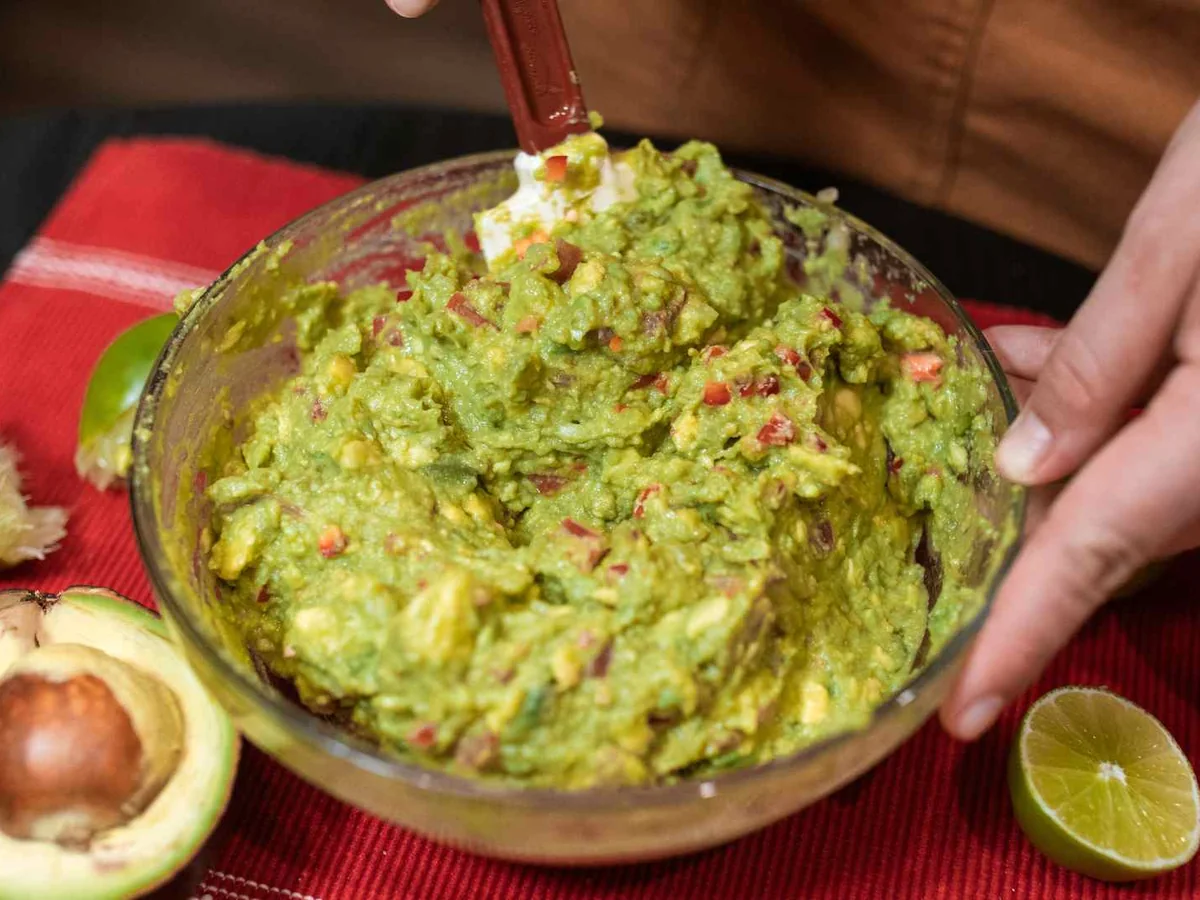
Guacamole has no standard recipe
| Ingredient | Why it matters | What to report |
|---|---|---|
| Avocado flesh | Fat, calories, GI upset | Approximate amount and cat health |
| Onion or garlic | Oxidative red-cell injury | Fresh, powdered, cooked, and quantity |
| Lime | Acidic juice, peel, concentrated oil | Flesh versus peel or oil |
| Jalapeño or serrano | Capsaicin irritation | Mouth, eye, skin, or ingestion |
| Salt or salty mix | Sodium load | Brand, amount, and symptoms |
| Pit, peel, toothpick | Choking or foreign body | Missing object and dimensions |
Homemade, restaurant, deli, packet-mix, spicy, chunky, creamy, and “avocado mash” products can differ completely. Use the actual recipe rather than a generic guacamole page when deciding what the cat encountered.
If a restaurant cannot provide exact proportions, report the ingredients it can confirm and describe the amount conservatively. Unknown does not mean automatically catastrophic, but it does justify professional risk assessment.
Onion and garlic are the headline hazard
Allium compounds can oxidatively damage red blood cells in cats, producing Heinz bodies, methemoglobinemia, and hemolytic anemia. Raw, cooked, dehydrated, and powdered ingredients all matter.
The Merck Veterinary Manual identifies cats as especially susceptible and explains that clinical anemia may appear several days later. This delay is why “acting fine” is not a complete first-night assessment.
Watch for delayed red-cell signs
Reduced appetite, lethargy, weakness, pale or yellow gums, rapid breathing, fast heart rate, dark orange or reddish urine, exercise intolerance, and collapse can signal anemia. Vomiting and diarrhea may appear earlier but do not predict the later course.
Follow the veterinarian’s monitoring and bloodwork plan, and report changes even after an initially reassuring examination. Our onion guide and garlic guide provide form-specific household checks.
Avocado flesh is fatty and optional
A small lick of plain ripe avocado flesh is not the same hazard as Allium-seasoned dip, but it is calorie-dense and can cause vomiting or diarrhea in some cats. There is no feline nutritional need for a serving.
The ASPCA advises keeping avocado away from pets, noting persin and the physical danger of the pit. Use our avocado article for flesh, plant, peel, and pit detail.
The pit and peel are physical objects
A whole pit can choke or obstruct, while fragments and tough peel can injure or block the digestive tract. Guacamole preparation leaves both items close to a fragrant bowl and a curious cat.
Account for the pit, sticker, knife tip, produce bag, and peel pieces. Call immediately for a swallowed object, repeated gagging, vomiting, drooling, belly pain, reduced stool, straining, or food refusal.
Lime can mean juice, peel, or oil
A squeeze of juice adds acidity and may irritate the mouth or stomach, while grated peel and concentrated citrus oil are different exposures. Restaurant garnish can include wedges, picks, plastic swords, or peel twists.
Do not rub citrus on the cat to discourage future counter visits. If concentrated oil or a large amount of peel was swallowed, call with the exact product and current signs.
Hot chiles make the dip painful
Jalapeño, serrano, habanero, chile powder, and hot sauce can cause oral, eye, skin, and digestive irritation through capsaicin. A spicy cat may drool, paw at the mouth, vomit, squint, or groom frantically.
Prevent rubbing, move the cat away, and ask for decontamination advice. Do not force milk, oil, bread, or water into the mouth, and seek urgent care for breathing difficulty or severe distress.
Salt and seasoning packets can stack quickly
Restaurant guacamole, taco seasoning, garlic salt, onion salt, and premixed pouches can add substantial sodium. One surface lick is not automatically salt poisoning, but a large salty exposure or neurologic signs requires prompt advice.
The Merck salt review includes thirst, vomiting, incoordination, tremors, and seizures after excessive exposure. Leave normal water accessible without forcing it.
Creamy guacamole is not necessarily dairy-free
Some recipes add sour cream, yogurt, mayonnaise, cream cheese, or cheese sauce for texture. These ingredients increase fat, calories, sodium, and possible lactose-related digestive upset.
Large rich portions are especially poor choices for cats with obesity, pancreatitis history, diabetes, or gastrointestinal disease. Scraping away a pale streak cannot remove ingredients already blended through the dip.
Chips, tacos, and nachos widen the inventory
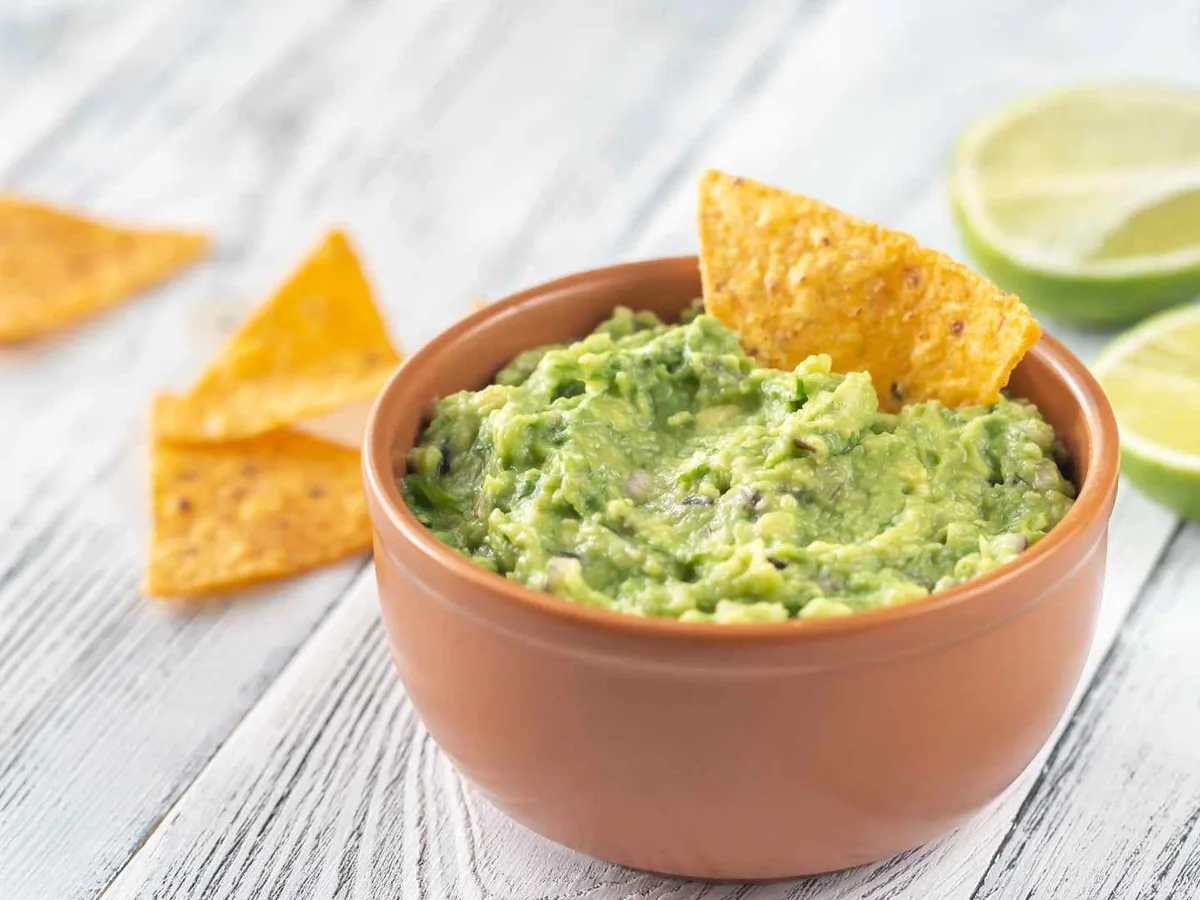
Tortilla chips add brittle edges, salt, oil, seasoning, and bags, while nachos bring cheese, beans, meat, salsa, olives, onions, and toothpicks. Taco foil, skewers, elastic food covers, and sauce packets can be swallowed.
Count missing non-food objects before deciding this was only a dip exposure. The site’s corn guide covers kernels and cobs, but a fried seasoned chip must be judged as a finished snack.
No home vomiting after guacamole
Hydrogen peroxide, salt, mustard, fingers, or oils are not safe home emetics for cats. Foreign material, capsaicin, and a patient’s condition also change whether vomiting would be appropriate.
Veterinary professionals can choose decontamination and supportive care based on time, amount, ingredients, symptoms, and examination. Gather information quickly, then follow their instructions rather than building a kitchen antidote.
Medical diets lower the tolerance for improvisation
Cats with anemia, kidney disease, heart disease, pancreatitis, diabetes, bowel disease, obesity, or therapeutic diets need individualized follow-up. Kittens have small bodies and require complete growth nutrition rather than shared dip.
The FDA describes the label statement used to identify nutritionally complete pet food. Guacamole contributes no necessary feline nutrient strategy and can undermine calorie, sodium, ingredient, or medication plans.
The five-minute guacamole response
- Remove dip, chips, ingredients, utensils, and every pet from the area.
- Save the recipe, seasoning packet, restaurant information, amount, and time.
- Account for onion, garlic, pit, peel, lime, chile, salt, dairy, picks, foil, and plastic.
- Call promptly for Alliums, unknown recipes, objects, concentrated oils, severe signs, or a large amount.
- Do not induce vomiting or force a home remedy.
After a truly tiny lick of verified onion-free and garlic-free plain avocado mash, a healthy adult may only need observation after professional advice. Monitor appetite, energy, breathing, gum appearance, urine, vomiting, and stool for the recommended period.
Label homemade onion-free mash separately from ordinary guacamole and keep both behind a closed refrigerator door. Cats do not respect a color-coded serving spoon nearly as much as humans hope.
Packaged avocado products need their own labels
- Single-serve cups may contain onion, garlic, chile, salt, preservatives, and flavoring.
- Avocado salsa can be thinner, making a larger amount easy to lap quickly.
- Guacamole seasoning packets may concentrate Allium powder even when fresh onion is omitted.
- Frozen portions, squeeze pouches, and restaurant tubs add films, seals, caps, and foil lids.
- An “avocado spread” can include oil, egg, dairy, herbs, or other vegetables.
Do not infer ingredients from green color, a “mild” claim, or a familiar brand logo. Read the package in hand and retain the lot information until any veterinary monitoring period ends.
A punctured chilled cup can spoil, while a pouch cap or foil membrane can obstruct. Report leaking, swelling, off odor, mold, missing seals, or foreign material along with the food ingredients.
Party cleanup is prevention, not an afterthought
A gathering leaves half-eaten bowls at floor height, dip-coated napkins, toothpicks, broken chips, alcohol, ribbon, balloons, and overflowing rubbish. Cats often reach the dangerous debris after guests stop watching rather than during the meal.
Clear dip into a rigid lidded bin, wipe oily footprints, count avocado pits, and close the dishwasher before the cat investigates plates. Store onion and garlic scraps separately from compost that pets can access.
Tell pet sitters and guests that guacamole is off limits without turning dinner into a lecture. One clear sentence and a closed room work better than expecting everyone to remember which bowl was allegedly onion-free.
If several animals shared the table, record each possible portion separately. The dog may have opened the door, but the cat remains perfectly capable of handling the evidence.
Do not rely on removing visible diced onion from a dip. Onion juice, garlic powder, and seasoned liquid remain distributed through the mashed avocado, so the remaining green portion still belongs in the exposure estimate.
If the veterinarian recommends blood testing, attend follow-up even when the cat is playing and eating. Laboratory changes can precede obvious anemia, and a cheerful morning does not rewrite the ingredient list from the night before.
Use separate clean utensils when preparing a veterinarian-approved plain avocado taste for a human household member who insists on sharing, but the simplest feline choice remains no avocado at all. Complete cat treats avoid both cross-contact and recipe confusion.
Questions from the guacamole bowl
My cat licked guacamole but seems normal. Should I call?
Yes if onion, garlic, or an unknown recipe is involved, because red-cell injury can be delayed. Save the ingredients, amount, time, and cat’s weight.
Is avocado the most dangerous part of guacamole?
Often the more urgent concern is onion or garlic, while pits and peel create physical hazards and avocado flesh adds fat. Evaluate the full recipe rather than ranking by color.
Can I give plain avocado mash instead?
Cats do not need it, and its fat and calories may conflict with health goals. Use complete cat food or an approved treat instead.
The last scoop
Guacamole is a recipe, not one green ingredient, and onion or garlic makes prompt veterinary advice the right move. Preserve the formula, remember delayed anemia, identify avocado flesh versus pit and peel, handle lime and chiles by form, account for chips and packaging, and skip home vomiting or improvised antidotes.