Can Cats Eat Lamb Bones? Fractures, Choking, Obstruction, and Raw Risks
Do not give cats cooked or raw lamb bones. Either form can fracture teeth, lodge in the mouth or esophagus, choke, obstruct or perforate the digestive tract, and carry meat, fat, seasoning, or pathogens, while cooking may make bones brittle and raw feeding does not create a safe exception.
A bone in the mouth is an emergency until proven otherwise
If the cat is choking, struggling to breathe, turning blue-gray, collapsing, or panicking with a bone visible, travel to emergency veterinary care immediately. Do not sweep fingers blindly into the throat or push the object deeper.
If breathing is normal but the cat is drooling, gagging, pawing at the mouth, repeatedly swallowing, or holding the jaw oddly, call urgently. A bone can wedge between teeth, across the palate, under the tongue, or in the esophagus.
Cooked and raw bones fail in different ways
| Bone form | Common misconception | Actual concern |
|---|---|---|
| Cooked chop bone | Cooking makes it clean and safe | Heat can make bone brittle; sharp fragments remain |
| Raw rib or neck | Raw bones always digest | Choking, teeth, obstruction, perforation, pathogens |
| Small splinter | Tiny means harmless | Sharp pieces can lodge or cut |
| Large marrow bone | Too big to swallow | Tooth fracture, jaw trapping, greasy marrow |
| Ground bone | No visible shard means balanced | Particle size does not prove nutrition or safety |
No bone form earns a blanket safe label for cats. Size, density, shape, cooking, chewing behavior, hidden fractures, contamination, and the individual mouth and gut all influence harm.
Do not test digestibility at home or assume stomach acid guarantees complete dissolution before a fragment can injure. Call with the type, approximate dimensions, preparation, amount, timing, and current signs.
Teeth can lose the contest
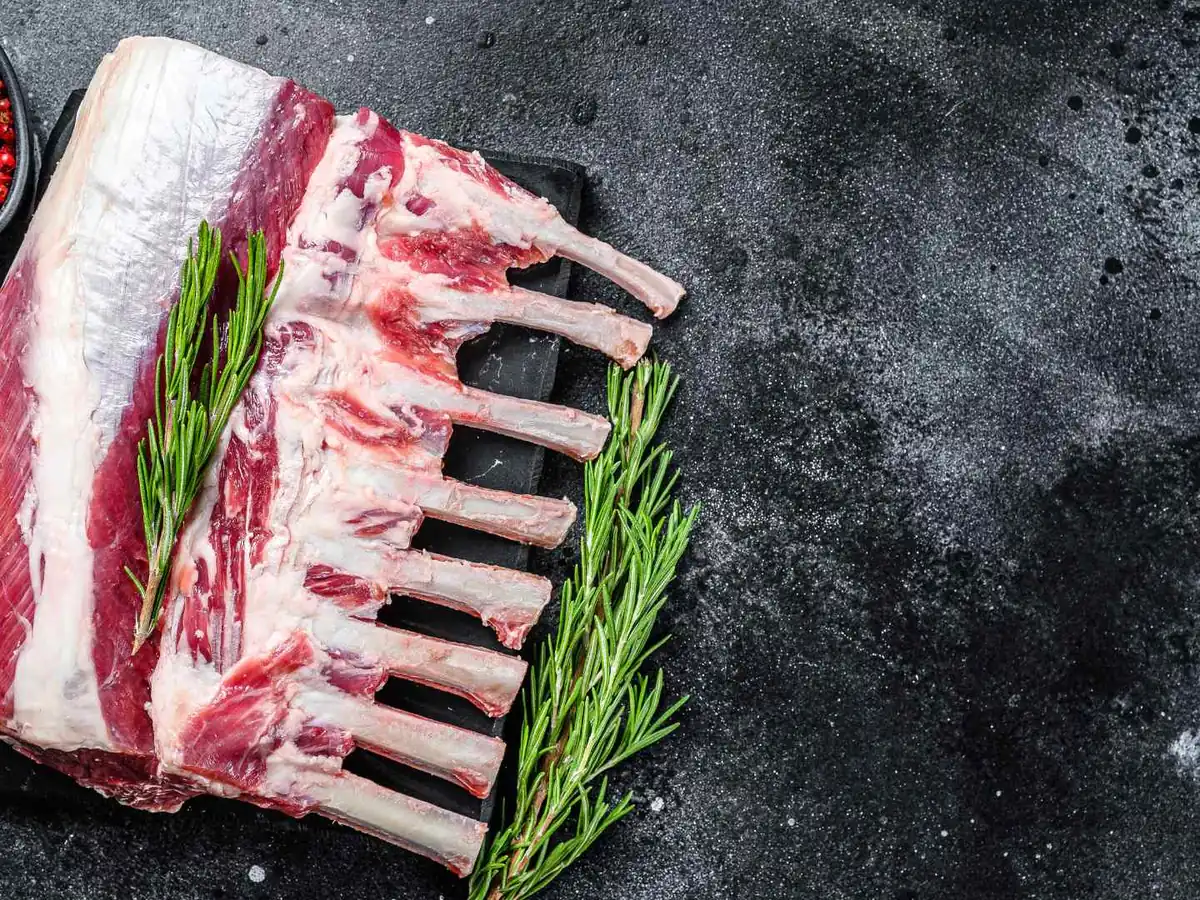
Hard bone can fracture canine teeth, carnassials, premolars, or molars, sometimes exposing the painful pulp. Cracks may be obvious, or the first clue may be one-sided chewing, dropped food, drooling, face sensitivity, or refusal of hard food.
A broken tooth does not heal by avoiding that side of the bowl. Arrange prompt dental examination because treatment can require imaging, extraction, or specialist care.
The palate and jaw can trap a bone
Ring-shaped or forked pieces may become wedged around the lower jaw, across the roof of the mouth, or between teeth. Struggling can cut tissue, cause swelling, or move the object toward the airway.
Do not use pliers, knives, or force on an awake frightened cat. Keep hands away from a painful mouth and let a veterinary team provide safe restraint, analgesia, and removal.
Choking and esophageal blockage look different
A complete airway blockage causes severe respiratory distress and is immediately life-threatening. An esophageal obstruction may allow breathing but cause drooling, repeated gulping, regurgitation of food or water, gagging, neck extension, and distress.
Both require urgent evaluation. The FDA identifies bones as items that can obstruct a pet’s esophagus, stomach, or intestines.
Stomach and intestinal signs can be delayed
A swallowed piece may sit in the stomach, narrow the intestine, scrape tissue, or perforate the digestive tract. Vomiting, abdominal pain, food refusal, reduced stool, straining, lethargy, fever, or a hunched posture can develop hours or days later.
Do not wait for every sign to appear, and do not interpret one normal bowel movement as proof that the bone passed. The veterinarian may recommend imaging, endoscopy, monitoring, or surgery based on location and condition.
Cooked bones can splinter
Roasted, grilled, braised, fried, smoked, and pressure-cooked bones have changed structure and may break into sharp fragments. A chop bone softened at one edge is not uniformly soft through its entire shape.
Never offer cooked lamb rib, chop, shank, shoulder, neck, or roast bone. Secure bones immediately after carving rather than leaving them on a plate where a cat can turn dinner cleanup into an orthopedic and gastrointestinal event.
Raw bones are not the safe alternative
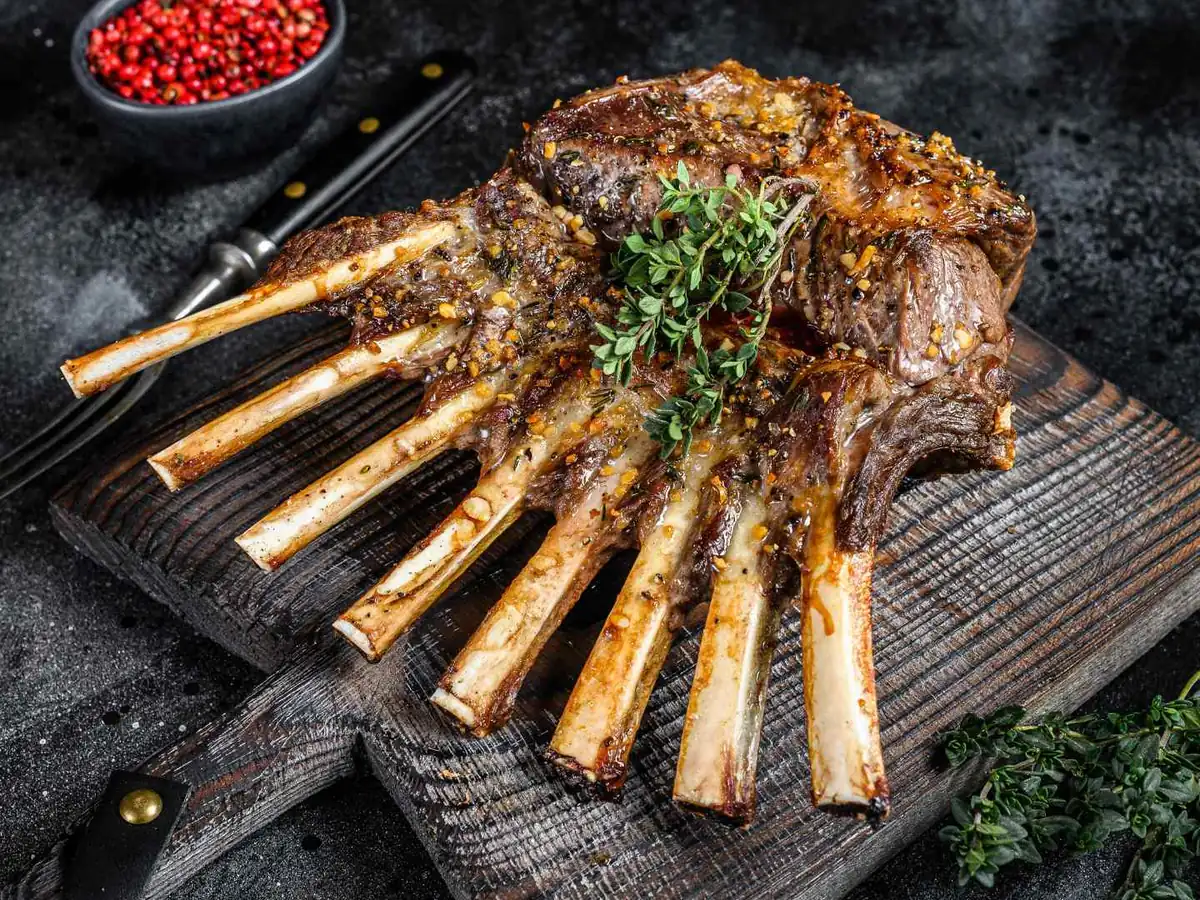
Raw bone can still crack teeth, choke, obstruct, perforate, lodge around the jaw, or carry pathogens from raw meat. Freezing does not reliably sterilize it, and visible freshness cannot identify microbes.
The CDC does not recommend raw pet food or treats for cats and dogs. People in the household can be exposed through hands, surfaces, saliva, dishes, and stool.
Meat, marrow, and fat add their own consequences
Lamb bones often retain rich meat, connective tissue, skin, grease, or marrow, allowing a cat to consume a large fatty portion while wrestling the hard object. Vomiting, diarrhea, abdominal discomfort, and pancreatitis concerns can follow rich scraps.
Do not scoop marrow out as a safer treat. Choose a tiny plain fully cooked boneless lamb morsel only if the veterinarian permits it, and let normal complete cat food remain the meal.
Seasoned lamb bones carry invisible ingredients
Roasts and chops may be coated with onion, garlic, salt, stock, wine, mint sauce, spice rub, butter, or glaze. Allium powders can damage feline red blood cells and remain on meat and bone after cooking.
Save the recipe and call for onion or garlic exposure, even when the cat looks normal initially. Our onion guidethe garlic article covers concentrated forms.
No home vomiting after bone ingestion
Vomiting can drive a sharp object back through the esophagus, create aspiration risk, or worsen injury. Hydrogen peroxide, salt, mustard, oil, fingers, and other home methods are inappropriate for cats.
Do not feed bread, cotton, bulky fiber, or more meat to “cushion” a bone unless a veterinarian specifically directs it. These folk remedies can delay imaging and add material behind an obstruction.
Never pull string attached to food or bone
Butcher’s twine, netting, elastic loops, ribbon, foil, skewers, clips, absorbent pads, and plastic wrap may travel with lamb scraps. Linear material can anchor and saw through intestinal tissue as the gut moves.
If string protrudes from the mouth or rectum, prevent chewing and seek urgent care without pulling. Account for every roast tie and package component before assuming the bone was the only missing item.
Bone broth is a separate product
Commercial or homemade broth may contain onion, garlic, leek, chive, salt, vinegar, spices, fat, and concentrated cooking liquid. Straining removes bones but not dissolved seasoning or every tiny fragment.
A plain veterinary-approved broth can differ, but “bone broth” on a human label is not a feline safety claim. The site’s steak guide covers boneless meat, cooking, fat, and seasonings without recommending bones.
Ground bone does not prove a diet is balanced
Commercial complete foods may use carefully processed mineral ingredients within a formulated recipe, but home-ground carcass is not equivalent. Calcium, phosphorus, trace nutrients, microbial control, and particle size require professional formulation and manufacturing safeguards.
The FDA explains nutritional adequacy statements for staple diets. Do not add bone meal, ground bone, or eggshell by eye to homemade cat food.
Kittens, seniors, and dental patients face extra difficulty
Kittens have small airways and developing teeth, while seniors may have periodontal disease, resorptive lesions, missing teeth, reduced mobility, or chronic illness. A bone provides no benefit that justifies these added vulnerabilities.
Cats with previous foreign-body surgery, constipation, swallowing disorders, kidney disease, pancreatitis, or prescription diets need a lower threshold for advice. Tell the clinic the complete medical and diet history.
The safest cleanup happens before the cat arrives
- Move every bone directly from plate or cutting board into a rigid lidded bin.
- Count ribs, chop fragments, skewers, ties, foil, film, pads, and broken cookware.
- Clean grease and raw juices from counters, floors, handles, and pet-accessible surfaces.
- Keep the cat in another room while carving, cooling, and loading the dishwasher.
- Call promptly if any bone or object is missing, even before symptoms.
Flexible rubbish bags can be torn or wrap around a pet’s face. The FDA explains food-bag suffocation, so use a secure can rather than relying on a tied bag beside the door.
If several pets accessed the meal, report each one separately with weight, likely amount, and symptoms. Do not assume the cat only licked the plate because the dog looked guiltier.
Watching stool is not a complete safety plan
Owners are sometimes told to wait for a fragment to appear in the litter box, but visible stool cannot rule out mouth, esophageal, stomach, or intestinal injury. Bone may fragment further, remain lodged, or pass without being recognizable.
Follow the veterinarian’s instructions about meals, water, activity, litter monitoring, imaging, and rechecks. Do not squeeze the abdomen, search stool with bare hands, or delay care while waiting for a specific shard.
Black stool, fresh blood, repeated vomiting, abdominal pain, fever, weakness, food refusal, or collapse after bone access requires urgent reassessment. Report even subtle deterioration because cats can hide discomfort until disease is advanced.
A cat that stole bone once may return to the bin because the grease odor persists. Wash the container, secure the lid, and keep it inside a latched cupboard if the household scavenger has mastered pedals.
Pet products marketed as natural bone chews are not automatically suitable for cats or free of fracture and obstruction risk. Ask the veterinarian for dental treats with evidence and an appropriate size rather than adapting a dog chew.
For plain boneless red meat context, compare the steak article, then remove bone before cooking the tiny approved feline portion. Safety is designed before the plate reaches the table, not negotiated after chewing begins.
Bone questions that deserve straight answers
Can cats eat raw lamb bones?
No bone can be guaranteed safe. Raw lamb bones can fracture teeth, choke, obstruct, perforate, trap the jaw, and expose cats and people to pathogens.
Will a cat’s stomach acid dissolve a lamb bone?
Do not rely on that claim. Injury can occur in the mouth, esophagus, stomach, or intestine before any meaningful breakdown, and fragments may not dissolve safely.
Should I make my cat vomit after swallowing bone?
No. A sharp object can injure the esophagus on the way back up, and home emetics are unsafe for cats. Contact a veterinarian immediately.
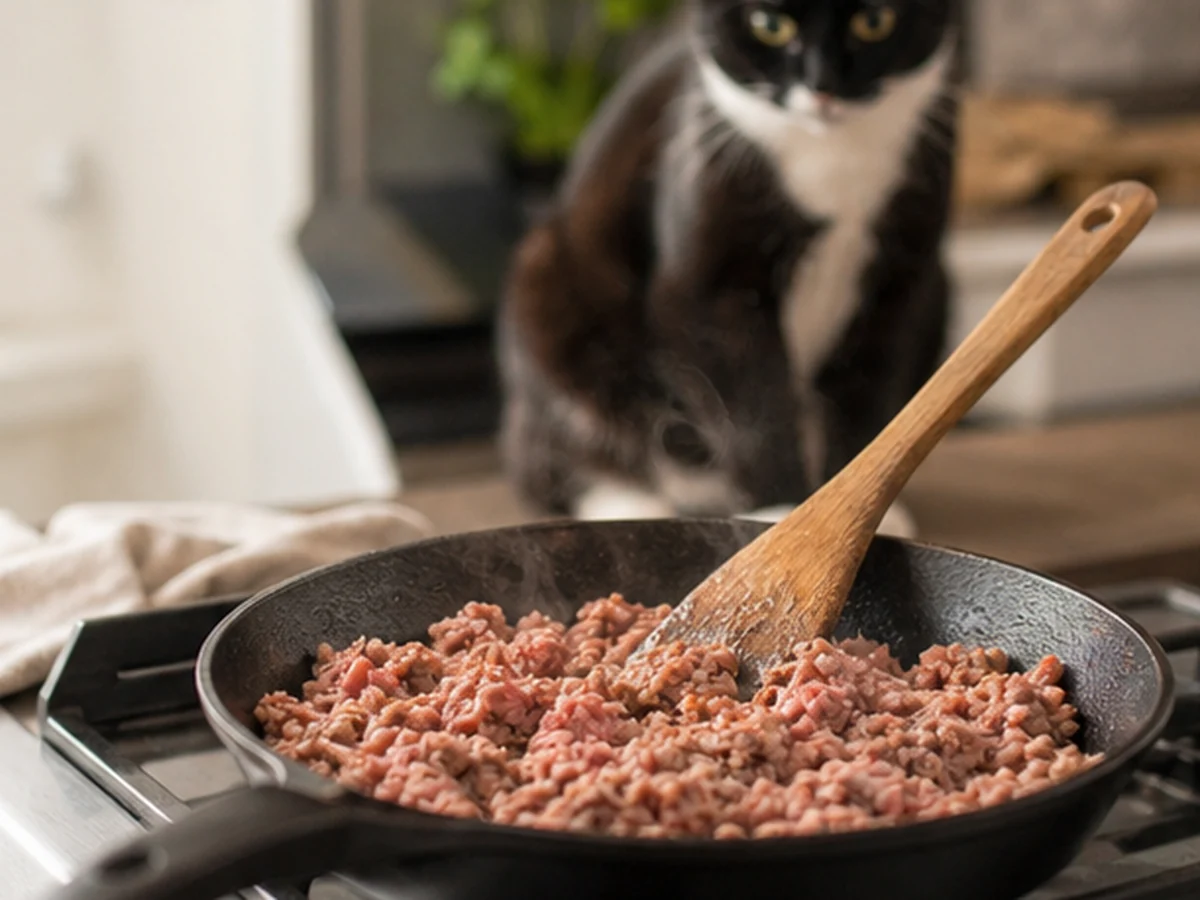
The bone-bin rule
Raw and cooked lamb bones both create unacceptable dental, choking, obstruction, perforation, and contamination risks. Do not trust size, grinding, cooking, or stomach acid as guarantees, never induce vomiting or pull attached string, inventory packaging and seasonings, and call promptly whenever a bone disappears.