Can Cats Eat Mayonnaise? Commercial Jars, Aioli, Raw Egg, and Spoilage
A tiny lick of plain commercial mayonnaise may cause no problem in many healthy adult cats, but mayonnaise is fatty, calorie-dense, and unnecessary. Aioli or flavored mayo can contain garlic or onion, homemade recipes may use raw egg, and spoilage, sodium, spicy additives, mixed salads, jars, foil seals, and medical diets change the response.
Read the product name before measuring the lick
| Product | Key distinction | Main follow-up |
|---|---|---|
| Commercial plain mayo | Typically pasteurized egg ingredients | Fat, portion, storage, label |
| Homemade mayonnaise | May contain raw shell egg | Egg source and refrigeration |
| Aioli | Often garlic-forward | Prompt Allium advice |
| Spicy mayo | Chile, hot sauce, seasoning | Irritation and hidden ingredients |
| Vegan mayo | No egg, but oils and flavors remain | Read full formula |
| Salad dressing | Sugar, seasoning, dairy, water | Do not assume it is mayonnaise |
Save both panels, recipe, amount, time, storage history, and cat health information. A white condiment is not automatically plain, and restaurant squeeze bottles rarely tell their story from across the room.
Call for garlic or onion, raw-egg homemade mayo, severe symptoms, an unknown concentrated sweetener, spoilage, or missing glass and packaging. Do not induce vomiting.
Commercial mayonnaise is usually made with pasteurized egg
The FDA notes that commercial mayonnaise, dressings, and sauces contain pasteurized eggs. That distinguishes a sealed refrigerated commercial product from a home emulsion made with untreated shell egg.
Pasteurization addresses a microbial risk, not feline nutrition, calories, salt, or spoilage after opening. A pasteurized condiment can still be inappropriate or become unsafe through poor storage.
Homemade mayonnaise needs an egg history
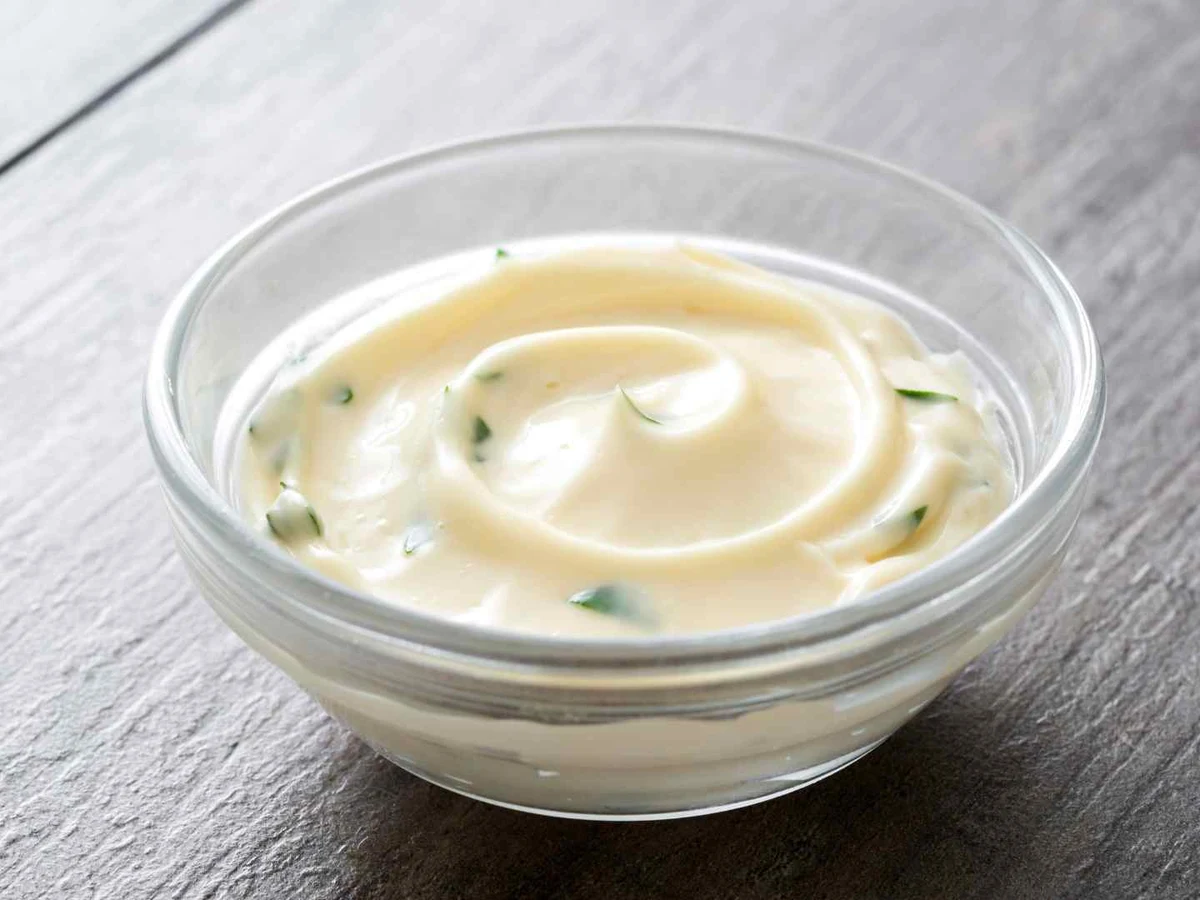
Traditional homemade recipes can emulsify raw egg yolk with oil and acid without a cooking step. Clean-looking shells do not guarantee freedom from Salmonella.
The FDA recommends pasteurized eggs or egg products for recipes served raw. Our raw-egg guide adds feline and household hygiene context.
Aioli commonly means garlic
Traditional aioli centers on garlic and oil, while modern restaurants may use the word for flavored mayonnaise. Either way, garlic or onion powder can be mixed invisibly throughout.
Cats are especially susceptible to oxidative red-cell injury from Alliums, and anemia can be delayed. Save the recipe and call rather than waiting for pale gums, weakness, rapid breathing, or dark urine.
Fat is the main plain-mayo limitation
Mayonnaise is mostly oil, so a tablespoon is an enormous cat portion despite looking like one small dollop. Large amounts can cause vomiting, diarrhea, abdominal discomfort, and problems for cats with pancreatitis history.
Do not claim that one tiny lick inevitably causes pancreatitis, and do not ignore persistent illness as simple richness. The butter guide
Sodium and sugar differ by formula
Salt, sugar, vinegar, lemon juice, mustard, preservatives, and flavorings vary among regular, light, olive-oil, reduced-fat, and dressing-style products. Reduced fat may mean added starch, sugar, gums, or water rather than feline suitability.
Cats with kidney, heart, urinary, diabetes, or weight plans need label-specific approval. A low-sodium front claim does not make the calories or flavors useful.
Spicy mayonnaise can hurt
Sriracha, jalapeño, wasabi-style flavor, horseradish, chile oil, cayenne, and hot sauce can irritate the mouth, eyes, skin, and gastrointestinal tract. A cat may drool, paw at the mouth, vomit, squint, or groom frantically.
Prevent rubbing and call for persistent distress or eye exposure. Do not force milk, bread, oil, or water into the mouth as a home capsaicin treatment.
Tuna, chicken, egg, and potato salad are recipes
Mayonnaise often carries onion, garlic, celery, pickle, mustard, salt, pepper, tuna, chicken, eggs, potatoes, relish, raisins, or grapes in mixed salads. The protein named first does not describe the full exposure.
Use the canned-tuna guide for fish, sodium, and cans, then inspect the salad recipe for Alliums and foreign objects. Never pick out visible onion and call the remaining mixture clean.
Sandwiches bring bread and closures
A mayo sandwich can include deli meat, cheese, bacon, tomato, avocado, onions, toothpicks, foil, plastic wrap, and bread-bag clips. Estimate the whole missing portion, not merely the smear left on the plate.
The bread article covers dough, raisins, mold, and packaging. Call promptly for a missing pick, tie, wrapper, or clip.
Spoilage depends on the whole dish
Commercial mayonnaise is acidic and formulated, but foods mixed with it can still become unsafe when handled poorly. Homemade mayo, meat salad, seafood salad, and deli containers each have their own refrigeration and use window.
Follow label storage instructions, use clean utensils, and discard moldy, sour, separated, leaking, warm-held, or long-forgotten food. Re-stirring a questionable emulsion does not restore safety.
Jars, lids, and squeeze bottles matter
Glass jars can break into nearly invisible shards, while metal lids, foil membranes, tamper rings, squeeze caps, and condiment packets can cut or obstruct. Check paws and secure the cat before cleaning a broken jar.
Breathing trouble, active bleeding, swallowed glass, or severe distress is an emergency. Do not induce vomiting after possible sharp material.
Vegan mayonnaise is still a condiment
Egg-free mayonnaise may use soy, pea protein, aquafaba, starch, gums, oil, sugar, mustard, lemon, onion, garlic, or natural flavor. Vegan describes an ingredient boundary for people, not a complete feline food.
Read allergen and ingredient panels, particularly during an elimination diet. A cat reacting to egg does not gain permission for unlimited plant-based spread.
Medication deserves a better delivery vehicle
Do not coat pills in mayonnaise unless the prescribing clinic approves the exact food and confirms the medicine can be given with it. Slippery mayo can let a cat lick around a tablet or spit it behind furniture.
Use the smallest approved amount and watch the full swallow. Count all tablets afterward, because a confident cat can separate condiment from medicine with laboratory precision.
After the condiment cap comes off
- Identify commercial pasteurized mayo, homemade raw-egg mayo, aioli, flavored mayo, vegan spread, or mixed salad.
- Save the formula, egg source, storage history, amount, time, medical history, and symptoms.
- Check garlic, onion, chile, salt, sweeteners, raw animal ingredients, mold, glass, lids, packets, and toothpicks.
- Call for Alliums, raw egg, spoilage signs, severe illness, a large amount, or foreign material.
- Do not induce vomiting, force food, or diagnose pancreatitis from one lick.
After one tiny lick of plain properly stored commercial mayonnaise, an asymptomatic healthy adult may need only monitoring. Watch appetite, comfort, vomiting, stool, and energy.
Store the jar behind a closed refrigerator door and wipe the rim before returning it. A lid resting politely on top is merely a suggestion to a motivated cat.
Picnics and deli counters add a storage timeline
A sealed commercial jar, freshly prepared deli salad, and sandwich left in a warm car have different histories. Ask when the food left refrigeration, whether it sat in sun, and whether utensils were shared with raw meat or seafood.
Cold holding slows microbial growth but does not erase earlier mishandling. Discard questionable food instead of offering it to a cat because wasting a spoonful feels impolite.
The FoodSafety.gov cold-storage chart provides human leftover windows, while the product label governs the specific jar. A veterinary call is appropriate when illness follows a credible spoiled-food exposure.
Repeated vomiting, diarrhea, fever, profound lethargy, dehydration, abdominal pain, or refusal to eat needs examination. Save the container and lot code if several people or pets became ill after the same dish.
Oil and egg allergies require a controlled history
- Mayonnaise can contain egg, soy, mustard, lemon, vinegar, and oils from several plant sources.
- Restaurant formulas may change without a visible menu update.
- Skin and ear signs can occur with food reactions, but one episode does not identify the culprit.
- An elimination trial must use only foods approved by the managing veterinarian.
Stop the condiment if itching, hives, facial swelling, vomiting, diarrhea, or recurring ear irritation follows. Breathing difficulty, collapse, or rapidly progressing swelling is an emergency.
Do not test separate mayonnaise ingredients at home to discover an allergy. Repeated challenges can worsen signs and make the diet history harder to interpret.
The FDA explains nutritional adequacy claims, which mayonnaise does not carry. Use complete food and clinician-designed trials rather than condiment-based diagnosis.
A note about emulsions used in pet recipes
Online homemade pet-food recipes sometimes use mayonnaise to add calories or bind ingredients. This does not establish nutritional balance, disease suitability, or a safe ongoing fat allowance for a particular cat.
Cats who need weight gain, assisted feeding, or recovery nutrition require a veterinary plan that accounts for protein, minerals, hydration, medication, and the cause of weight loss. A spoonful of oil-rich condiment can crowd out those priorities.
Do not syringe mayonnaise into a reluctant cat. Thick fatty food can be aspirated, create aversion, and delay care for nausea, pain, obstruction, kidney disease, dental illness, or another reason for not eating.
Keep normal water available and measure actual intake. A cat eating only mayo-coated crumbs is not necessarily consuming enough food to stay safe.
Refrigerator-door jars experience temperature shifts and can acquire crumbs or meat residue when people use contaminated knives. Follow the label, use a clean utensil every time, and replace products after a broken seal, recall, or obvious mishandling instead of feeding questionable condiment to a pet.
Mayonnaise questions from the refrigerator door
Can kittens eat mayonnaise?
Kittens need complete growth food and gain no necessary benefit from fatty condiment. Raw egg, garlic, packaging, and tiny calorie needs make it an especially poor choice.
Is store-bought mayonnaise raw egg?
Commercial mayonnaise generally uses pasteurized egg ingredients, according to FDA guidance. That reduces one microbial issue but does not remove fat, calories, salt, additives, or spoilage concerns.
Can cats eat aioli?
Do not offer it because aioli commonly contains garlic, and restaurant versions can add onion or other seasonings. Call with the exact recipe after exposure.
The jar-door verdict
One plain commercial mayonnaise lick is usually a monitoring matter, not a useful treat. Separate pasteurized store products from homemade raw egg, treat aioli as a potential Allium exposure, assess fat without promising one-bite pancreatitis, and check spoilage, mixed dishes, and packaging.