Can Cats Eat Nuts? A Nut-by-Nut Guide to Kernels, Shells, and Coatings
Nuts are poor cat treats. Plain kernels are calorie-dense, fatty, and awkward to chew, while shells, salt, seasoning, chocolate, sweeteners, mold, nut butter, freshness packets, and individual allergies add risk, and dog-specific macadamia toxicity should not be presented as proven feline certainty.
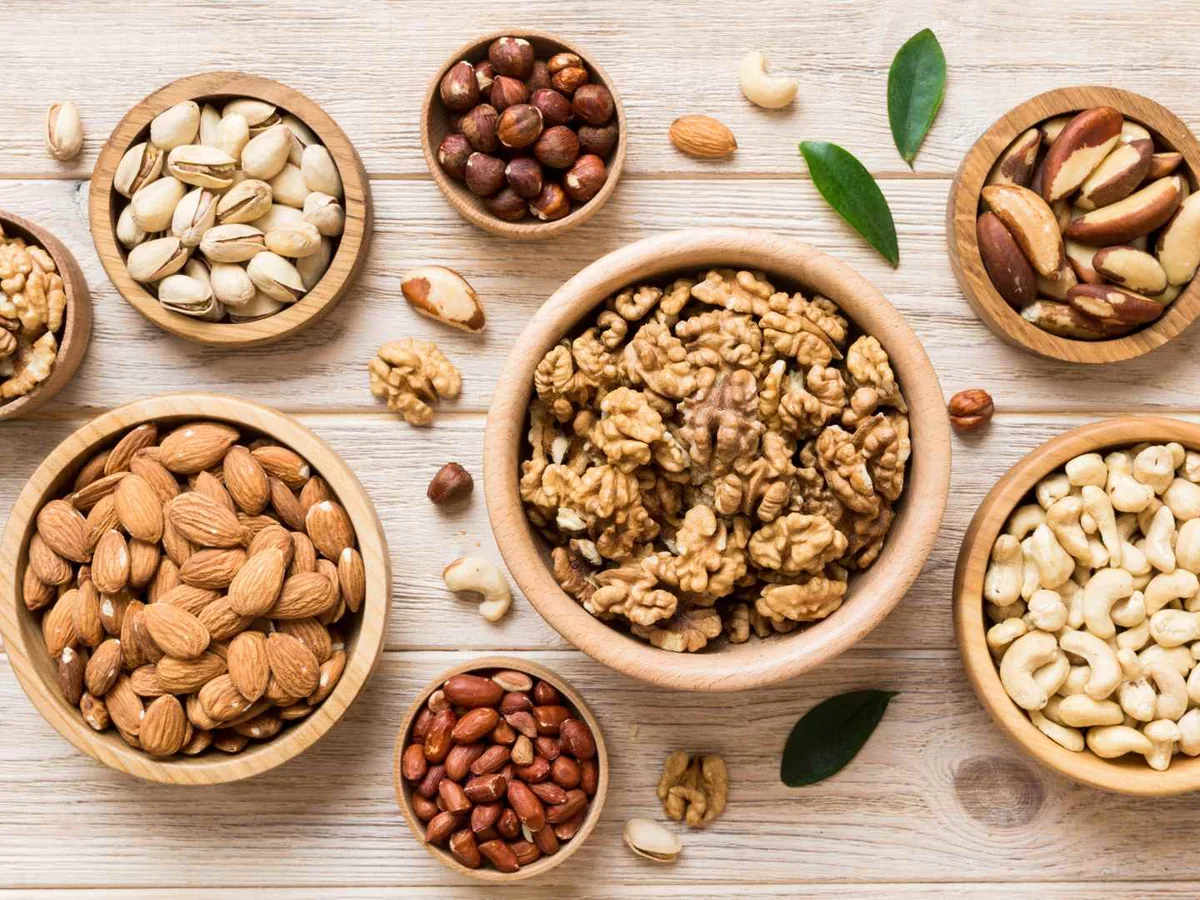
The quick nut-by-nut map
| Nut or product | Main feline concern | Practical verdict |
|---|---|---|
| Almond | Hard shape, fat, coatings, bitter-almond distinction | Do not use as a routine treat. |
| Cashew | Fat, salt, shell processing, curved choking shape | A tiny plain piece may be low risk but unnecessary. |
| Peanut | Legume, choking, salt, flavor, mold, butter additives | Skip whole nuts and read spreads carefully. |
| Pistachio | Shell fragments, fat, salt, mold | Keep shell bowl inaccessible. |
| Walnut or pecan | Large irregular kernel, rancidity, mold | Avoid, especially questionable nuts. |
| Hazelnut | Round hard shape and chocolate spreads | Do not hand over whole. |
| Macadamia | Dog toxicity established, cat evidence sparse | Do not feed; avoid importing dog dose claims. |
| Brazil nut | Very large, fatty, concentrated selenium | Not a feline supplement. |
| Pine nut | Small but fatty and often in pesto | Recipe ingredients may matter more. |
| Nut butter | Easy to lap, calorie-dense, sweeteners and salt vary | Read the exact jar and keep portions away. |
Why cats do not need a nut course
Nuts contribute plant fat, protein, fiber, vitamins, and minerals to human diets, but cats require complete nutrition formulated around feline amino acids, fatty acids, vitamins, minerals, and energy. A nut does not balance a home diet.
The FDA explains nutritional adequacy statements on pet-food labels. A snack tin makes no feline life-stage claim.
A tiny plain nut fragment may pass without illness, yet repeated sharing can add substantial calories to a small animal. Interest in crunch, fat, or attention is not evidence of nutritional need.
Almonds: sweet, bitter, flavored, and hard
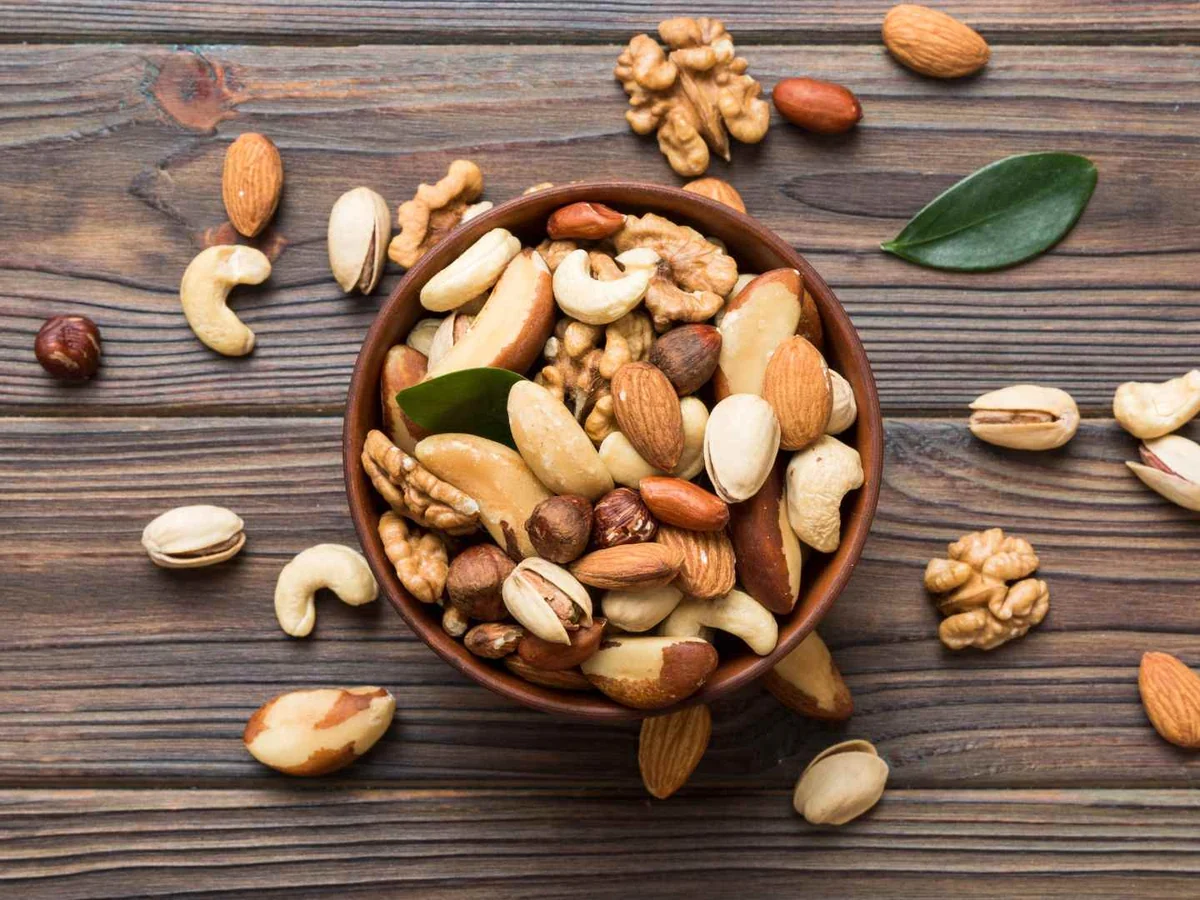
Common sweet almonds are different from bitter almonds, which can contain cyanogenic compounds and are not ordinary snack nuts. Product identity matters more than the broad almond name.
Whole almonds are hard and elongated, capable of choking or damaging teeth. Smoked, salted, wasabi, chocolate, cinnamon, or garlic coatings introduce new ingredients.
The cat almond guide covers kernels, bitter almonds, milk, flour, butter, extracts, shells, and coatings in depth.
Cashews: curved, rich, and often salted
A plain roasted cashew fragment is not recognized as a classic feline toxin, but it remains fatty and calorie-dense. The curved kernel can be gulped or lodge in a small mouth.
Raw-labeled cashews sold for people have undergone processing because the shell contains irritating compounds. Never let a cat chew shells or unknown harvested nuts.
The feline cashew guide separates plain nuts from salt, spice, chocolate, shells, spreads, and packaging.
Peanuts are legumes with nut-like snack problems
Peanuts are botanically legumes, but whole kernels share choking, fat, salt, and coating risks with tree nuts. Mold and poor storage add another concern.
Peanut butter can contain salt, sugar, chocolate, honey, protein powders, or sugar-free sweeteners. Sticky spread can cling to the palate and lets a cat lap more than intended.
Use the cat peanut guide for shells, boiled nuts, roasted products, spreads, allergies, and mold.
Pistachios come with a shell-management job
Pistachio shells can splinter, cut the mouth, lodge, or obstruct. Salted kernels add sodium, while stale or moldy nuts can cause gastrointestinal or neurologic illness.
Shell bowls at parties are especially dangerous because food residue, paper, rubber bands, and spilled drinks accumulate together. Count shells and move the bowl directly to secured trash.
The feline pistachio guide provides a focused kernel, shell, salt, mold, and dessert assessment.
Walnuts and pecans: mold matters
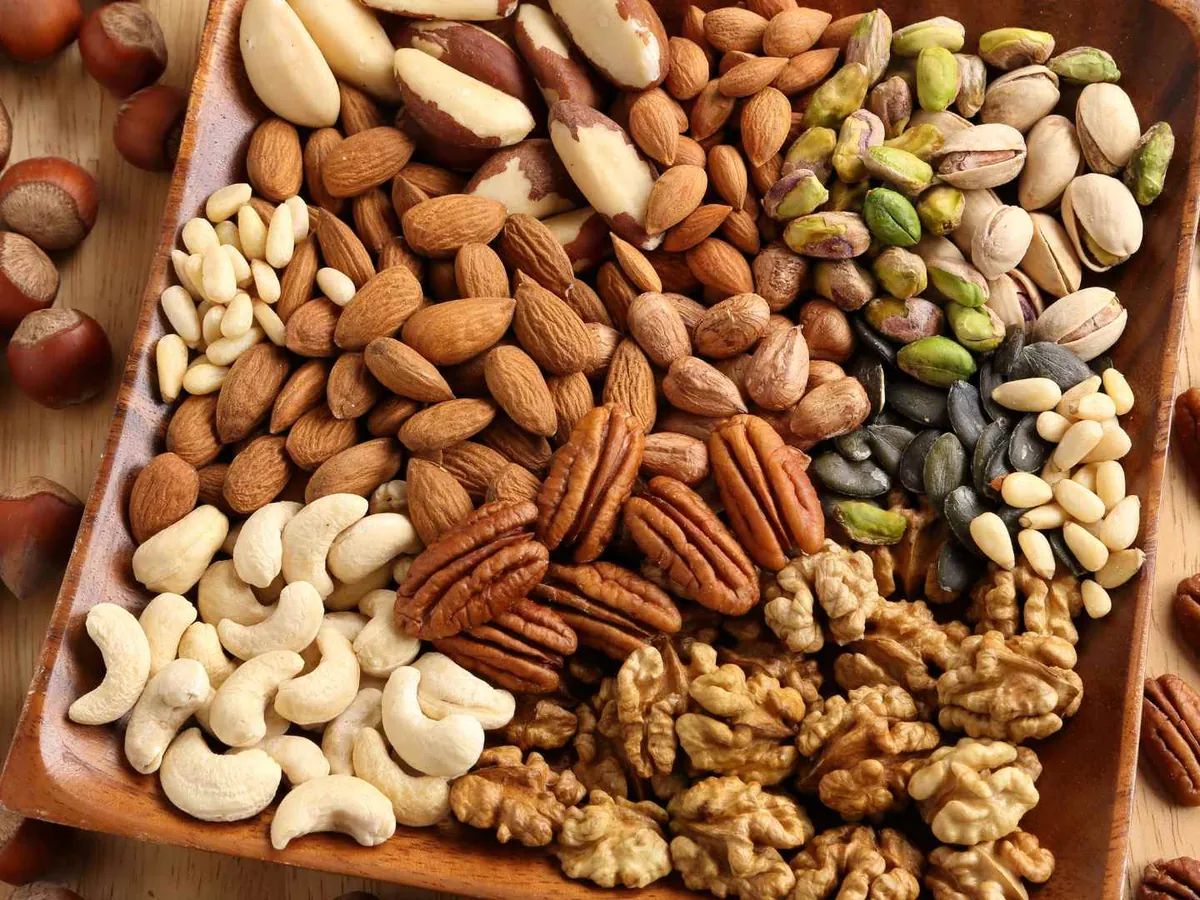
Walnut and pecan kernels are large, irregular, fatty, and prone to rancidity when storage fails. Moldy nuts can contain tremorgenic mycotoxins that cause vomiting and neurologic signs.
The Merck Veterinary Manual reviews fungal poisons capable of producing severe neurologic illness, including loss of coordination, muscle tremors, fast respiration, collapse, and convulsions. Treat that pattern as an emergency.
Black walnuts, fallen nuts, husks, garden mold, and compost create different exposures from a fresh packaged English walnut kernel. Save samples and identify the plant when outdoor access occurs.
Hazelnuts and chocolate spread
A whole hazelnut is round, hard, and easy to gulp. Roasted fragments remain fatty, while praline, gianduja, and spreads can contain cocoa, sugar, milk, oil, and wrappers.
Chocolate introduces theobromine and caffeine, which can affect heart rhythm and the nervous system. Use the cat chocolate guide to identify cocoa form and missing amount.
Do not infer that a spread is safe because hazelnut appears before cocoa in the name. Read ingredients and nutrition from the current jar.
Macadamias: keep the dog evidence in its lane
Macadamia nuts cause a distinctive poisoning syndrome in dogs, with weakness, tremors, vomiting, and increased temperature described after ingestion. That canine evidence is not a proven feline dose-response relationship.
Cat-specific data are limited, so do not promise safety or copy dog thresholds. Keep macadamias away and call after a meaningful feline exposure with product, amount, time, weight, and signs.
Chocolate-coated macadamias and cookies add cocoa, dough, sugar, butter, and packaging. The full product may create concerns independent of the nut.
Brazil nuts are not selenium supplements for cats
Brazil nuts can contain high and variable selenium concentrations and are far too large and hard for a feline treat. Human nutrient claims do not establish a safe cat supplement dose.
Do not shave them over food for coat, thyroid, immune, or antioxidant goals. Excess micronutrients can be harmful, and a balanced diet already manages required levels.
Pine nuts, pesto, and mixed recipes
Pine nuts are small but calorie-dense and commonly appear in pesto with garlic, oil, cheese, basil, and salt. Garlic is an Allium that can damage feline red blood cells.
A clean basil leaf is different from pesto, essential oil, and a seasoned jar. The nut is only one line in the sauce, so read every ingredient rather than judging by the herb pictured on the label.
Salt, spice, smoke, and savory coatings
Snack nuts may be coated in ranch, barbecue, chili, onion, garlic, cheese, soy sauce, or smoke flavor. A tiny dropped crumb differs from a cat emptying a seasoned pouch.
Large salt exposures can cause vomiting, marked thirst, weakness, tremors, incoordination, seizures, or altered behavior. Leave fresh water available, but do not syringe liquid or improvise rehydration before calling.
Onion and garlic powders carry delayed red-blood-cell risk. Keep the seasoning label and do not assume roasting neutralizes Alliums.
Sweet coatings, candy, and trail mix
Candied nuts can add sugar, honey, maple, caramel, chocolate, cinnamon, coffee, raisins, cannabis, or sugar substitutes. Trail mix often combines several of these in one handful.
Grape and raisin kidney injury is established in dogs, while feline evidence is limited and no dependable cat dose exists. Call after a meaningful cat exposure rather than applying canine certainty or declaring safety.
Sugar-free chocolate or nut butter needs an exact sweetener label. Xylitol’s severe syndrome is established in dogs, not with the same evidence in cats.
The FDA describes xylitol poisoning as a serious canine hazard, but that evidence does not establish the same dose-response in cats. Still call with the exact feline product exposure because chocolate, calories, other sweeteners, and packaging may matter.
Shells, freshness packets, and bags
Hard shells can cut, choke, or obstruct, while freshness packets vary in composition. Plastic bags can collapse around a cat’s face or be swallowed.
Save the outer package and an identical packet after a puncture. Repeated vomiting, abdominal pain, appetite loss, reduced stool, or lethargy after shell or film disappears needs veterinary assessment.
Mixed-nut tins make identification harder
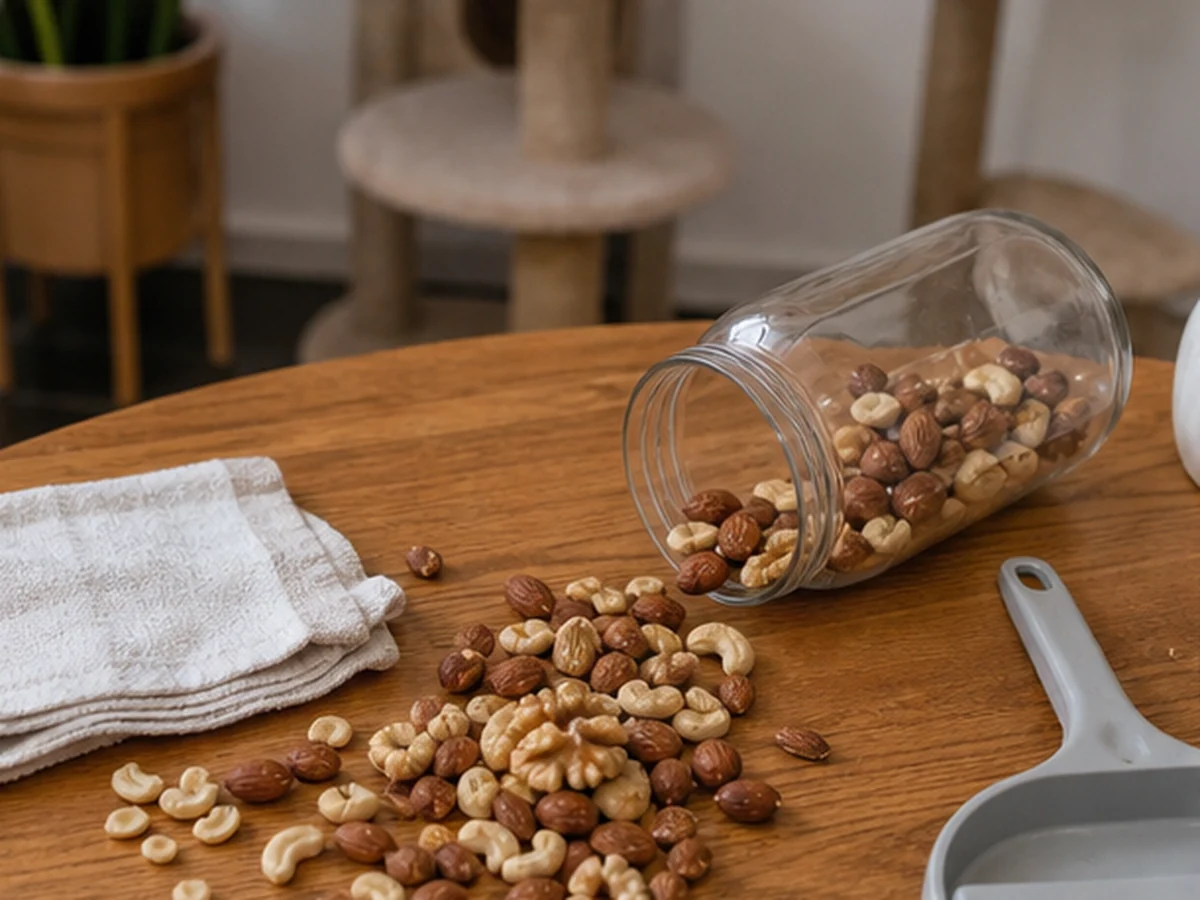
Party tins may contain almonds, cashews, peanuts, pecans, Brazil nuts, hazelnuts, and macadamias under one seasoning. If several pieces are missing, weigh an intact serving or count a comparable scoop instead of guessing one nut type.
A shared bowl can also collect olive pits, cocktail picks, candy wrappers, cigarette debris, and spilled alcohol. Report the whole tabletop scene because the obvious cashew may be a distraction.
Bulk bins add ingredient cross-contact and uncertain freshness. A handwritten store label is less informative than a sealed manufacturer package, so keep the receipt and any product code.
Allergy is uncommon but possible
Cats can react to food proteins, although one scratch or one loose stool cannot diagnose a nut allergy. Facial swelling, hives, sudden vomiting, breathing difficulty, or collapse after eating needs urgent care.
Chronic itching or digestive signs require a controlled veterinary diet trial, not rotating through almond, peanut, and cashew products at home. Each flavored nut brings too many variables for a useful test.
A nut-raid triage plan
- Identify every nut: do not report mixed nuts as one ingredient when macadamia, walnut, almond, and chocolate are present.
- Name preparation: raw, roasted, salted, smoked, spiced, moldy, butter, flour, milk, candy, or trail mix.
- Measure and count: estimate kernels, shells, wrappers, packets, jar lids, and the largest possible amount.
- Call promptly: seek advice for macadamias, mold, shells, chocolate, raisins, unknown sweeteners, large amounts, or symptoms.
- Use emergency care: breathing trouble, collapse, seizures, repeated retching, severe weakness, or tremors cannot wait.
Frequently asked questions
Which nuts are safe for cats?
No nut is needed, and hard high-fat kernels are poor routine treats. A microscopic plain fragment may be low risk for some varieties, but nut-specific and product-specific hazards remain.
Can cats eat macadamia nuts?
Do not offer them. Dog toxicity is established while cat evidence is sparse, so avoid canine dose claims and obtain feline advice after meaningful exposure.
Can cats eat nut butter?
Check salt, sugar, chocolate, sweeteners, oils, and additives. Sticky high-calorie spread is unnecessary and can be swallowed in a larger amount than a kernel.
What if my cat ate a nut shell?
Call with nut type, shell size, time, weight, and symptoms. Do not induce vomiting or feed bulky food because sharp shell can lodge or puncture.
Bottom line
Nuts are a family reunion of fat, hard shapes, shells, coatings, mold, and product variation rather than a feline snack category. Use the nut-by-nut label, keep dog macadamia certainty out of cat claims, and choose complete cat food when crunch is the actual request.