Can Cats Eat Oats? Cooked Oatmeal, Dry Oats, Oat Milk, and Granola
A healthy adult cat can usually tolerate a teaspoon of plain, fully cooked oatmeal, but oats are optional. Dry flakes, hot porridge, milk, butter, salt, sugar, raisins, chocolate, granola, oat milk, raw dough, mold, packets, prescription diets, and oversized portions turn a simple grain into a larger recipe audit.
The reasonable bowl is almost comically plain
Cook rolled or steel-cut oats thoroughly in water, cool them, and offer no more than a teaspoon if the veterinarian permits extras. Do not add milk, cream, butter, salt, sugar, honey, cinnamon, fruit, nuts, chocolate, or syrup.
Instant, quick, rolled, steel-cut, and oat-bran products vary in texture and cooking time. Follow the package instead of assuming one softened spoon means every oat is fully prepared.
Cats are obligate carnivores, and interest in warm porridge does not establish a grain requirement. A few grains from the regular cat diet are a more relevant reward.
Oats in complete cat food are not a breakfast bowl
Oats may appear in a commercial cat-food formula as an energy, fiber, texture, or processing ingredient. The manufacturer balances the finished recipe rather than feeding oats as a standalone meal.
The FDA’s pet-food labeling resource explains how nutritional adequacy statements work. Judge the whole product, life stage, calories, feeding directions, quality controls, and individual response.
Do not sprinkle extra oats over food merely because the ingredient appears on the bag. That changes calories and texture outside the formulated ratios.
Dry oats are not crunchy enrichment
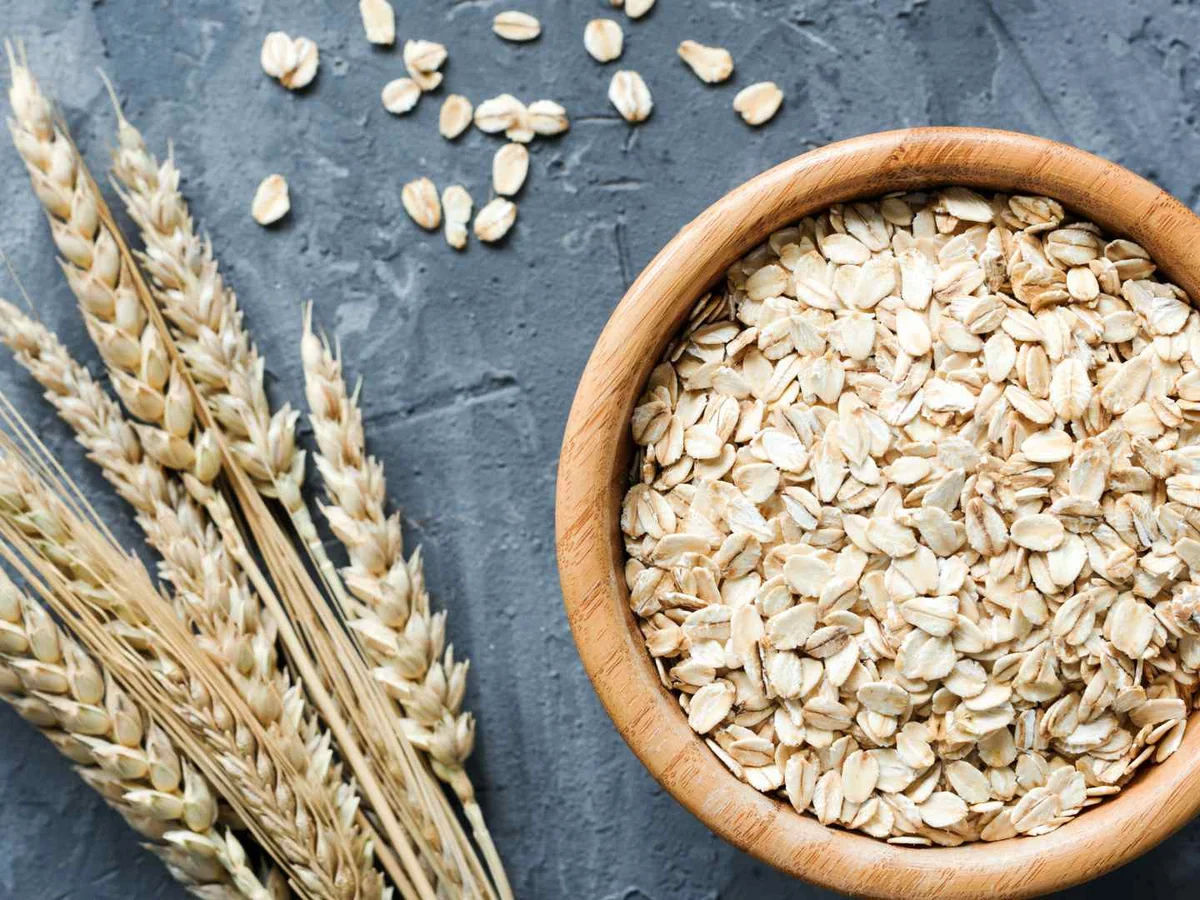
Uncooked flakes are dry, dusty, and harder to digest than cooked porridge. Steel-cut oats are particularly firm and can be inhaled or swallowed awkwardly.
A few dropped flakes may pass without concern, while a bulk raid can cause vomiting, constipation, gas, or abdominal discomfort and may include bag string, plastic, clips, or desiccant.
Do not force water to swell or wash down dry grain. Call for gagging, repeated vomiting, pain, or a substantial amount.
Hot oatmeal can cause a real burn
Microwaved porridge can develop steam pockets and remain hotter in the center than at the surface. A curious tongue or paw can be burned by the bowl, liquid, or hot spoon.
Sudden drooling, mouth-pawing, lip swelling, red skin, blisters, or food refusal after hot contact needs veterinary advice. Eye, facial, mouth, large-area, or severe burns require urgent care.
Skip greasy salves, dental paste, and direct ice on burned tissue. Ask a clinic how to cool the affected area without adding injury.
Milk and cream create a dairy question
Many adult cats digest lactose poorly, so oatmeal made with cow’s milk may cause gas, diarrhea, vomiting, or nausea. Cream adds fat and calories as well.
The cat yogurt guide offers related dairy context, while oatmeal and its topping still need separate review.
Lactose-free milk resolves only lactose, not calories, sweetness, fortification, flavoring, or feline nutritional balance. Water remains the simplest cooking liquid.
Oat milk varies by carton
| Oat beverage detail | Possible ingredient | Why to check |
|---|---|---|
| Original | Oats, water, oil, salt, gums, fortification | Not plain water and not a feline diet. |
| Sweetened | Added sugar or syrup | Unnecessary calories. |
| Vanilla | Flavoring and sweetener | Product formula matters. |
| Chocolate | Cocoa and possible caffeine | Toxicology question. |
| Barista blend | More oil or stabilizers for foaming | Richer and easy to spill. |
| Protein or wellness blend | Pea protein, vitamins, herbs, supplements | Medical diets and additives need review. |
One lick of plain oat beverage may cause no illness, but it should not replace water or complete cat food. Never use a human plant drink to feed an orphaned kitten.
Chocolate oat milk can introduce methylxanthines. The feline chocolate guide helps identify cocoa type, amount, and signs.
Sugar, honey, and flavored oatmeal packets
Maple, apple-cinnamon, brown-sugar, pumpkin-spice, and dessert oat packets can contain substantial sugar, salt, flavors, dried fruit, nuts, or sweeteners. The sachet may be more concentrated than prepared cereal.
One sweet spoon is not accurately called sugar poisoning, but repeated sharing adds calories and may worsen diabetes or obesity. Do not use oatmeal to manage glucose without the treating veterinarian’s plan.
The cat honey guide explains why natural-sounding sweetness does not create feline benefit.
Granola is not merely toasted oats
Granola may combine oats with raisins, chocolate, nuts, seeds, honey, coconut, oil, salt, spices, protein powder, and freshness packets. Clusters are hard, dry, and easy to gulp.
Grape and raisin kidney injury is established in dogs, while cat evidence and a dependable feline dose are limited. Call after meaningful cat exposure rather than importing canine certainty.
Moldy nuts or grain can cause neurologic illness. Save the package and seek emergency care for tremors, incoordination, seizures, or collapse.
Overnight oats and refrigerator recipes
Overnight oats can contain dairy, plant milk, yogurt, chia, fruit, nut butter, chocolate, coffee, protein powder, or sweeteners. The uncooked-looking texture does not reveal the entire recipe.
Refrigeration slows microbial growth but does not rescue ingredients left warm or contaminated by raw food. Use clean utensils and discard questionable jars.
The FDA food-storage guidance sets 40°F as the maximum refrigerator temperature. Discard a communal jar after the cat has eaten directly from it.
Oat flour, cookies, and raw dough
Oat flour can become airborne, irritate eyes and lungs, and appear in mixes with wheat, cocoa, spices, or supplements. Move a cat to clean air after a dust cloud.
Raw dough or batter may contain uncooked flour and egg, while yeast dough can expand and produce alcohol. The cat bread guide covers baked crumbs, raw dough, mold, and packaging.
The CDC warns that uncooked flour and eggs can carry harmful germs. Keep mixing bowls, dust, and raw utensils away from cats.
Oatmeal cookies often contain raisins, chocolate chips, macadamias, nutmeg, cinnamon, butter, or sugar-free sweeteners. Assess the cookie, not the oat word.
Fiber is not a universal stomach remedy
Oats contain soluble and insoluble fibers, yet an arbitrary spoon does not treat every constipation, diarrhea, hairball, or weight problem. Fiber type, dose, hydration, and diagnosis matter.
Litter-box straining can indicate urinary obstruction, especially in male cats. Little urine, crying, vomiting, lethargy, or a painful abdomen needs emergency care.
A veterinarian may recommend a complete fiber-modified diet instead of home porridge. Do not let a temporary improvement delay evaluation of recurring signs.
Gluten and food-allergy questions
Oats do not inherently contain wheat gluten, but cross-contact can occur during growing and processing, and oat products often include wheat. Human gluten-free certification does not establish feline benefit.
Food allergy requires controlled veterinary elimination and challenge. One itchy day after granola cannot identify oats among dairy, egg, nuts, flavor, and environmental causes.
Packets, bags, and cooker parts
Oat bags, paper sachets, plastic liners, clips, scoops, and desiccants retain food odor. A cat can swallow packaging with the remaining powder.
Repeated vomiting, abdominal pain, appetite loss, reduced stool, or lethargy after film disappears needs assessment. Do not pull visible bag string if an unseen portion may be anchored.
A sensible tasting portion
If a veterinarian has no objection and a healthy adult cat is determined to investigate, use a few cooled grains of plain water-cooked oatmeal. Put them on a clean saucer rather than letting the cat share a sweetened family bowl.
Remove the saucer after the taste and keep the rest of the day’s treats modest. A small cat can accumulate meaningful calories from tiny human-food samples that look negligible on a spoon.
Do not turn a tolerated taste into a daily topper without checking the cat’s complete diet and body condition. Refusal is not a problem to solve because oats provide no required feline experience.
Reading an oat product label efficiently
Start with the product name, then check the ingredient list, serving weight, sweeteners, sodium, flavors, fruit, cocoa, nuts, dairy, supplements, and preparation directions. Front-label words such as natural, whole grain, organic, or high protein do not answer those questions.
Next inspect the package for missing film, clips, lids, or freshness material, and note whether the product was dry, cooked, hot, fermented, refrigerated, or spoiled. This short label routine produces a much better triage call than “my cat ate oats.”
Oat grass is not oatmeal
Products sold as cat grass may include oat, wheat, barley, or rye seedlings, which are botanically and physically different from rolled oat cereal. Seed treatments, mold, potting mix, fertilizer, and container pieces can become the real concern.
Use only pet-directed grass grown according to its instructions, and remove moldy soil or sharp, mature seed heads. Persistent vomiting after grass eating is not a normal cleansing ritual and deserves veterinary discussion.
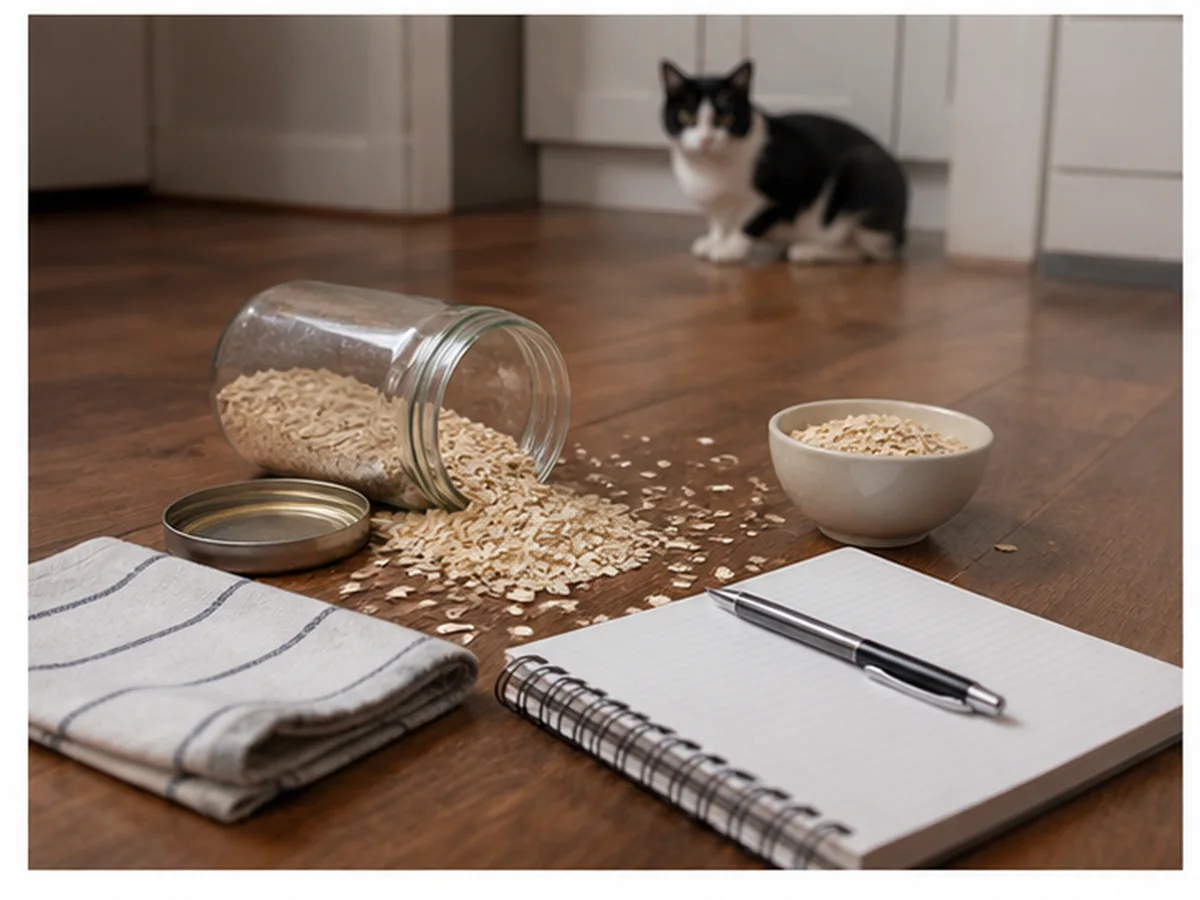
A breakfast-raid checklist
- Identify the form: dry oats, plain porridge, flavored packet, oat milk, granola, overnight oats, cookie, dough, or moldy product.
- List additions: dairy, sugar, honey, raisins, chocolate, nuts, caffeine, sweeteners, alcohol, and supplements.
- Record amount and heat: report maximum portion, time, temperature, storage, cat weight, and symptoms.
- Count objects: locate packets, film, clips, cups, lids, spoons, cooker cords, and freshness sachets.
- Call promptly: seek advice for raisins, cocoa, raw dough, large amounts, burns, spoilage, packaging, or symptoms.
Frequently asked questions
Can kittens eat oats?
Kittens need complete growth food and should not fill small stomachs with porridge. Never use oat milk as kitten formula.
Can cats eat oats every day?
Only when oats appear within a complete formulated food or veterinary plan. Extra oatmeal can displace required nutrients and add unnecessary calories.
Can cats drink oat milk?
One lick of a plain product may be low risk, but cartons vary in oil, salt, sugar, flavors, and fortification. Water and complete feline food are appropriate defaults.
Do oats help cat constipation?
Do not use them without diagnosis and dosing guidance. Straining, vomiting, pain, low urine, appetite loss, or persistent constipation needs veterinary care.
Bottom line
Plain cooked oats can be a tiny tolerated extra, but dry grain, hot porridge, oat milk, granola, cookies, and complete cat food are different products. Keep recipes boring, portions small, and feline nutrition centered on a food that actually claims the job.