Can Cats Eat Rye Bread? Plain Slices, Raw Dough, Raisins, and Mold
A crumb of plain, fully baked rye bread is usually low risk for a healthy cat, but it is not useful feline nutrition. Raw yeast dough, raisins, mold, onion or garlic, sweeteners, heavy toppings, and swallowed packaging turn a bakery theft into a different question.
Put the loaf on the counter and read it
Keep the wrapper, bakery label, recipe, and any ingredient sticker. Identify whether the cat ate a dry crumb, a thick slice, raw dough, seeded bread, raisin rye, a sandwich, or a moldy heel.
Check the floor for twist ties, plastic tabs, torn film, toothpicks, and missing desiccant packets. A cat can be more interested in buttered plastic than in the bread itself.
Call now for raw yeast dough, raisins or grapes, visible mold, an unknown sweetener, a missing foreign object, repeated vomiting, a swollen painful belly, weakness, tremors, seizures, or breathing trouble. Do not make the cat vomit.
Plain baked rye is mostly an unnecessary extra
Fully baked rye bread contributes starch and calories, not a balanced feline meal. A healthy cat who steals one small unseasoned crumb may show nothing more dramatic than satisfaction at defeating the bread box.
Remove access and return to the normal diet. The cat bread guide explains why baked bread should remain an occasional accident rather than a treat routine.
A larger amount can crowd out proper food or cause vomiting, gas, soft stool, or constipation. Call if signs persist or the cat is very young, frail, diabetic, or on a prescription diet.
Rye flour does not make bread cat food
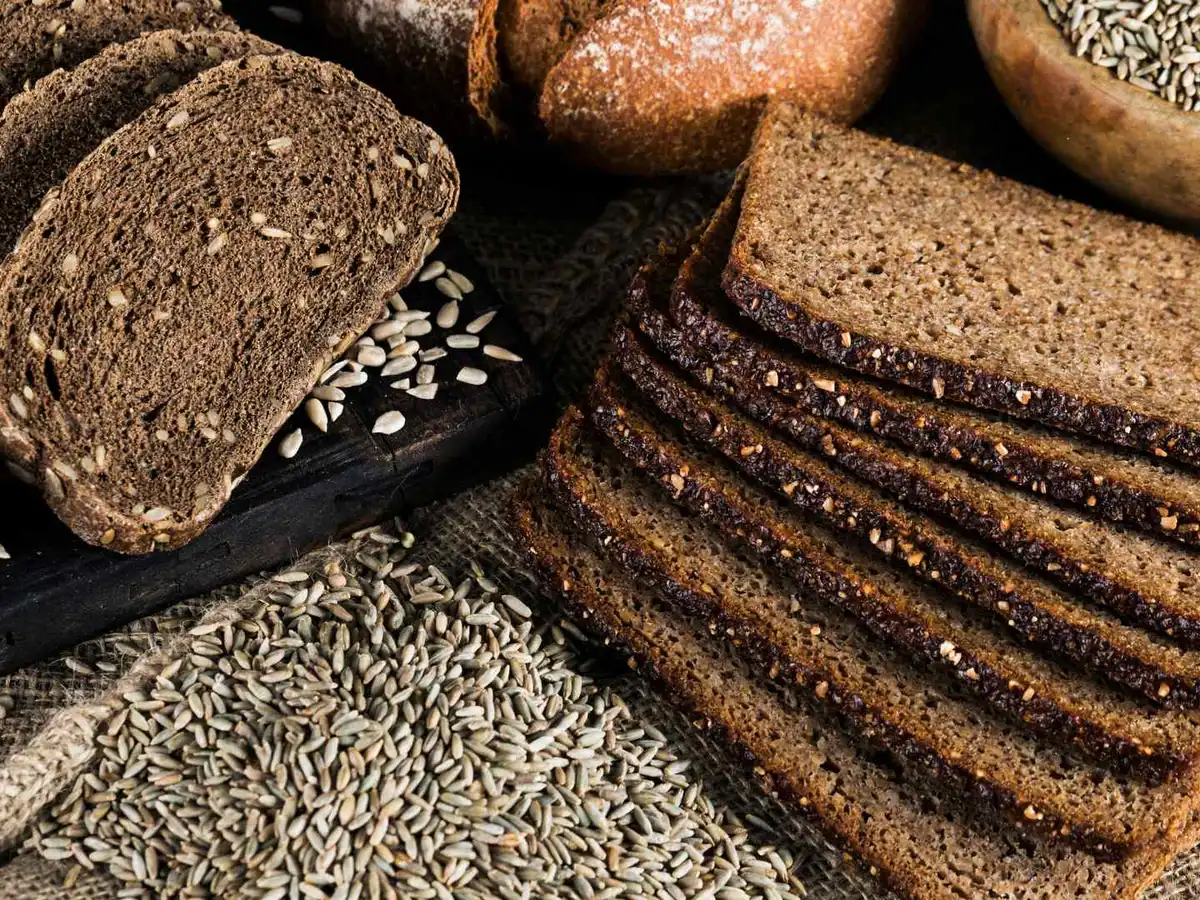
Rye differs from wheat in flavor, gluten behavior, and baking chemistry, but those human culinary distinctions do not supply taurine or complete feline nutrition. Dark color also does not prove the loaf is whole grain or nutritionally special.
Labels such as artisan, ancient grain, natural, or high fiber describe marketing and formulation for people. They do not establish a safe feline portion.
Cats with suspected food allergy need a controlled veterinary elimination trial. Randomly testing rye at home can muddy the history and trigger symptoms without answering the diagnostic question.
Raw yeast dough is an emergency
Unbaked yeast dough can expand in the warm stomach and generate ethanol during fermentation. Abdominal distension, pain, retching, weakness, wobbliness, unusual sleepiness, low body temperature, collapse, or breathing difficulty can follow.
The ASPCA people-food guidance warns about yeast dough expansion and alcohol production. This is a call-now exposure even if the cat initially looks normal.
Do not wait for the dough to rise visibly and do not feed more bread to soak it up. Keep the remaining batch and tell the clinic whether it contained salt, sugar, raisins, alcohol, or other additions.
Raw flour has a microbial story too
Flour is a raw agricultural food and can carry disease-causing bacteria before baking. Batter on paws also becomes an ingestion when the cat starts grooming.
The FDA’s raw flour guidance advises against eating uncooked flour or dough. Clean surfaces without raising a flour cloud near the cat’s face.
Call for repeated vomiting, diarrhea, marked lethargy, feverish behavior, or appetite loss after raw batter. Kittens and immunocompromised household members warrant especially careful hygiene.
Raisin rye and fruit loaves need feline nuance
Grapes and raisins have strong evidence for unpredictable kidney injury in dogs, while feline evidence is sparse. Sparse does not mean safe, so treat a raisin-containing loaf as a prompt call rather than borrowing a dog dose or dismissing the exposure.
The cat grape guide keeps that species boundary clear. Count missing fruit if possible and save the ingredient list.
Currants can mean dried grapes or a different botanical fruit depending on the label. Tell the professional the exact package wording instead of translating every currant into the same risk.
Seeds and dense crusts change texture
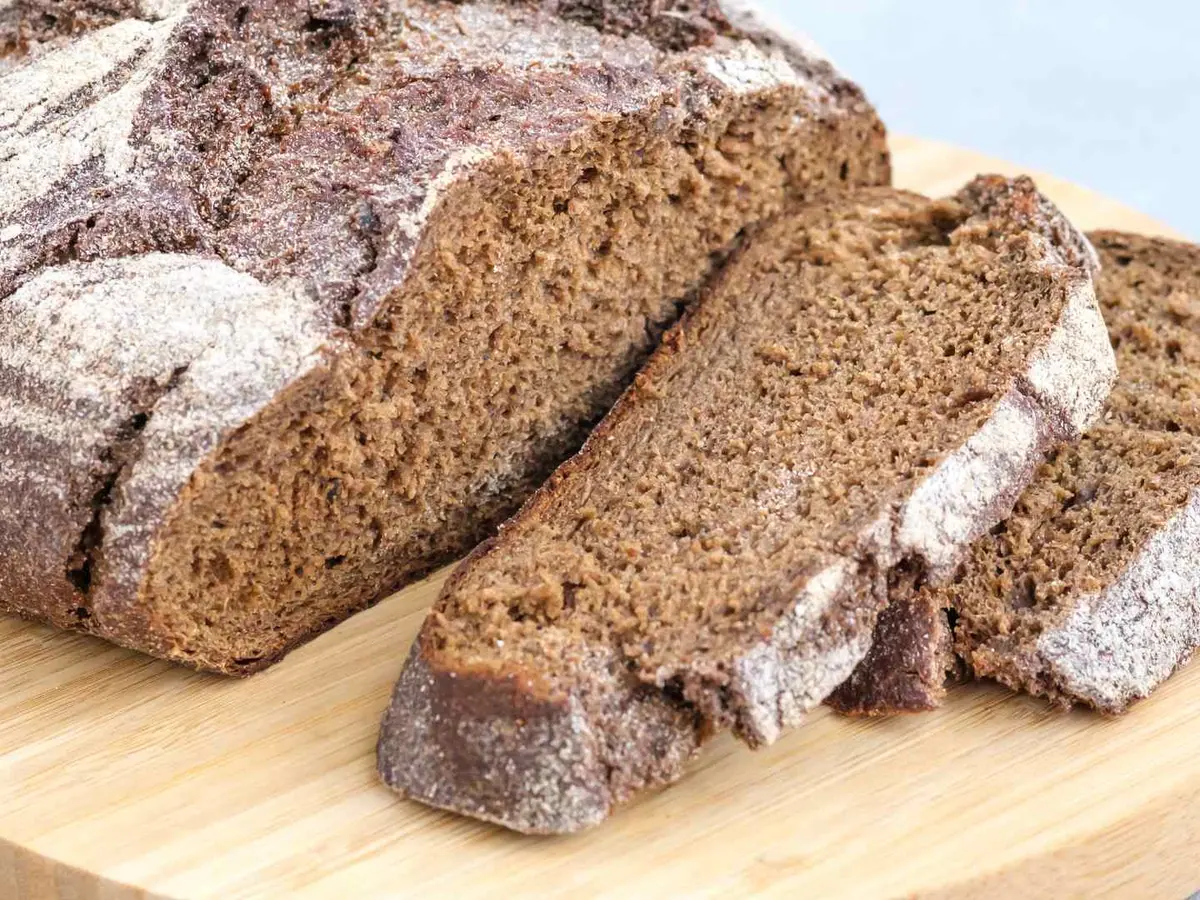
Caraway, sunflower, flax, sesame, pumpkin, and mixed seeds may coat rye bread. A few baked seeds are usually less important than a hard clump, heavy salt, mold, or a seasoning blend.
Dense crust and toasted edges can form chewy pieces that are awkward for a cat to swallow. Cut food is not needed here, because the safest serving decision is simply not to offer bread.
Coughing, gagging, pawing at the mouth, blue or gray gums, or sudden panic requires urgent help. Do not sweep a finger blindly through the mouth.
Pumpernickel and marbled rye are recipes, not one ingredient
Pumpernickel may include rye meal, wheat flour, molasses, cocoa, coffee, caramel color, seeds, and long fermentation, depending on the recipe. Marbled bread may combine differently flavored doughs.
A dark loaf is not automatically chocolate bread, but cocoa or coffee on the label deserves poison guidance. Preserve the brand because bakery names are not reliable ingredient lists.
Molasses and caramel color add human flavor rather than a unique feline benefit. Cats do not need a tasting flight of increasingly dramatic brown breads.
Garlic, onion, and savory rye
Deli rye can be baked with onion, garlic, chives, cheese, or seasoning powder. Cats are particularly susceptible to red blood cell injury from Allium species, and effects may not appear immediately.
Use the cat onion guide when onion flakes or powder appears. The amount across the entire recipe and the fraction eaten both matter.
Weakness, pale gums, rapid breathing, dark urine, or collapse needs urgent veterinary care. A normal first hour does not erase an allium ingredient.
Sweeteners require the actual ingredient panel
Sugar, honey, molasses, syrups, and nonnutritive sweeteners can appear in specialty loaves. Sweetness is not attractive to cats in the same way it is to people, but butter and dairy scents may still invite a bite.
Xylitol causes well-established severe poisoning in dogs, while equivalent feline toxicity has not been demonstrated. Do not invent a dog-style cat threshold, and still call about an unknown or concentrated sweetener because the entire product needs review.
Sugar-free bread may also contain nuts, chocolate, fiber concentrates, or packaging hazards. Photograph the full panel instead of relying on the front label.
Moldy bread belongs behind a secure lid
Some food molds can produce tremorgenic mycotoxins that cause vomiting, agitation, tremors, high body temperature, or seizures. Visible fuzz is enough reason to keep a loaf away from pets, not a map of where every toxin is located.
The Merck Veterinary Manual describes serious neurologic illness linked to tremorgenic mycotoxins. Treat tremors or seizures as an emergency.
Do not cut off the moldy corner and give the rest to a cat. Bag the loaf, secure the trash, wash the bread bin, and check nearby foods.
Toast is not automatically simpler
Toasting changes moisture and texture but does not remove raisins, alliums, sweeteners, or mold toxins. Burnt edges add no feline advantage and can break into sharp, dry crumbs.
A plain toast crumb may need only observation, whereas thick butter, garlic spread, jam, chocolate-hazelnut spread, avocado, or nut butter needs ingredient-specific triage. The topping often writes the real story.
Hot toast can burn the mouth, and a pop-up toaster contains crumbs, current, and hot metal. Keep paws away from the appliance rather than offering a countertop sample.
The sandwich is a full scene, not a bread exposure
Rye commonly carries deli meat, cheese, mustard, sauerkraut, pickles, tuna salad, onion, or fatty dressing. Sodium, alliums, bones, skewers, and spoiled fillings may outrank the slice.
The cat salami guide helps with cured meat, but report the whole sandwich. Scraping off the filling does not turn a dropped slice into a recommended treat.
Count toothpicks, cocktail picks, wrapper pieces, and condiment packets. A missing sharp object is urgent even when the cat seems comfortable.
Bread bags and closure clips deserve respect
Soft plastic holds food scent and can be swallowed, while twist ties and hard tabs can injure or obstruct the digestive tract. A cat may chew the closure after ignoring every crumb.
The FDA pet-hazard page supports keeping bags and small household objects away from animals. Call whenever a piece is unaccounted for.
Do not pull string or plastic protruding from the mouth or anus. Movement can damage tissue if material is anchored inside.
Storage and bakery handling
Keep rye dry, covered, and within its stated storage period. Refrigerated sandwiches follow the requirements of meat, fish, dairy, egg, and dressing rather than the shelf life of the bread.
Discard loaves with mold, sour off-odors unrelated to the intended fermentation, unusual moisture, or damaged packaging. Reheating does not reliably undo spoilage hazards.
If several people share the kitchen, label bread dough during proofing and close the room. A tea towel is not a security system for a cat who has discovered yeast.
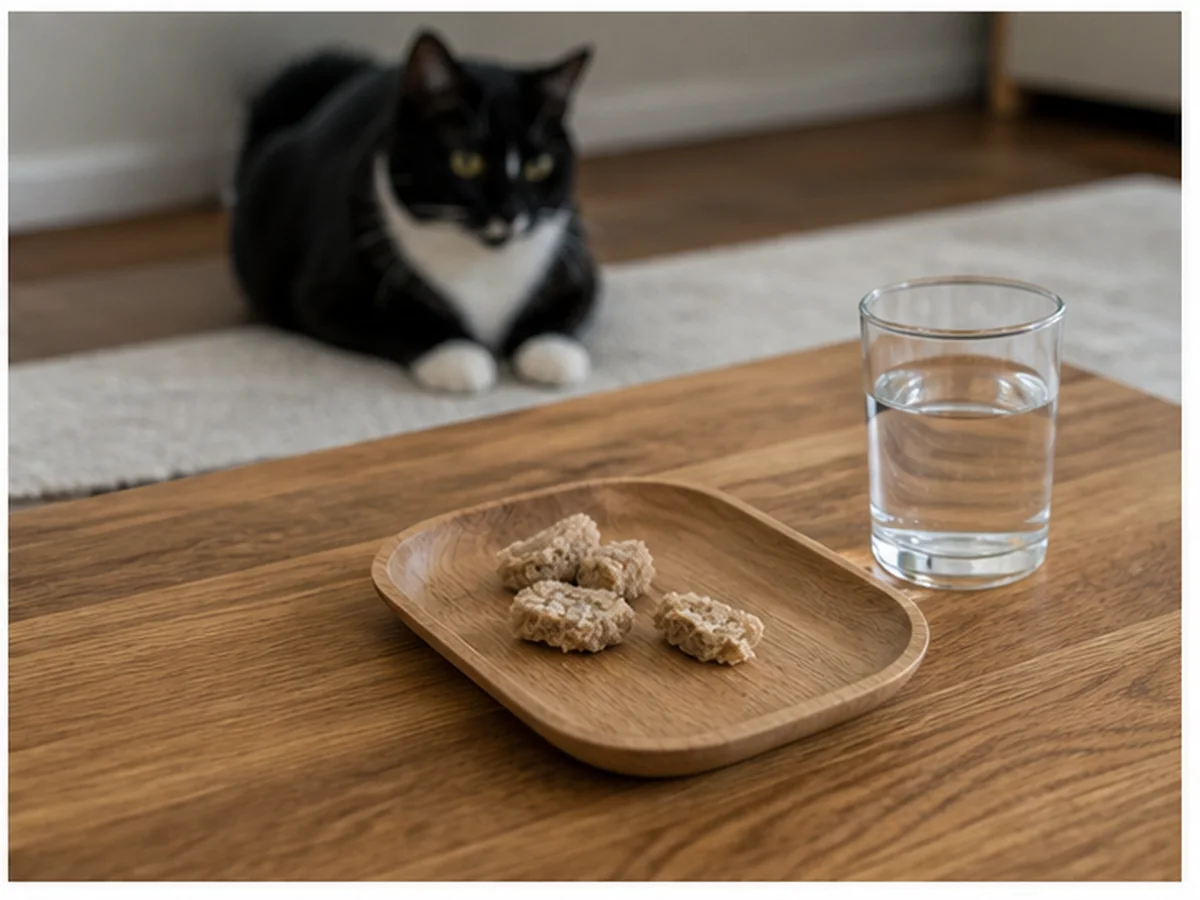
Monitoring a known plain crumb
For a healthy adult that ate a genuinely tiny piece of plain, fully baked rye, offer normal food and water and watch for vomiting, diarrhea, constipation, coughing, abdominal discomfort, or appetite change. Keep the package until the cat remains well.
Call sooner for kittens, seniors, diabetes, gastrointestinal disease, food allergy, or a prescription diet. Bread calories can also quietly interfere with a weight plan when crumbs become daily tribute.
If the history changes, update the veterinarian. Discovering later that the loaf contained raisins or that a plastic tab is gone matters more than an earlier wait-and-watch decision.
FAQ
Can cats eat one bite of plain rye bread?
A tiny piece of fully baked, unseasoned rye is generally low risk for a healthy cat, but it supplies unnecessary starch and should not become a routine treat.
What should I do if my cat ate raw rye dough?
Call a veterinarian or animal poison service immediately because yeast dough can expand and produce alcohol in the stomach.
Is seeded rye safe for cats?
Seeds do not make bread balanced for cats, and hard clusters, salt, seasonings, raisins, or mold can change the concern.
Can cats eat moldy rye bread?
No. Some molds can produce toxins that cause severe neurologic signs, so secure the loaf and seek urgent advice after ingestion.
Bottom line
One plain baked rye crumb is usually a modest observation problem, not a menu recommendation. Raw dough, raisins, mold, alliums, sweeteners, toppings, hard closures, or symptoms demand a faster and more specific response.