Can Cats Eat Parsley? Culinary Leaves, Lookalikes, and Extracts
One tiny leaf of correctly identified culinary parsley is unlikely to harm a healthy cat, but parsley is not a useful feline supplement. Large amounts, repeated feeding, lookalike plants, essential oil, concentrated extracts, seasoned dishes, garden chemicals, and packaging deserve separate answers.
First confirm what was actually eaten
Take a clear photograph of the whole plant, leaves, stems, flowers, pot, and tag before moving it. Save any herb package, supplement bottle, oil label, and pesticide container.
Curly parsley, flat-leaf parsley, cilantro, carrot tops, poison hemlock, and other members or lookalikes can be confused by non-botanists. An uncertain plant should be treated as unidentified rather than declared safe from one leaf photo.
Call promptly for an unknown plant, essential oil, extract, large amount, repeated vomiting, weakness, tremors, seizures, breathing trouble, or collapse. Do not induce vomiting or administer another herb.
A garnish leaf is not a nutrition plan
A tiny amount of grocery-store culinary parsley may pass without signs, although mouth or stomach irritation is possible. Cats do not require parsley for vitamins, breath, fiber, antioxidants, or urinary health.
The Cornell Feline Health Center explains cats’ distinctive nutrient requirements and the value of complete diets. Human herb benefits cannot be converted into a feline dose.
If a cat steals one leaf and remains normal, remove access and observe. Do not repeat the exposure to prove tolerance or sprinkle parsley over meals as insurance.
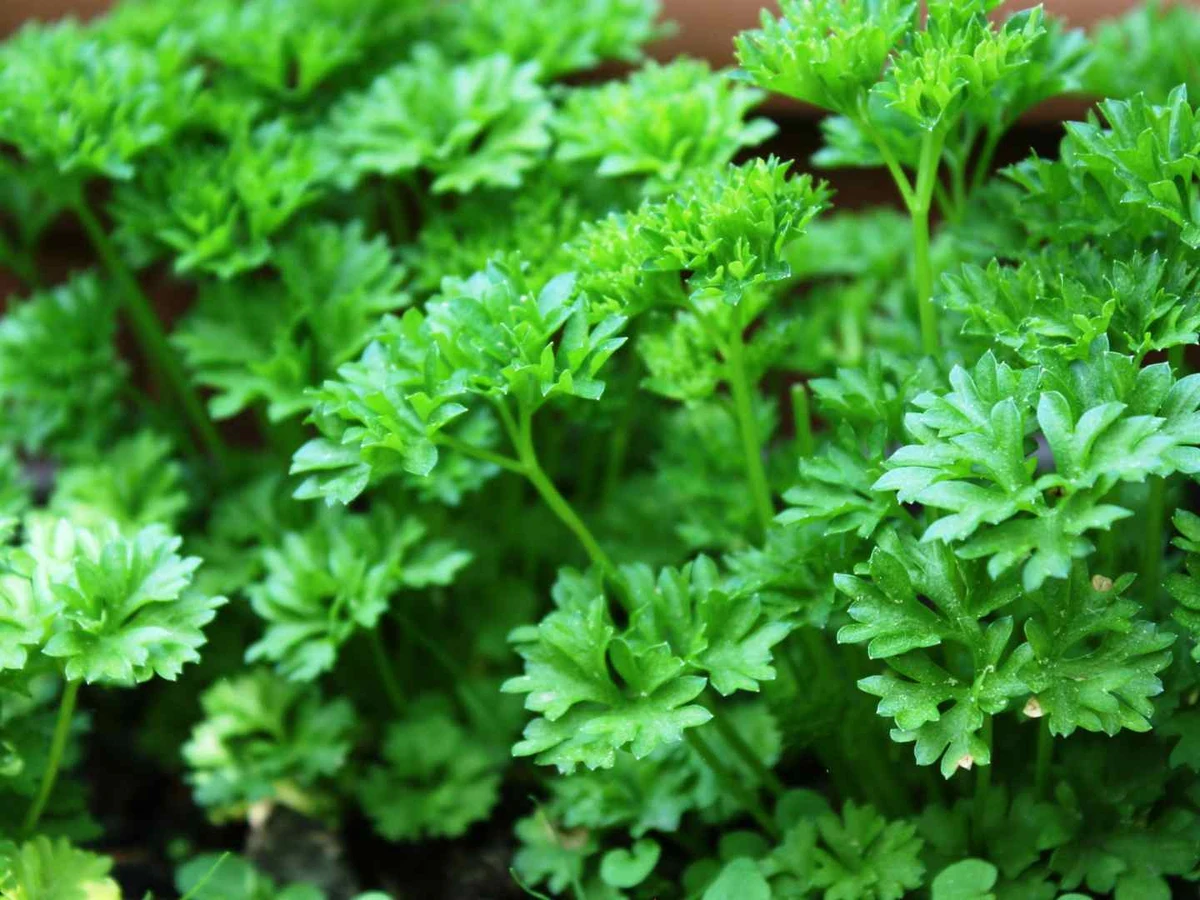
Curly and flat-leaf parsley
Both common culinary forms belong to the same species, but leaf shape affects identification. Flat parsley can look more like cilantro or some hazardous plants when it lacks a package.
Use labeled produce from a reputable source if identification matters. Taste, smell, and a phone image are not reliable enough to clear an outdoor plant.
The live parsley product guide helps distinguish forms, but any canine dose or repeated-feeding claim stays with dogs. Feline evidence must stand on its own.
Phototoxic compounds and dose honesty
Parsley contains furanocoumarin compounds associated with photosensitization at sufficient exposure in susceptible animals. That does not mean one garnish leaf predictably causes a cat’s skin to burn.
Large or repeated intake, concentrated preparations, and an animal with liver or skin disease deserve veterinary advice. Report redness, swelling, skin pain, eye irritation, weakness, or unusual light sensitivity.
Avoid quoting an exact toxic portion when feline data cannot support one. The product, plant part, duration, route, and individual cat all matter.
Essential oil is not chopped herb
Parsley seed oil and essential-oil blends are concentrated chemical mixtures capable of causing serious irritation or systemic illness. Skin contact also becomes ingestion when a cat grooms.
ASPCA’s discussion of essential oils around animals shows why a parsley oil spill belongs in a different risk class from chopped leaves. Call immediately after ingestion, coat contact, diffuser spill, or meaningful inhalation.
Prevent licking and move the cat to fresh air when safe, but do not apply cooking oil or solvent. Follow product-specific decontamination instructions.
Extracts, tinctures, teas, and capsules
Supplements may use leaf, seed, root, juice, extract, alcohol, glycerin, other botanicals, vitamins, or sweeteners. The word parsley on the front does not describe the swallowed dose.
Call with the Supplement Facts panel, concentration, serving size, missing amount, and full inactive-ingredient list. Never scale a human dose down by body weight.
Tinctures may contain ethanol, while gummies can contain active vitamins or drugs. Treat the entire formulation rather than one featured herb.
Garden parsley adds outdoor variables
Fertilizer, pesticide, slug bait, potting material, plant stakes, and plastic labels may pose more risk than the leaf. Photograph the growing area and preserve chemical packaging.
The FDA’s pet pesticide principles reinforce using products exactly as labeled and reporting adverse events. A garden chemical requires its own poison assessment.
Rinse only as a professional directs after chemical contact and prevent grooming. Do not assume organic gardening products are harmless to cats.
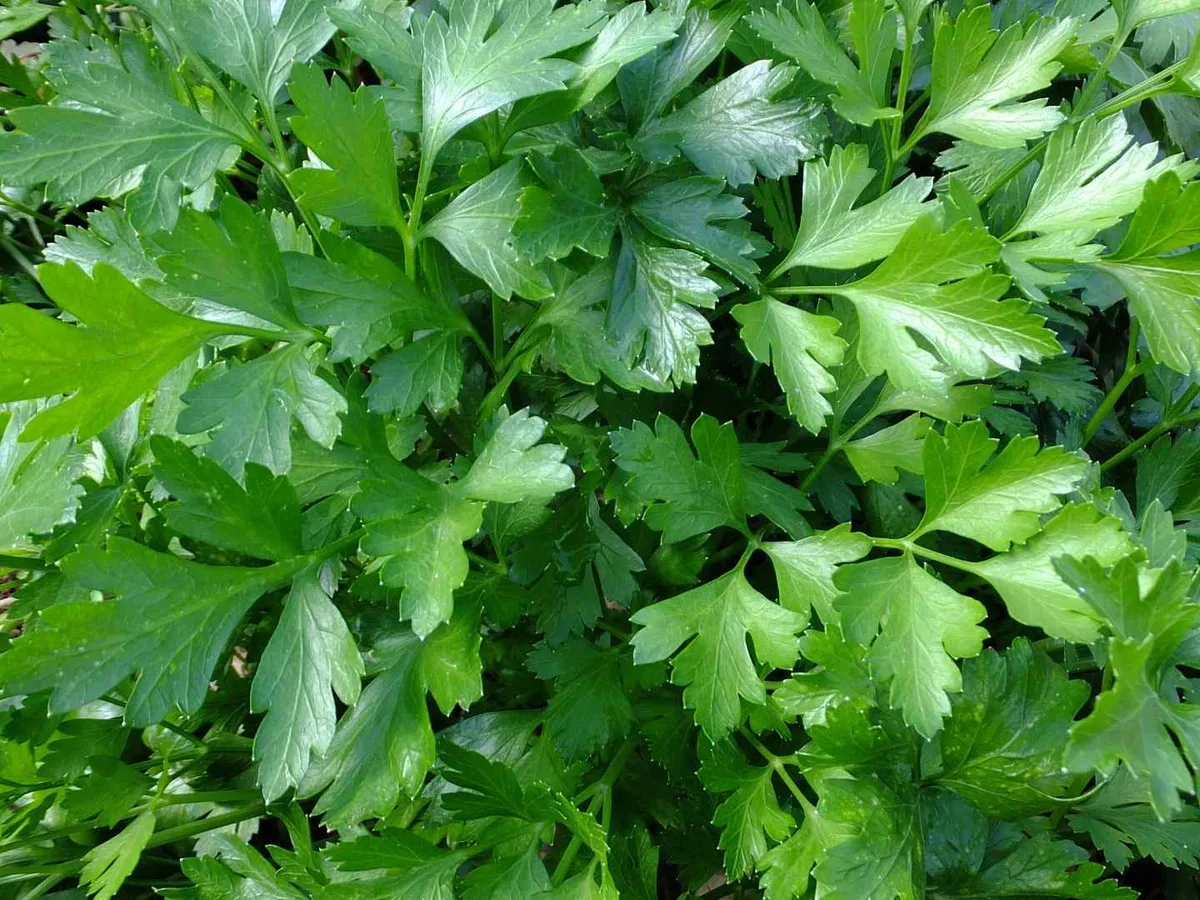
Hemlock and dangerous lookalikes
Poison hemlock can be mistaken for edible members of the carrot family and can cause severe neurologic illness. Wild foraging advice does not belong in a cat feeding plan.
If the plant came from a roadside, field, bouquet, seed mix, or unlabeled garden, contact a veterinarian or poison service with photographs. Save a sample safely without exposing people or other animals.
Tremors, weakness, dilated pupils, abnormal heart rate, seizures, or respiratory distress after an unknown plant is an emergency. Do not wait for botanical certainty.
Parsley in sauces and prepared foods
Tabbouleh, chimichurri, pesto, herb butter, soup, stuffing, and marinades can contain onion, garlic, salt, oil, cheese, raisins, nuts, alcohol, or chili. The parsley may be the least concerning component.
The ASPCA notes feline susceptibility to allium-related red blood cell injury. Call with the whole recipe rather than waiting for pale gums, weakness, or dark urine.
The cat cilantro guide helps when the herb identity is confused. It cannot clear an onion-heavy green sauce.
Breath fresheners and dental claims
Parsley is sometimes marketed for fresher breath, but persistent feline bad breath may reflect dental disease, oral injury, kidney disease, diabetes, or another medical problem. Masking odor can delay care.
Do not rub herbs or essential oil on a cat’s gums. Arrange a veterinary oral examination for drooling, mouth pain, bleeding, difficulty eating, or lasting odor.
Use dental products accepted by the veterinarian and designed for cats. Human mouthwash, gum, and flavored supplements add risks.
Pregnancy, medical diets, and vulnerable cats
Pregnant cats, kittens, seniors, and cats with liver, skin, bleeding, gastrointestinal, or photosensitivity disorders should not receive parsley experiments. Prescription diets also require consistency.
A cat in an elimination trial must avoid unapproved herbs, treats, flavored medicines, and supplements. A garnish can complicate weeks of useful observation.
If appetite is poor, parsley is not a remedy. Feline food refusal deserves timely veterinary attention.
Powder, dried flakes, and inhalation
Dried parsley is more concentrated by weight than fresh leaves and can create dust. Large flakes or powder may irritate the mouth, eyes, or airways.
Move a coughing cat away from the spill without brushing powder into the air. Call for persistent cough, breathing changes, eye pain, repeated vomiting, or a meaningful swallowed amount.
Seasoning jars may also contain garlic salt, onion powder, or mixed herbs. Read every ingredient rather than identifying the green flakes by color.
Storage and prevention
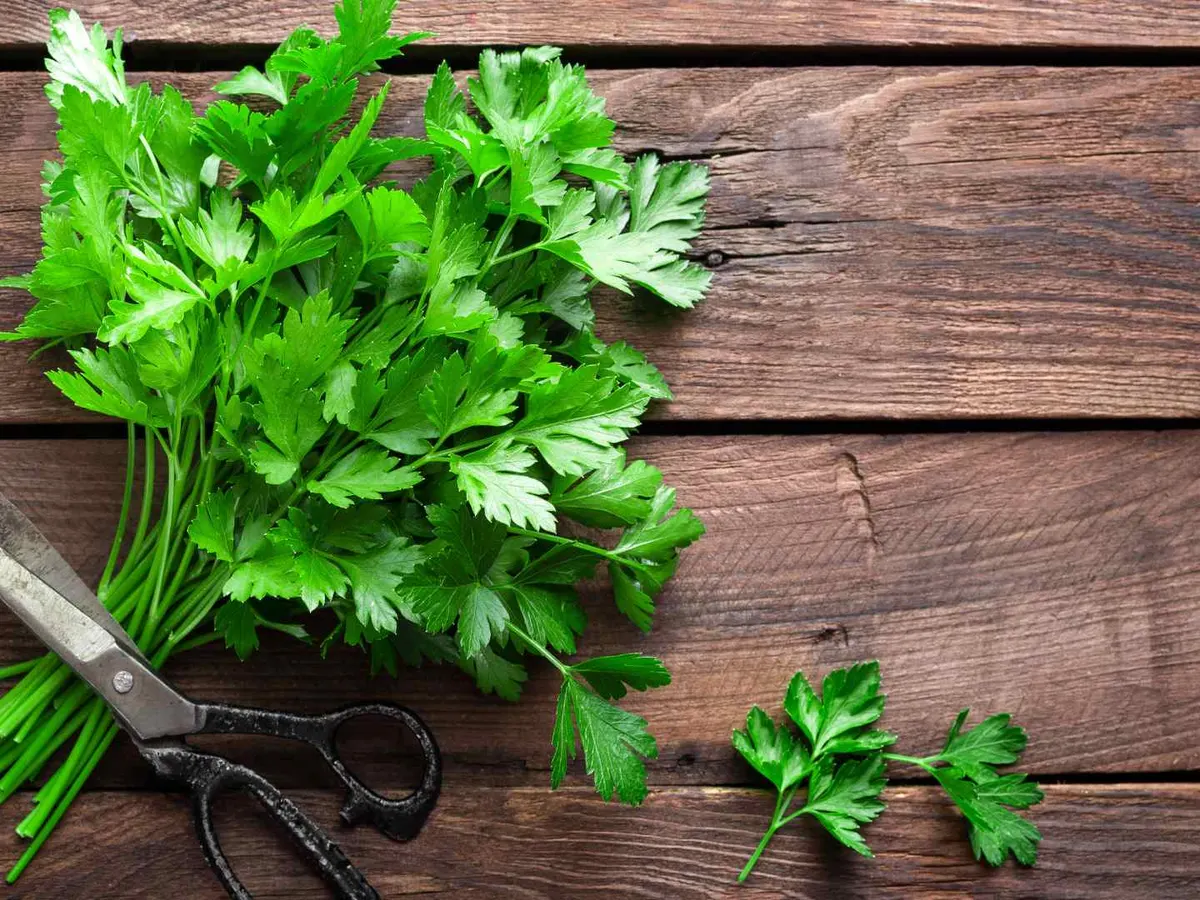
Keep oils and supplements in latched storage, culinary bunches in the refrigerator, and garden chemicals in original containers. Clear stems, twist ties, produce bags, and rubber bands from prep areas.
The FDA pet-hazard guide includes food bags and foreign objects among household risks. A rubber band can matter more than a licked garnish.
After one verified culinary leaf, continue normal meals and water while watching appetite, vomiting, stool, skin, eyes, energy, and breathing. Unknown plants and concentrates require advice rather than home monitoring.
A practical conclusion
Parsley is optional human garnish, not feline medicine. For parsley, the identity and preparation matter first; repetition, concentration, companion ingredients, and garden chemicals complete the risk picture.
Fresh bunches, frozen cubes, and herb paste
Frozen herb cubes can include garlic, onion, oil, salt, cheese, or broth despite looking like chopped parsley. Commercial herb paste may be far more concentrated and complex than one leaf.
Read the current label and keep plastic trays away from cats. A tiny plain thawed fleck is not the same event as chewing a garlic-herb cube.
The cat garlic-powder guide is relevant when dried garlic appears in a blend. Powdered alliums should not be dismissed as minor seasoning.
Bouquets and floral arrangements
Florists may use parsley-like foliage, treated greenery, ribbons, wire, floral foam, preservatives, and toxic companion plants. Do not identify a bouquet leaf as edible garnish from appearance alone.
If a cat chews an arrangement, photograph every plant and the vase additive, then call. Missing ribbon, wire, or foam also creates foreign-object concerns.
Move arrangements to a truly inaccessible room rather than spraying them with essential-oil deterrents. One attempted prevention can create another exposure.
Urinary and kidney marketing
Parsley tea and extract are sometimes promoted as diuretics, but increased urine production is not automatically helpful and can complicate dehydration or kidney disease. Cats with urinary signs need examination.
Straining, frequent box visits, vocalizing, blood in urine, or producing little urine can signal an emergency, especially in males. Do not delay care while trying an herb remedy.
A veterinary plan may include diet, water strategies, pain control, medication, or procedures based on diagnosis. Parsley cannot safely stand in for that work.
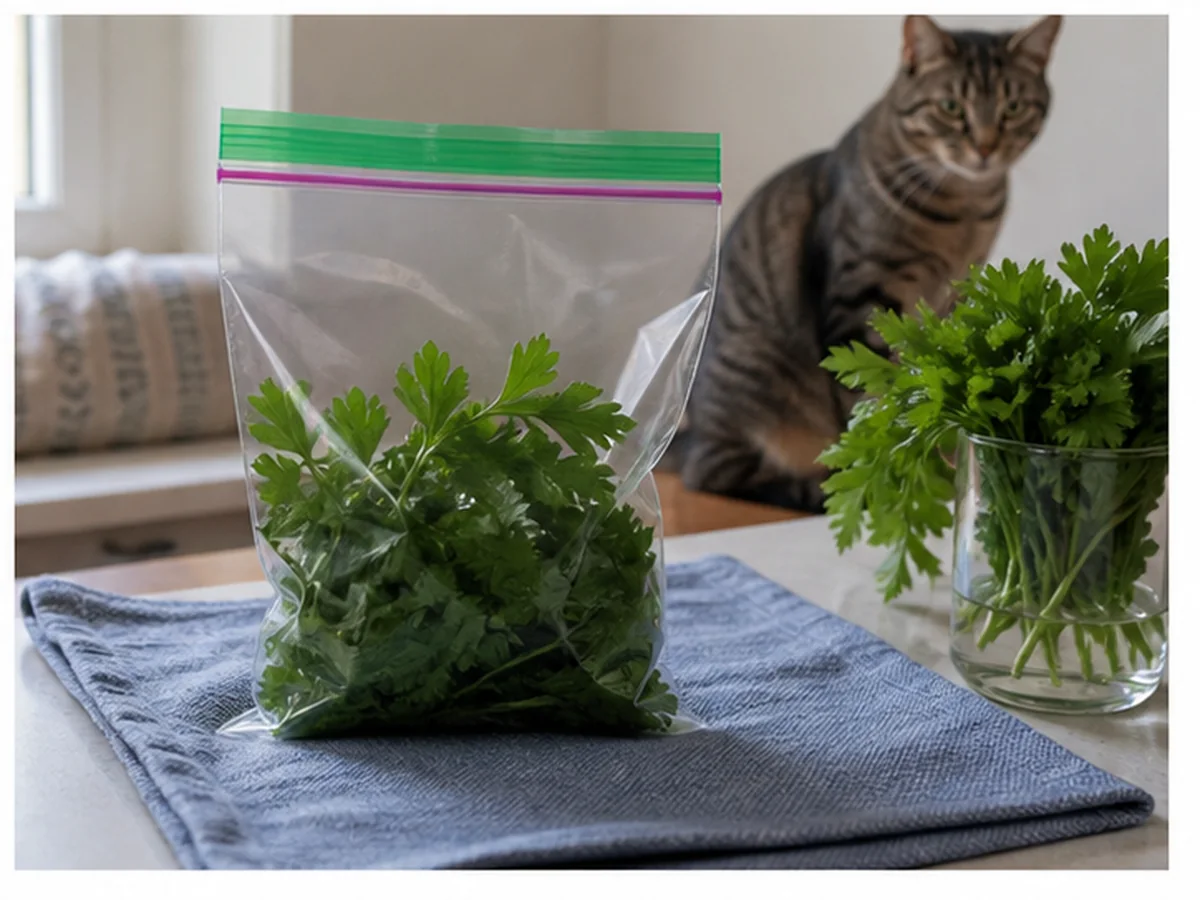
What to document during observation
After a verified garnish leaf, write down appetite, vomiting, stool, energy, skin changes, eye irritation, breathing, and any new medication. A short factual log is more useful than repeatedly waking the cat to check.
Contact the clinic if signs appear or the plant identity becomes uncertain. Keep the package photo even after the cat seems normal.
Household prevention is simple: close the refrigerator, clear cutting boards, and discard produce ties immediately. The best parsley antidote is often a lid.
FAQ
Can cats eat fresh parsley?
One tiny leaf of correctly identified culinary parsley is unlikely to cause serious harm, but it offers no needed benefit and should not be served regularly.
Is parsley essential oil safe for cats?
No casual exposure is appropriate because essential oil is concentrated. Call immediately after ingestion, skin contact, or a spill.
What if I cannot identify the plant?
Treat it as unknown, photograph the whole specimen, and call. Do not use an image search as the final toxicology decision.
Can parsley freshen a cat’s breath?
Do not use it to mask odor. Persistent bad breath needs a veterinary dental and medical assessment.
Bottom line
Parsley is optional human garnish, not feline medicine. Identification, amount, repetition, concentration, mixed ingredients, and chemical exposure determine whether an incident stays minor.