Can Cats Eat Prunes? Pits, Fiber, Sugar, and Products
A tiny piece of plain, pitted prune is not a known feline poison, but it is dense, sticky, sugary, and likely to upset digestion. Pits, choking, large amounts, juice, laxative products, sweeteners, chocolate, and packaging deserve closer attention.
Confirm pit status and product type
Find the package and determine whether the prune was pitted, whole, chopped, juice, puree, supplement, or dessert. Count pits and inspect plastic or freshness packets.
Call for a missing pit, choking, a large amount, an active laxative product, unknown sweetener, repeated vomiting, profound diarrhea, weakness, or collapse.
Do not induce vomiting or administer another laxative. Save the ingredient and Supplement Facts panels.
Plain pitted fruit is not a cat remedy
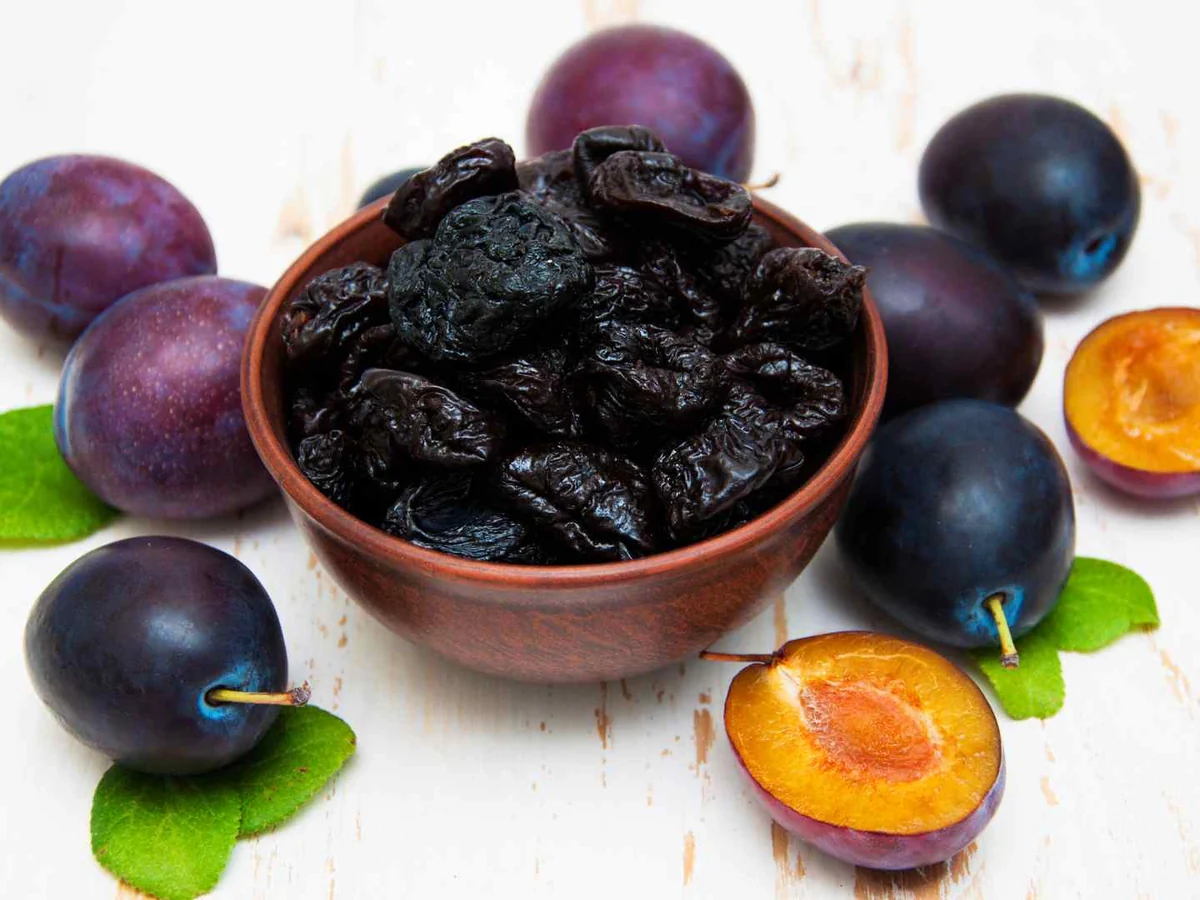
Prunes are dried plums, with concentrated sugar and fiber in a chewy piece. One tiny pitted fragment may pass but offers no needed benefit.
The Cornell Feline Health Center supports complete feline nutrition rather than improvised human remedies.
Do not treat constipation by guessing a prune portion. Obstruction, dehydration, pain, kidney disease, and other causes require diagnosis.
Pit means obstruction and cyanogenic concern
Plum pits can choke or obstruct, and a broken kernel contains cyanogenic material. A whole intact stone and a crushed kernel are different but both need a call.
The Merck cyanide overview describes rapid breathing difficulty, weakness, neurologic signs, and collapse after significant exposure.
Never crush a remaining pit to inspect it. Report whether the missing pit was intact, chewed, or fragmented.
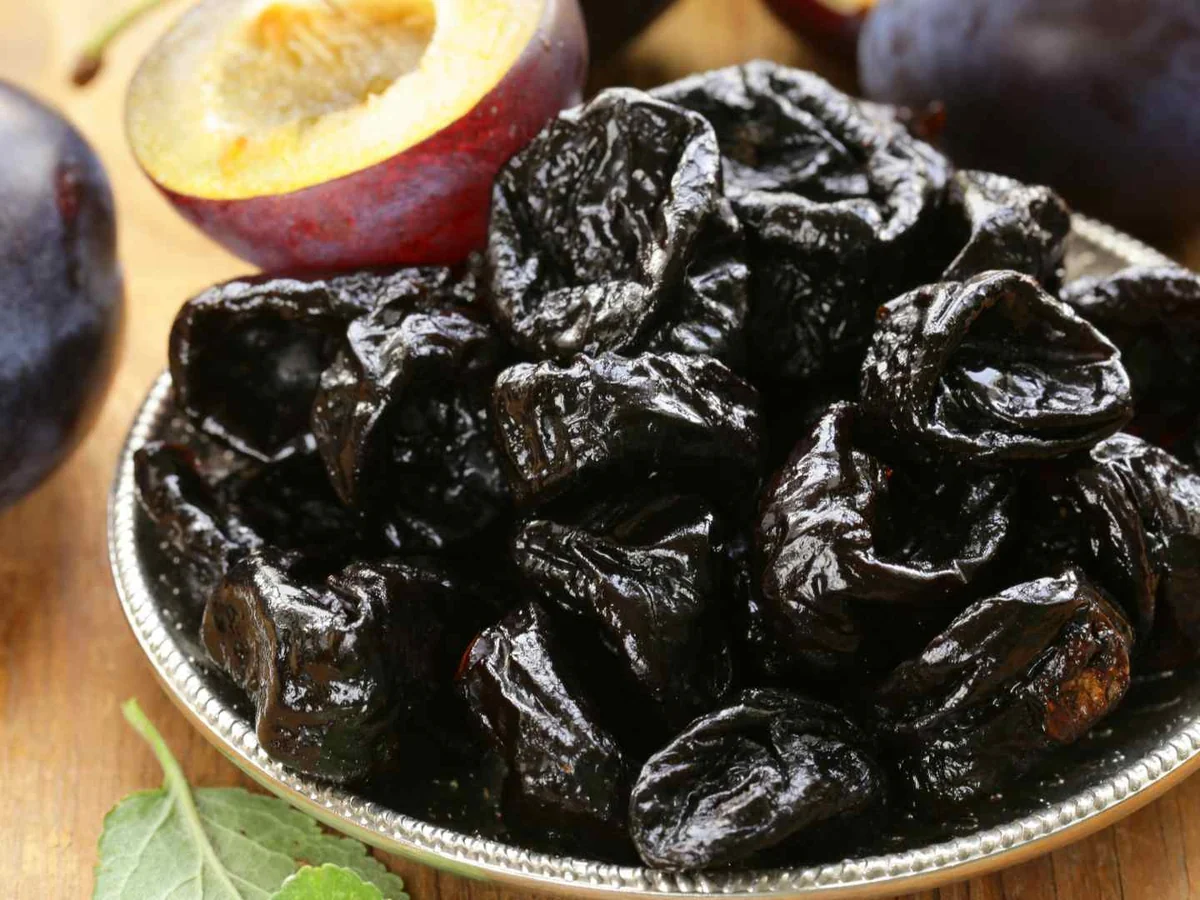
Sticky texture and choking
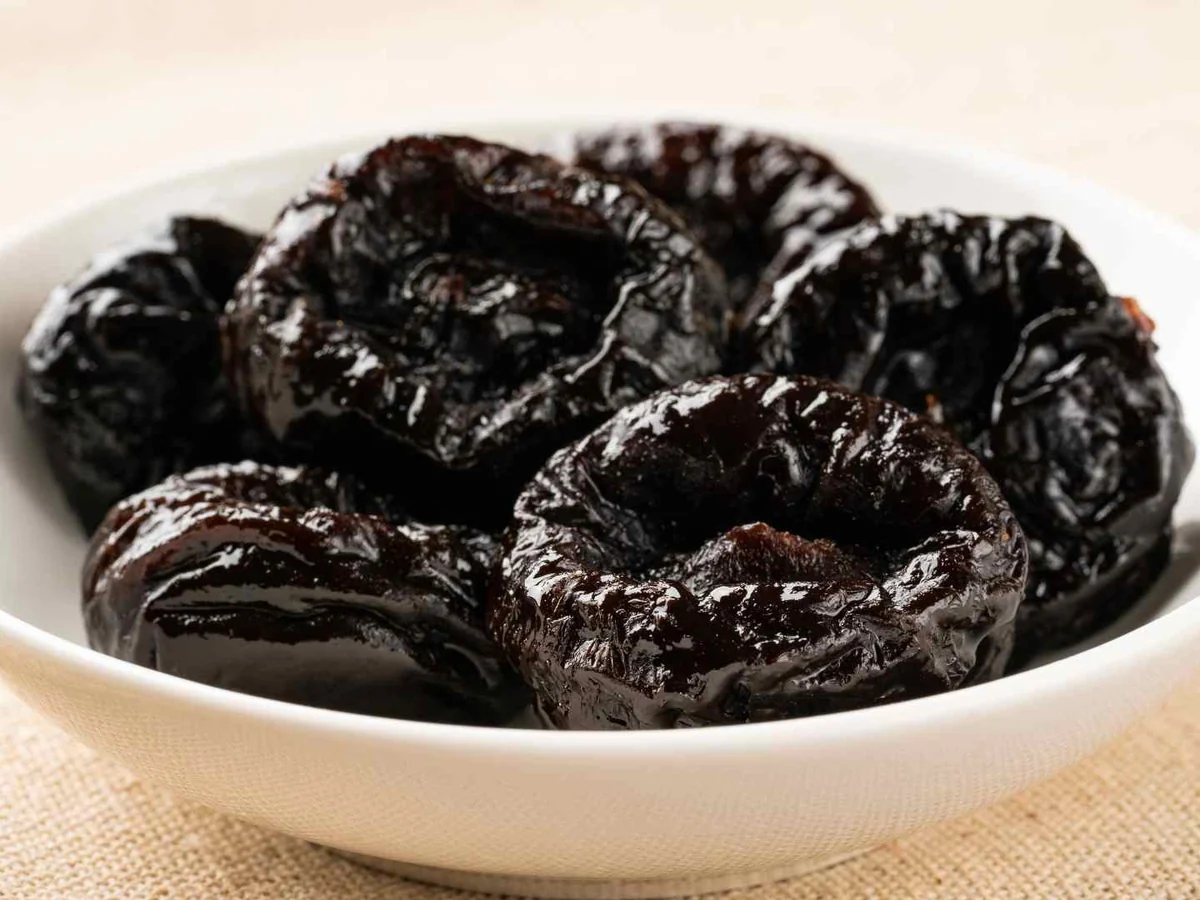
A prune can fold into a dense plug and adhere to teeth or palate. Kittens, seniors, and cats with dental or swallowing disease are especially poor candidates.
Emergency signs include silent gagging, little air movement, blue-gray gums, and collapse. Avoid blind finger sweeps.
Long dried-fruit pieces and prune-filled pastries create similar physical problems.
Fiber can cause more symptoms
Several prunes may lead to diarrhea, cramping, gas, vomiting, and dehydration. Effects vary, so dog portion advice cannot be converted into a feline dose.
Call about a large amount or a cat with bowel, kidney, or hydration problems. Do not give human antidiarrheal medicine afterward.
Monitor litter-box output and appetite, but remember that straining with little stool can indicate obstruction rather than simple constipation.
Sugar and calories
Drying concentrates natural sugar and calories per bite. Prunes are unsuitable for diabetes, obesity, and calorie-controlled diets.
The FDA Nutrition Facts guide helps interpret serving size and added sugar in packaged fruit.
No-sugar-added describes formulation, not a feline recommendation.
Prune juice is not hydration
Juice can deliver sugar and sorbitol quickly and may be blended with apple, grape, supplements, or sweeteners. It should not replace water.
Call after a meaningful amount, severe diarrhea, weakness, or a medically fragile cat. Keep fresh water available without forcing it.
The live prune product guide helps identify forms, but canine reactions and quantities remain canine evidence.
Puree and baby food
Prune puree may be plain or mixed with apple, pear, oat, chia, vitamins, spices, or preservatives. Squeeze-pouch caps are foreign objects.
A lick of plain puree is usually low risk, while a large amount can cause diarrhea. Check every ingredient and account for the cap.
Move puree pouches into closed storage before a cat can puncture them. Sticky film and foil retain food scent.
Sugar-free and active products
Prune gummies, fiber chews, teas, and supplements may contain magnesium, senna, vitamins, sugar alcohols, or other active ingredients.
Call with strength and missing count. Xylitol’s severe dog effects should not be stated as proven in cats, though an unknown product still needs review.
Never shrink a human serving by body weight to create a cat dose.
Chocolate, bacon, and stuffed prunes
Chocolate-covered prunes introduce methylxanthines, while bacon-wrapped pieces add sodium, fat, spice, and toothpicks.
The cat chocolate guide helps collect cocoa type, amount, time, and weight. Count every decorative pick.
Cheese- or nut-filled fruit also becomes a mixed-food exposure rather than plain prune.
Mold, fermentation, and storage
Dried fruit can mold when stored damp or beyond directions. Some mold toxins cause tremors, poor coordination, or seizures.
Discard musty, leaking, fuzzy, or questionable fruit securely. Do not rinse mold away.
Check desiccant packets and bag fragments whenever a package is raided.
Monitoring a tiny pitted fragment
Continue normal food and water while watching appetite, vomiting, diarrhea, straining, energy, and hydration. Do not give another prune to test effect.
Call for persistent diarrhea, pain, weakness, food refusal, or uncertain pit status. A missing pit never belongs in home observation alone.
One tiny pitted piece may stay uneventful, but pits, dense texture, fiber, sugar, active products, mixed foods, and packaging make prunes poor cat treats.
Prune pastries
Danish, cake, cookies, and filled bread add butter, raw dough, nuts, chocolate, sugar, and wrappers.
A visible prune does not clear the bakery recipe.
Count paper cups, foil, and decorative picks after a theft.
Prunes in savory dishes
Stuffing, tagines, and meat stews may contain onion, garlic, broth, bones, raisins, and spices.
The cat cooked-onion guide applies because cooking does not remove allium concern.
Report the full dish rather than one dried fruit.
Dog evidence boundary
Dogs may be discussed more often in prune resources, but canine digestive observations do not create a feline dose.
Cats differ in body size, metabolism, disease, and exposure patterns.
Use case-specific veterinary advice and state uncertainty openly.
Prune pits in processing
Commercial pitted fruit can rarely contain fragments or a missed stone.
Inspect remaining pieces and report any hard fragment the cat chewed.
Dental injury, gagging, vomiting, or a missing pit requires prompt care.
Dehydration after diarrhea
Repeated loose stool can dehydrate a cat, especially a kitten, senior, or kidney patient.
Watch gum moisture, energy, water intake, and urine while seeking advice.
Do not force oral fluid into a nauseated or weak cat.
Packages and sticky film
Prune bags, cup lids, pouch caps, twist ties, and desiccants retain fruit scent.
Call whenever material is missing and watch for obstruction signs.
The FDA household hazard overview supports securing food packaging.
Prevention
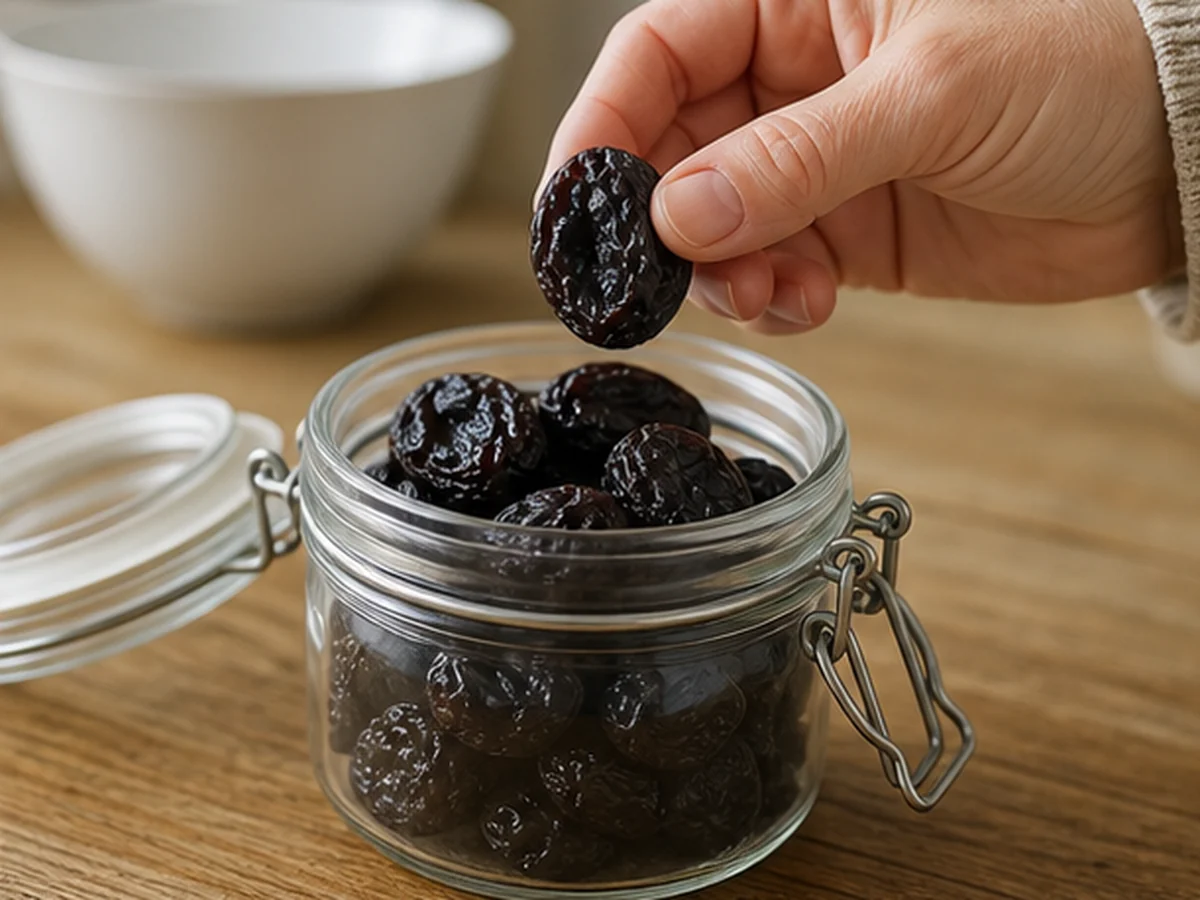
Store dried fruit behind a latch and move pits directly to lidded trash.
Keep supplement chews with medicines, not ordinary snacks.
Offer approved wet food or a veterinary fiber plan when bowel support is needed.
Chocolate-prune gift boxes can hide multiple fillings beneath identical coatings.
A product map helps identify which piece disappeared.
Prune concentrate is stronger than ordinary juice by volume.
Laxative blends may combine prune with senna or magnesium.
Severe diarrhea can disturb hydration and electrolyte balance.
Kittens and senior cats can deteriorate faster after fluid loss.
Prune puree on fur should be wiped away before grooming.
Do not use essential oil or solvent on sticky fruit.
A hard pit fragment can crack a tooth.
Drooling or sudden refusal of kibble warrants an oral examination.
Pitted labeling reduces but does not eliminate the need to inspect fruit.
Some mixed dried-fruit bags include raisins or currants.
Feline uncertainty about grapes is not evidence of safety.
Report every fruit in a trail mix separately.
Prune-flavored yogurt adds dairy and sweeteners.
Prescription diets should not be modified with human fruit.
Secure pantry bags behind a door rather than relying on a zipper seal.
Prune juice mixed into a human medication or bowel preparation is not ordinary beverage. The active prescription, dose, and patient’s cup all need identification, and a cat that drinks from it requires immediate advice with the product in hand.
Dried plums sold with chili, tamarind, salt, or sour coating can irritate the mouth and increase sodium exposure. Wipe powder from paws with a damp cloth and call for coughing, eye pain, persistent drooling, or repeated vomiting.
A fruit pit found in vomit should be saved in a sealed bag if the clinic requests it. Do not assume the danger has passed, because fragments may remain and aspiration or gastrointestinal injury may already have occurred.
Prune compote can ferment during storage and may contain wine, citrus peel, cinnamon, cloves, or raisins. A spoonful from an old jar therefore needs recipe and storage review, not a simple dried-fruit answer.
Cats with megacolon or chronic constipation often need a carefully adjusted combination of hydration, diet, medication, and monitoring. Adding prunes can produce diarrhea without solving retained stool, and it may make the medical picture harder to interpret.
A veterinarian may ask about stool frequency, shape, straining, urine output, vomiting, and appetite. Write those observations down before the call rather than relying on a general impression that the litter box looked unusual.
Keep dried-fruit gifts and snack assortments in rigid containers. Thin cellophane, ribbons, and paper cups are easy for a cat to carry away and can become foreign objects after the sweet residue is gone.
If the original package is unavailable, photograph an identical product shelf label or receipt only as supporting information; uncertain ingredients should remain uncertain in the veterinary history.
FAQ
Can cats eat a pitted prune?
One tiny plain piece is not a known poison, but digestive upset and choking are possible, so do not offer it.
Will prunes help cat constipation?
Do not use them without veterinary guidance because constipation has many causes and dense fruit can complicate obstruction.
What if my cat ate a prune pit?
Contact a veterinarian at once: a prune stone may lodge physically, while a chewed kernel introduces cyanogenic compounds.
Can cats drink prune juice?
Do not offer it. Juice is sugary, may act as a laxative, and can contain other ingredients.
Bottom line
One tiny pitted piece may stay uneventful, but pits, dense texture, fiber, sugar, active products, mixed foods, and packaging make prunes poor cat treats.