Can Cats Eat Pumpkin Puree? Plain Cans, Fiber, and Pie Mix
Plain cooked pumpkin puree can be used in some veterinarian-directed cat feeding plans, but it is not a universal constipation or diarrhea remedy. Pie filling, sweeteners, spices, large portions, spoiled cans, sharp lids, homemade recipes, and the reason for adding fiber all matter.
Read the front and the ingredient panel
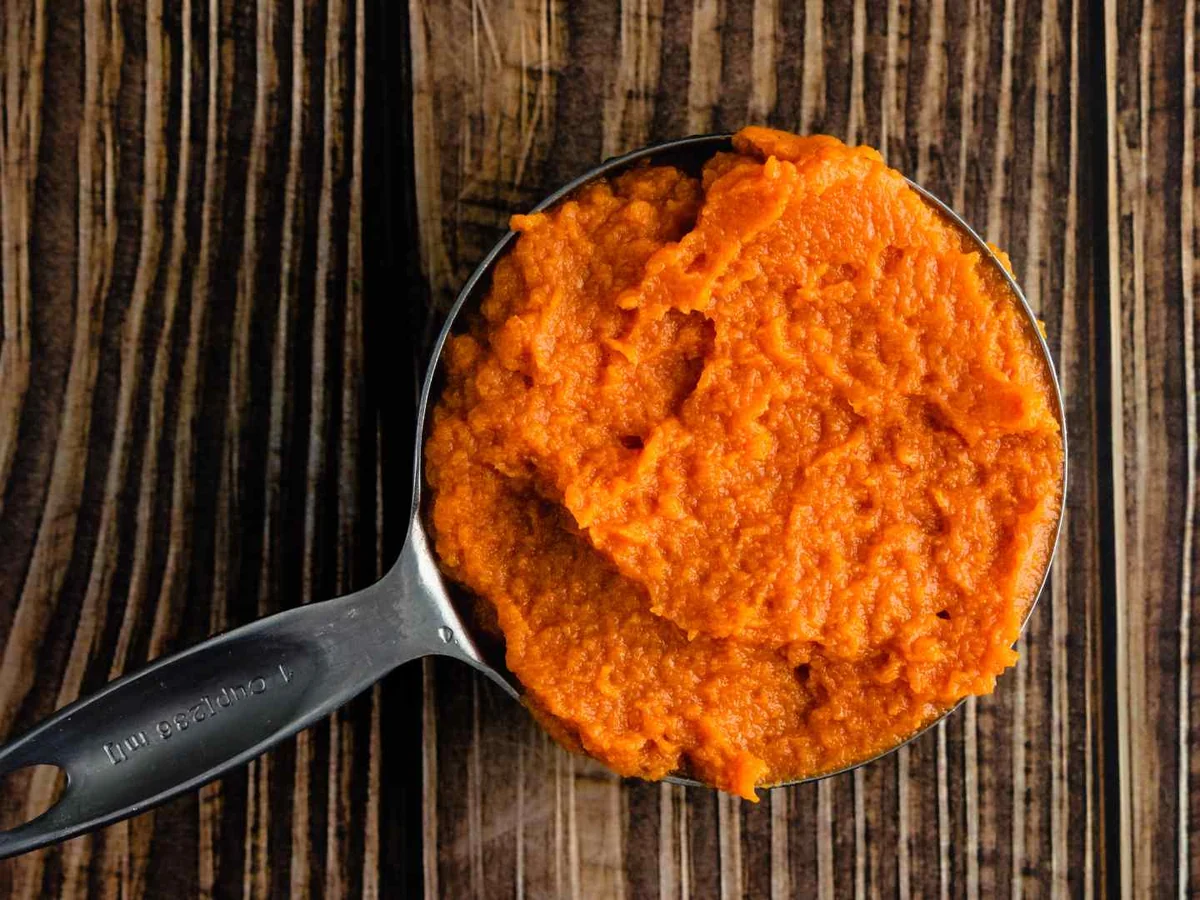
A can labeled 100% pumpkin should list pumpkin without sugar, spice, dairy, or sweetener. Pumpkin pie mix is a dessert ingredient and is not interchangeable.
Save the can, photograph the ingredient list, and note the amount and time. Check whether the cat also chewed the lid, plastic cap, or pouch.
Call for pie mix, unusual sweeteners, mold, a swollen or leaking can, sharp-metal exposure, repeated vomiting, severe diarrhea, weakness, collapse, or food refusal.
Plain puree can be appropriate only in context
Pumpkin supplies soluble and insoluble fiber plus moisture, but the useful amount depends on the cat, diet, diagnosis, and treatment goal. More is not automatically better.
Cornell’s feline feeding resource supports keeping puree subordinate to a nutritionally complete diet. Puree cannot replace balanced food.
Ask the veterinarian whether pumpkin fits the current diet and how much to use. A cat that does not need added fiber gains no health halo from orange vegetables.
Constipation needs a cause, not a spoonful
Straining can reflect dehydration, painful stool, pelvic narrowing, megacolon, medication effects, kidney disease, or a urinary emergency. Pumpkin cannot distinguish them.
A male cat repeatedly visiting the box and producing little urine may be blocked and needs immediate care. Do not assume every squat is constipation.
Veterinary treatment may involve hydration, imaging, enemas, medication, diet, or procedures. Never administer a human enema at home.
Diarrhea is not one disease
Fiber can change stool consistency, but diarrhea may result from infection, parasites, food change, toxins, inflammatory disease, medication, or systemic illness.
Adding puree can complicate the picture or worsen stool in some cats. Kittens, seniors, and cats with kidney disease can dehydrate quickly.
Call for blood, black stool, repeated vomiting, weakness, pain, feverish behavior, dehydration, or diarrhea that persists. Bring a stool sample if requested.
Pie filling and pie mix
Prepared filling may contain sugar, nutmeg, cinnamon, ginger, cloves, dairy, thickeners, and sweeteners. It should not be served to cats.
The cat pumpkin-pie guide separates baked dessert, raw filling, spice, crust, and packaging concerns.
A tiny lick may only upset the stomach, while direct nutmeg, specialty sweetener, alcohol, chocolate, or a large amount deserves prompt advice.
Fresh pumpkin and homemade puree
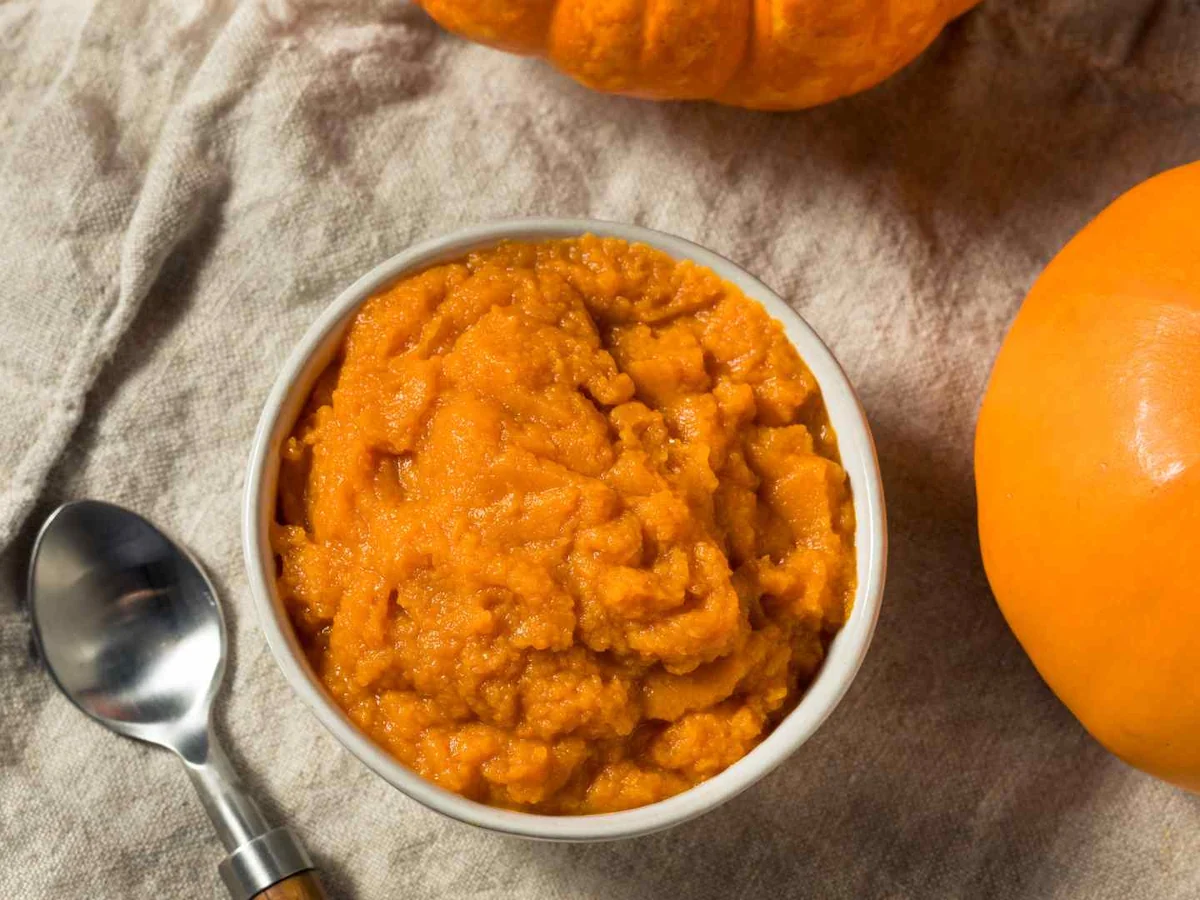
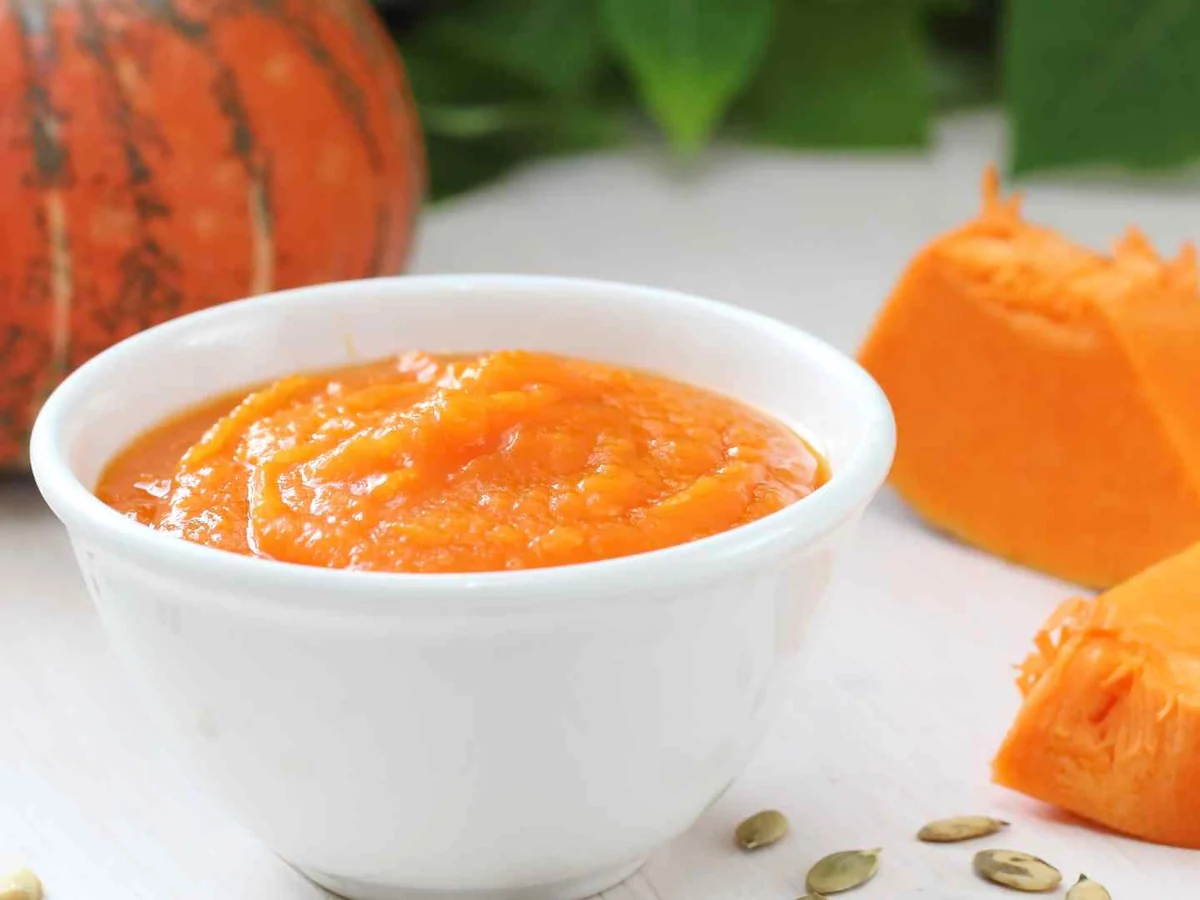
Use sound pumpkin flesh cooked plain if a veterinarian approves homemade puree. Remove rind, stem, stringy material, and every seed before blending.
Do not include butter, salt, broth, onion, garlic, milk, or spice. Homemade puree does not become a complete cat food.
The live pumpkin-puree product guide helps identify forms, but dog portions do not define feline fiber dosing.
Baby food and pouches
Pumpkin baby food may be plain or blended with apple, carrot, prune, cinnamon, grain, dairy, vitamins, or preservatives. Read every ingredient.
Pouch caps and foil seals are choking or obstruction hazards. Do not let a cat chew the container after licking the puree.
A plain lick is generally low risk, but supplement-like blends and missing package parts need product-specific advice.
Fiber supplements and powders
Pumpkin powder removes water and concentrates fiber by weight. Gummies and chews may add active ingredients, sugar alcohols, vitamins, or herbs.
Never substitute powder spoon-for-spoon for canned puree. Call with the Supplement Facts panel after an unplanned ingestion.
Human serving directions do not create a feline dose. Use only the formulation and amount approved for the cat.
Calories and balanced meals
Plain puree is not calorie-free, and generous additions can dilute protein, taurine, vitamins, and minerals in the total meal. Kittens are particularly dependent on nutrient density.
A cat losing weight or eating poorly needs an examination rather than increasingly elaborate toppers. Prolonged under-eating can become dangerous.
Count veterinarian-approved pumpkin within extras and prepare only enough for the planned course. Do not leave a communal bowl for free feeding.
Diabetes and prescription diets
Pumpkin contains carbohydrate and can change the calorie and fiber profile of diabetic management. It may also conflict with kidney, urinary, allergy, or gastrointestinal diets.
Ask the prescribing veterinarian before adding it to medication meals. Consistency matters when insulin or stool response is being adjusted.
A no-sugar-added label does not mean carbohydrate-free or medically appropriate. Judge the complete feeding plan.
Opening cans safely
Can lids and pull tabs can cut tongues, paws, and hands. Move the lid immediately into a rigid, lidded trash container.
A cat licking the rim may slice its mouth even when the puree is plain. Bleeding, drooling, mouth pain, or inability to eat needs care.
The FDA household pet-hazard guide supports securing sharp and swallowable kitchen items.
Swollen, leaking, or damaged cans
A bulging, spurting, badly dented, rusted-through, or leaking can may signal contamination. Do not taste its contents or feed them to a pet.
Bag the product safely, follow public-health disposal directions, and note lot information. Severe weakness, neurologic signs, repeated vomiting, or breathing difficulty is urgent.
Washing or cooking questionable puree does not make it suitable. Replace the can rather than testing it on the cat.
Refrigeration and freezing
Transfer unused puree to a clean covered container and refrigerate according to food-safety guidance. Do not store leftovers in an opened sharp-edged can.
Small frozen portions can reduce waste, but thaw them safely and label the date. A frozen cube is a tooth and choking hazard until softened.
Discard sour, fizzy, moldy, slimy, or questionable puree. Reheating does not erase every spoilage risk.
Mixing into meals
Blend an approved measured amount evenly into food rather than leaving a dense lump the cat can eat separately. Confirm the full meal is consumed when medication is involved.
Do not hide an entire tablet in orange puree and assume it disappeared. Check the bowl and contact the prescriber before redosing.
Sudden food changes can cause gastrointestinal upset, so follow the veterinarian’s transition plan. Keep other treats stable during evaluation.
Puree on fur and household surfaces
Wipe a small smear from fur with a water-dampened cloth before grooming increases ingestion. Avoid scented cleaners or essential oils on the coat.
Sticky puree can conceal a sharp foil fragment, so inspect paws and whiskers after a pouch raid. Seek help for eye contact or a deep mat.
Clean counters and seal trash because cats often return after the visible food is gone. The empty can remains fragrant.
What to track during a fiber trial
Record portion, complete diet, water intake, stool frequency, stool form, straining, vomiting, appetite, and medication. A dated log helps the veterinarian adjust one variable at a time.
Report worsening constipation, diarrhea, pain, blood, lethargy, or food refusal. Do not keep escalating pumpkin while waiting for improvement.
Veterinary advice may change as the cat responds. A dose that was suitable during one episode is not permanent permission.
Kittens, seniors, and complex disease
Kittens should not have balanced growth food diluted with casual puree. Seniors may have constipation from disease that deserves testing.
Cats with swallowing disorders can aspirate thin mixtures, while cats with dental pain may stop eating for reasons fiber cannot solve.
Ask before using pumpkin in pregnancy, cancer, liver disease, kidney disease, or after gastrointestinal surgery. Individual context outweighs internet routine.
After an accidental plain lick
One small lick of sound 100% pumpkin usually requires normal meals, water, and observation. Watch appetite, vomiting, stool, energy, and swallowing.
Call if signs repeat, worsen, or include pain, weakness, dehydration, or refusal to eat. Any sharp lid, spoilage, or pie mix changes the response.
Plain puree can be useful only when it fits a veterinary plan; labels, diagnosis, portion, meal balance, storage, and packaging decide whether it helps or complicates care.
Pumpkin puree sold for pets still needs a complete label because some pouches combine pumpkin with apple, ginger, probiotics, fiber blends, or other active ingredients. Pet marketing does not remove the need for case-specific dosing.
The cat canned-pumpkin guide offers additional can and formulation context when that live product is available. The exact can in hand remains the primary evidence.
The FDA kitchen food-safety overview supports clean hands, surfaces, storage, and separation. These basics matter when puree is portioned across several days.
Pumpkin combined with psyllium, inulin, beet pulp, or another fiber is not equivalent to plain puree. Multiple fibers can change stool and medication absorption in ways that require veterinary planning.
If a cat vomits shortly after a medicated pumpkin meal, do not automatically redose the medicine. Contact the prescriber with timing and whether the tablet or liquid is visible.
A kitchen scale can make portions repeatable during a supervised fiber trial. Household spoonfuls vary, especially when puree is heaped, frozen, or watery.
Water separated in a stored container can be stirred back into sound puree, but unexpected gas, swelling, fizz, or sour odor is a discard signal. Do not let the cat perform freshness testing.
Pumpkin-stained stool can change color, yet blood, black tarry stool, or pain should never be explained away by the food. Photograph unusual output if the clinic requests it.
FAQ
Can cats eat plain canned pumpkin?
Some cats can have a veterinarian-approved measured amount of 100% pumpkin, but it is not automatically useful for every cat.
Is pumpkin good for constipation?
Sometimes fiber is part of a plan, but straining needs diagnosis because urinary blockage and obstruction can look similar.
Is pumpkin pie filling safe?
No. It may contain sugar, spices, dairy, and sweeteners and is different from plain puree.
How should leftover puree be stored?
Use a clean covered container, refrigerate promptly, label the date, and discard any spoiled or questionable portion.
Bottom line
Plain puree can be useful only when it fits a veterinary plan; labels, diagnosis, portion, meal balance, storage, and packaging decide whether it helps or complicates care.