Can Cats Eat Raw Beef? Bacteria, Parasites, Cross-Contamination, and Diet Myths
Raw beef is not a risk-free cat food. Steak, mince, organs, mechanically tenderized cuts, bones, wild game, unpasteurized additions, storage temperature, bacterial contamination, parasites, nutritional imbalance, household spread, and packaging all matter, while current H5N1 concerns should be tied to actual source evidence rather than pasted onto every beef exposure.
Raw beef is a family of products
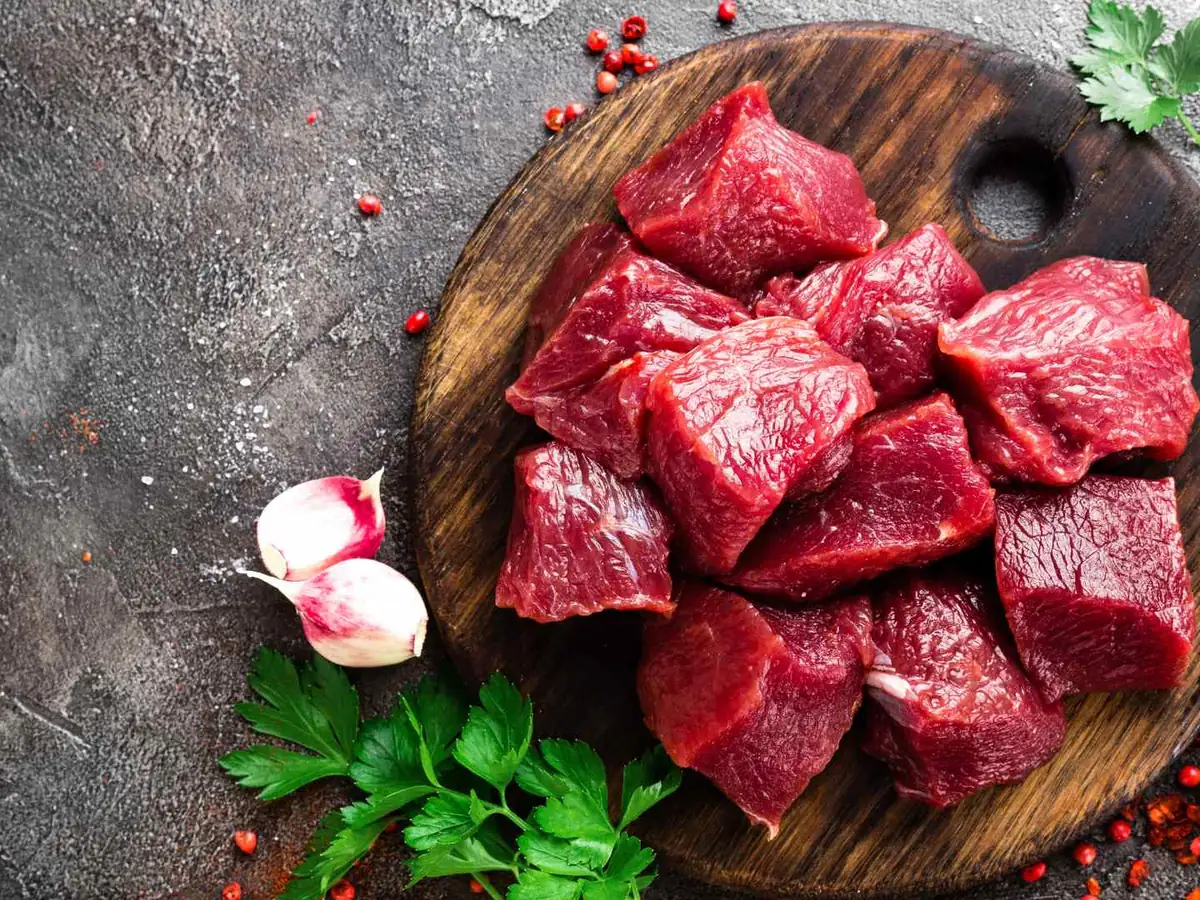
An intact supermarket steak has a different contamination pattern from ground beef, where surface organisms can be mixed throughout. Cubed stew meat, shaved beef, organs, marrow bones, pet rolls, and home-ground blends each require their own handling details.
A small counter theft does not prove a raw diet is safe, and a bowl of mince is not equivalent to one lick. Record product, source, cut, preparation, weight, and temperature history.
Do not use bright red color, odor, grass-fed claims, organic labels, or butcher freshness as a microbial test. Dangerous contamination can be invisible.
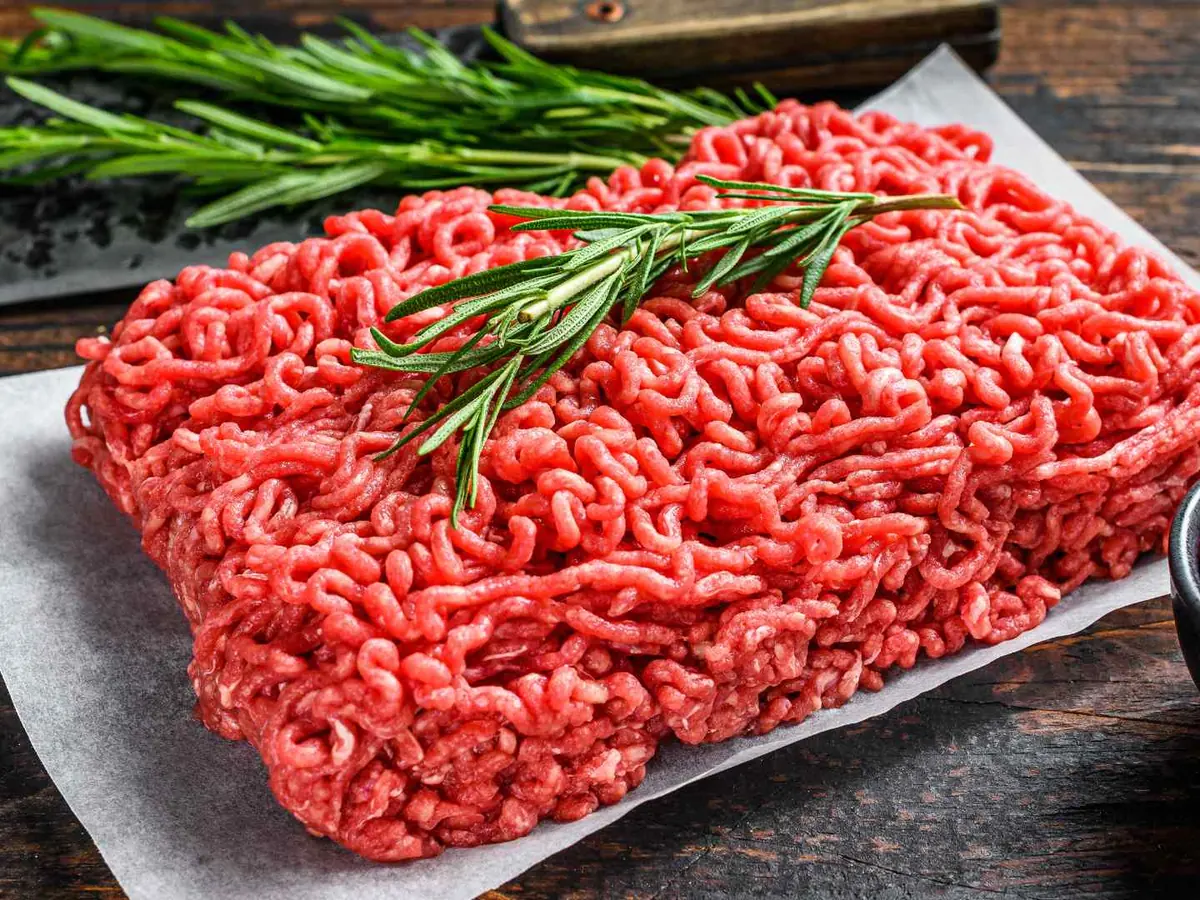
Ground beef deserves extra respect
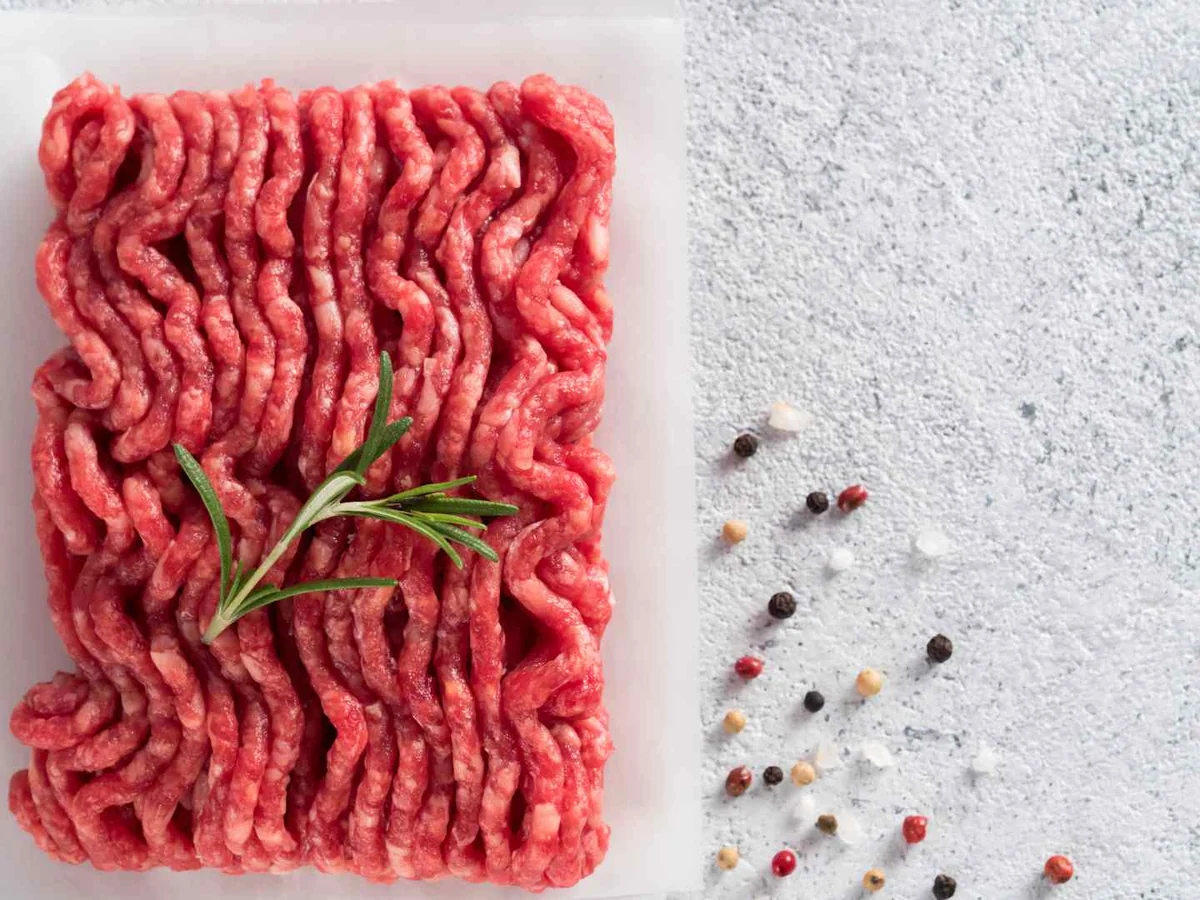
Grinding increases surface area and distributes contamination through the batch, so searing the outside does not fully cook a burger or mince portion. Grinding equipment can also connect material from multiple cuts or animals.
The CDC explains that certain E. coli can cause serious illness and food is one transmission route. Cats can have gastrointestinal illness or carry organisms into the home environment.
Raw hamburger mixed with egg, onion, garlic, seasoning, or breadcrumbs introduces additional hazards. Ask whether the bowl held plain beef or an unfinished recipe.
Household exposure continues after swallowing
A cat that eats raw beef may lick people, groom on bedding, walk across counters, vomit, or shed organisms in feces. Litter scoops and tracked granules can become part of a food-safety problem.
Wash hands after dishes and litter, keep food-preparation equipment separate, and protect children, older adults, pregnant people, and immunocompromised household members. Do not let the cat lick faces or open wounds after a raid.
The FDA discusses risks associated with raw pet-food diets, including contamination concerns for animals and people. A commercial raw label does not erase that pathway.
Parasites depend on source and handling
Beef can carry parasites in relevant circumstances, and risk changes with geographic origin, farm practices, wildlife exposure, organ type, and processing. Household freezing is not a universal guarantee.
Wild bovids, roadkill, home slaughter, and unknown farm scraps require clearer source reporting than sealed inspected retail beef. Do not turn a hunter’s freezer into a feline tasting menu.
Diarrhea, vomiting, poor appetite, weight loss, feverish behavior, or lethargy after raw exposure warrants veterinary discussion. Testing and treatment should be guided by the likely organism, not a generic dewormer.
Keep H5N1 claims sourced and specific
Highly pathogenic avian influenza concerns in cats have centered on exposures such as infected birds, unpasteurized milk, and contaminated raw animal products in documented events. That does not support declaring ordinary beef muscle a proven H5N1 hazard without source evidence.
The CDC maintains current information on H5 bird flu, affected animals, and exposure prevention. Check contemporary official guidance when a product is linked to dairy cattle, raw milk, a recall, or an outbreak.
Do not use this evidence boundary to excuse raw feeding generally. Bacterial, parasitic, nutritional, and cross-contamination risks remain even when H5N1 is not the relevant concern.
Organs are concentrated foods
Raw liver, kidney, heart, tripe, and other organs differ in nutrients, texture, microbial exposure, and serving size. Liver in repeated excess can disturb vitamin balance, while muscle meat alone is incomplete for other reasons.
Do not assemble a diet from online prey percentages without formulation for the individual cat. Nutrient requirements, ingredient analysis, bone content, supplements, and life stage must align.
The FDA explains complete-and-balanced labeling for pet foods. “High protein” and “ancestral” do not substitute for nutritional adequacy.
Bones and marrow create mechanical hazards
Raw beef bones can break teeth, choke, lodge, obstruct, or perforate, and their surface can carry pathogens. Large bones are not safe merely because a cat cannot swallow them whole.
Marrow is calorie-dense fat that can trigger digestive upset after a determined licking session. Saw-cut edges may be sharp and bone dust can contaminate surfaces.
Gagging, drooling, repeated swallowing, broken teeth, blood, vomiting, abdominal pain, reduced stool, or food refusal after bone access needs prompt assessment. Do not induce vomiting or push food behind a fragment.
Steak tartare and carpaccio are recipes
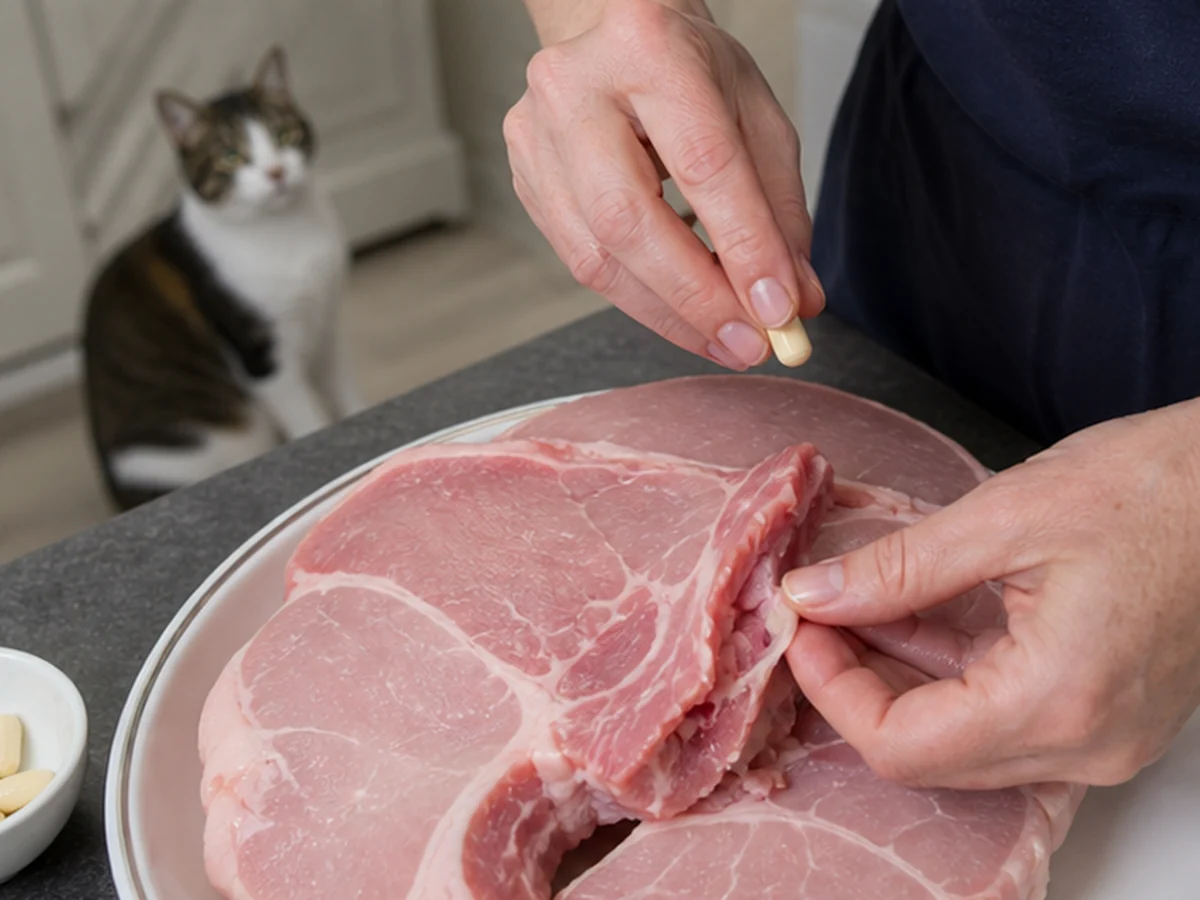
Tartare may include raw egg, capers, onion, mustard, Worcestershire sauce, salt, pepper, and alcohol, while carpaccio can add cheese, oil, lemon, and greens. Restaurant plating does not make raw meat plain.
Skewers, cocktail picks, plastic film, absorbent pads, and broken dishes can disappear during the same theft. Count equipment before clearing the scene.
If onion or garlic was present, call despite an initially normal cat because red-blood-cell effects can be delayed. Save the recipe and takeout label.
Thawing practices change contamination
Room-temperature thawing gives microbes time to multiply on the surface, while leaking packages spread juice through the refrigerator. Thaw meat in a contained way according to official food-safety instructions.
The USDA provides safe handling and cooking guidance for beef. Wash hands and tools, but do not wash raw beef because splashing can spread contamination.
Discard meat with unsafe time-temperature history rather than cooking it for the cat to avoid waste. Heat may not reverse every spoilage problem.
Packages smell edible after the meat is gone
Foam trays, absorbent pads, plastic overwrap, butcher paper, string, clips, labels, and oxygen-control packets can retain blood and fat. A cat may eat them after ignoring the steak.
Inventory each layer and photograph any punctured pad or missing section. Persistent vomiting, pain, poor appetite, or reduced stool after film disappears requires veterinary attention.
Use gloves or a barrier to bag contaminated remains if advised, then disinfect the contact area appropriately. Keep other pets away until cleanup is complete.
Safer meat sharing
When a veterinarian approves beef as an occasional treat, offer a tiny fully cooked, plain, boneless, lean piece cooled to eating temperature. This reduces microbial risk but does not turn treats into a complete diet.
Avoid salt, onion, garlic, butter, oil, sauce, smoke, char, and meat tenderizer. The cat chicken guide provides a second cooked-meat option with its own bone and raw-handling cautions.
Cats with food allergy trials, obesity, kidney disease, digestive illness, or prescription diets need individual permission. “Beef is protein” is not a medical clearance.
Beef fat, suet, and drippings
Trimmed fat and suet are calorie-dense and can cause vomiting or diarrhea in quantity. They are not coat supplements or substitutes for balanced feline fatty acids.
Persistent vomiting, abdominal pain, food refusal, or marked lethargy after a fatty raid requires veterinary assessment. Do not assume every episode is simple indigestion.
The cat bacon guide offers a processed-fat comparison, although raw beef carries different source and handling details. Keep drippings in a secured container.
Tenderizers, marinades, and seasoning
Mechanically tenderized beef has blades or needles that can move surface contamination inward, while chemical tenderizers and marinades may add salt, onion, garlic, alcohol, fruit enzymes, or herbs. Ask the butcher or read the label.
Steak seasoning can be heavily salted and contain Allium powders. Cooking does not neutralize their red-blood-cell risk for cats.
The cat pork guide reinforces why plain cooked meat differs from a seasoned raw cut. Set aside nothing for the cat until safe cooking is complete.
Monitoring must include the household
Follow veterinary instructions for the cat’s appetite, vomiting, stool, energy, temperature concerns, and hydration. Keep a written timeline because pathogen illness may not appear immediately.
Clean litter tools and contaminated textiles without shaking material through the room. Vulnerable people should avoid those chores until a healthcare professional advises otherwise.
A recalled lot, outbreak notice, severe symptoms, or illness in another pet changes the risk picture. Preserve packaging and receipts for trace-back.
The raw-beef incident checklist
- Cut and form: steak, ground, organ, bone, commercial raw, wild source, tartare, or mixed recipe.
- Handling: refrigerated, frozen, thawed, warm, spoiled, recalled, mechanically tenderized, or home-ground.
- Amount: estimate grams missing, time, cat weight, fur contamination, and other pets exposed.
- Companions: report raw egg, milk, Alliums, salt, sauce, supplements, alcohol, and seasoning.
- Objects: locate film, pads, paper, string, clips, bones, skewers, and grinder parts.
Frequently asked questions
Can cats eat a little raw steak?
Do not offer it deliberately. One tiny accidental bite may cause no illness, but source, handling, household vulnerability, packaging, and symptoms still deserve consideration.
Is raw ground beef worse than a whole cut?
Grinding can distribute surface contamination throughout the batch and increases handling contact. Both forms remain inappropriate as casual raw treats.
Does freezing raw beef kill everything?
No. Freezing is not a universal pathogen or parasite control step, and it does not correct nutritional imbalance or packaging risk.
Is every raw beef exposure an H5N1 emergency?
No. H5N1 assessment should follow current official evidence about source, recalls, raw milk, and outbreaks, while established bacterial and handling risks still apply.
Retain the receipt and original label until monitoring ends because recalls can be announced after purchase. Notify the veterinary team if the lot is later listed.
Bottom line
Raw beef exposes more than the cat’s stomach because contamination can travel through paws, bowls, litter, and people-facing surfaces. Keep H5N1 statements linked to current source evidence, take bacterial and mechanical risks seriously, and use a tiny plain fully cooked piece when approved.
Keep raw-beef tools away from the cat’s ordinary dishes and replace cracked bowls that cannot be sanitized reliably. Safe handling protects both species.
Keep the saved raw beef product and your written timeline together until the advised monitoring period ends, because labels, lot details, and symptom timing can change the veterinary assessment.