Can Cats Eat Raw Potatoes? Green Skin, Sprouts, Glycoalkaloids, and Choking
Do not feed raw potatoes to cats. Hard starch, choking-size chunks, green skin, sprouts, eyes, plant leaves and stems, glycoalkaloids such as solanine and chaconine, soil, garden chemicals, peel ribbons, raw batter, juice, bags, and mixed recipes make cooking and careful trimming essential before any optional taste.
Raw texture and plant chemistry both matter
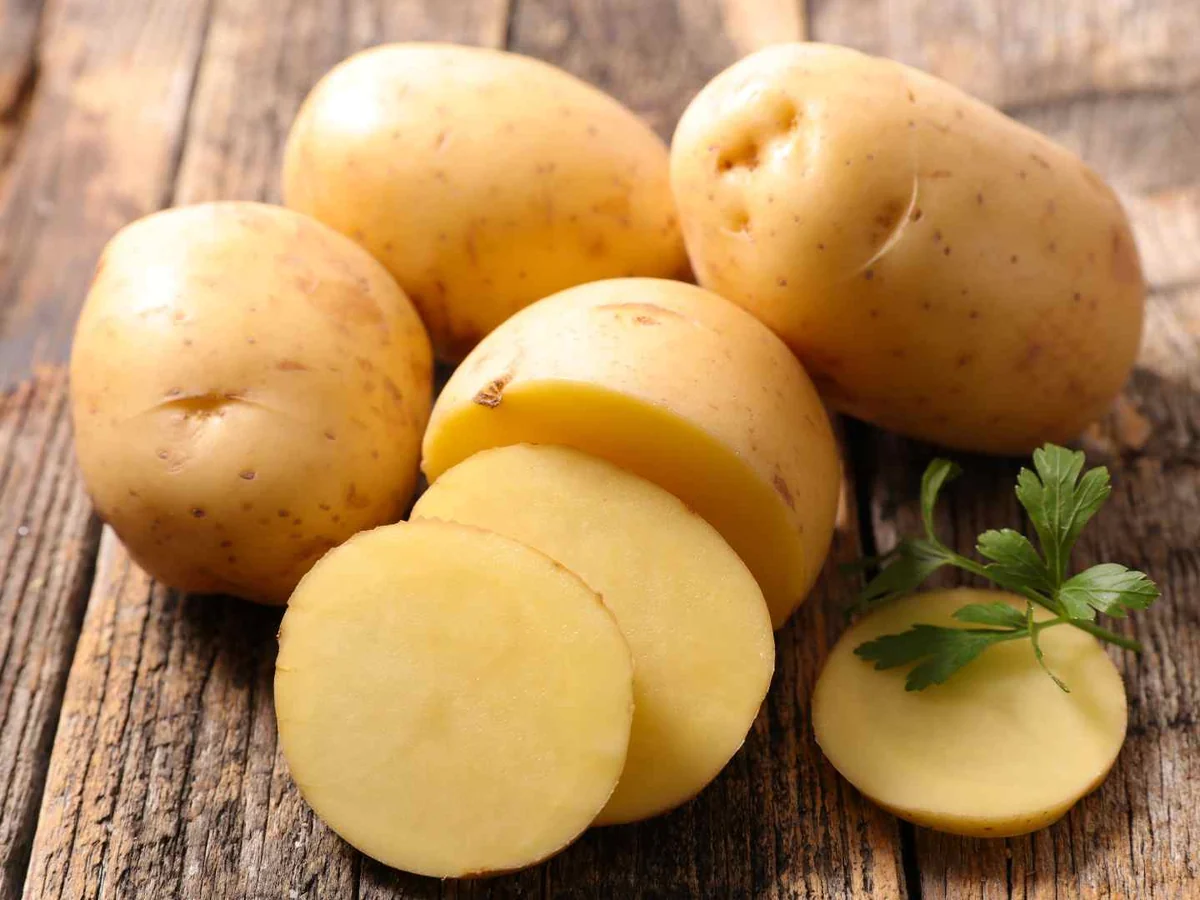
A sound potato tuber is different from its green skin, sprouts, eyes, leaves, berries, and stems. Green or sprouted material can contain higher glycoalkaloid concentrations and should be discarded securely.
Raw chunks are also dense, firm, and difficult for a cat to chew. A piece can choke or obstruct even when it is not visibly green.
The complete cat potato guide compares raw, cooked, mashed, fried, green, sprouted, and plant exposures. This article focuses on the raw pantry and garden risks.
Green is a warning, not a trimming challenge
Light exposure can produce chlorophyll, which is not itself the toxin, but greening can accompany increased glycoalkaloids. Bitter taste is not a safe testing method for people or pets.
Do not simply cut away a green patch and reserve the rest for a cat. Discard extensively green, damaged, bitter, or heavily sprouted potatoes.
The ASPCA lists potato plant material as toxic to cats and identifies solanine among the toxic principles. Preserve photographs after plant access.
Possible glycoalkaloid signs
Concerning signs can include drooling, vomiting, diarrhea, abdominal pain, weakness, unusual sleepiness, poor coordination, tremors, heart-rate changes, or collapse. Severity depends on plant part, concentration, amount, and cat.
Call promptly after a meaningful green tuber, sprout, eye, berry, leaf, or stem exposure even when the cat initially appears normal. Do not wait for a complete symptom list.
Breathing difficulty, collapse, seizures, severe weakness, or profound neurologic change requires emergency care. Bring plant or product evidence without delaying transport.
Sprouts and eyes are not tiny garnishes
Sprouts emerge from eyes and can be tempting strings for a curious cat. They are plant growth, not a harmless extension of edible cooked potato.
A pantry raid may include several sprouted tubers, paper sack pieces, soil, clips, and mold. Count the missing sprouts and objects rather than estimating only potato weight.
Never grind sprouts or peel into food for fiber or waste reduction. Compost must be secured because it can concentrate discarded plant parts.
Raw peel can be long and tough
Peeling creates continuous ribbons that can be swallowed during play. Green patches and eyes may remain attached to the strip.
Do not pull peel visible from the mouth or rectum when more may be anchored internally. Prevent chewing and obtain urgent veterinary instructions.
Short peel flecks still provide no benefit, and washing does not neutralize glycoalkaloids or soften the raw texture.
Plain cooked potato is a narrow option
If a veterinarian approves a taste, use a sound non-green tuber, remove eyes and sprouts, peel it, cook it fully in plain water, cool it, and offer less than a pea. Skip salt, butter, milk, broth, and spice.
Cats do not need potato to obtain carbohydrate, potassium, or vitamin C. The regular complete diet should remain unchanged.
The FDA explains pet-food nutritional adequacy statements. A cooked cube cannot balance a homemade bowl.
Raw potato dishes contain more than tuber
Uncooked hash browns, latke batter, pierogi filling, gnocchi dough, and casserole prep may include onion, garlic, egg, flour, dairy, salt, cheese, or yeast. Raw batter also brings microbial concerns.
Onion and garlic can injure feline red blood cells after raw, cooked, or powdered exposure. Save the recipe and call after a meaningful Allium exposure.
The cat cheese guide helps with gratin or casserole ingredients, but it does not make raw potato safe.
Potato juice and starch products
Juicing raw potato concentrates liquid from a product not suitable for cats and may include green or sprouted sections. Do not use it for stomach upset, skin disease, inflammation, or urinary problems.
Potato starch is a processed ingredient distinct from raw tuber juice, while flour mixes may add seasonings or supplements. Read the exact product rather than treating every white powder alike.
Dust exposure can irritate eyes and airways. Move the cat to clean air and seek advice for persistent coughing, squinting, wheezing, or distress.
Storage prevents greening and raids
Keep potatoes in a cool, dark, dry, ventilated place according to supplier guidance, away from cat access. A decorative open basket encourages light exposure and play.
The FDA provides safe produce selection and handling advice. Wash tubers before human preparation, but never apply soap to food.
Discard rotten, leaking, moldy, extensively green, or heavily sprouted tubers. Do not feed questionable produce to avoid waste.
Gardens add berries and chemicals
Potato plants have leaves, stems, flowers, berries, roots, and underground tubers, plus fertilizer, pesticides, stakes, ties, netting, and mulch. The berries are not small tomatoes for tasting.
Prevent grooming after wet chemical contact and keep treatment labels. Do not scrub fur with household solvent or apply another pesticide as a neutralizer.
Photograph the whole plant and accessible damage. Nightshade relatives can look similar, so accurate identification helps triage.
Chips and fries are not raw-potato solutions
Cooking changes starch and reduces raw texture, but fries and chips add salt, oil, seasonings, and sharp crisp shapes. Green or bitter potatoes should not be rescued by frying.
The cat bread guide helps when potato appears in dough, while every recipe still needs separate review. A fried crumb is not a health food.
Hot oil and hot mashed potato can cause burns. Seek advice for drooling, red tissue, blisters, squinting, or sudden food refusal after thermal contact.
A potato-raid checklist
- Part: sound tuber, green skin, sprout, eye, peel, leaf, stem, berry, raw batter, powder, or unknown.
- Amount: estimate size, number missing, bite marks, time, cat weight, and symptoms.
- Recipe: list Alliums, dairy, egg, flour, salt, oil, cheese, broth, and seasonings.
- Objects: count sacks, ties, clips, peelers, film, compost liners, stakes, and netting.
- Urgency: plant parts, greening, sprouts, large chunks, neurologic signs, or foreign objects deserve prompt advice.
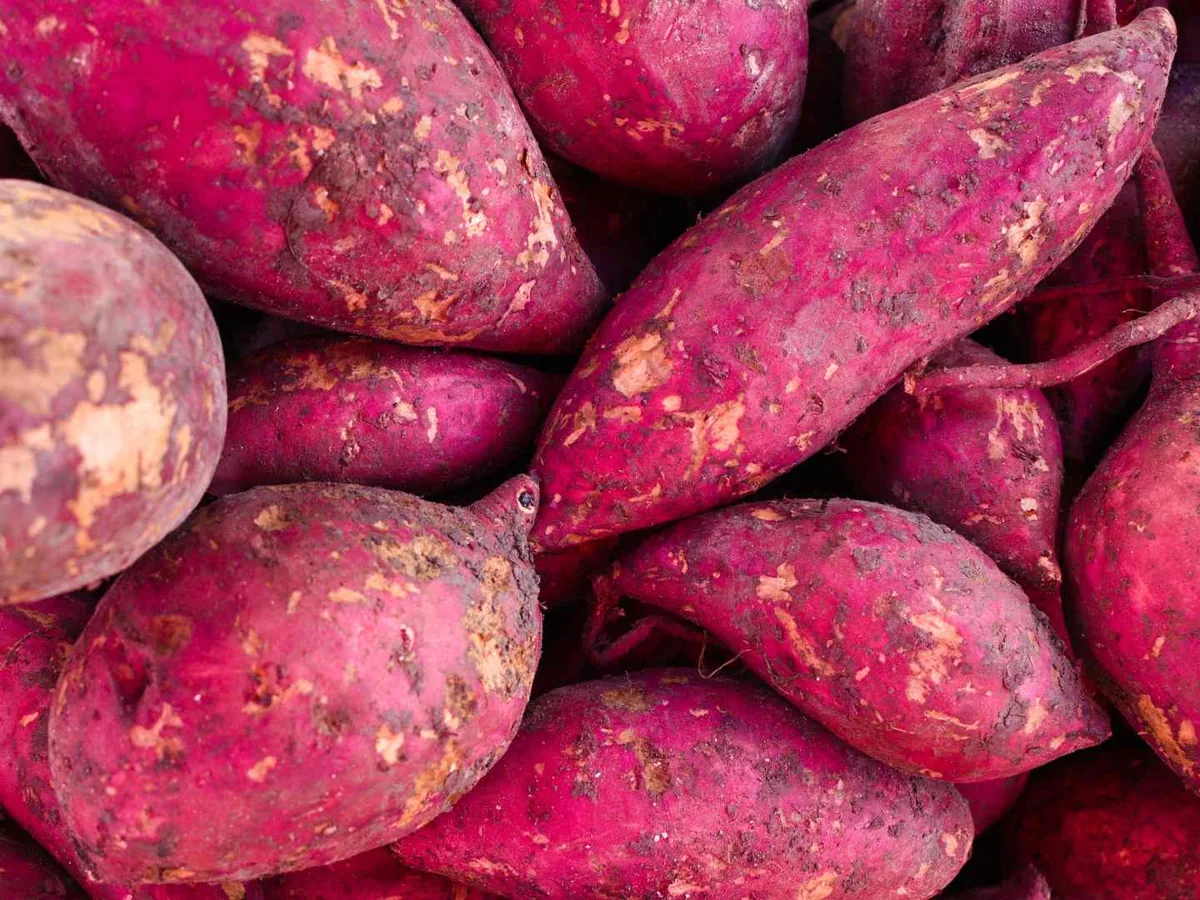
Sweet potatoes are a different plant
Orange-fleshed sweet potatoes are not the same botanical species as white potato and do not share every glycoalkaloid claim. They are still hard when raw and unnecessary for cats.
Do not transfer potato-plant toxicology to every root vegetable or use the distinction to offer raw chunks. Product identity and texture both matter.
Mixed bins and unlabeled garden harvests should be photographed before disposal. A clinic can only assess the plant that was actually accessed.
Pantry pests and rodenticides
Stored potatoes can attract insects or rodents, leading households to place traps, bait, powders, or repellents nearby. Those products may become the dominant hazard in a pantry raid.
Report every pest-control item, including apparently intact stations. Do not wait for bleeding, weakness, tremors, or seizures after possible bait access.
Keep potatoes and pest products in separate cat-proof locations. Essential-oil repellents are not automatically feline-safe.
Raw feeding recipes can hide potato
Some homemade or commercial raw mixtures include potato starch, vegetables, supplements, raw meat, or bone. The finished product requires microbial and nutritional assessment beyond the tuber.
Do not assume “grain free” means potato free or medically superior. Read the ingredient list and nutritional adequacy statement.
The cat raw chicken guide explains why adding vegetables does not solve pathogen risk. A blended bowl can carry both categories of concern.
Observation after trivial contact
After one lick of a sound non-green tuber, a veterinarian may recommend simple monitoring. Keep the cat indoors and note appetite, vomiting, behavior, gait, breathing, and litter-box output.
Any weakness, tremor, repeated vomiting, pain, unusual sleepiness, or poor coordination requires reassessment. A missing chunk or sprout is not the trivial-contact scenario.
Do not feed milk, oil, charcoal, or extra fiber. Follow the clinic’s instructions and preserve the potato for identification.
Frequently asked questions
What if my cat licked a raw potato?
One lick of a sound tuber may stay low concern, but remove access and check for green skin, sprouts, chemicals, or symptoms. Chewing and swallowing change the answer.
Are potato sprouts toxic to cats?
Yes, treat sprout access as a plant-toxicology concern and call with amount, time, cat weight, and signs. Do not wait for vomiting or weakness.
Can cats eat raw potato peel?
No. Peel can include green tissue, eyes, soil, chemicals, and long obstruction-prone ribbons.
Can kittens eat cooked potato?
Kittens should prioritize complete growth food. Any approved taste must be plain, fully cooked, tiny, and made from a sound non-green tuber.
Red or purple skin should not be confused automatically with greening. Actual green patches, sprouts, plant parts, bitterness, and damage remain warnings.
A clinic may request photographs plus an intact comparison tuber. Preserve the bag, variety, date, and treatment history.
Cats with neurologic disease, swallowing problems, digestive illness, or prescription diets should never test a questionable tuber.
Bottom line
Raw potato combines a hard foreign-object texture with a plant-chemistry problem that becomes more concerning in green, sprouted, or above-ground material. Secure pantry and garden access, cook only sound trimmed tubers when approved, and call promptly about plant parts or symptoms.
Do not leave scrubbed raw tubers soaking where a cat can drink cloudy water. The liquid is not a digestive remedy, and the sink may also contain soap, knives, or foodborne contamination.
Never use raw potato as a poultice on feline skin because grooming converts contact into ingestion. Skin disease needs diagnosis, not a pantry compress.
Keep emergency numbers accessible during gardening season, and send sprouts and green scraps directly into secured waste.
Keep the saved raw potatoes product and your written timeline together until the advised monitoring period ends, because labels, lot details, and symptom timing can change the veterinary assessment.