Can Cats Eat Ritz Crackers? Original, Flavored, Sandwich, and Topped Ritz
One plain Ritz crumb is unlikely to poison a healthy cat, but Ritz crackers are salty, fatty human snacks rather than useful feline treats. Product formulas vary by country and variety, while sandwich fillings, flavored dust, party toppings, sleeves, and freshness packaging can matter more than the familiar golden circle.
Start with the box that is actually open
“Ritz” now covers original crackers, flavored products, toasted chips, bits, sandwich crackers, seasonal packs, and region-specific recipes. Turn the box around, match the product name to the individual sleeve, and photograph the current ingredients before searching the pantry for a remembered formula.
The manufacturer’s SmartLabel page for U.S. Original Ritz is a primary product source, but even a manufacturer page has a market, package code, and update date. Your physical label wins when it differs.
What happened to the cracker after the box opened?
| Ritz situation | The useful question |
| One Original crumb | Did the cat swallow comfortably and remain normal? |
| Several whole crackers | How much sodium, fat, and dry material was eaten? |
| Flavored Ritz | Does the powder contain onion, garlic, dairy, or chile? |
| Cracker sandwich | Is the filling cheese, peanut butter, chocolate, or another formula? |
| Party canapé | Which meat, dip, herb, skewer, or garnish was attached? |
| Sleeve, box liner, clip, or packet | Could there be choking, suffocation, or obstruction? |
Original crackers are not buttered cat biscuits
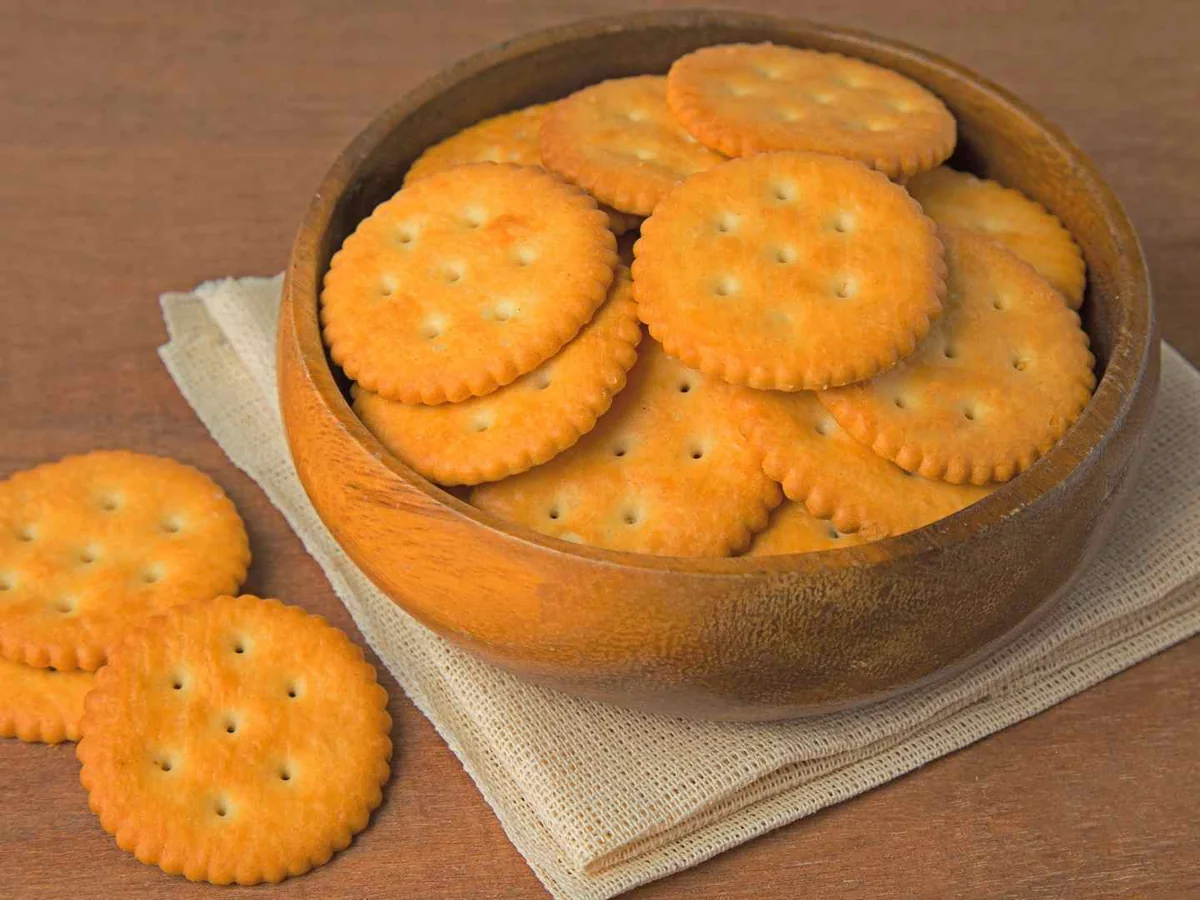
The buttery impression comes from a manufactured cracker formula, not from evidence that the food suits cats. Flour, oils, sugar or syrup, salt, leavening, lecithin, and flavoring supply energy and texture, but not the complete feline nutrient pattern.
For a healthy adult that licks a few crumbs, removing access and watching for stomach upset may be all a veterinary team recommends. A whole stack is different because quantity increases dry material, sodium, fat, and the chance of gulping pieces.
Salt sits on the surface and inside the recipe
Visible crystals make Original Ritz taste salty, yet the nutrition panel is the reliable way to compare sodium across Original, Hint of Salt, flavored, and reduced-fat versions. FDA guidance on sodium labeling explains why multiple ingredients can contribute to the total.
One cracker does not automatically cause salt poisoning, but a large raid or concentrated salty topping deserves professional advice. Extreme thirst, repeated vomiting, weakness, poor coordination, tremors, or seizures after a substantial exposure needs urgent care.
Fat and calories are quiet problems until the sleeve becomes routine
Ritz crackers use added fats to create their tender, flaky texture, which also makes crumbs smell appealing. Regular handouts can interfere with weight control and replace nutritionally valuable calories even if each individual snack produces no immediate signs.
Do not claim that one cracker causes pancreatitis, and do not dismiss persistent vomiting, abdominal pain, marked lethargy, or appetite loss after a large rich-food theft. Cats with obesity, diabetes, prior pancreatitis, or a fat-restricted diet should not receive these crackers intentionally.
Wheat and soy on a label are not universal cat poisons
Original formulas may declare wheat and soy, while other varieties can add milk, sesame, or other ingredients. The FDA’s food-allergen labeling page explains the human major-allergen rules, but a human allergen declaration does not diagnose a feline food allergy.
Cats in a veterinary elimination trial must still avoid every unapproved ingredient, because a crumb can break the diet’s controlled exposure. Itchy skin, vomiting, or diarrhea after food needs veterinary investigation rather than a broad grain ban assembled from the cracker aisle.
The product family changes faster than a memorized list
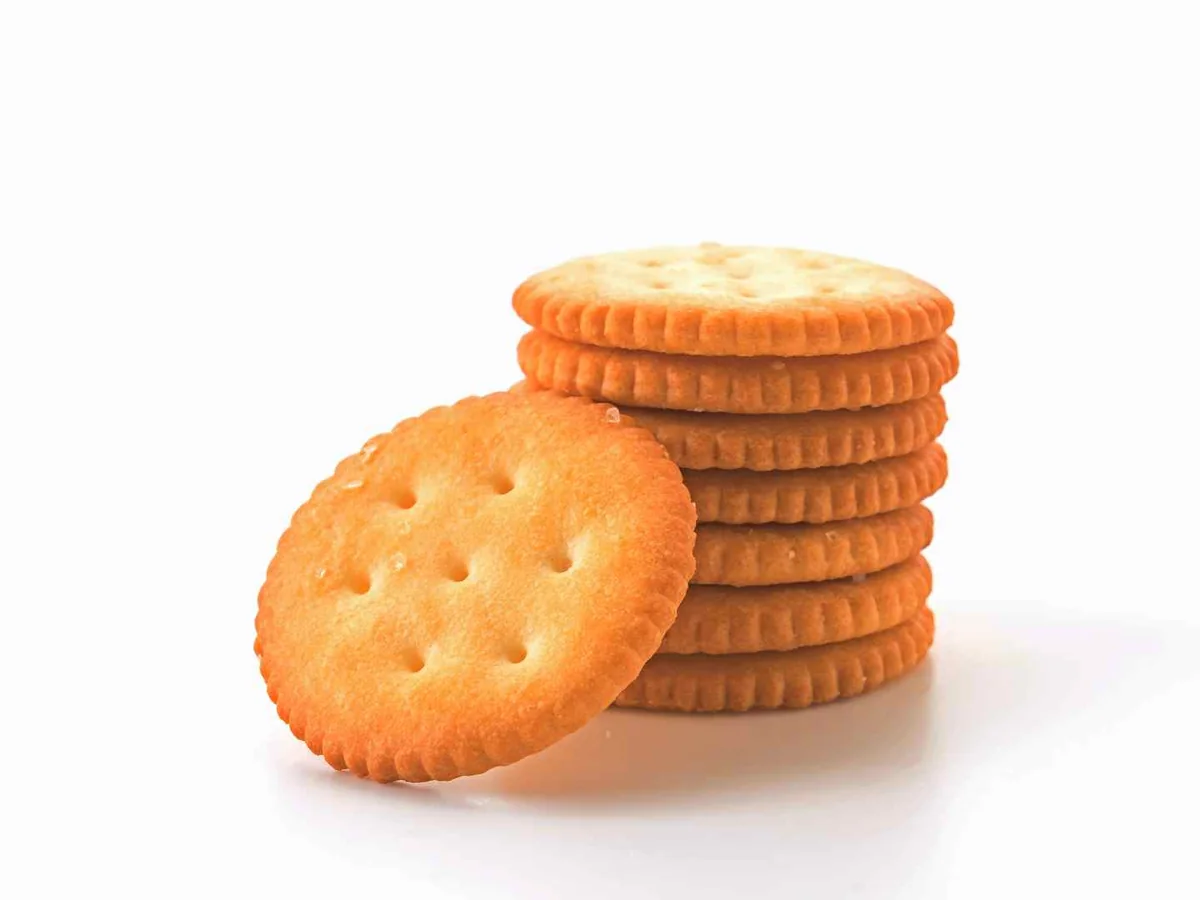
Garlic butter, roasted vegetable, sour cream and onion, cheese, barbecue, pickle, bacon-style, whole-wheat, gluten-free, and seasonal flavors may appear or disappear by market. A variety name can hint at ingredients but cannot replace the current label.
Onion or garlic powder deserves a prompt call because Alliums can damage feline red blood cells, and anemia may become obvious only after a delay. A flavored crumb is not automatically a crisis, but an unknown amount from an Allium-containing bag should not be waved away.
Sandwich crackers belong to the filling
Ritz sandwich products may contain cheese-style filling, peanut butter, or another flavored center, and the filling often attracts the cat more strongly than the wafers. Count complete sandwiches, not just loose cracker tops, because a cat can lick out several centers while leaving a convincing pile.
Use the site’s peanut butter guide for oil, salt, sweetener, and sticky-texture context. For cheese filling, remember that a shelf-stable processed spread differs from a plain morsel of cheese in concentration and formulation.
Party toppings turn a branded cracker into an open recipe
Cream cheese, smoked salmon, deli meat, tuna salad, egg salad, pâté, hummus, pesto, pepper jelly, onion dip, and sausage can all ride on a Ritz. Toothpicks, decorative flags, olive pits, herb stems, and broken serving dishes may be left on the same tray.
If a cat steals a canapé, inventory from top to bottom instead of reporting one cracker. The guides to cream cheese and generic crackers can support the component check without replacing the recipe.
Cracker crumbs have three personalities
A fine dust can trigger coughing when inhaled, a sharp flake can irritate a sore mouth, and a damp wad can cling after the cat swallows too quickly. Dental disease, oral ulcers, missing teeth, laryngeal problems, and previous swallowing trouble lower the threshold for advice.
Seek urgent care for breathing difficulty, blue or pale gums, collapse, repeated gagging, or frantic mouth pawing. Do not force water behind a suspected blockage or place fingers deep into an alert cat’s mouth.
Ritz crumbs used in recipes lose their original identity
Crushed crackers can coat chicken, bind meatloaf, top casseroles, form a pie crust, or sit under chocolate candy. Those dishes may include raw meat, raw egg, onion, garlic, butter, cheese, condensed soup, chocolate, raisins, alcohol, or hot melted sugar.
A baked crumb coating stuck to unseasoned cooked meat is not equivalent to raw breading mixture or casserole topping. Save the recipe, cooking status, temperature, and missing portion instead of relying on the Ritz logo to summarize dinner.
The wrapper deserves its own head count
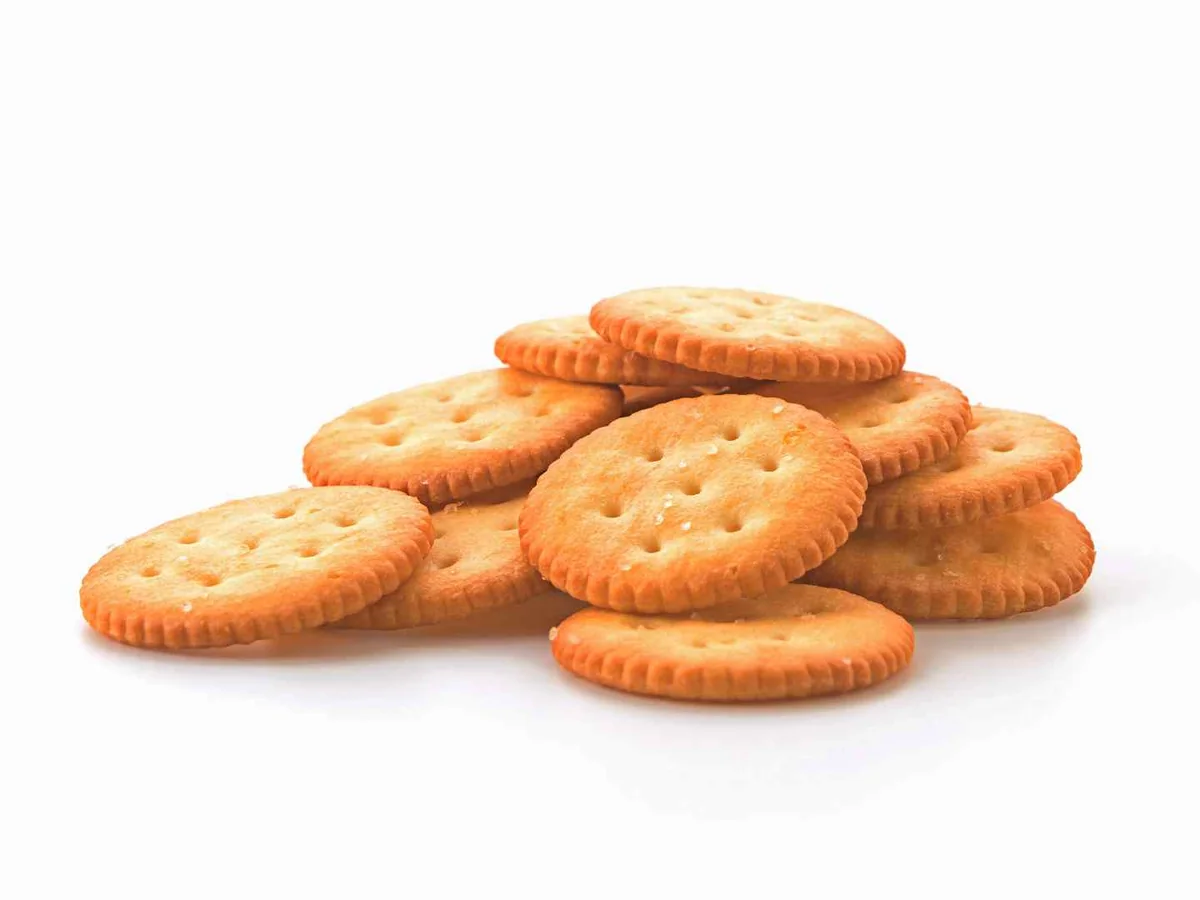
Boxes contain inner sleeves, seams, tear strips, cardboard, and sometimes multipack films that retain an oily cracker scent. The FDA warns that flexible snack bags can suffocate pets when material seals over the nose and mouth.
Remove any bag from the cat immediately and call an emergency clinic after a head entrapment, even if breathing appears normal. Report missing plastic, cardboard tabs, clips, freshness material, or torn foil because those pieces create obstruction or injury questions.
A sleeve raid needs numbers, not adjectives
- Match the exact variety, market, and sleeve to the ingredient and nutrition labels.
- Count what remains and include sandwich filling, seasoning dust, dips, and toppings.
- Collect torn packaging and identify every missing non-food piece.
- Record the cat’s weight, health conditions, time, and signs before calling.
- Seek prompt help for Alliums, chocolate, dangerous toppings, a large amount, choking signs, or uncertain packaging.
Do not induce vomiting or give peroxide, salt, oil, milk, bread, or activated charcoal at home. If observation is recommended, ask how long to watch breathing, swallowing, thirst, vomiting, stool, energy, appetite, and neurologic behavior.
Storage decisions prevent the late-night version
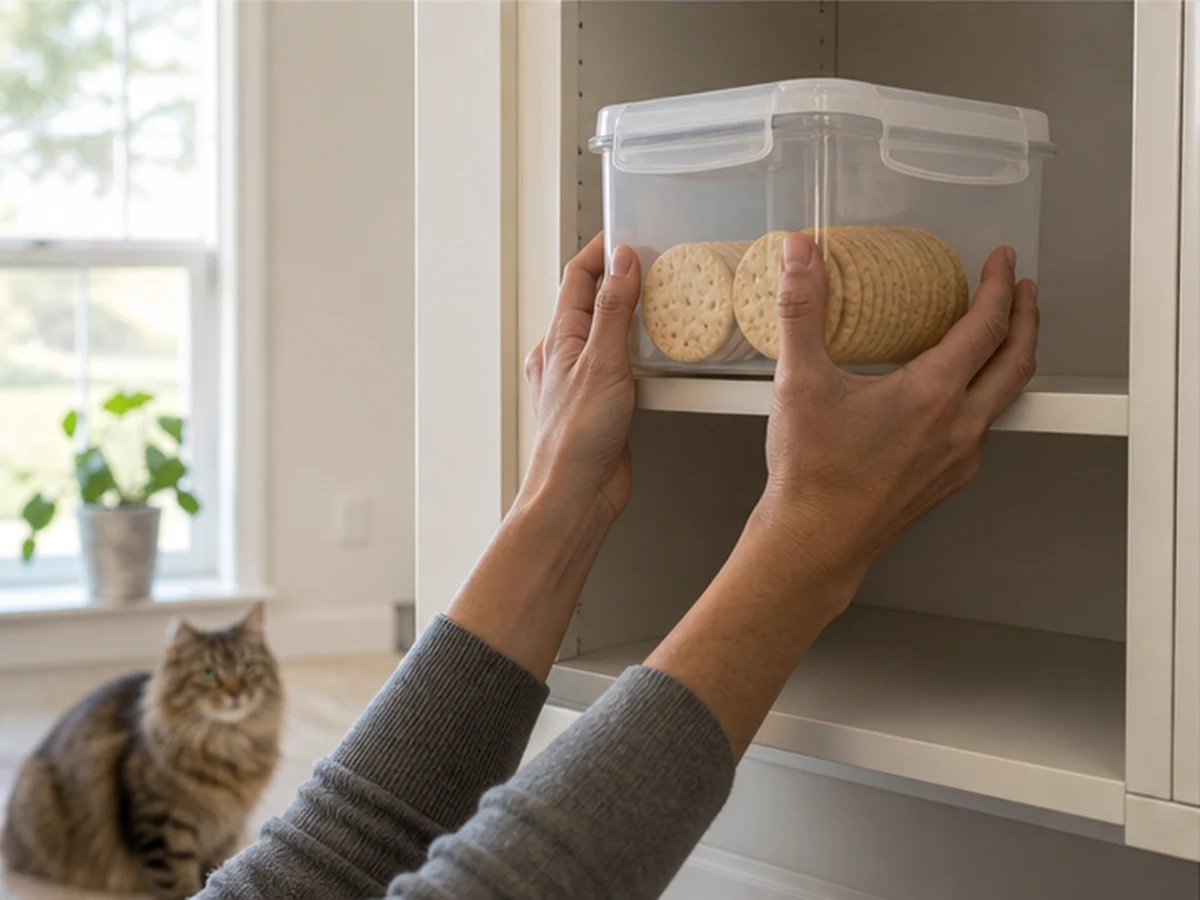
Close the inner sleeve, return it to the box, and place the box in a cabinet rather than balancing it on the refrigerator. Discard stale, rancid-smelling, moldy, insect-contaminated, wet, or damaged crackers instead of giving them to a pet.
At gatherings, move the entire tray when people finish and collect toothpicks before dimming the lights. Cats are excellent at locating the one canapé everyone forgot behind a napkin, which is charming only until the ingredient list begins.
Keep the lot code when a sleeve tastes or smells unusual, contains the wrong sandwich filling, lacks a seal, or appears mislabeled. A manufacturing complaint and a veterinary exposure report both become clearer when the exact box and uneaten product have not been discarded.
Do not feed around a suspicious clump, foreign speck, or damaged wrapper. Isolate the package from every pet, photograph the defect, check official recall information, and contact the manufacturer using the details printed on the box.
Better crunch exists in the cat’s own food
A few pieces of measured kibble, a complete commercial cat treat, or a veterinary-approved dental product offers a more appropriate crunch. The FDA’s adequacy-statement guide clarifies why human snack crackers should not become a meaningful share of daily calories.
If the cat comes running at the sleeve sound, make that cue summon a food puzzle filled from the normal ration. The performance remains delightful, but sodium and party toppings no longer get a recurring role.
Frequently asked questions
Can cats eat Original Ritz crackers?
A tiny crumb is unlikely to be toxic, but the crackers are salty, fatty, dry, and nutritionally unnecessary. Do not offer whole crackers or make crumbs a routine reward.
Can cats eat Ritz cheese sandwiches?
They are a poorer choice than plain crackers because the processed filling adds more ingredients, salt, fat, and dairy components. Check the current label after a theft and call about a large amount or abnormal signs.
What if my cat ate garlic-flavored Ritz?
Save the exact package and contact your veterinarian or an animal poison service promptly, because garlic powder can be concentrated and delayed anemia is possible. Report the missing quantity, time, weight, and current behavior.
Are Hint of Salt Ritz safe for cats?
Lower sodium than a standard version does not make the crackers complete cat food or remove dry-texture, fat, flavoring, and portion concerns. Use an approved feline treat instead.
Bottom line
An Original Ritz crumb is usually low concern, but whole crackers, flavored varieties, sandwich centers, party toppings, recipe use, and wrappers deserve separate answers. Read the current box, count the actual exposure, secure the sleeves, and keep branded snack crackers out of the cat’s regular menu.