Can Cats Eat Tomato Sauce? Alliums, Salt, Recipes, and Delayed Warning Signs
Do not offer tomato sauce to cats. The ripe tomato base is often less concerning than garlic, onion, salt, oil, alcohol, chile, sweeteners, rich meat, or spoiled leftovers, and allium-related red blood cell damage may not become obvious right away.
Keep the label, menu, or recipe
Identify marinara, pizza sauce, tomato paste, canned sauce, ketchup-style product, curry, vodka sauce, meat sauce, or homemade batch. Save every ingredient panel and estimate teaspoons, bowl fraction, and time.
Check whether the cat licked a plate, ate coated pasta or meat, drank sauce, or entered the trash. Count lids, foil seals, pull tabs, packets, skewers, and broken glass.
Call promptly for garlic or onion, a substantial unknown sauce, swallowed packaging, repeated vomiting, weakness, pale gums, rapid breathing, dark urine, collapse, or breathing trouble. Do not induce vomiting.
Ripe tomato is not the whole answer
Ripe red tomato flesh in a tiny amount is generally less worrisome than green fruit, stems, leaves, or a seasoned sauce. The culinary word tomato cannot summarize every plant part and recipe.
The cat tomato guide separates ripe fruit from plant material. Sauce assessment starts after that distinction, not before it.
Even an allium-free sauce is acidic, salty people food without a useful role in feline nutrition. A cat’s complete diet remains the sensible menu.
Garlic and onion are the headline concern
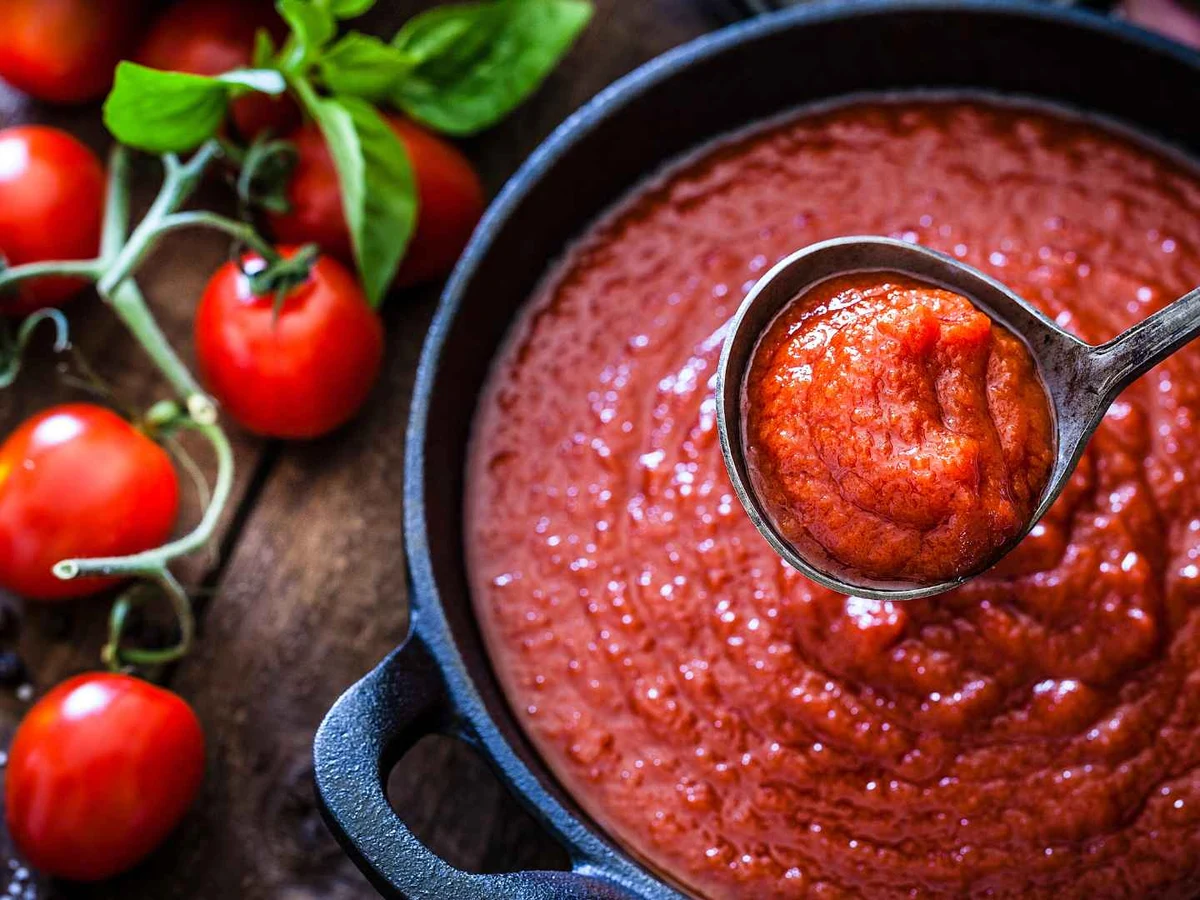
Commercial and homemade sauces commonly contain garlic, onion, shallot, chives, or concentrated powders. Cats are especially susceptible to oxidative red blood cell injury from Allium species.
The ASPCA people-food guidance notes gastrointestinal irritation and red blood cell damage, with cats more susceptible. Fresh, cooked, and powdered forms still matter.
Call with the ingredient amount and batch volume rather than waiting for anemia. Scraping visible pieces away cannot remove dissolved seasoning.
Why symptoms can be delayed
Vomiting or mouth irritation may occur early, while weakness from damaged red blood cells can take time to emerge. A normal first evening does not prove that a known allium exposure is finished.
Watch for lethargy, reduced appetite, pale or yellow-tinged gums, rapid breathing, fast heart rate, dark urine, weakness, or collapse according to veterinary instructions. Follow through with recommended rechecks or bloodwork.
The cat onion guide explains the delayed timeline without inventing one universal feline dose. Individual risk depends on form, amount, body size, and repeated exposures.
Powdered seasoning is easy to underestimate
Garlic and onion powders are compact and disperse throughout a jar, seasoning packet, or restaurant batch. Removing one visible onion cube does not turn sauce into plain tomato.
Write down how much powder entered the entire recipe and what fraction the cat ate. A pinch in one spoonful and several teaspoons in a family pot require different calculations.
Repeated small thefts may matter together, so mention garlic bread, broth, pizza, baby food, or other allium foods eaten around the same period.
Salt varies from puree to pizza sauce
Plain no-salt tomato puree, jarred marinara, condensed paste, restaurant pizza sauce, and canned pasta sauce can differ greatly in sodium. Read the current label and serving size.
The FDA Nutrition Facts guide helps interpret sodium, added sugar, and servings. Human percent daily value is not a feline threshold.
Marked thirst, vomiting, weakness, disorientation, tremors, seizures, or collapse after a major salty exposure is urgent. Do not force large volumes of water.
Tomato paste and concentrate
Paste removes water and packs tomato solids, calories, acidity, and any added salt into a small spoonful. Tubes may also be flavored with herbs or garlic.
A lick of plain paste may cause stomach upset without systemic poisoning, while a mouthful of seasoned concentrate needs label-based triage. Rinse neither the cat’s mouth nor tube with forced liquids.
Metal tubes, caps, and folded edges can cut. Count the closure and call if a piece is missing.
Green tomatoes, stems, and leaves
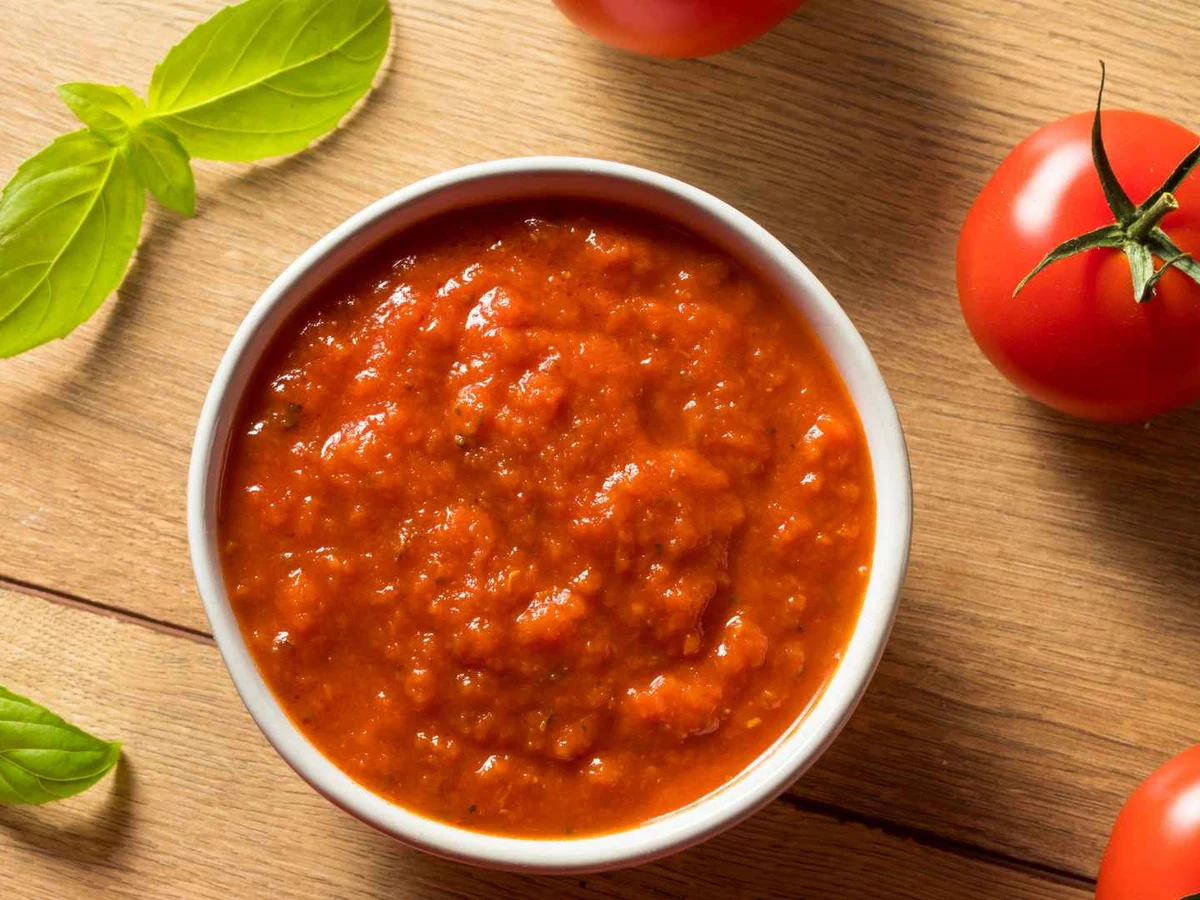
Sauce made from ripe tomatoes differs from a garden raid involving green fruit, vines, leaves, or flowers. Tomato plant material contains glycoalkaloids that can cause gastrointestinal and neurologic signs.
Photograph the plant and chewed area, and list fertilizers, pesticides, stakes, ties, and mulch. A veterinarian or poison specialist needs the whole garden scene.
Do not use redness alone to identify ripeness in every tomato variety. Preserve a sample away from pets when plant exposure is possible.
Pizza sauce arrives with dough and toppings
Pizza adds cheese, fatty meat, onion, garlic, crust, raw dough in the kitchen, foil, and box debris. The sauce may be only one part of the theft.
The cat pizza guide covers toppings and dough. Photograph the entire missing slice and count toothpicks or dipping cups.
Do not feed a scraped crust afterward. Seasoning, grease, and absorbed sauce remain.
Pasta and meat sauces
Bolognese, meatballs, sausage sauces, and lasagna can combine alliums with salt, fat, dairy, bones, noodles, and alcohol. A dish name rarely reveals proportions.
The cat noodle guide helps with pasta texture, broth, and packaging. Report raw meat or raw dough separately.
A tiny sauce smear and a bowl raid are different events. Use measuring spoons or container fractions when estimating.
Vodka sauce, wine, and cooking alcohol
Vodka sauce and long-simmered recipes may begin with alcohol, but cooking time, pan shape, and technique affect what remains. Do not promise that every preparation is alcohol-free.
Weakness, wobbliness, vomiting, unusual sleepiness, low body temperature, slow breathing, or collapse after alcohol exposure needs urgent care. Save the recipe and alcohol strength.
Creamy vodka sauce also adds dairy and fat. More than one mechanism may explain signs.
Spicy sauces and pepper extracts
Arrabbiata, fra diavolo, salsa-like sauces, and chile tomato products may cause mouth, eye, airway, and digestive irritation from capsaicin. Garlic and onion often remain the more consequential hidden ingredients.
Drooling, pawing, coughing, squinting, vomiting, or diarrhea deserves advice when persistent. Do not offer milk as a spice antidote.
Use the cat spicy-food guide for powder, oils, and eye exposure. Preserve the exact bottle.
Sugar-free and reduced-sugar sauce
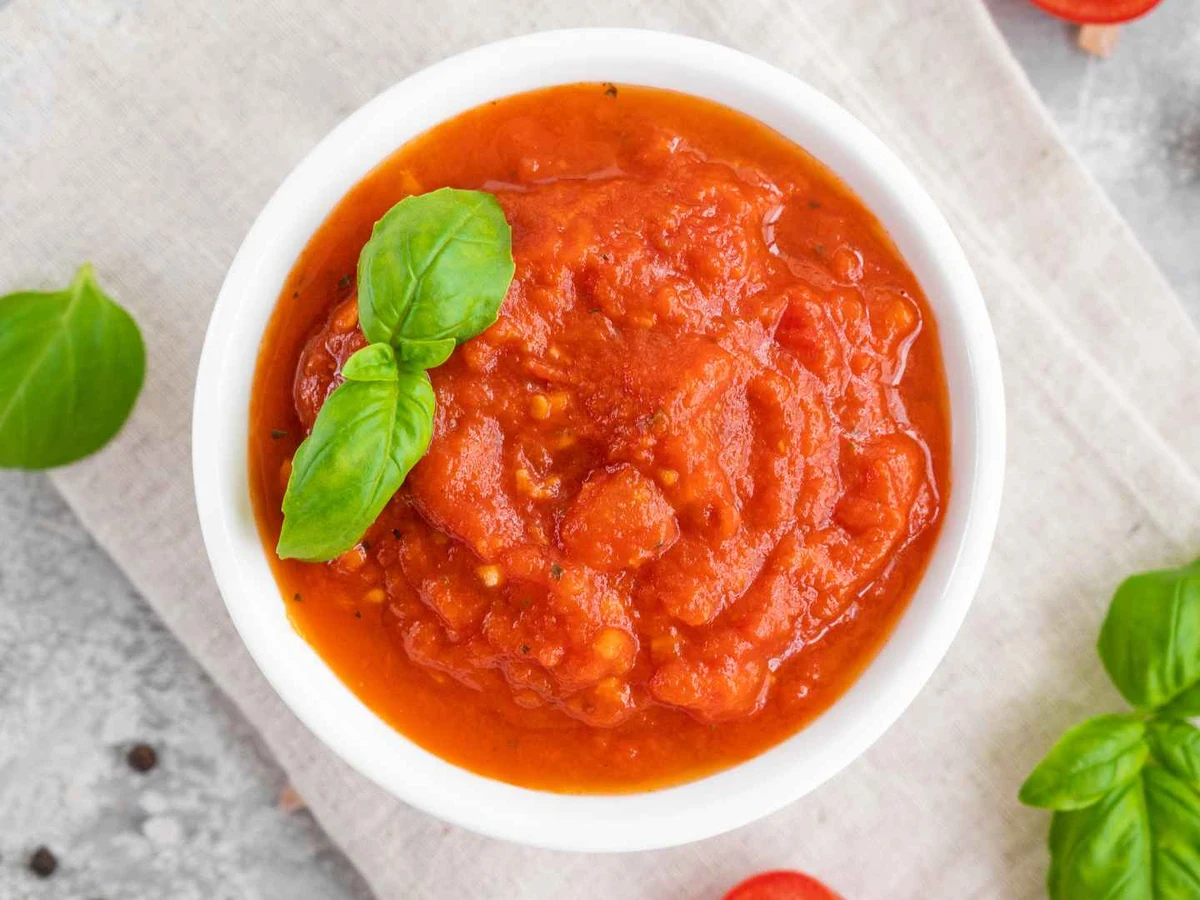
Reduced-sugar labels do not guarantee a particular sweetener or low sodium. Read ingredients for sugar alcohols, fruit concentrates, starches, and recipe changes.
Xylitol causes well-established severe poisoning in dogs, while comparable feline toxicity has not been demonstrated. Do not import a dog dose, but call about an unfamiliar concentrated sweetener because the complete product still matters.
Added sugar offers no benefit to cats and can complicate diabetes and weight plans. Sugar-free does not make sauce suitable.
Damaged cans and jar safety
Bulging, leaking, spurting, badly rusted, or deeply seam-dented cans should not be tasted. Cracked jars, failed seals, mold, or gas where none is expected also deserve secure disposal.
The USDA shelf-stable food guidance explains damaged-container precautions. Keep suspect food, lids, and glass away from pets.
A sharp pull tab or jar shard is an urgent foreign-object problem even when the sauce recipe is harmless. Blood, drooling, gagging, or pain requires care.
Leftovers and slow cookers
Refrigerate opened sauce promptly and follow the storage needs of meat, dairy, and other ingredients. Slow cookers and buffet pans can remain hot enough to burn paws and mouths.
Discard moldy, slimy, fermented-when-not-intended, or long-abandoned sauce. Reheating does not remove every toxin or spoilage hazard.
If several people ate the same questionable batch, they may need human medical advice. Preserve lot and purchase information.
Medical diets and appetite loss
Kidney, heart, urinary, allergy, diabetes, and gastrointestinal diets have precise goals. Sauce adds sodium, fat, carbohydrate, and unapproved proteins without solving a feline problem.
Do not hide medicine in tomato sauce unless the prescriber approves the food and method. The cat may lick around the tablet and leave the dose behind.
A cat refusing normal food deserves timely assessment. Marinara is not an appetite stimulant and can make nausea worse.
Monitoring one known allium-free lick
For a healthy adult that licked a tiny amount of correctly stored sauce verified free of alliums, alcohol, chile, and risky sweeteners, continue normal food and water while watching appetite, vomiting, diarrhea, comfort, and energy.
Call if signs appear, more sauce is missing, or the label reveals a concerning ingredient. Keep the container until the observation period is complete.
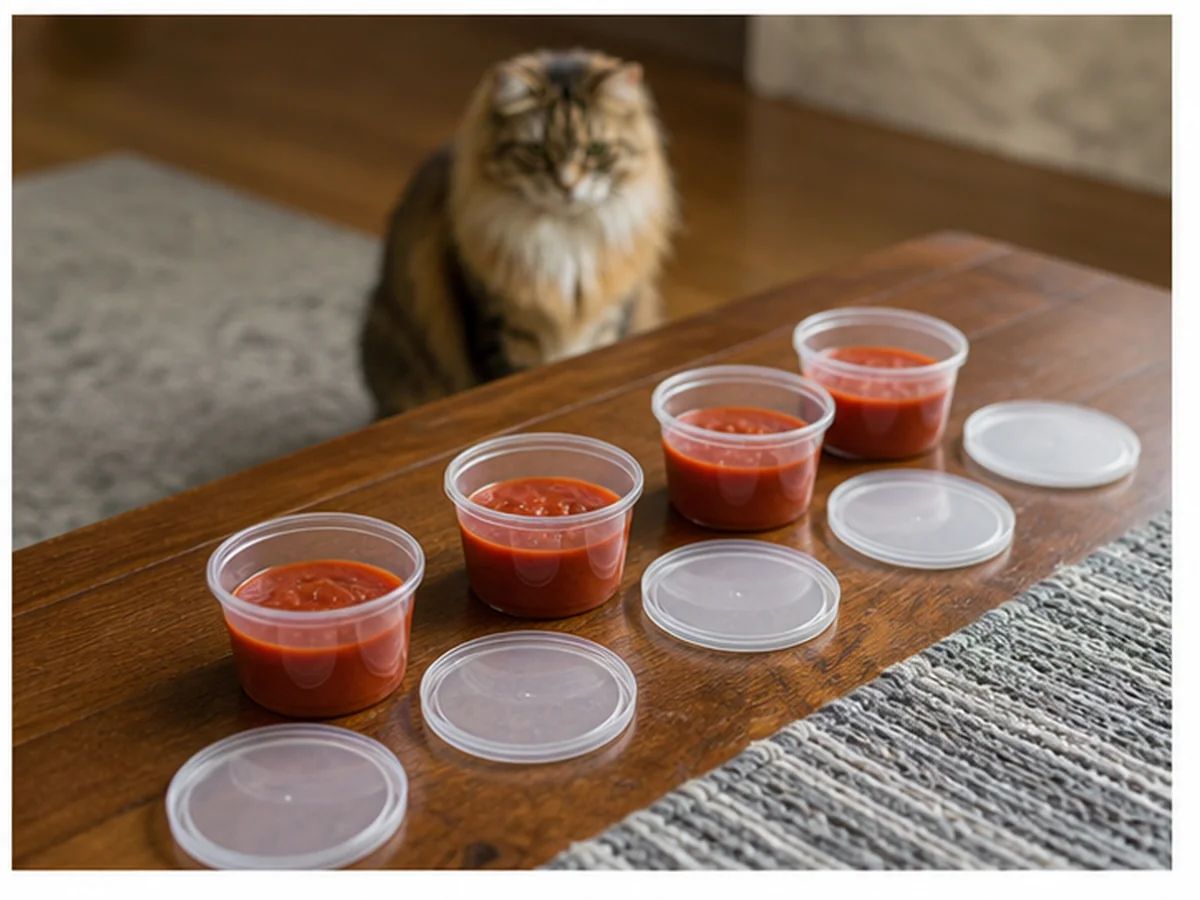
Store open jars promptly and clear dishes before the cat patrol begins. Sauce-covered plates seem to acquire magnetic properties the moment everyone leaves the room.
Repeated small exposures belong in one history
A cat who receives sauce-coated meat several times a week may accumulate more allium exposure than any single meal suggests. Keep a simple food log when family members share table scraps.
Tell the veterinarian about every likely source, including broth, baby food, garlic butter, seasoning powder, and restaurant leftovers. A complete timeline supports safer monitoring.
FAQ
Can cats have plain tomato sauce?
Even allium-free sauce is acidic, salty, and unnecessary, so do not offer it; one tiny verified plain lick may require only observation.
Why are garlic and onion in sauce dangerous?
Cats are unusually susceptible to allium-related red blood cell damage, and visible anemia signs can be delayed.
What if my cat ate pizza sauce?
Save the ingredients and assess the entire slice, including alliums, cheese, meat, dough, salt, and packaging.
Can cooking make garlic sauce safe?
No. Cooking does not reliably eliminate the allium concern, and seasoning may be distributed throughout the batch.
Bottom line
Tomato sauce is usually an ingredient-list problem more than a ripe-tomato problem. Garlic and onion justify prompt advice because blood-cell effects may be delayed, while salt, alcohol, spice, spoilage, whole dishes, and packaging shape the rest of the response.