Can Cats Eat Vanilla Yogurt? Lactose, Sugar, Sweeteners, Labels, and Portions
Vanilla yogurt is not a useful cat treat. One tiny lick of a pasteurized conventional product may cause no trouble, but lactose, sugar, fat, sweeteners, flavor systems, mix-ins, plant-based substitutes, spoilage, medical diets, and foil packaging make the label more important than the vanilla picture.
Read the cup before reading the cat
Save the lid and container, then identify regular, Greek, low-fat, nonfat, sugar-free, high-protein, drinkable, frozen, probiotic, plant-based, or dessert yogurt. Record brand, flavor, lot, amount, and time.
Check xylitol or other sugar alcohols, chocolate, coffee, raisins, granola, nuts, fruit, supplements, and raw-milk claims. Count foil, plastic film, caps, spoons, and freshness seals.
Call promptly for an unknown sweetener, chocolate or coffee, a large amount, severe vomiting, collapse, tremors, breathing trouble, facial swelling, or missing packaging. Do not induce vomiting.
A lick may be tolerated, but it is optional
Some healthy adult cats tolerate a tiny lick of pasteurized yogurt, while others develop gas, diarrhea, vomiting, or abdominal discomfort. Tolerance does not make vanilla yogurt balanced feline nutrition.
The cat yogurt guide covers plain products and general dairy questions. Vanilla versions add sugar, flavor, and sweetener decisions.
Use a measured piece of normal cat food for treats. Yogurt calories can quietly replace protein-rich complete food.
Lactose digestion varies
Many adult cats produce limited lactase, the enzyme needed to digest lactose. Fermentation can reduce lactose compared with milk, but products and individual tolerance differ.
ASPCA’s people-food guidance notes that dairy can cause diarrhea or digestive upset in pets. It does not promise that every yogurt is lactose-free.
Gas, loose stool, vomiting, and discomfort may follow without representing allergy or poisoning. Persistent signs or dehydration needs advice.
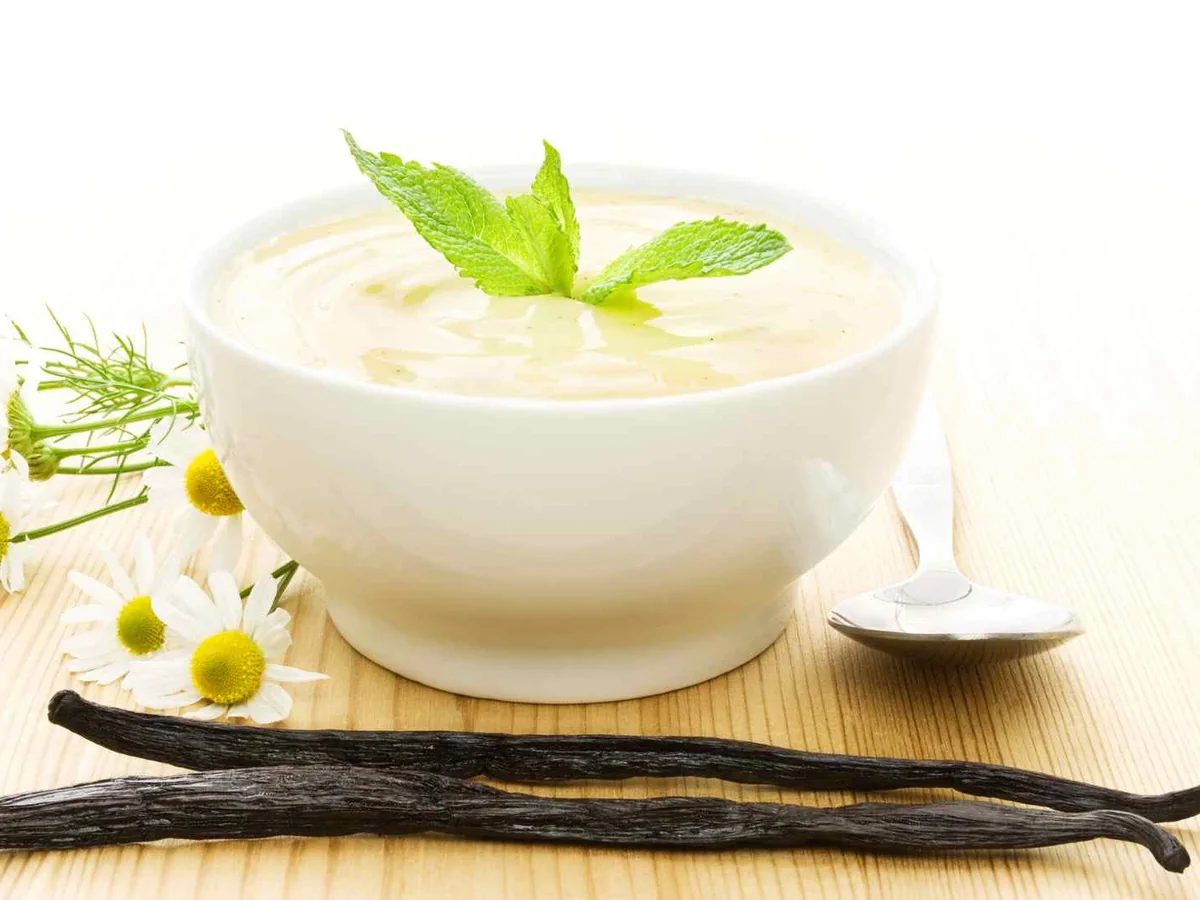
Greek yogurt is thicker, not automatically safer
Straining changes protein, moisture, and lactose concentration, while brands add different sugar and flavor systems. Thick texture can also hide medication or wrapper fragments.
The cat Greek-yogurt guide covers plain strained products. A vanilla Greek cup still needs its own current label.
High protein on a human package does not mean appropriately balanced amino acids for a cat. Dairy protein cannot replace a complete meal.
Added sugar and calories
Vanilla yogurt often contains added sugar, syrup, fruit concentrate, or sweetened flavor preparation. One lick does not cause diabetes, but routine servings can interfere with weight and glucose plans.
The FDA label guide helps interpret added sugar, serving size, fat, and ingredients. A human daily value is not a feline feeding recommendation.
Cats do not need dessert after dinner, despite persuasive supervision from the chair beside you. Keep treats within the veterinary calorie plan.
Xylitol deserves an accurate species boundary
Xylitol is a severe, well-established dog toxin that can cause hypoglycemia and liver injury. Comparable toxicity has not been demonstrated in cats, so canine doses should not be transferred.
FDA states in its current xylitol consumer guidance that xylitol does not seem as dangerous for cats. That cautious statement is not proof that any amount or mixed product is safe.
Check sugar-free, keto, protein, imported, frozen, and supplement-enhanced yogurt carefully. Call with the exact label when an unfamiliar sweetener appears.
Vanilla flavor is not one ingredient
Products may use vanilla extract, natural flavor, artificial flavor, vanilla bean specks, sugar, syrup, or a prepared flavor blend. The tiny alcohol used in a manufactured flavor does not equal drinking vanilla extract from the bottle.
A spill from concentrated baking extract is a different exposure and can contain substantial ethanol. Weakness, wobbliness, unusual sleepiness, low temperature, slow breathing, or collapse is urgent.
Save the extract bottle and report alcohol percentage and missing amount. Do not extrapolate from a finished yogurt cup.
Fat-free, low-fat, and whole-milk cups
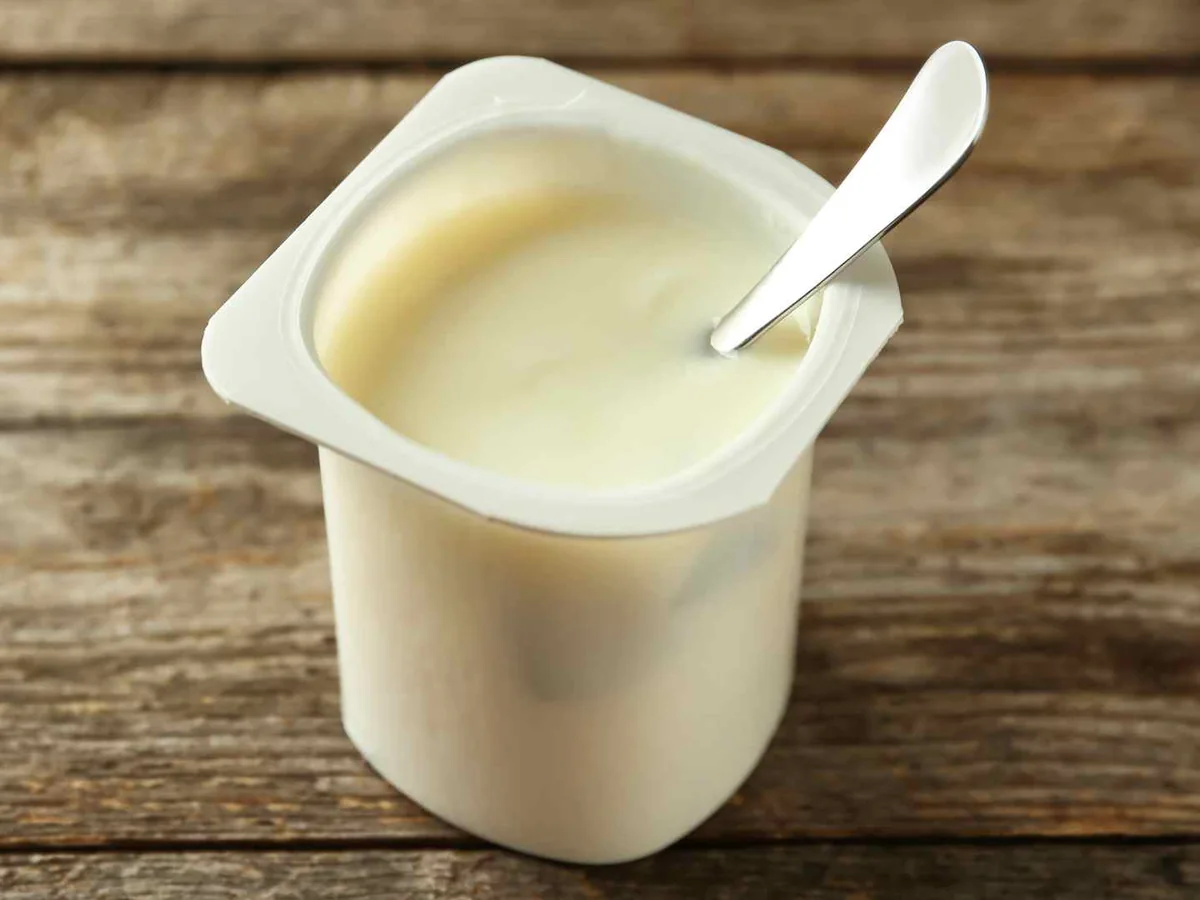
Fat-free yogurt may add starches, gums, or sweeteners for texture, while whole-milk yogurt contributes more fat and calories. Neither front label turns the cup into cat food.
A large rich serving can cause vomiting, diarrhea, abdominal pain, or appetite loss. Do not declare pancreatitis from one lick, but seek evaluation for persistent signs.
Cats with obesity, diabetes, gastrointestinal disease, or prior pancreatic disease should not receive vanilla yogurt.
Probiotic claims need product-specific evidence
Live cultures differ by strain, count, storage, and ability to survive digestion. A human probiotic claim does not establish a dose or clinical benefit for cats.
Do not use vanilla yogurt to treat diarrhea, constipation, antibiotic effects, inflammatory bowel disease, or urinary problems. Veterinary probiotics are selected for the diagnosis and patient.
Sweetened yogurt may worsen digestive signs while delaying care. Blood, repeated vomiting, pain, feverish behavior, or food refusal needs assessment.
Plant-based vanilla yogurt
Coconut, almond, oat, soy, and cashew yogurts remove dairy but introduce different proteins, fats, gums, sugars, and sweeteners. Dairy-free solves only the lactose question.
The cat almond-milk guide helps assess one base, while nuts, chocolate, coffee, and flavoring still require review.
Coconut products can be fat-rich, and nut-containing yogurt is inappropriate during an elimination diet. Read every cup.
Fruit, granola, and dessert mix-ins
Vanilla parfaits may include raisins, grapes, chocolate chips, coffee, nuts, hard granola, honey, candy, or vitamin powders. Mixed cups require ingredient-by-ingredient triage.
The cat granola guide covers clusters, chocolate, raisins, nuts, sweeteners, and packages. Do not assume the yogurt dilutes a hazardous inclusion.
Count spoons, toothpicks, and cup-top compartments. Small plastic pieces can be swallowed with the food.
Frozen yogurt and squeeze tubes
Frozen yogurt can be hard enough to hurt teeth or form a choking chunk, while thawed product may be lapped quickly. Cones add flour, chocolate, nuts, and wrappers.
Squeeze tubes and pouches invite chewing because food remains in seams. Call whenever plastic, caps, or tear strips are missing.
Do not pull film protruding from the mouth or anus. It may be anchored in the digestive tract.
Raw-milk and homemade yogurt
Unpasteurized milk can carry harmful microorganisms, and home fermentation depends on temperature, culture, cleanliness, and storage. Sour flavor alone cannot certify a batch.
FDA advises higher-risk people to avoid unpasteurized milk products, and raw dairy creates household contamination concerns. Cats gain no necessary benefit from that risk.
Preserve milk source, batch date, and storage history after an exposure. Repeated vomiting, diarrhea, feverish behavior, lethargy, or appetite loss deserves care.
Mold, swelling, and refrigerator age
Discard cups with broken seals, swelling, gas, mold, strange discoloration, or off odor beyond the expected tartness. Do not taste spoiled yogurt to decide whether a cat can finish it.
Refrigerate promptly and use clean utensils. A spoon returned after touching raw meat can contaminate the container.
Reheating is not relevant to yogurt and cannot reliably remove every microbial toxin. Secure discarded cups from trash raids.
Prescription diets and pill hiding
Kidney, urinary, allergy, diabetes, gastrointestinal, and weight diets have controlled goals. Vanilla yogurt can add unapproved dairy protein, phosphorus, sugar, fat, and calories.
Do not hide medicine in yogurt unless the prescriber approves the food and method. The cat may lick around the drug, and some tablets must remain whole or avoid dairy.
If appetite is poor, yogurt is not an appetite treatment. Cats that stop eating require timely veterinary attention.
Monitoring one tiny conventional lick
For a healthy adult that licked a small amount of pasteurized conventional yogurt verified free of risky mix-ins and unfamiliar sweeteners, continue regular food and water while watching vomiting, diarrhea, gas, appetite, energy, and comfort.
Call if signs develop, the amount grows, or the lid or tube cannot be found. Kittens and cats with chronic disease deserve a lower threshold.
Close cups and rinse them before secure disposal. A foil lid with vanilla residue is far more interesting to a cat than the nutrition panel would suggest.
Drinkable yogurt and smoothies
Vanilla yogurt drinks can be consumed quickly and may include fruit puree, protein concentrate, vitamins, caffeine-containing additions, or sweeteners. Bottle size makes amount estimation more reliable than the word sip.
Smoothies may add grapes, raisins, chocolate, coffee, protein powders, nut butter, supplements, or medication. Save every container and recipe.
A tipped bottle can also coat fur and electronics. Prevent grooming during cleanup and count caps, straws, and tamper rings.
Allergy is different from lactose intolerance
Lactose intolerance causes digestive signs because milk sugar is poorly digested, while food allergy involves an immune response to proteins. One loose stool does not distinguish them.
A veterinary elimination diet requires strict avoidance of unapproved dairy even when the cat previously tolerated yogurt. Casual test licks make the trial harder to interpret.
Facial swelling, hives, collapse, or breathing difficulty needs urgent care. Chronic itching or gastrointestinal signs deserve a structured veterinary workup.
Keep the cup until the cat remains well, since flavor names and labels are easier to verify from the original package than from memory.
FAQ
Can cats have a lick of vanilla yogurt?
A tiny lick of pasteurized conventional yogurt may be tolerated, but lactose, sugar, calories, and product variation make it unsuitable as a routine treat.
Is Greek vanilla yogurt better for cats?
No. Straining changes texture and nutrients, but vanilla Greek yogurt can still contain lactose, sugar, fat, flavors, and sweeteners.
Is xylitol toxic to cats?
Severe dog toxicity is established, while comparable feline toxicity has not been demonstrated; do not import dog doses, and call about exact unknown products.
Can probiotics in yogurt treat cat diarrhea?
Human yogurt cultures do not provide a proven feline treatment dose. Persistent diarrhea needs diagnosis and a veterinarian-selected plan.
Bottom line
Vanilla yogurt is an optional dairy dessert, not a feline probiotic or protein strategy. Check lactose tolerance, sugar, sweeteners, flavor, mix-ins, raw-milk status, spoilage, and packaging, while keeping the xylitol statement species-accurate.