Can Cats Eat Maple Syrup? Pure, Pancake, Artificial, and Sugar-Free Products
Do not make maple syrup a cat treat. One tiny lick of pure syrup may cause no obvious problem in a healthy adult, but sugar, sticky texture, flavored pancake products, sugar-free sweeteners, hot syrup, mold, rich breakfast foods, and swallowed packaging all change the question.
Find the bottle before cleaning the plate
Save the exact bottle, jug, packet, restaurant cup, recipe, or candy label and identify pure maple syrup, pancake syrup, maple-flavored topping, sugar-free syrup, extract, sap, or homemade batch. Estimate teaspoons or container fraction.
Check sugar, corn syrup, sweeteners, salt, butter flavor, preservatives, nuts, alcohol, chocolate, coffee, and anything coated with syrup. Count caps, tamper rings, foil, packets, and glass.
Call promptly for an unknown sugar-free product, a large amount, severe vomiting, weakness, tremors, collapse, choking, burns, alcohol, chocolate, or missing packaging. Do not induce vomiting.
Pure maple syrup has a short label and a simple problem
Pure maple syrup is concentrated tree sap composed largely of sugar and water, with flavor and minor compounds. A tiny lick is unlikely to cause a special acute poisoning in a healthy cat.
It remains calorie-dense human food without a role in complete feline nutrition. The Cornell Feline Health Center explains why cats require balanced animal-derived nutrients.
Remove access and return to normal cat food rather than testing a larger serving. Tolerance is not evidence of benefit.
Pancake syrup is a different formula
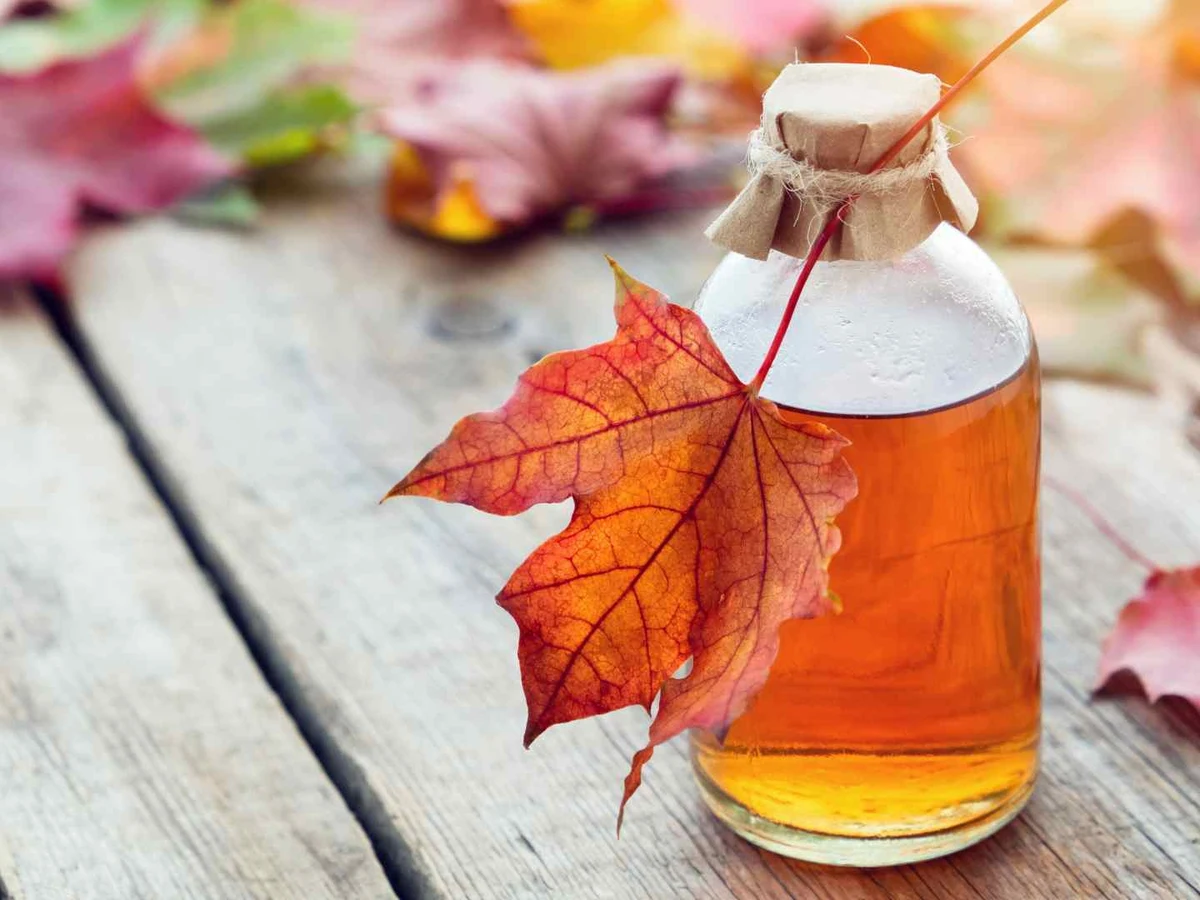
Pancake and table syrups may use corn syrup, sugar, water, flavor, color, salt, gums, preservatives, and a small amount of maple syrup or none. Front-label trees do not establish purity.
Read the ingredient statement and Nutrition Facts every time. The FDA label guide helps interpret added sugar, serving size, and sodium.
A restaurant dispenser may be unlabeled, so ask for current product information without delaying a veterinary call when the amount or symptoms are concerning.
Sugar is unnecessary, not instant poison
Ordinary sugar does not create a feline emergency from one lick, but a larger sticky pool may cause vomiting, diarrhea, abdominal discomfort, or appetite disruption. Repeated servings add calories quickly.
The cat sugar guide separates ordinary caloric sweeteners from sugar alcohols and mixed products. One bite does not cause diabetes.
Cats with diabetes, obesity, or a calorie-controlled plan should receive no syrup. Changes in thirst, urine, weight, or appetite need veterinary review.
Sugar-free syrup needs exact feline language
Sugar-free pancake syrup may use sucralose, stevia, erythritol, sorbitol, xylitol, or blends, depending on product and market. The current ingredient list is essential.
Dogs can develop profound hypoglycemia and liver injury from xylitol, whereas an equivalent severe feline response has not been established. FDA says xylitol does not seem as dangerous for cats, which is cautious rather than a guarantee.
Do not transfer canine toxic doses to cats. Call with the label, amount, and cat’s weight when xylitol or an unfamiliar sweetener appears.
Sticky texture creates mouth and fur problems
Syrup can mat fur, glue debris to paws, and stick around painful teeth. Grooming then turns a surface spill into a larger ingestion.
For a tiny pure-syrup smear on outer fur, a damp cloth may be enough, but prevent licking and ask for advice when a large area, cleaner, or hot syrup is involved. Do not use solvents.
Mouth bleeding, jaw chattering, facial swelling, persistent drooling, or refusal to eat deserves a veterinary oral examination.
Hot syrup can burn
Freshly boiled sap, microwaved syrup, and candy-stage sugar can cause deep thermal burns because sticky liquid clings to skin and keeps transferring heat. Paws, lips, and tongue are vulnerable.
Contact a veterinarian immediately and follow cooling instructions. Do not apply butter, oil, ice, toothpaste, or home ointment.
Burn severity may be greater than the first appearance suggests. Keep the cat from licking damaged tissue during transport.
Maple extract and flavor concentrates
Maple flavoring may contain alcohol, propylene glycol, glycerin, color, or concentrated aromatic ingredients. Baking extract is not assessed like finished syrup.
Weakness, wobbliness, unusual sleepiness, low body temperature, slow breathing, or collapse after an alcohol-containing extract is urgent. Save alcohol percentage and bottle size.
A few drops baked into a whole human recipe differ from drinking extract. Report the actual preparation and amount.
Flavored syrups and bourbon maple
Coffee syrups, bourbon barrel products, butter pecan syrup, cinnamon maple, and spicy maple can add caffeine, alcohol, nuts, dairy flavor, chile, or other ingredients. Maple in the name does not clear them.
The cat coffee guide covers caffeine signs. Agitation, rapid heart rate, vomiting, tremors, seizures, or collapse needs urgent care.
Do not assume bourbon flavor means meaningful alcohol or zero alcohol; check the exact label and recipe.
Pancakes, waffles, and French toast
Syrup commonly coats bread, raw or cooked egg, butter, milk, chocolate chips, raisins, nuts, bacon, sausage, fruit, and whipped cream. The breakfast may be riskier than the syrup.
The cat wheat-bread guide covers raw yeast dough, raisins, alliums, mold, and packages. Photograph the whole plate.
Count toothpicks, foil, butter wrappers, and medication beside breakfast. Do not reduce the scene to one sticky pawprint.
Maple bacon and glazed meat
Maple bacon, ham, sausages, and roasted meats add sodium, fat, alliums, bones, skewers, and cooking grease. A sweet glaze does not make processed meat mild.
The cat turkey-bacon guide helps with salt, raw handling, H5N1 context, strips, and packets. Preserve the glaze recipe too.
Persistent vomiting, abdominal pain, lethargy, or food refusal after a rich raid warrants evaluation, without claiming one bite automatically caused pancreatitis.
Maple candy and hard sugar
Maple candy, lollipops, fudge, and taffy can be hard, sticky, individually wrapped, or combined with nuts and chocolate. Hard pieces can choke or fracture teeth.
Coughing, gagging, repeated swallowing, blue gums, or collapse is an emergency. Do not pour liquid into a choking cat’s mouth.
Count sticks, foil, paper, and plastic. A missing wrapper can obstruct after the sugar dissolves.
Sap is not finished syrup
Fresh maple sap contains much less sugar than syrup and may be contaminated by collection tubing, buckets, wildlife, dirt, cleaners, or storage. It is not a natural hydration drink for cats.
Home evaporation equipment brings hot pans, cords, fuel, thermometers, filters, and concentrated steam. Keep pets completely outside the work area.
If a cat drinks questionable stored sap, save the batch history and call for vomiting, diarrhea, feverish behavior, lethargy, or appetite loss.
Mold in opened containers
Opened pure syrup can grow surface mold when stored improperly, and pancake syrup can spoil according to its formulation. Do not scoop away growth and give the remainder to a pet.
Some molds can produce harmful metabolites, while home reheating cannot guarantee safety. Secure the container and follow manufacturer disposal guidance.
Tremors, seizures, marked agitation, severe vomiting, or collapse after moldy food requires urgent care. Save the label and lot.
Bottles, caps, and single-serve tubs
Flip caps, pull rings, foil seals, glass fragments, soft packets, and restaurant cups retain syrup scent. A cat can swallow packaging while licking it clean.
The FDA household-hazard page for pet owners reinforces keeping scented packaging and small closures inaccessible. Count every closure and seal.
Leave any film emerging from the cat in place and seek veterinary help, because internal attachment can make tugging harmful. Missing rigid caps, glass, or packet corners deserves prompt veterinary direction.
After one tiny pure-syrup lick
For a healthy adult that licked a small amount of pure syrup with all packaging present, continue normal food and water while watching vomiting, diarrhea, appetite, energy, and comfort. Keep the bottle.
Call if signs appear, more is missing, or the label reveals xylitol, caffeine, alcohol, chocolate, mold, or another concern. Kittens and cats with chronic disease warrant a lower threshold for veterinary advice.
Close bottles and clear breakfast immediately. Cats do not need syrup, even if they supervised every pancake flip.
Maple-flavored medication and supplements
Liquid medicines, vitamins, and supplements may use maple flavor to improve human acceptance. The active drug, concentration, and dose matter far more than the flavor.
Inventory every bottle after a sticky spill and call immediately when medication may be missing. Never wait for symptoms from pain relievers, decongestants, stimulants, or sleep products.
FDA’s pet emergency guidance directs owners to veterinarians, emergency hospitals, or animal poison control for potentially dangerous ingestions.
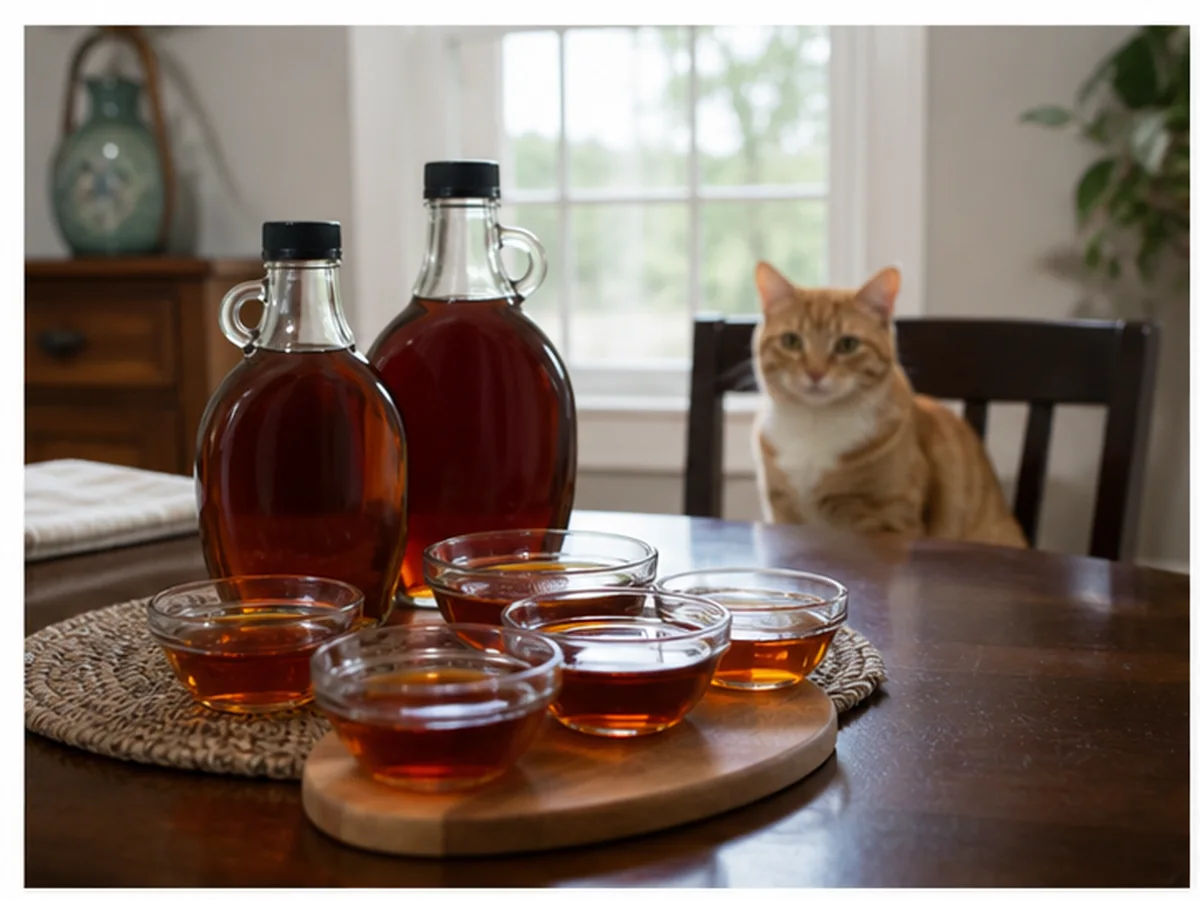
Several syrup servings can hide in a day
One family member may share a pancake edge while another offers maple bacon and a third leaves a coffee syrup cup. Record every source rather than evaluating each in isolation.
Repeated sugar and fat can interfere with calorie plans, while companion ingredients add their own hazards. A household treat log makes the real amount visible.
Use measured cat treats stored separately from breakfast supplies. This ends the debate about whether a sticky crumb already counted.
Pure syrup should remain a tightly closed human pantry item, not a calorie supplement for cats recovering from illness.
FAQ
Can cats lick pure maple syrup?
One tiny lick may be low risk for a healthy adult, but pure syrup is unnecessary concentrated sugar and should not become a treat.
Is pancake syrup the same as maple syrup?
No. Pancake syrup may contain corn syrup, flavors, color, gums, salt, preservatives, and sweeteners, so read the label.
Is sugar-free maple syrup safe for cats?
Not automatically. Verify every sweetener and keep the xylitol claim feline-specific rather than transferring dog dose thresholds.
What if hot maple syrup spills on my cat?
Contact a veterinarian immediately for burn first aid; do not apply butter, oil, ice, or household ointment.
Bottom line
Pure maple syrup is mostly a sugar-and-calorie problem, while pancake, flavored, sugar-free, hot, moldy, and packaged products add different risks. Identify the bottle and whole dish before choosing the next step.