Can Cats Eat Thyme? Fresh Herb, Dried Leaves, Essential Oil, Extracts, and Blends
A tiny accidental nibble of correctly identified culinary thyme is generally low risk, but cats do not need thyme for immunity, digestion, or parasite control. Essential oil, concentrated extract, seasoning blends, cleaners, supplements, garden chemicals, and woody stems require separate assessment.
First decide what thyme means here
Save the fresh sprig, spice jar, plant tag, oil vial, diffuser liquid, supplement, cleaner, tea, recipe, or cosmetic and note swallowing, eye, coat, or inhalation exposure. Estimate amount.
Identify common thyme, lemon thyme, dried powder, essential oil, extract, tincture, mixed herbs, and carrier ingredients. Count droppers, caps, glass, packets, and freshness seals.
Call promptly for essential oil, unknown concentrate, repeated vomiting, severe drooling, weakness, wobbliness, tremors, collapse, breathing trouble, or eye pain. Do not induce vomiting.
Culinary thyme is low risk, not needed
ASPCA lists common garden thyme as non-toxic to cats. That classification does not make the herb nutritionally necessary or prove benefit from large servings.
A tiny fresh leaf nibble may pass, while more can cause mouth or stomach irritation. Remove access and observe rather than adding thyme to meals.
Cornell’s feeding overview explains complete feline nutrient needs. Human herb traditions do not replace balanced food.
Fresh stems are woody
Thyme leaves are small, but mature stems can be stiff and splintery. Bundled sprigs may be tied with string or wire.
Coughing, gagging, repeated swallowing, pawing at the mouth, drooling, or breathing trouble needs prompt help. Do not sweep a finger blindly into the throat.
Count bouquet-garni ties and skewers after cooking. A missing string creates a linear foreign-object emergency.
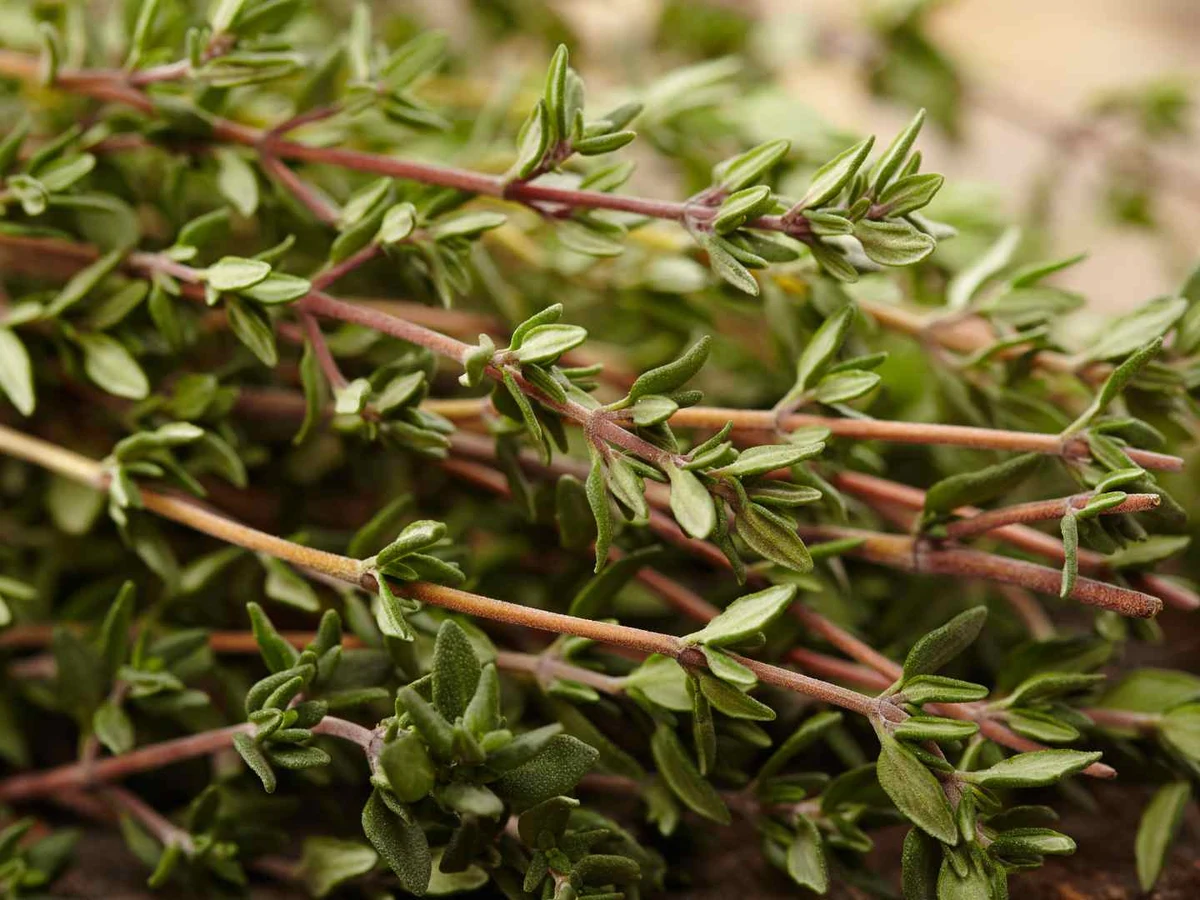
Dried herb is compact and dusty
Drying removes water, so a spoonful contains more plant material than a spoonful of fresh leaves. Powder can enter eyes and airways or cling to paws.
Move a coughing cat away without sweeping dust upward, prevent grooming, and call for persistent squinting or breathing changes. Save the jar.
A few spilled flakes differ from eating a seasoning container. Estimate from the shaker before cleanup.
Essential oil is a different product
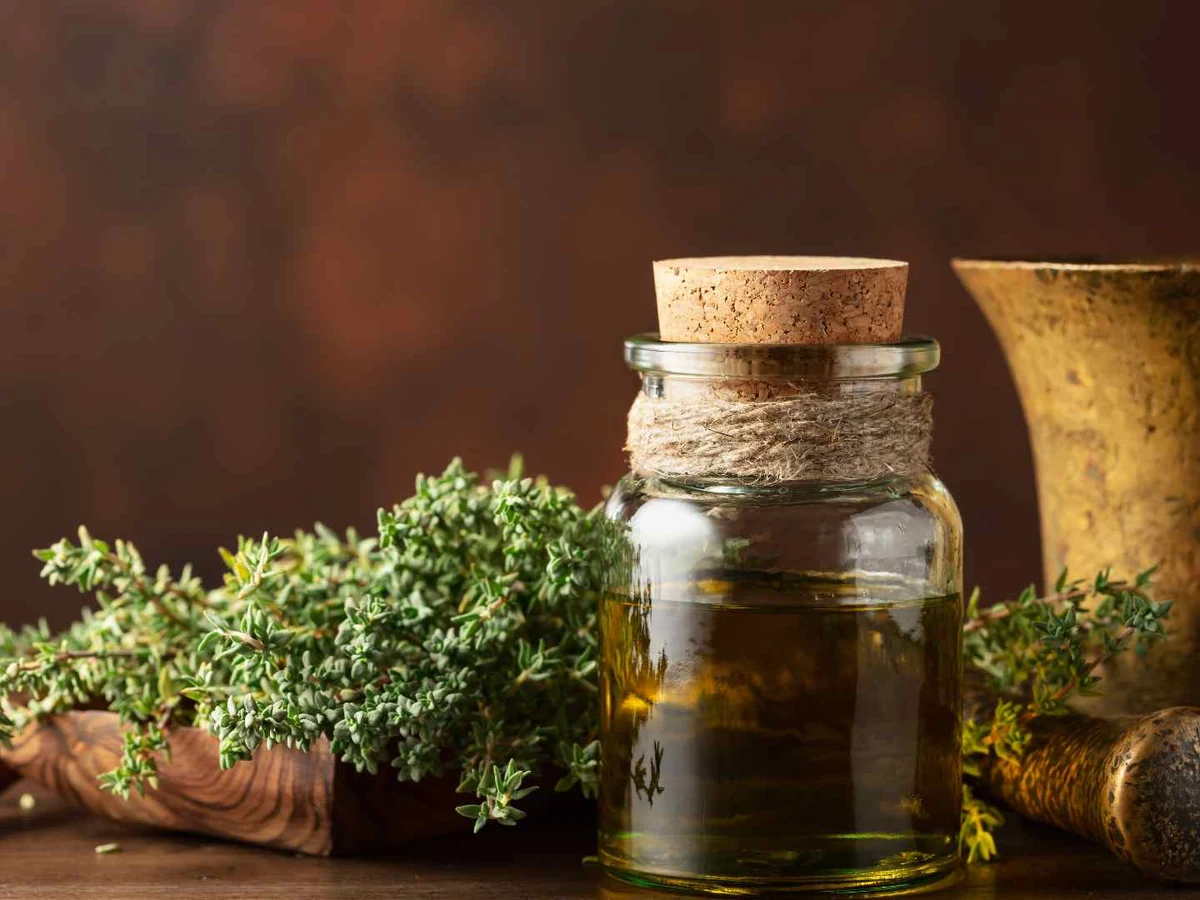
Thyme essential oil is a concentrated volatile mixture, not liquefied garnish. Cats can be exposed by swallowing, skin contact, or inhalation.
ASPCA’s essential-oil guidance notes that concentrated oils can be dangerous and recommends veterinary help after exposure. Concentration and carrier matter.
Prevent grooming and call before bathing after a spill. Do not use another oil, alcohol, or scented cleaner for decontamination.
Diffusers and simmer pots
Active diffusers release fine droplets, while reed diffusers leave concentrated liquid and chewable sticks. Simmer pots add hot water, citrus peel, cinnamon, and appliance hazards.
Turn off the device safely, move the cat to fresh air, and ventilate. Open-mouth breathing, persistent coughing, weakness, or neurologic signs is urgent.
Cats with asthma or chronic airway disease deserve a lower threshold for advice. A fragrance that seems light to a person can be intense to a cat.
Extracts, tinctures, and glycerites
Thyme extracts may contain alcohol, glycerin, oil, other herbs, sweeteners, or concentrated active constituents. Human dropper instructions cannot be scaled down into a cat dose.
Weakness, wobbliness, unusual sleepiness, low temperature, slow breathing, or collapse after alcohol-containing tincture needs urgent care. Preserve alcohol percentage.
Do not use extract for cough, infection, worms, dental disease, or immunity without veterinary evidence and direction.
Seasoning blends hide alliums and salt
Italian seasoning, poultry blends, za’atar, soup mixes, and meat rubs may combine thyme with garlic, onion, salt, sesame, oregano, chile, or other herbs. The blend matters more than the thyme name.
The cat garlic article explains why blood-cell effects can appear after the seasoned meal is gone. Call with the full recipe before pale gums, dark urine, weakness, or rapid breathing appears.
Rinsing a roast cannot reliably remove seasoning that has dissolved into fat and crevices, so use fresh unseasoned food instead. Powders and marinades remain in crevices.
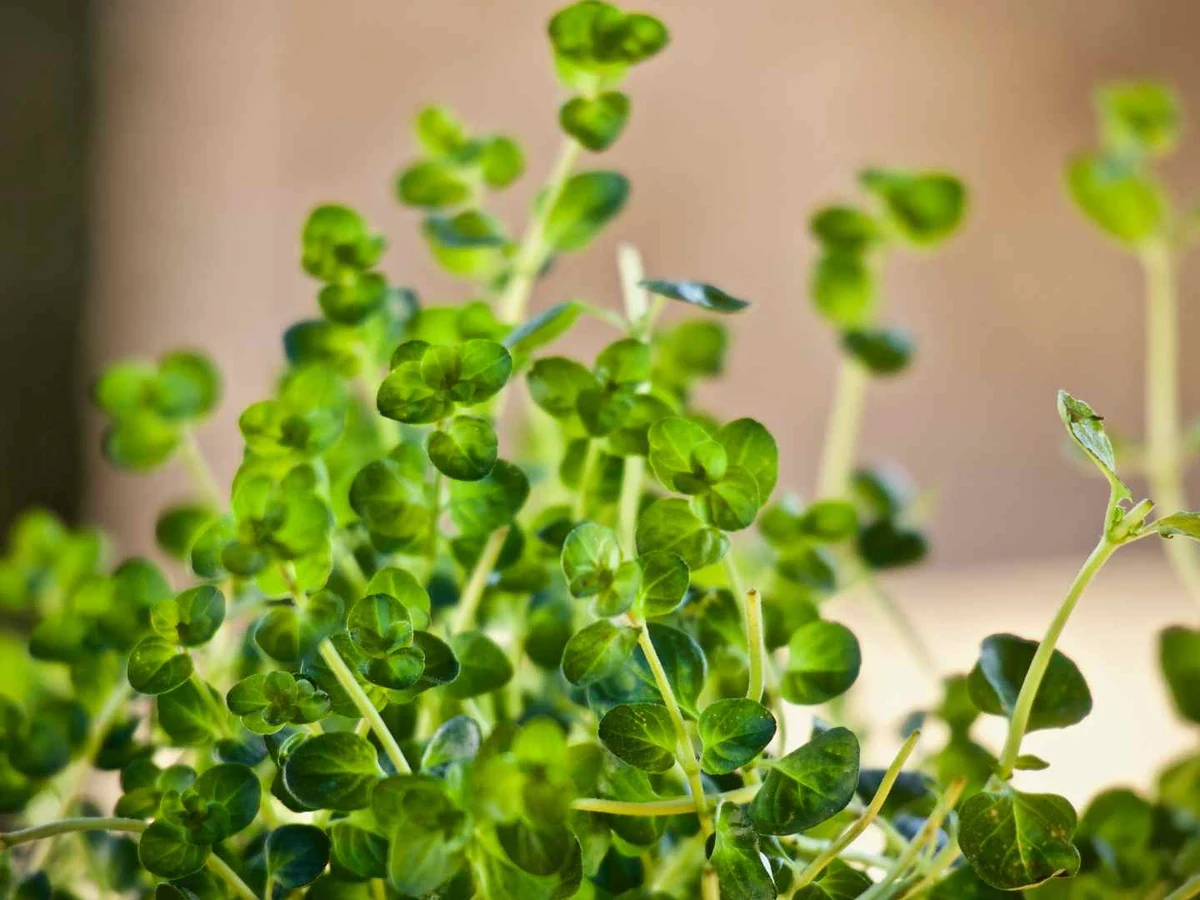
Lemon thyme is a cultivar, not lemon oil
Lemon thyme is an aromatic thyme plant, while lemon essential oil comes from citrus peel. Similar scent does not make the chemistry or exposure identical.
Photograph the plant tag and whole specimen after a garden nibble. Do not identify by smell alone.
The cat lemon-juice guide separates juice, peel oil, cleaners, and concentrate. Keep those categories distinct.
Garden plants bring other hazards
Potting soil, fertilizer pellets, pesticide, slug bait, plant stakes, wire, mulch, and moldy standing water can accompany thyme. A low-risk herb does not clear the pot.
List every product applied and photograph labels. Unknown granules or bait warrants immediate poison guidance.
Keep fresh cuttings off floors and secure compost. Cats may chew the twist tie rather than the leaves.
Tea and herbal water
Thyme tea may contain other botanicals, caffeine-containing tea, honey, lemon, alcohol, or medication. Hot liquid can burn.
Do not give herbal tea to treat coughing or congestion. Breathing signs in cats require diagnosis, and forced liquid can be aspirated.
The cat honey guide covers a common addition, but the full tea blend still matters.
Supplements and capsules
Thyme appears in respiratory, digestive, antimicrobial, antioxidant, and immune supplements. These claims often derive from human, laboratory, or traditional use rather than feline clinical trials.
The FDA’s consumer supplement page helps distinguish marketing, labeling, and drug-style expectations. Save Supplement Facts and lot numbers.
A capsule shell, desiccant, or packet can also be swallowed. Count all packaging.
Cleaning sprays and pest products
Thyme-derived ingredients may appear in cleaners, disinfectants, garden sprays, flea products, or surface treatments alongside detergents, solvents, or other oils. Natural does not mean cat-safe.
Use only pest products labeled specifically for cats and appropriate age and weight. Never substitute dog flea treatment.
After licking or coat contact, save the product and call before washing. Tremors, drooling, weakness, or seizures is urgent.
Roasts, stuffing, and soup
Thyme commonly seasons chicken, turkey, lamb, stuffing, broth, gravy, potatoes, and sausage. Bones, alliums, fat, sodium, raw meat, skewers, and string may outrank the herb.
Photograph the complete plate and count bones and ties. The cat turkey guide covers plain meat versus holiday dishes.
Scraping off leaves cannot remove dissolved seasoning or hidden bone fragments. Report the whole recipe.
Medical diets and medication interactions
Cats with liver disease, seizures, gastrointestinal illness, allergies, or prescription diets should not receive concentrated botanicals. Interaction data are incomplete.
Do not hide medicine in thyme butter or herb paste unless the prescriber approves both food and method. Some drugs need precise timing.
A cat refusing food needs timely assessment. Aromatic herbs should not disguise appetite loss.
After one tiny culinary nibble
For a healthy adult that ate a few correctly identified fresh or dried culinary leaves with no oil, alliums, chemicals, or missing packaging, continue normal food and water while watching vomiting, diarrhea, drooling, appetite, energy, and breathing.
Call if signs appear, amount grows, or the product proves concentrated. Keep the herb or label until the cat remains well.
Store oils and supplements behind closed doors and clear sprigs after cooking. A few leaves are low drama; the dropper bottle is not.
Thyme smoke and cooking fumes
Burning dried thyme, incense, or herb bundles produces particles and combustion products, not a gentle culinary exposure. Smoke can aggravate feline airways.
Extinguish safely, ventilate, and move the cat to clean air. Persistent coughing, wheezing, or open-mouth breathing needs urgent care.
Do not burn herbs as flea control, respiratory treatment, or behavior correction. Clean indoor air is the safer default.
Thymol on labels
Thymol is a constituent associated with thyme and may appear in disinfectants, mouth products, pesticides, or laboratory-grade chemicals. Its presence does not mean the product is equivalent to a fresh leaf.
Read concentration and every carrier ingredient. Save the Safety Data Sheet after cleaner or pesticide exposure.
Do not improvise a feline dose from human mouthwash or surface-product directions. Call for product-specific help.
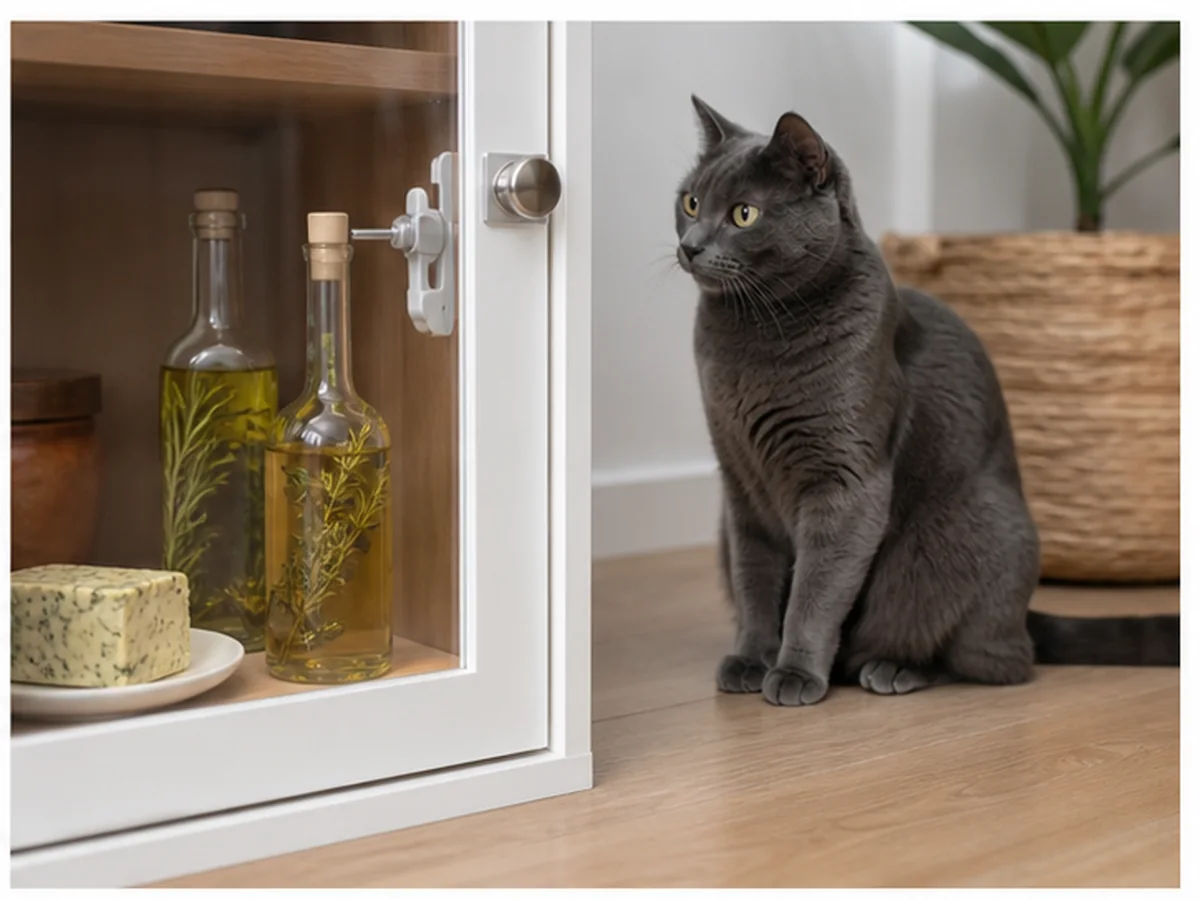
Herb butter and infused oil
Thyme butter or oil can include garlic, onion, salt, dairy, chile, and a concentrated fat load. A visible leaf may be the least important ingredient.
The cat sunflower-oil guide covers fat, hot spills, coat contamination, and infused products. Preserve the recipe.
Wipe a tiny cool surface smear from fur with a damp cloth when safe, but call for hot oil, large contamination, or eye exposure.
Keep thyme oil, extracts, and supplements in their original packages so concentration and ingredients remain available during an emergency call.
Fresh thyme stored in a damp plastic clamshell can develop mold or spoilage. Discard slimy, discolored, or foul herbs securely rather than letting the cat inspect them.
Wash hands and surfaces after handling spoiled plant material. Tremors, repeated vomiting, or marked lethargy after moldy food needs veterinary advice.
When several cats reach one herb bundle, separate them and track vomiting, stool, appetite, gait, and breathing individually. One well cat cannot clear the others.
A tiny accidental nibble of correctly identified culinary thyme is generally low risk, but it is unnecessary and should not be fed for health claims.
Frequently asked questions
Is thyme essential oil safe for cats?
Do not assume so. It is concentrated and can expose cats through swallowing, skin, and inhalation, so call after contact.
Can thyme treat worms or infection in cats?
No home thyme dose is proven safe and effective for those conditions; use veterinary diagnosis and treatment.
What if my cat ate thyme-seasoned chicken?
Assess the complete recipe for garlic, onion, salt, fat, bones, skewers, and raw or spoiled meat.
Bottom line
Culinary thyme and thyme essential oil are not the same exposure. A few leaves are generally low risk, while oil, extracts, supplements, blends, cleaners, garden chemicals, string, and mixed foods require exact identification and restrained claims.