Can Cats Have Matcha? Caffeine, Powder, Lattes, and Triage
Matcha is not safe to serve cats because it contains caffeine and is consumed as suspended tea powder rather than discarded leaves. A latte can add milk and sweeteners, baking mixes may include chocolate, and a dry spill can expose eyes, lungs, paws, and the mouth during grooming.
A green dusting and a missing drink are different incidents
First decide whether the cat licked prepared tea, drank a latte, ate dry powder, stepped in a spill, chewed a sachet, or stole matcha food. The product form controls both caffeine estimation and the immediate physical hazards.
| Matcha form | Main questions |
| Traditional whisked tea | Powder weight, bowl volume, amount missing |
| Latte | Matcha, dairy or plant milk, sugar, sweetener |
| Dry culinary powder | Inhalation, eyes, coat, concentrated ingestion |
| Premix sachet | Caffeine, sugar, creamer, torn packaging |
| Dessert or snack | Chocolate, coffee, dough, fat, wrappers |
| Extract or supplement | Declared caffeine, concentrate, other stimulants |
Matcha keeps the leaf in the cup
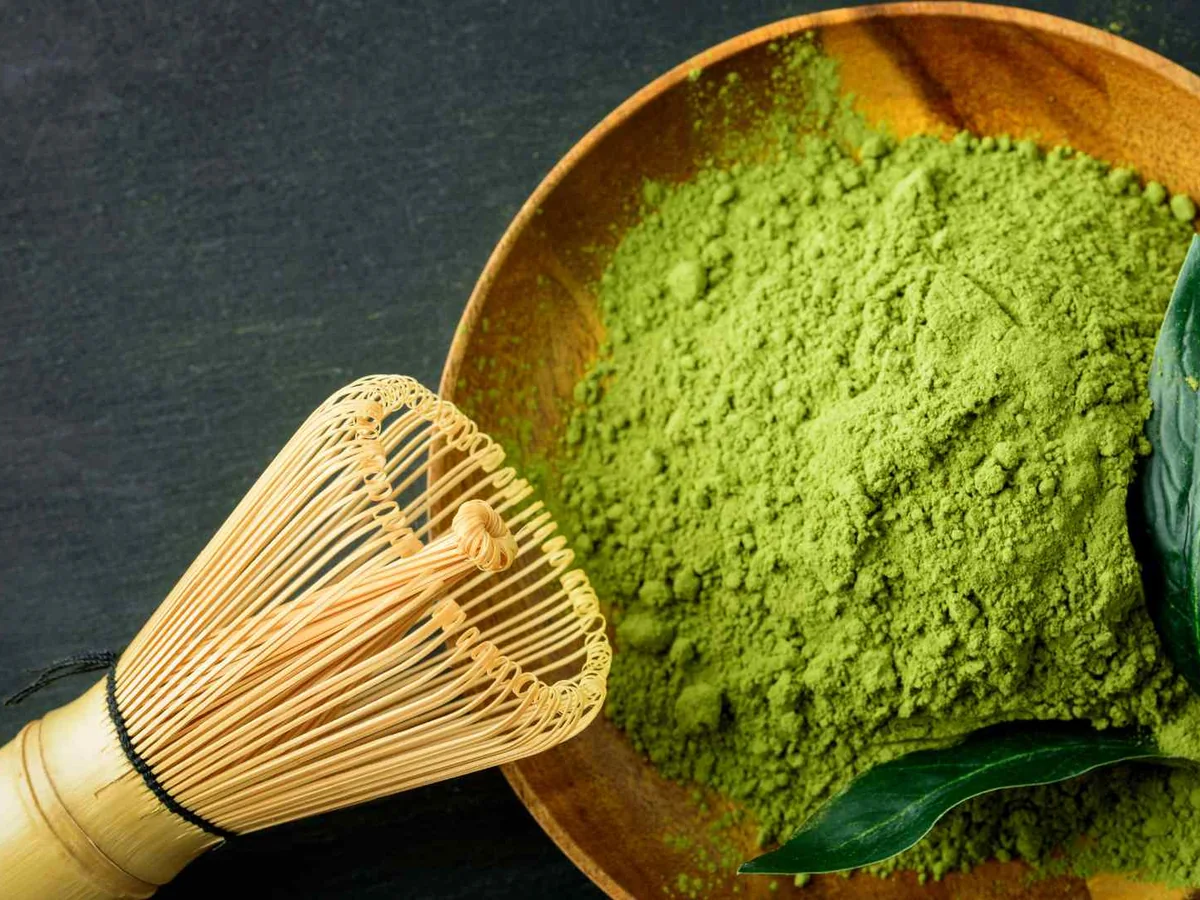
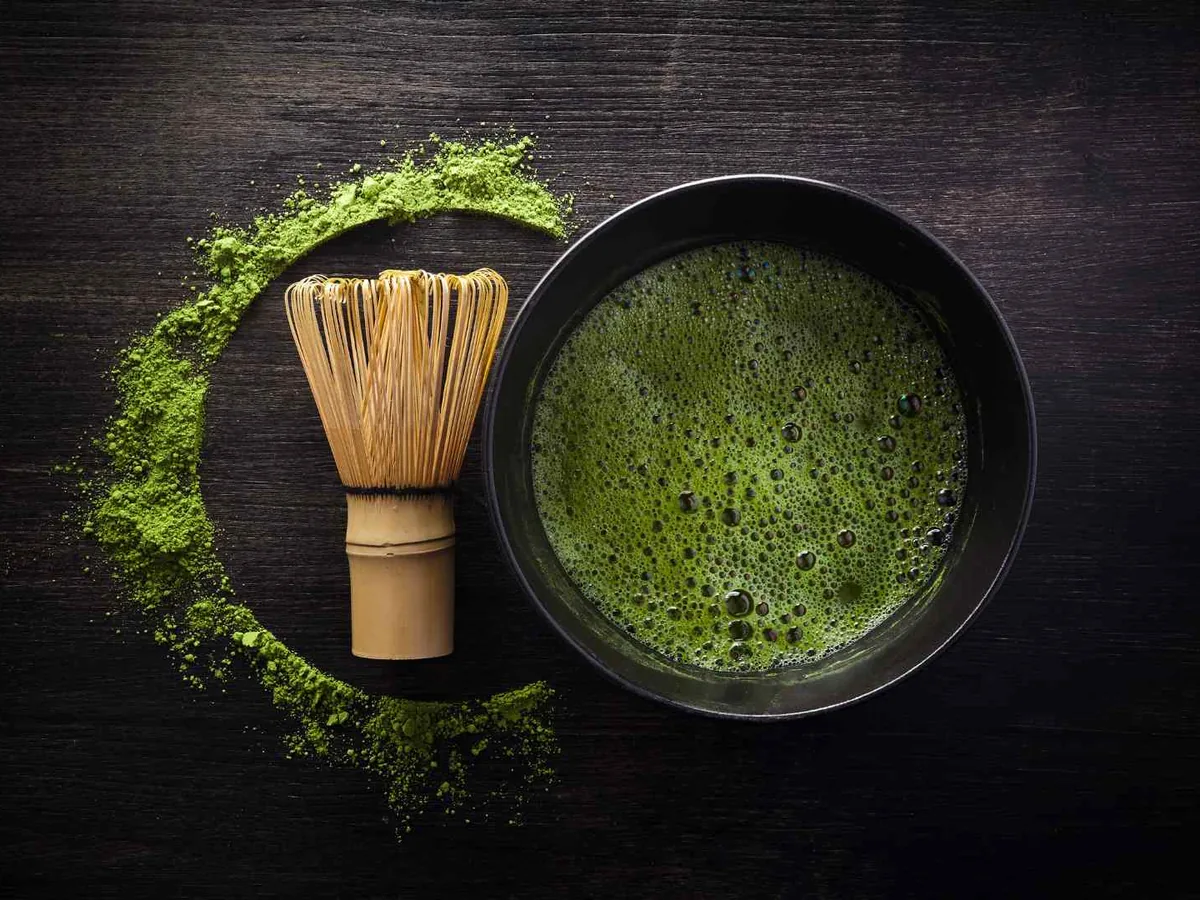
Matcha is finely milled green tea, so the powder is whisked into liquid and consumed rather than steeped and removed like a tea bag. That makes product weight and concentration especially important after an exposure.
Color does not establish authenticity or caffeine content, and ceremonial, culinary, latte, sweetened, and instant powders can differ. Save the exact tin or packet rather than estimating from how green the foam looked.
Traditional preparation may use a small bamboo scoop, while cafés and baking recipes use teaspoons, tablespoons, pumps, or proprietary packets. Record the utensil and how level or heaped it was, because powder weight is more useful than a description such as one green cup.
Caffeine is the urgent toxicology issue
FDA lists caffeine among potentially dangerous items for pets, including tea and energy drinks. Cats should not be given a human beverage serving or a home-calculated fraction of one.
Restlessness, repeated vomiting, rapid breathing, a racing or irregular heartbeat, tremors, overheating, seizures, or collapse after matcha needs immediate veterinary attention. Signs can intensify, so waiting for several symptoms before calling wastes useful treatment time.
Product caffeine varies too much for cup folklore
Leaf source, growing, processing, powder weight, scoop size, recipe, and added extracts can change caffeine. Restaurant staff may know scoops but not milligrams, while supplement labels may report a standardized amount.
FDA notes that caffeine content varies among products and that restaurants are not required to disclose it. Human daily guidance cannot be converted into a feline allowance.
Call with evidence, not a homemade dose calculation
Gather the brand, product name, lot, powder weight, serving directions, caffeine statement, recipe, missing volume, time, cat’s weight, conditions, medications, and current signs. A photograph of the remaining bowl can help estimate the maximum exposure.
Do not use a dog or human caffeine threshold to decide that a cat is safe, and do not wait for an online calculator to agree with your concern. A veterinarian or animal poison service can interpret the actual case.
Kittens have little body mass, and cats with heart disease, high blood pressure, seizures, hyperthyroidism, kidney disease, or stimulant medication may warrant even faster assessment. Do not reduce urgency because the drink was marketed as calm energy.
There is no safe home antidote
Do not induce vomiting, give peroxide, salt, charcoal, milk, oil, bread, or an antacid, and do not force water. Caffeine cases may require controlled decontamination, heart monitoring, seizure control, temperature management, and fluid decisions in a clinic.
Keep the cat quiet in a dim, safe room while arranging transport, but do not delay for grooming or a full meal. Prevent stairs and high furniture if agitation or tremors begin.
Dry powder can become an airway event
A knocked tin creates a cloud of fine particles that can coat eyes, nostrils, whiskers, fur, and paws. Fans, sweeping, and a frightened sprint can spread powder through several rooms.
Move the cat into clean air, prevent grooming, and call for safe eye and coat cleaning instructions. Persistent coughing, wheezing, marked squinting, open-mouth breathing, blue-gray gums, or collapse is urgent.
After the cat is secure elsewhere, damp-wipe surfaces according to the product directions rather than dry-sweeping powder back into the air. Check pawprints beyond the original spill because matcha travels with impressive determination.
Matcha latte means reading the whole cup
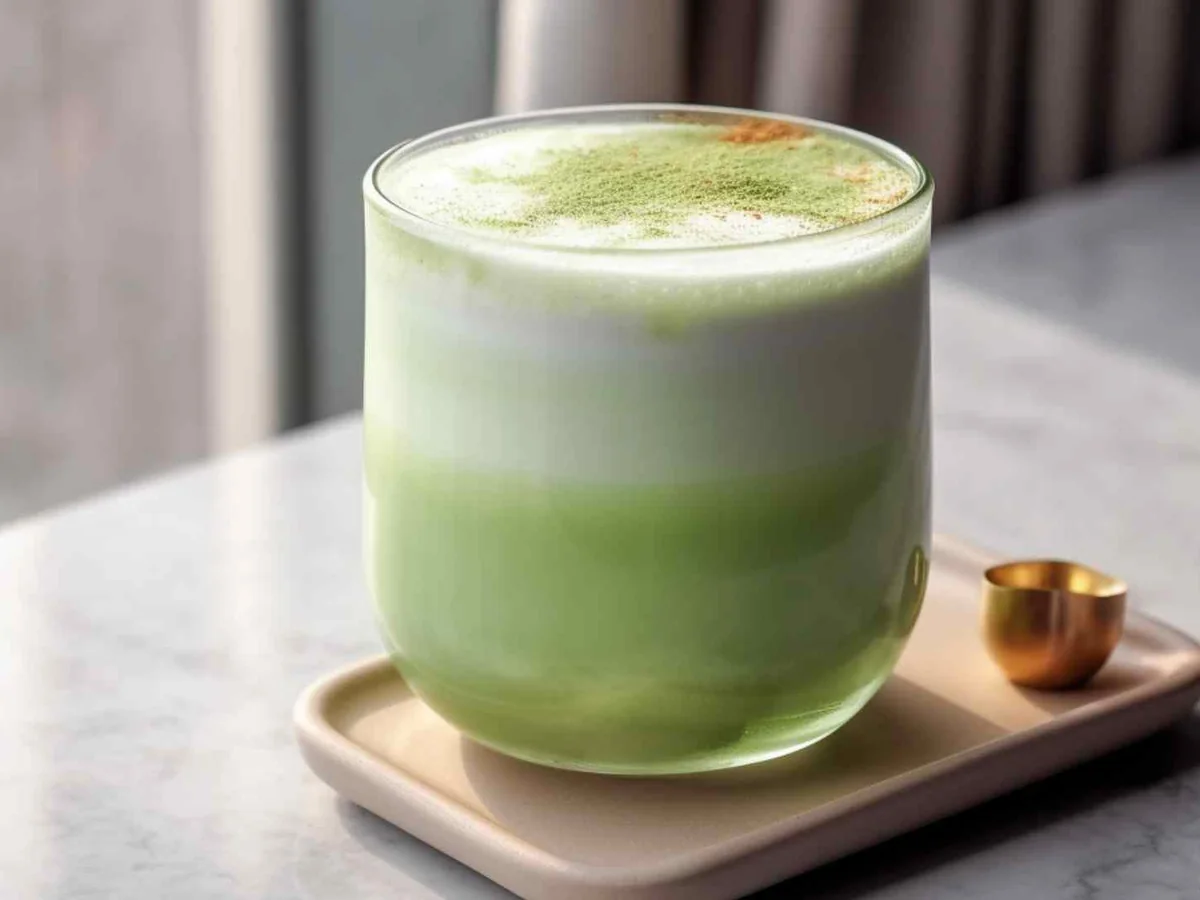
Hot and iced lattes may contain cow’s milk, oat or almond drink, cream, sugar, vanilla, syrup, honey, sweetener, cold foam, chocolate drizzle, or an extra espresso shot. The caffeine sources can stack.
A dairy lick may cause digestive upset, but espresso or chocolate changes urgency. Use the site’s dairy roundup only after the caffeinated ingredients are identified and professional triage is underway.
Bottled matcha drinks may contain several servings, require refrigeration after opening, and add fruit juice, boba, protein, collagen, or vitamins. A cat can drink more from an unattended wide cup than from a shallow lick of foam.
Hot tea can burn before caffeine signs appear
Freshly whisked matcha and steamed milk can scald the mouth, skin, or paws, and thick foam retains heat. Drooling, mouth pawing, red tissue, sudden food refusal, or skin pain needs prompt care.
Do not apply ice, butter, oil, ointment, or numbing gel to a suspected burn. Keep the whisk, kettle cord, ceramic shards, and hot bowl away during cleanup.
Premixes can hide concentrated tea and creamer
Instant sticks may combine matcha with sugar, milk powder, coconut creamer, starch, flavor, emulsifiers, vitamins, or added caffeine. A sachet swallowed with powder creates both toxicology and foreign-body questions.
Flatten the wrapper and account for corners, tear strips, desiccants, clips, and carton film. Call for a missing package even when the drink itself was never prepared.
Desserts bring chocolate, dough, and fat
Matcha cookies, mochi, cakes, macarons, ice cream, tiramisu, and candy can add raw dough, chocolate, coffee, alcohol, dairy, nuts, sweeteners, or sticky wrappers. The tea powder is only one line in the recipe.
The chocolate guide helps identify cocoa concentration, while matcha contributes its own caffeine. Save bakery labels and do not assume green dessert means less stimulant than brown dessert.
Energy blends are not ordinary tea
Pre-workout powders, focus supplements, energy bars, and wellness shots may combine matcha with pure caffeine, guarana, yerba mate, kola nut, green-tea extract, or other stimulants. Milligrams can far exceed a culinary dusting.
FDA warns that pure and highly concentrated caffeine is difficult to measure and can cause dangerous heart rhythms, seizures, and death in people. Any pet exposure to such a product needs immediate professional help.
Decaffeinated and caffeine-free are different claims
Decaffeinated tea can retain caffeine, while a product marketed as matcha flavor may contain little tea or use a separate flavor blend. Neither front label settles the ingredient question.
Treat an unknown imported, café, or homemade powder as uncertain until the manufacturer or recipe clarifies it. A decaf human serving is still not a planned cat treat.
Tea ceremony tools can become contraband
Bamboo whisks can shed narrow tines, scoops are easy to bat away, and ceramic bowls can shatter. Cloths and paper filters coated with tea may also be swallowed.
Count tool pieces and call for splinters, string, broken ceramic, gagging, vomiting, pain, or appetite loss. Do not pull a fragment or thread that resists.
Matcha does not treat feline disease
Human claims about antioxidants, metabolism, calm focus, cancer, liver health, or immunity do not demonstrate clinical benefit or dosing safety in cats. Caffeine stimulation is not a remedy for lethargy or poor appetite.
A quiet or non-eating cat needs evaluation, not green-tea powder. The site’s tea guide compares tea bags, herbal infusions, brewed tea, caffeine, and packaging without turning any of them into medicine.
Matcha also should not be sprinkled onto food for weight control or used to wake a senior cat. Weight loss and declining energy can signal painful or systemic disease, and stimulant exposure may obscure the problem while adding cardiac and neurologic risk.
Store tea tins above counter height in a closed cabinet, wipe scoop residue promptly, and empty café cups before placing them in an accessible recycling bin. A fitted lid is useful until the tab and straw become toys.
If several cats shared the scene, assume each could have reached the maximum plausible amount until evidence says otherwise. Separate them for observation and record signs individually instead of averaging the missing drink across the household.
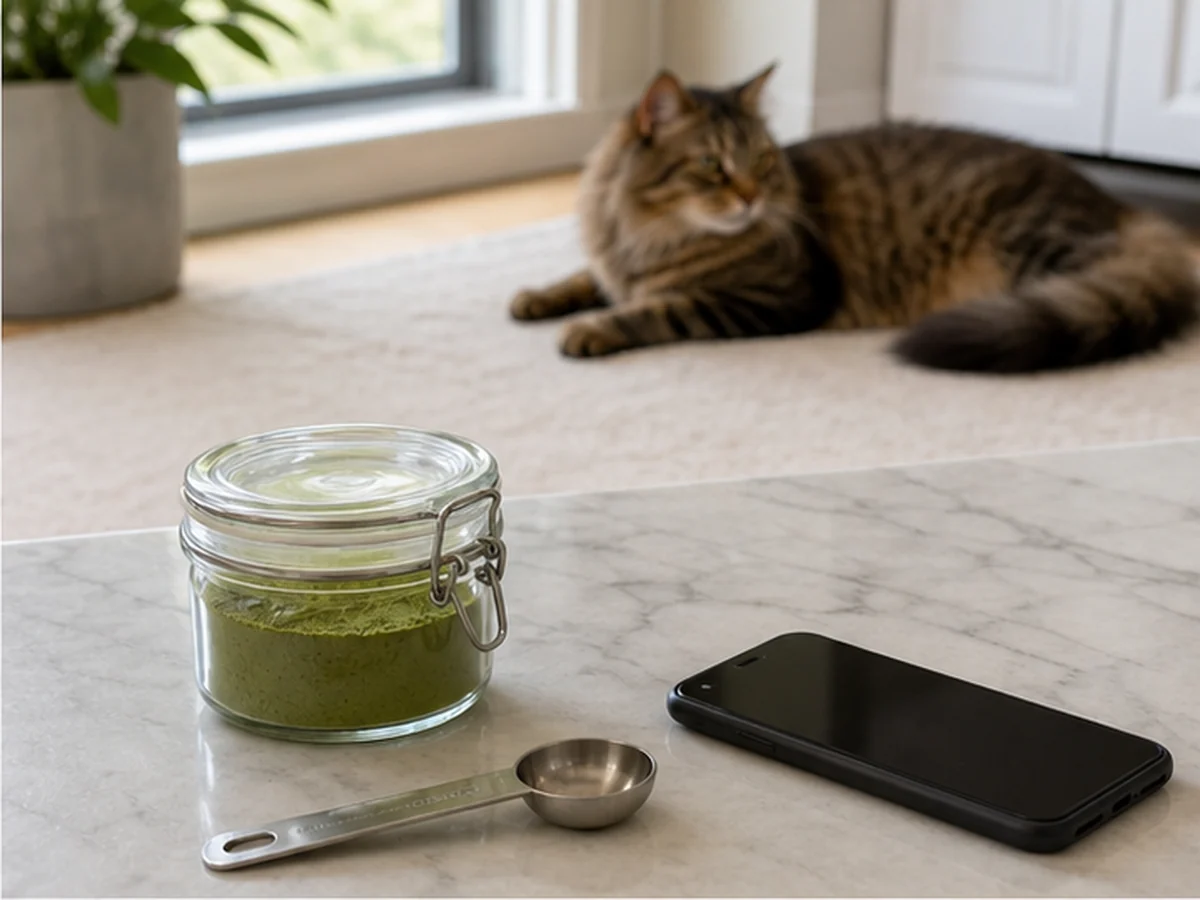
The matcha-spill response
- Remove powder, drink, dessert, supplements, hot tools, broken ware, and packaging.
- Identify culinary matcha, latte mix, tea extract, supplement, or unknown green powder.
- Record powder or drink amount, time, weight, caffeine statement, recipe, route, conditions, and signs.
- Call immediately for ingestion beyond a trivial residue, concentrates, added stimulants, symptoms, or uncertain product.
- Follow professional transport and cleanup directions without attempting home vomiting or neutralization.
Frequently asked questions
Can cats have a lick of matcha?
Do not offer it. A tiny accidental residue may cause no sign, but matcha contains caffeine and product strength varies, so identify the amount and call if more than a trace is possible.
What if my cat drank a matcha latte?
Save the cup and recipe, estimate the missing volume, and contact a veterinarian or poison service because caffeine is primary and espresso, chocolate, sweeteners, or heat may add risk.
Can I make my cat vomit after matcha?
No. Home vomiting methods can cause additional injury, and caffeine management may require monitored veterinary treatment.
Is matcha powder worse than brewed green tea?
Matcha suspends milled leaf in the drink, and a dry spoonful is concentrated relative to a lick of weak tea. Exact products and amounts still determine triage.
Bottom line
Matcha’s caffeine makes it unsuitable for cats, and fine powder adds eye, airway, coat, and measuring problems. Lattes, desserts, extracts, supplements, hot bowls, tools, and wrappers expand the incident, so preserve the evidence and call promptly instead of testing a home remedy.