Can Cats Have Molasses? Sugar, Dough, Sweeteners, and Jar Risks
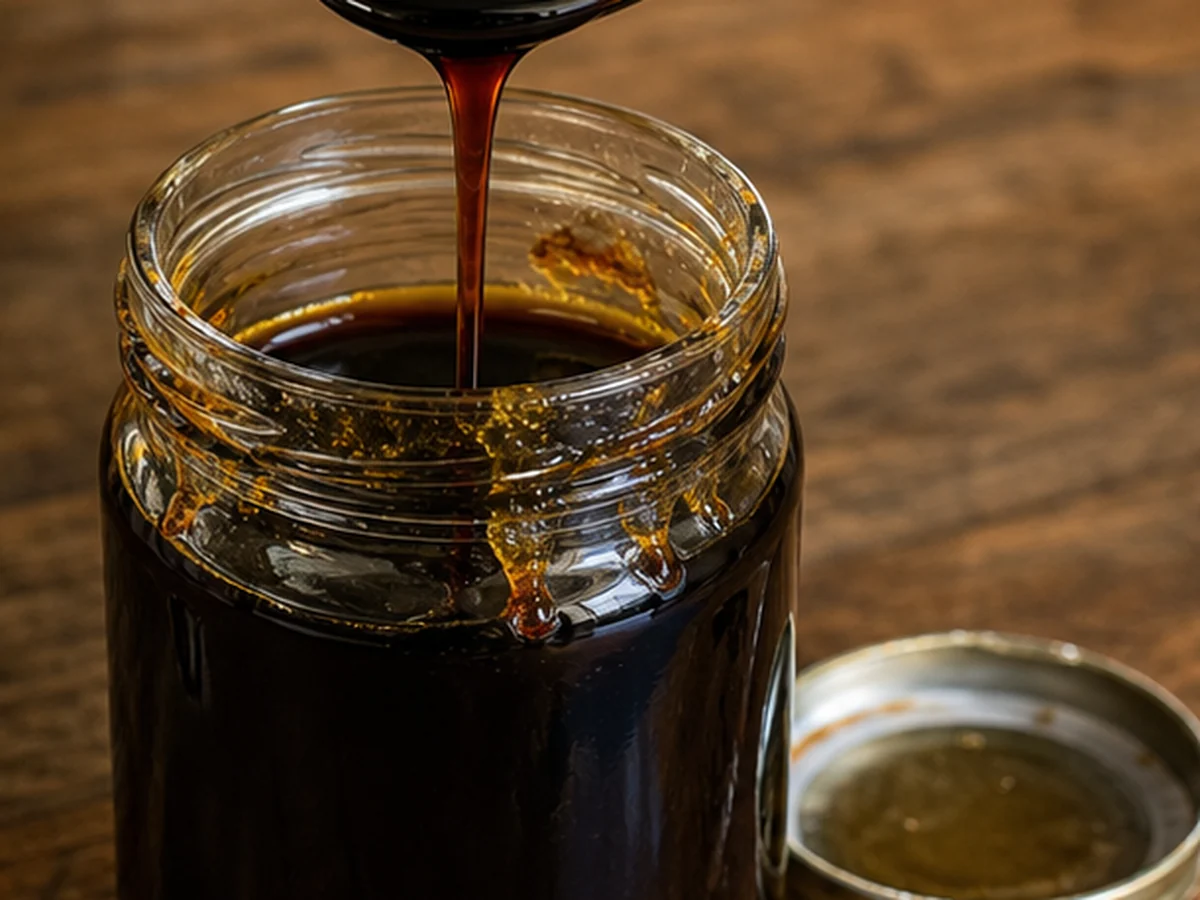
Molasses is not an appropriate cat treat, though a tiny lick of ordinary unsweetened molasses is unlikely to cause acute poisoning by itself. The sticky syrup adds sugar without feline benefit, while raw yeast dough, chocolate recipes, flavored products, sweetener blends, jars, lids, and pantry spills can change urgency.
The jar label solves more than the syrup color
Molasses can mean light, dark, blackstrap, unsulfured, sulfured, cane, beet, pomegranate-style syrup, sorghum syrup, treacle, baking blend, livestock product, or supplement. These names do not guarantee the same sugars, minerals, additives, or concentration.
| Product | What matters |
| Light or dark cane molasses | Amount, sugar, recipe use |
| Blackstrap | Concentrated flavor and minerals, no feline supplement dose |
| Sorghum or treacle | Different source, blend, label |
| Flavored syrup | Chocolate, coffee, spices, sweeteners |
| Raw dough or batter | Yeast, flour, eggs, other ingredients |
| Feed or garden product | Non-food additives, contamination, package |
One lick is not the same as a toppled jar
A tongue-tip taste may produce no sign, while several tablespoons can cause vomiting, diarrhea, abdominal discomfort, or appetite disruption. Sticky syrup also coats fur and invites prolonged grooming.
Remove access, preserve the label, estimate the missing mass from container weight when possible, and note every recipe ingredient. Call for a large amount, repeated vomiting, weakness, breathing change, foreign material, or a medically vulnerable cat.
Sugar is unnecessary without being an instant poison
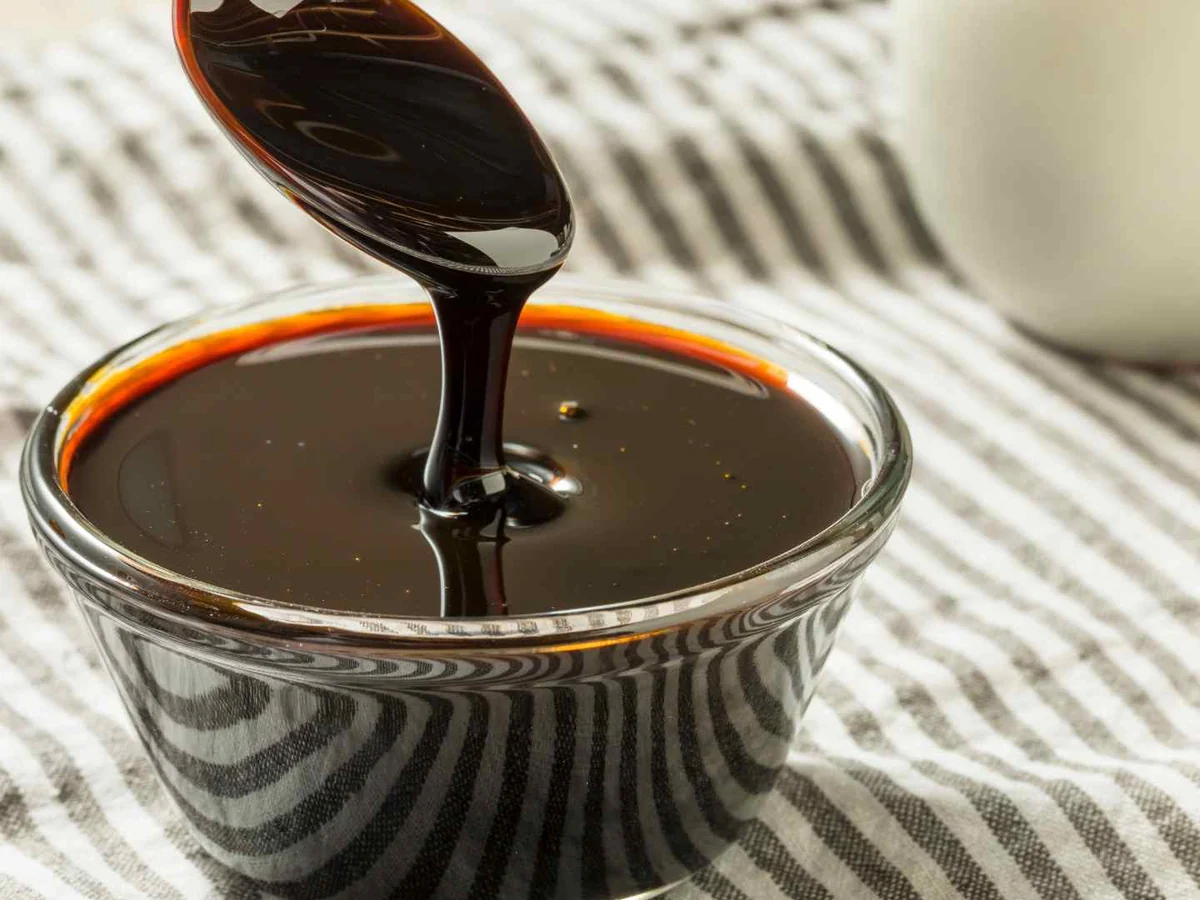
Ordinary molasses is dominated by sugars and contributes calories that a complete cat diet does not need. Routine spoonfuls can undermine weight or diabetes management without producing a dramatic one-time event.
Do not tell readers one lick causes diabetes, and do not describe sugar as though it were xylitol. Accurate triage separates a low-concern residue from a large syrup raid and from a product containing a genuinely hazardous addition.
Cats do not experience sweets as people do, yet fat, novelty, meat residue, or the movement of a spoon can still attract them. A syrup theft is not evidence of a sugar deficiency or a reason to add sweetness to regular meals.
Blackstrap mineral claims do not create feline medicine
Blackstrap is the more concentrated residue from repeated sugar processing and may be marketed for iron, calcium, potassium, or other minerals. Human serving information cannot be converted into a cat supplement dose.
Do not use it for anemia, constipation, potassium problems, weakness, pregnancy, coat quality, or appetite. Those signs and conditions require diagnosis, because extra minerals can be useless or harmful depending on disease and the complete diet.
Iron-deficiency anemia is only one possible anemia, and feline anemia can involve blood loss, red blood cell destruction, kidney disease, marrow problems, infection, or toxins. A sweet mineral source can delay the testing needed to distinguish them.
Sulfured does not mean sulfur poisoning
Some traditional molasses uses sulfur dioxide during processing, while unsulfured products do not. The front-label term is a manufacturing distinction and should not be turned into a claim that a tiny taste causes elemental sulfur toxicity.
Asthma, food sensitivity, and product-specific additives still matter, and formulas vary. Read ingredients and call for coughing, wheezing, facial swelling, collapse, or persistent gastrointestinal signs regardless of the marketing term.
Sugar-free blends need feline evidence boundaries
Pancake syrups and baking blends may combine molasses flavor with corn syrup, erythritol, stevia, monk fruit, xylitol, or other sweeteners. Identify each ingredient rather than assuming a brown bottle contains pure cane syrup.
FDA’s xylitol guidance describes severe canine toxicity and says xylitol does not appear as dangerous for cats. That limited feline statement does not justify copying a dog dose or guaranteeing an unknown blend is safe.
Raw yeast dough turns a pantry lick into an emergency
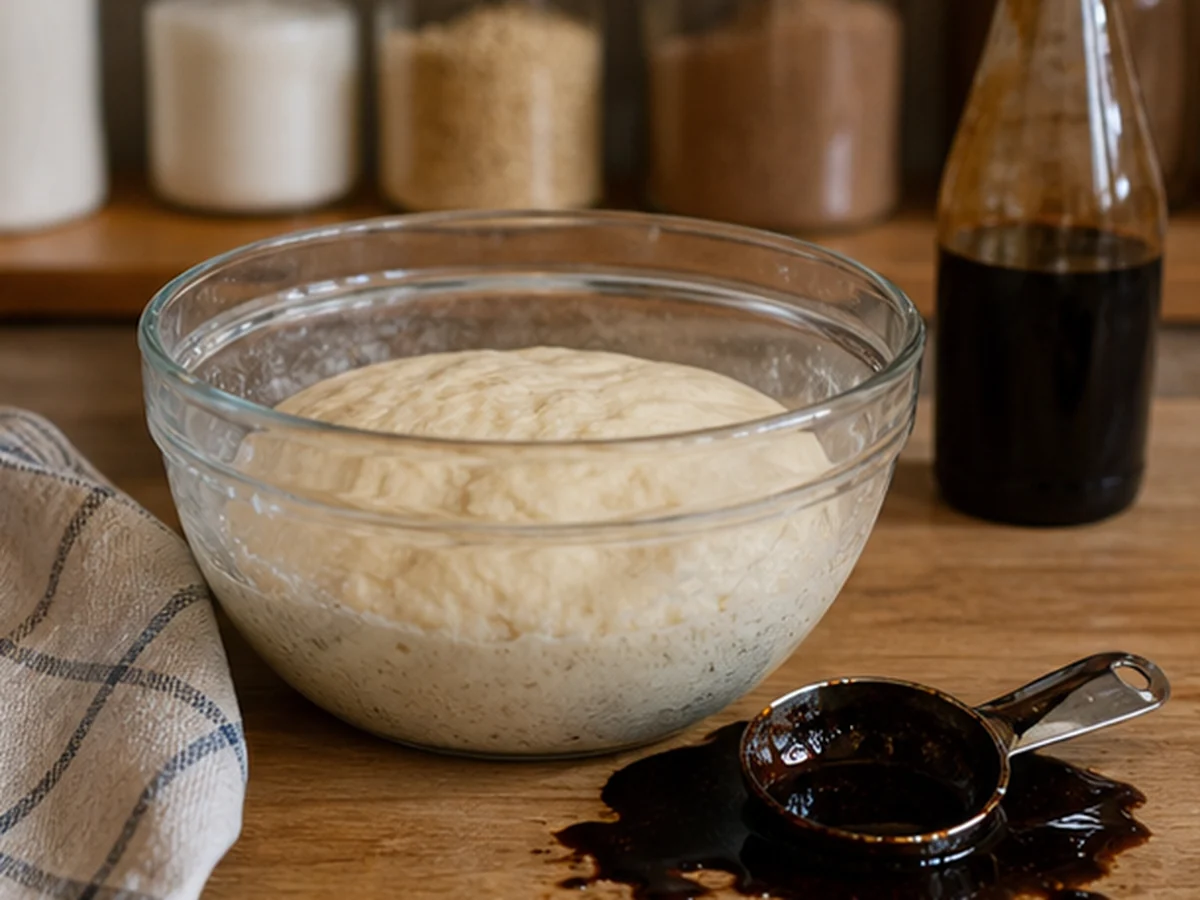
Molasses appears in rye, whole-wheat, brown bread, rolls, and sweet dough. Live yeast dough can expand in the stomach and produce ethanol during fermentation.
A swallowed lump of rising dough warrants immediate veterinary contact, especially with abdominal swelling, unproductive retching, weakness, wobbliness, sleepiness, low body temperature, or collapse. Do not wait for the loaf to rise before making the call.
CDC advises against eating raw dough or batter because uncooked flour and raw eggs can carry germs. The cat bread guide separates finished crumbs from yeast dough, mold, raisins, and ties.
Gingerbread is a complete recipe
Molasses commonly appears in gingerbread with flour, butter, egg, ginger, cinnamon, nutmeg, cloves, sugar, and sometimes chocolate, raisins, icing, alcohol, or candy decorations. A cat may steal the ribbon or toothpick along with the cookie.
Use the site’s gingerbread guide for the finished product, and preserve the recipe. Molasses alone cannot answer for raw batter, concentrated spices, mold, or a decorative wire.
Barbecue sauce and baked beans add salt and Alliums
Molasses sweetens barbecue sauce, glazed meats, baked beans, marinades, and canned foods that may contain onion, garlic, mustard, chile, smoke flavor, vinegar, salt, or alcohol. The savory product can be more concerning than the sweetener.
Call promptly for confirmed Alliums or an uncertain amount, and keep the ingredient panel. Scraping sauce off meat does not remove seasoning already dissolved through it.
Restaurant glaze can also contain bourbon, rum, coffee, mustard, hot pepper, or concentrated stock. Ask for the recipe rather than accepting sweet sauce as a complete description.
Chocolate and coffee can hide in dark desserts
Dark cookies, brownies, energy bites, and sauces may combine molasses with cocoa, cacao, chocolate chips, espresso, or coffee extract. Color cannot distinguish plain blackstrap from methylxanthine ingredients.
The chocolate article helps organize cocoa type and amount, but caffeine may require its own calculation. Save every package instead of judging by a lick mark.
Sticky fur extends the exposure
Molasses can mat fur, trap debris, and pull skin during grooming. Prevent licking calmly and ask for cleaning directions if more than a small outer-coat spot is involved.
Do not use solvents, essential oils, alcohol, or concentrated degreaser on the cat. Scissors near syrup-tightened skin are risky when an annoyed animal decides the salon appointment is over.
A warm damp cloth may be appropriate for a tiny external smudge only if the clinic agrees and skin is intact. Extensive matting, eye contact, skin redness, or a distressed cat merits professional handling instead of repeated kitchen bathing.
Glass jars and metal lids deserve an inventory
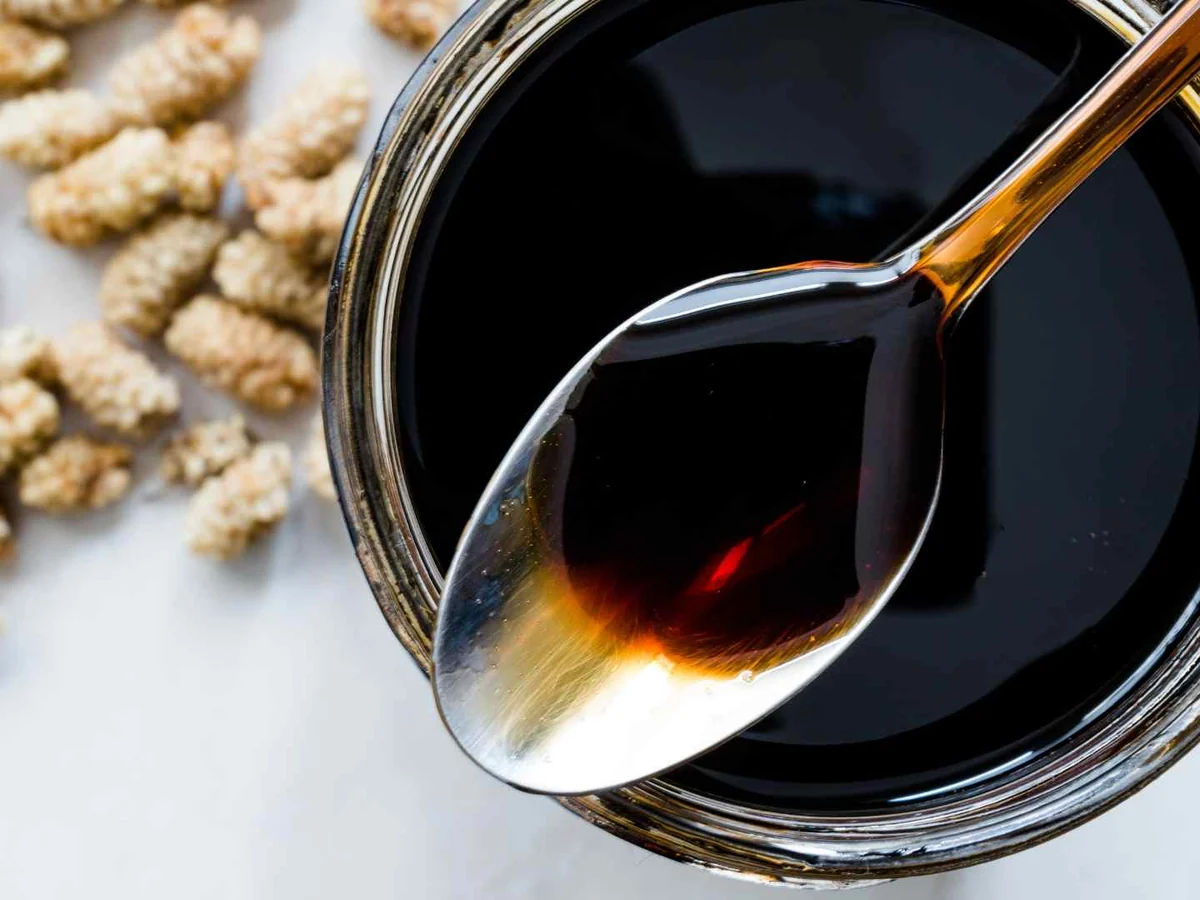
A dropped jar combines syrup with sharp glass, while lids, tamper rings, foil seals, measuring spoons, and plastic squeeze caps can disappear into the mess. Keep pets out until every piece is recovered.
Blood, limping, mouth pain, gagging, vomiting, or suspected glass ingestion needs prompt care. Never induce vomiting after a sharp-object concern.
Pantry and farm products are not interchangeable
Feed-grade molasses blocks, livestock supplements, garden additives, and industrial products may contain minerals, medications, preservatives, binders, or contaminants not intended for cats. Their labels and concentrations require professional review.
Do not let a farm cat lick a tub because molasses appears in human baking. Photograph the full product and report every active or nutritional ingredient after access.
Spoilage can hide beneath a strong aroma
Molasses is shelf-stable under appropriate conditions, but water contamination, dirty utensils, damaged seals, fermentation, insects, or mold can spoil a product. Follow the manufacturer’s storage instructions and discard abnormal containers securely.
Fizziness, pressure, leakage, mold, insects, or an unexpectedly alcoholic odor changes the incident. Keep the lot and opening date rather than tasting questionable syrup to decide what the cat consumed.
A pantry leak can soak cardboard, flour bags, rodent bait, cleaning products, or medication stored nearby. Photograph the shelf and identify every wet package before deciding molasses was the only accessible material.
It is not a constipation remedy
Molasses is sometimes promoted as a home laxative, yet diarrhea is not safe treatment for feline constipation. Straining can also reflect urinary blockage, pain, pelvic disease, or a foreign object.
A male cat passing little or no urine needs emergency assessment. Do not pour syrup into a reluctant mouth or delay care while waiting for a bowel movement.
Complete cat food already balances minerals
FDA explains what complete and balanced means for pet food intended as a sole diet. Molasses lacks the feline nutrient pattern required for maintenance or growth.
Adding syrup for calories can crowd out protein and other required nutrients, while adding it for iron or potassium bypasses diagnosis. A veterinarian can choose a measured nutritional intervention when one is actually needed.
The sticky-jar response
- Move the cat from syrup, dough, recipe, hot pan, glass, lids, spoons, and wrappers.
- Identify cane, blackstrap, sulfured, sorghum, blend, feed product, or recipe form.
- Record amount, time, weight, conditions, sweeteners, dough status, storage, objects, and signs.
- Call for raw yeast dough, toxic recipe ingredients, large amount, feed product, spoilage, glass, or symptoms.
- Use normal food and water only as advised, without inducing vomiting or testing a mineral remedy.
Frequently asked questions
Is molasses poisonous to cats?
A tiny lick of ordinary food-grade molasses is unlikely to cause acute poisoning, but it adds sugar without benefit and larger amounts can upset digestion.
Can cats have blackstrap molasses for iron?
No home dose is appropriate. Anemia has many causes and needs veterinary testing, while blackstrap minerals can unbalance the diet or conflict with disease.
What if my cat ate molasses bread dough?
Call immediately if the dough contained live yeast because expansion and ethanol production can be dangerous. Save the recipe and estimate the missing lump.
Is sugar-free molasses safer?
Not automatically. Syrup blends can contain several sweeteners, and feline evidence for some is limited, so identify the exact product and contact a professional about uncertain exposure.
Bottom line
Plain molasses is an unnecessary sugar rather than a routine feline poison, but the jar often leads into bigger questions about raw yeast dough, chocolate, Alliums, sweetener blends, supplements, sticky fur, glass, and constipation folklore. Investigate the product before deciding the syrup is the whole story.