Can Dogs Eat Dark Chocolate? Cocoa Percentage, Amount, and Emergency Signs
Dark chocolate can be dangerous to dogs, and a meaningful exposure deserves prompt veterinary or poison-control advice. If your dog ate it, I would save the wrapper and cocoa percentage before doing anything else, because “dark chocolate” covers products with very different methylxanthine concentrations.
Collect the four numbers that actually matter
- Your dog’s current weight.
- The chocolate’s cocoa or cacao percentage, when listed.
- The largest number of ounces that could be missing.
- The time the chocolate was eaten.
Also save the complete ingredient list and note fillings, nuts, raisins, coffee, alcohol, or sweeteners. I would rather overestimate the missing chocolate slightly than build the entire decision around the most optimistic possible bite.

Dark chocolate contains more methylxanthines than milk chocolate
Theobromine and caffeine are the main chocolate compounds that cause poisoning in dogs. They stimulate the central nervous system and cardiovascular system, increase muscle activity and urine production, and can cause dangerous rhythm disturbances or seizures at high enough doses.
Dark chocolate generally contains substantially more methylxanthines per ounce than milk chocolate because it contains more cocoa solids. That means a smaller amount can create the same or greater risk, especially for a small dog.
Our complete dog chocolate guide compares the major chocolate forms. This page focuses on dark bars, baking-style dark chocolate, truffles, coatings, and products where the cocoa percentage can help narrow the estimate.
Cocoa percentage is useful, but it is not a perfect toxin label
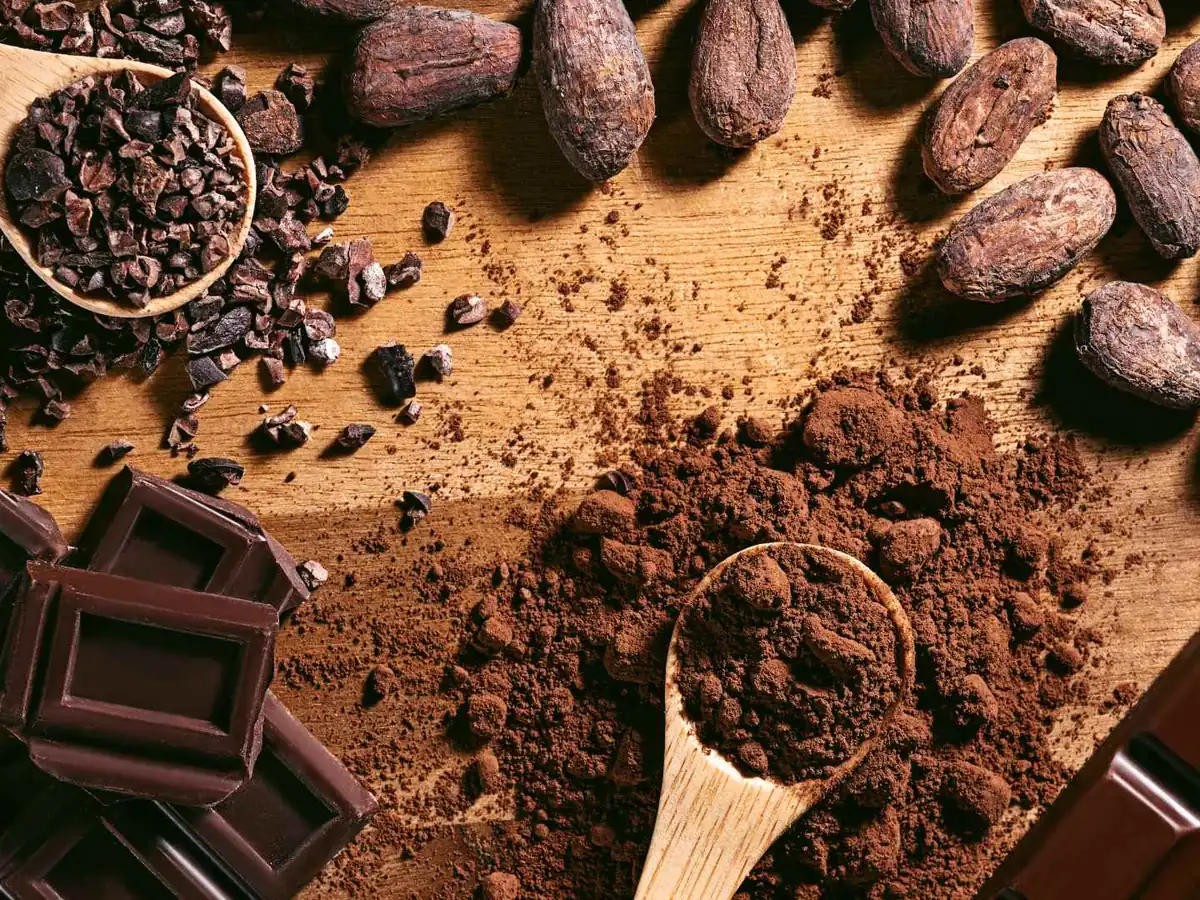
A 70-percent bar generally contains more cocoa solids than a 50-percent bar, but cocoa percentage does not directly state milligrams of theobromine or caffeine. Bean variety, processing, recipe, and manufacturer can all affect the final concentration.
Still, the percentage helps a veterinary professional avoid treating every brown square as identical. Take a photo of the front and back of the wrapper rather than relying on your memory of whether it said 72 percent, 78 percent, or “extra dark.”
A 90-percent bar deserves more respect than a milk-chocolate candy bar
Very high-cocoa chocolate can approach the risk profile of other concentrated chocolate products. The bitterness does not reliably discourage dogs, especially if the bar is coated with nuts, fruit, caramel, or something else worth stealing.
If a small dog swallowed several ounces of a high-percentage bar, I would not spend time waiting for symptoms to decide whether the situation is real. Call with the package and dose estimate immediately.
The first signs can look like a simple stomach problem
Early signs can include vomiting, diarrhea, restlessness, increased thirst, and increased urination. Those signs may progress to panting, agitation, a rapid or abnormal heart rhythm, tremors, overheating, seizures, collapse, or coma after a larger exposure.
Chocolate signs often develop over several hours rather than immediately. A dog acting perfectly normal twenty minutes after eating a dark bar has not completed a meaningful observation period.
Go to an emergency veterinary hospital immediately for tremors, seizures, collapse, severe agitation, weakness, breathing changes, or a known large high-cocoa exposure. Do not exercise a restless dog to burn off the stimulation.
Truffles can add alcohol, coffee, or rich fillings
Dark-chocolate truffles may contain espresso, coffee liqueur, rum, whiskey, raisins, macadamias, nut butter, or sugar-free fillings. The coating is only one ingredient in the exposure.
Inventory the filling and report it with the chocolate type. A dog that eats coffee truffles can receive caffeine from both cocoa and coffee, while alcohol-filled chocolates add ethanol to the clinical picture.
Raisin-filled dark chocolate needs an urgent kidney-risk call
Raisins and dried grape products can cause acute kidney injury in dogs, and the susceptible dose is unpredictable. A dark chocolate bar with raisins therefore combines a dose-dependent methylxanthine problem with a grape exposure that cannot be safely cleared by counting a few raisins at home.
Save the package and call promptly. Our raisin guide covers the kidney concern separately.
Sugar-free dark chocolate needs a xylitol check
Many sugar-free chocolates use sweeteners other than xylitol, but some specialty products can contain it. Xylitol can cause dangerous hypoglycemia in dogs and, at larger doses, can be associated with liver injury.
If xylitol appears in the ingredients, call immediately and mention both exposures. Our xylitol emergency guide covers the low-blood-sugar and liver concerns separately.

Chocolate-covered espresso beans can stack caffeine sources
An espresso bean coated in dark chocolate combines caffeine in the coffee bean with methylxanthines in the chocolate. Several missing pieces can therefore be more concerning than the chocolate shell alone suggests.
Report the product, bean count, package weight, and caffeine information if listed. Our caffeine guide covers why coffee beans and grounds can be concentrated exposures.
Fat can still matter after the chocolate calculation
Dark chocolate contains significant fat, and filled bars can add nuts, coconut, caramel, or nut butter. A large binge may cause vomiting, diarrhea, or pancreatitis in a susceptible dog even if the methylxanthine dose does not reach a severe range.
Dogs with previous pancreatitis or prescribed low-fat diets deserve specific advice. “Below the chocolate emergency threshold” does not automatically mean “nothing else can happen.”
Foil and wrappers are worth counting too
Dogs frequently swallow chocolate with foil, paper, plastic, or cardboard attached. Small pieces may pass, but several wrappers or a large plastic sleeve can cause choking or gastrointestinal obstruction.
Repeated vomiting, retching, abdominal pain, refusal to eat, lethargy, or inability to keep water down after swallowed packaging deserves evaluation. Tell the veterinary team what packaging is missing during the first call.
Do not induce vomiting without case-specific instructions
A veterinary professional may consider vomiting after a recent chocolate ingestion in an appropriate dog, but it is not safe for every patient. Tremors, seizures, weakness, poor coordination, breathing problems, swallowed objects, or certain medical conditions can change that decision.
Do not use salt, mustard, oil, or fingers. If a veterinarian specifically directs hydrogen peroxide, follow the exact amount and method provided for your dog.
A quiet room beats a long walk
If your dog is restless while you arrange care, keep the environment calm, cool, and safe from stairs. Exercise increases cardiovascular demand and heat production and can make a stimulated dog harder to monitor.
Bring the wrapper to the clinic. I would rather arrive carrying a slightly sticky chocolate package than arrive with a beautifully clean kitchen and no idea what percentage bar disappeared.
Frequently asked questions
Is 70-percent dark chocolate dangerous to dogs?
It can be, depending on the amount and dog’s weight. Higher-cocoa chocolates generally contain more methylxanthines than milk chocolate, so call with the exact percentage and package weight after a meaningful exposure.
What if my dog ate one square of dark chocolate?
One square can mean very different amounts between brands. Use the package weight, number of squares in the bar, cocoa percentage, and dog’s weight rather than relying on the word “square.”
Is dark chocolate worse than milk chocolate for dogs?
Yes, ounce for ounce, dark chocolate generally contains substantially more methylxanthines than milk chocolate. That means smaller amounts can be clinically important.
Can I wait for symptoms?
Do not wait after a known meaningful dark-chocolate exposure. Early advice can influence decontamination and monitoring decisions before severe stimulation develops.
Bottom line
Dark chocolate deserves more caution than milk chocolate because it generally contains far more theobromine and caffeine per ounce. Save the cocoa percentage, estimate the amount honestly, include fillings and wrappers, and call promptly after a meaningful exposure instead of using normal behavior as a safety test.