Can Dogs Eat Green Onions? Allium Risks and Triage
No, dogs should not eat green onions. Scallions and green onions belong to the Allium family, and raw, cooked, dried, or powdered forms can damage a dog’s red blood cells, so an exposure deserves a prompt call to a veterinarian or animal poison service even when the dog still looks normal.
The quick answer, without the kitchen confusion
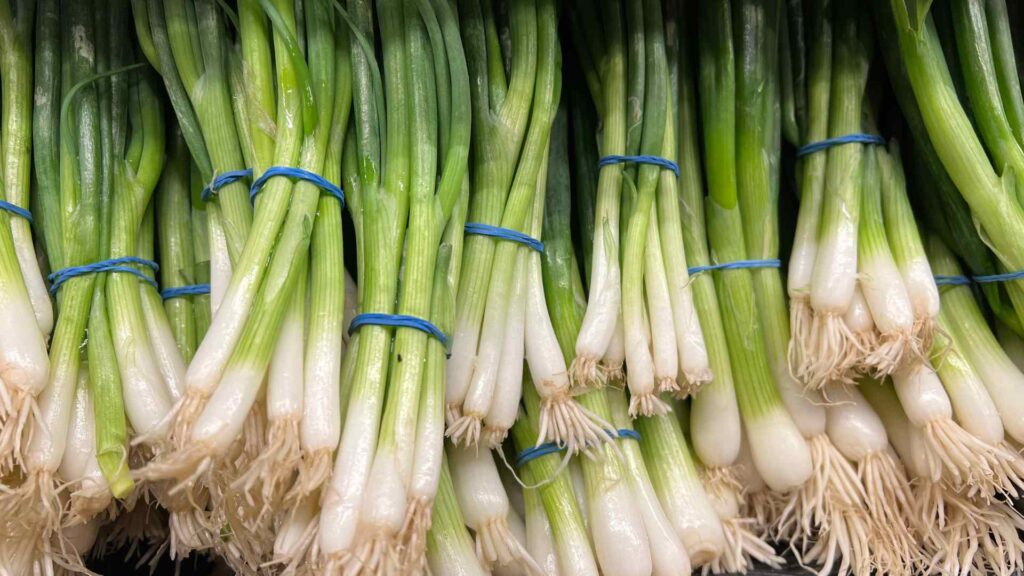
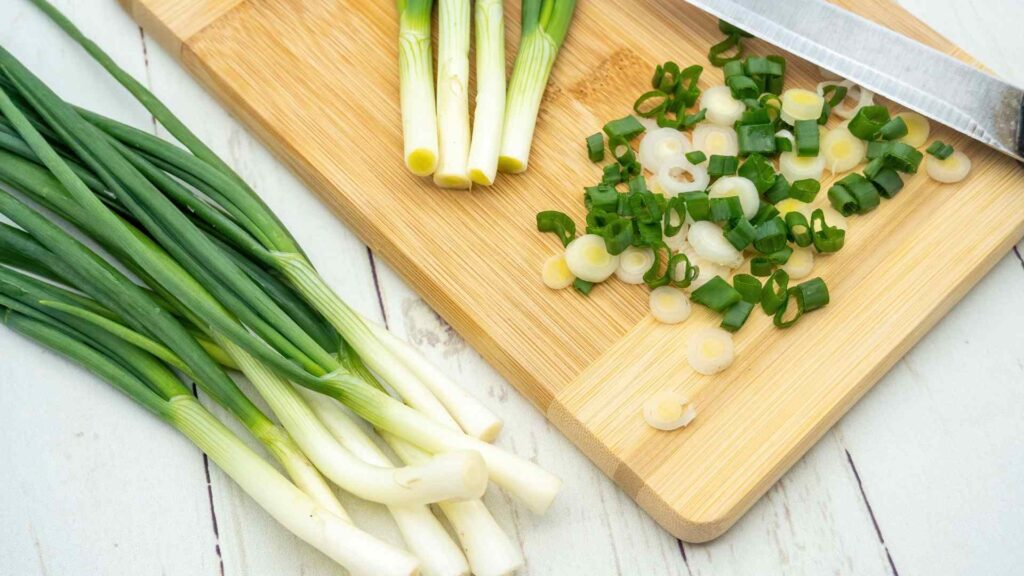
The names can be muddled at the grocery store, but green onions, scallions, and many products sold as spring onions are Allium plants. The white base and hollow green leaves are both parts of the plant, so trimming away the bulb does not turn the tops into a safe garnish.
This is different from a mild stomach reaction to an unfamiliar vegetable. The sulfur-containing compounds in Allium species can oxidize red blood cells, producing Heinz bodies and hemolytic anemia, according to the Merck Veterinary Manual’s Allium toxicosis review.
A dog who steals one fleck from the floor is not in the same situation as a dog who empties a container of scallion pancakes. The correct response still begins with gathering facts and calling, because body weight, amount, product concentration, timing, and exposures on previous days can change the risk.
Why green onions can cause delayed trouble
Allium compounds create oxidative injury inside red blood cells. Damaged cells may be removed from circulation or rupture, leaving the body with fewer working cells to carry oxygen.
The timeline is one reason owners can be falsely reassured. Merck notes that oxidative changes can begin within about 24 hours, peak later, and clinically important hemolysis may appear several days after ingestion rather than during the first hour.
Early vomiting or diarrhea can occur, but the absence of stomach signs does not clear the dog. A pet may seem ordinary after dinner and become weak, pale, fast-breathing, or unusually tired later as anemia develops.
Repeated small access matters too. A dog receiving broth, leftovers, or a supplement containing Allium on several consecutive days may have a more meaningful cumulative history than any single serving suggests.
Every form belongs on the exposure list
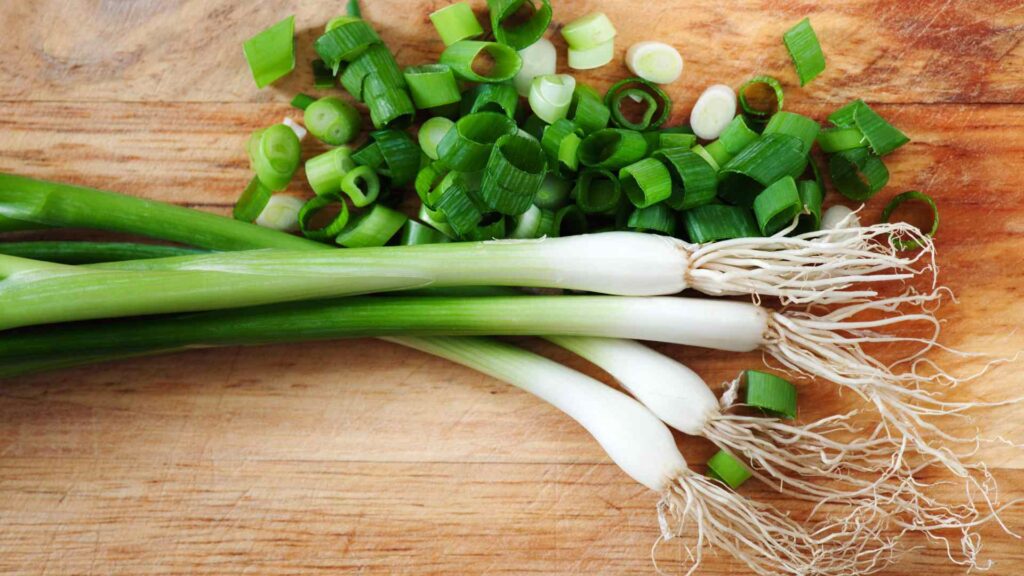
Fresh chopped scallions are the obvious source, yet cooking does not make Allium safe. Stir-fried green onions, baked garnishes, soup vegetables, frozen mixes, and softened pieces from a casserole still count.
Dried flakes, granules, and powders may be easy to miss and can be concentrated. Seasoning packets, instant noodles, bouillon, gravy mixes, dips, spice blends, and snack coatings deserve a full ingredient-label check.
Broth is not harmless just because no vegetable pieces remain. Allium ingredients used while simmering can be part of the finished liquid, and salty broth creates an additional concern covered in our guide to salt and dogs.
Green onion oil, infused oil, extracts, and supplements should not be improvised as dog remedies. Product strength and composition vary, and oil or capsules can deliver ingredients in a very different form from a stray fresh sliver.
Foods where scallions hide in plain sight
Restaurant and takeaway foods are common exposure puzzles because the recipe may not be visible. Fried rice, dumplings, ramen, pho toppings, savory pancakes, sushi rolls, tacos, baked potatoes, cream-cheese spreads, salads, and omelets can all contain green onions.
The green flecks are only one piece of the risk assessment. A stolen bowl may also contain garlic, regular onion, concentrated sauce, fatty meat, hot chile, or enough salt to create separate problems.
Soy-based sauces are especially salty and are often served with scallions. Our soy sauce safety guide explains why a lick and a spilled bowl require different conversations.
Pizza can carry green onion, garlic sauce, cheese, cured meat, and raw dough hazards in one tempting box. Use the pizza guide to inventory the whole stolen item rather than focusing on a single topping.
What to do right after a dog eats green onions
- Move the food, container, leftovers, and accessible trash out of reach without putting your hands near a guarding dog.
- Save the package, recipe, restaurant receipt, or a clear photo of the ingredient list and remaining food.
- Estimate the earliest and latest possible time, the amount missing, the form of Allium, and your dog’s current weight.
- Call your veterinarian, an emergency veterinary hospital, or a recognized animal poison service promptly for case-specific instructions.
- Mention any green onion, onion, garlic, leek, chive, broth, powder, or supplement exposure from the previous several days.
Do not wait for anemia signs before making the call. Earlier advice gives the veterinary team more useful options and lets them plan appropriate observation, examination, or blood testing for the individual exposure.
Do not induce vomiting unless a veterinary professional who knows the details directs you to do so. Hydrogen peroxide, salt, oils, fingers in the throat, and other internet remedies can cause aspiration, irritation, sodium poisoning, or delayed care.
Signs that need urgent veterinary attention
Seek emergency care for collapse, marked weakness, difficulty breathing, very rapid breathing, pale or yellow gums, red or dark brown urine, repeated vomiting, confusion, or inability to stand. These signs are not specific to Allium poisoning, but each is serious.
Other possible clues include poor appetite, lethargy, fast heart rate, exercise intolerance, abdominal discomfort, diarrhea, and panting without an obvious reason. The ASPCA onion toxic-plant entry lists red-blood-cell breakdown, weakness, panting, vomiting, and blood in the urine among recognized effects.
Check gum color only if your dog is calm and you can do it safely. A normal-looking gum check at home cannot rule out evolving anemia, and repeated poking can stress a sick or frightened animal.
What the veterinarian may need to know
Bring the product or photographs when possible. Brand, recipe, serving size, amount missing, ingredient order, preparation method, exposure time, body weight, current symptoms, and health history are more useful than a vague report of some onions.
Tell the team about medications, supplements, previous anemia, recent illness, and every likely Allium exposure. Also mention whether packaging, skewers, foil, bones, or other foreign material disappeared with the food.
Veterinary evaluation may include an examination and blood work chosen for the timing and severity. Because changes can evolve, a clinician may recommend follow-up rather than relying on one early snapshot.
Treatment is individualized and may include decontamination when appropriate, supportive care, monitoring, and treatment for anemia. Severe cases can need oxygen support or transfusion, which is why a home dose calculator is a poor substitute for professional triage.
Which dogs deserve extra caution?
Small dogs can receive more food per pound from the same dropped serving than large dogs. Puppies and dogs with anemia, heart or lung disease, or other significant illness may also have less reserve if red blood cells are damaged.
Some sources discuss breed-related differences in susceptibility, but no breed should be treated as protected. The practical rule is simpler: identify the exposure precisely and let a veterinary professional assess this dog, this product, and this timeline.
A dog that already has vomiting, diarrhea, weakness, pale gums, or dark urine should not be watched casually at home. Symptoms shift the situation from preventive advice to an urgent medical assessment.
How to prevent the next exposure
Store scallions inside a closed refrigerator compartment rather than hanging them from an accessible shelf. Put grocery bags away promptly, and use a lidded trash container that cannot be tipped or nosed open.
During meal preparation, create a dog-free zone around the cutting board and stove. Tiny rings bounce farther than expected, and a quick floor check before releasing the dog is easier than reconstructing how much vanished.
Ask everyone who feeds the dog to skip table scraps, broths, gravies, and seasoning mixes unless the complete ingredient list has been checked. A well-meant ‘plain’ spoonful can still contain onion-family powder.
Keep the numbers for your regular veterinarian, nearest emergency hospital, and preferred animal poison service in your phone. That small preparation turns a panicked ingredient hunt into a clear, fast call.
Safer ways to add interest to a dog’s bowl
A complete and balanced dog food does not need an onion-family garnish. If a veterinarian approves extras, use a small amount of a known dog-safe food and keep all treats combined within the calorie allowance recommended for that dog.
Plain cooked carrot, a small cucumber piece, or another familiar veterinary-approved option can provide variety without Allium. Introduce only one new food at a time, cut it to a safe size, and stop if stomach upset follows.
Do not replace green onion with garlic, chives, leeks, onion powder, or another close relative. Our garlic guide explains the same red-blood-cell concern in another common kitchen ingredient.
Frequently asked questions
Can dogs eat only the green tops?
No. The green leaves and the white base belong to the same Allium plant, so color and location do not create a safe part.
Does cooking green onion remove the toxin?
No. Cooked, dried, and granulated Allium forms remain relevant, and concentrated seasoning can be harder to quantify than a visible fresh piece.
My dog ate one tiny ring and looks fine. Is it an emergency?
A single tiny fresh ring is a different exposure from a bowl of scallion-heavy food, but appearance alone cannot settle risk because signs may be delayed. Call with the dog’s weight, amount, timing, form, and recent Allium history so a professional can advise proportionately.
Can I give milk, bread, or water to neutralize it?
No household food neutralizes oxidative red-blood-cell injury. Leave normal drinking water available unless a veterinarian says otherwise, but do not force fluids or delay the call while trying a kitchen remedy.
Are spring onions always the same thing?
Produce names vary by region, and ‘spring onion’ may describe a young onion with a more developed bulb. Treat an uncertain onion-like plant as an Allium until the exact identity is confirmed.
The bottom line
Green onions are not a dog treat, whether fresh, cooked, dried, powdered, or hidden in broth. Remove access, document the entire product and recent exposure history, call promptly, and stay alert for delayed weakness, pale or yellow gums, breathing changes, and dark urine.
The ASPCA’s people-food guidance likewise warns that onion-family foods can irritate the gut and damage red blood cells. That evidence supports calm action, not panic: get the facts, skip home remedies, and let a veterinary professional set the next step.