Can Dogs Eat Green Olives? Pits, Brine, and Stuffings
A tiny piece of plain, pitted, unsalted green-olive flesh is unlikely to poison most healthy dogs, but commercial olives are rarely that simple. Pits, brine, sodium, garlic or cheese stuffings, alcohol marinades, spices, mold, jars, lids, and packaging make them a poor routine treat.
The olive itself is not the whole question
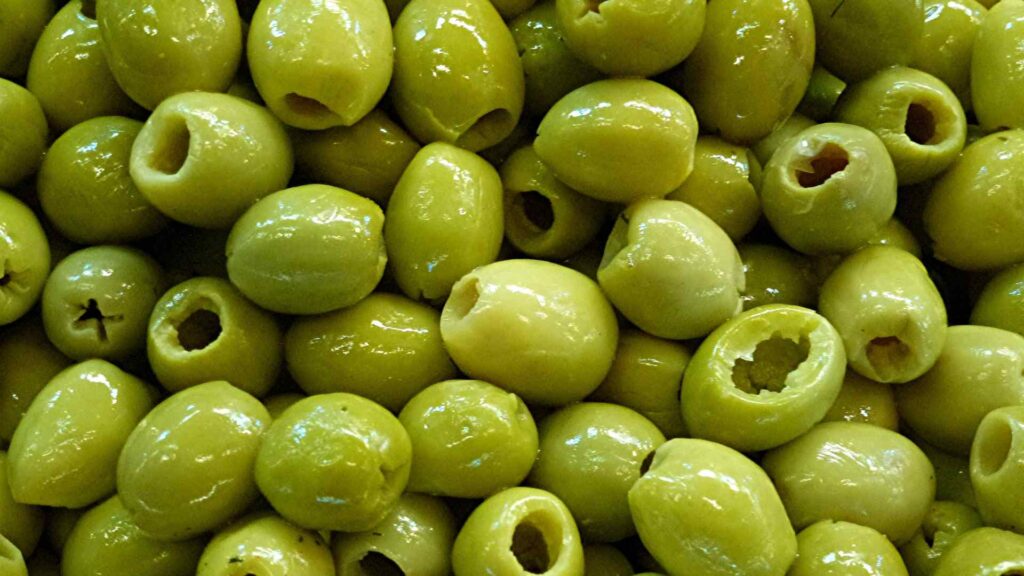
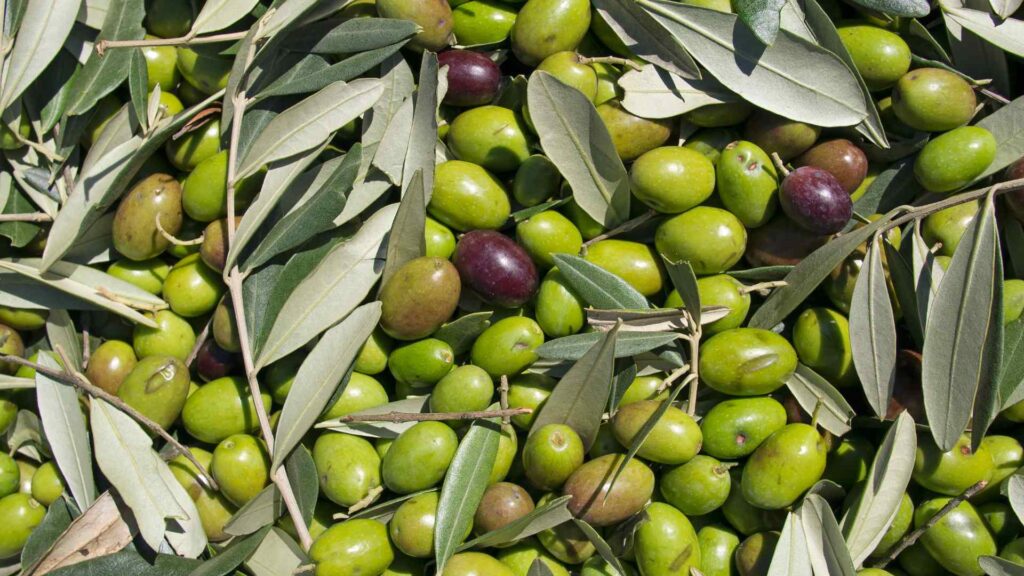
Green olives are harvested before fully ripening and are cured to reduce bitterness. Curing may involve brine, salt, fermentation, lye processing, oil, herbs, vinegar, or other flavorings.
One rinsed pitted piece and a dog drinking a jar of brine are different exposures. Save the label, estimate the amount and liquid missing, and note the dog’s weight, timing, symptoms, medical restrictions, and whether a pit or lid disappeared.
There is no need to offer olives for healthy fats, antioxidants, vitamins, or heart benefits. Complete dog food already supplies balanced fat and nutrients without brine, pits, and recipe uncertainty.
Pits are a physical hazard
An intact olive pit can choke, lodge in the esophagus, or obstruct the stomach or intestine. Chewing may also crack a tooth or create sharp fragments.
Even a package labeled pitted deserves a quick visual and finger check before any veterinary-approved piece. The FDA’s hard-object guidance specifically uses pit fragments in pitted olives as an example of an unexpected object that may cause injury.
Do not assume a pit is safe because the dog is large or because another pit passed before. Size, shape, chewing, dog anatomy, gut health, and the number swallowed all matter.
Gagging, repeated swallowing, pawing at the mouth, drooling, neck stretching, or breathing difficulty is urgent. Later vomiting, abdominal pain, appetite loss, straining, lethargy, or reduced stool can indicate obstruction.
Brine and sodium
Most table olives are salty, and the curing liquid may be far more concentrated than the flesh. Rinsing can remove surface brine but does not make olives nutritionally necessary or appropriate for a sodium-restricted dog.
The Merck Veterinary Manual’s salt toxicosis review lists vomiting, weakness, diarrhea, tremors, and seizures among possible canine signs after excessive salt intake. A small olive taste is not automatically salt poisoning, but a jar or brine raid deserves prompt advice.
Dogs with kidney, heart, blood-pressure, or fluid-balance conditions may have individual sodium limits. Follow the therapeutic diet rather than using low-sodium or reduced-salt human labels as permission.
Leave normal drinking water available to an alert dog that can swallow, but do not force fluids or attempt rapid correction. Serious sodium imbalance requires measured veterinary treatment.
Stuffed olives require an ingredient inventory
Pimento-stuffed olives usually add another food ingredient but remain salty and pitted. Garlic, onion, chive, jalapeño, anchovy, almond, blue cheese, feta, cream cheese, lemon peel, or pepper stuffings create different concerns.
Garlic and other Allium ingredients can damage canine red blood cells, while cheese adds fat, sodium, lactose, and milk proteins. The ASPCA people-food guide warns about both Allium red-cell injury and alcohol toxicity.
Blue cheese and accidentally moldy cheese are not interchangeable, but neither belongs in a dog’s olive snack. Aged or rich cheese may also be difficult for dogs with pancreatitis history or dairy intolerance.
Nut-stuffed olives add fat, choking pieces, and possible species-specific hazards. A cocktail garnish may carry a toothpick or skewer that can puncture the mouth or digestive tract.
Alcohol and cocktail olives
Olives served in martinis or other drinks may be soaked with alcohol. Alcohol can cause vomiting, wobbliness, depression, low body temperature, breathing problems, tremors, coma, and other serious effects depending on dose.
A dog that drinks a cocktail or eats several alcohol-soaked garnishes needs immediate veterinary or poison-service advice. Do not wait for the dog to act drunk and do not induce vomiting without professional direction.
Vermouth, flavored spirits, onion cocktail garnishes, sweet mixers, and glass shards may accompany the exposure. Preserve the recipe and bottle details rather than reporting only an olive.
Marinated and seasoned products
Olive-bar products may contain garlic cloves, onion, chile, citrus peel, herbs, oil, vinegar, cheese, cured meat, and unknown shared marinades. Cross-contact and missing labels make the complete exposure harder to quantify.
Hot chile and acidic marinades can irritate the mouth and stomach. Oil and cheese increase fat and calories, while cured meat adds sodium and seasonings.
Our garlic guide covers Allium risk, and the cheese guide helps with dairy-filled olives. Do not pick out the stuffing and feed the flesh because residue remains.
Mold, fermentation, and storage
Normal curing aroma is not permission to ignore spoilage. Discard olives with a broken seal, bulging lid, unexpected fizzing, slime, surface mold, rancid odor, severe discoloration, or uncertain storage after opening.
Do not feed expired or questionable olives to avoid waste. Moldy or spoiled foods can cause vomiting and may expose dogs to toxins that produce tremors, wobbliness, agitation, or seizures.
Keep opened products refrigerated according to the label and use clean utensils. Avoid returning handled olives to the jar, which can introduce contamination.
Glass, lids, and bags
Glass jars, metal lids, plastic tubs, film seals, clips, and toothpicks can turn a food raid into a foreign-body or laceration emergency. Broken glass may stick to oily brine and be difficult to see.
The FDA’s dangerous-items guide notes that swallowed foreign material can choke or obstruct. Keep the dog away from the spill and do not induce vomiting after possible sharp material.
Check paws and fur without getting bitten or spreading glass, then call for cleaning and injury guidance. Blood, limping, mouth pain, repeated vomiting, or missing glass requires urgent assessment.
What to do after an olive raid
- Remove the jar, brine, garnish, toothpicks, broken material, and remaining olives, then save the label and recipe.
- Count missing olives and pits, estimate brine or alcohol, and record timing, dog’s weight, symptoms, and medical restrictions.
- Check every stuffing and marinade ingredient, including garlic, onion, cheese, nuts, anchovy, chile, sweetener, and alcohol.
- Call for pits, a large salty or alcoholic exposure, dangerous stuffing, symptoms, high-risk illness, spoilage, or missing packaging.
- Seek emergency care for choking, breathing trouble, collapse, seizures, severe weakness, repeated vomiting, or marked abdominal pain.
Do not give hydrogen peroxide, salt, oil, milk, bread, or human medicine unless a veterinarian directs it. Pits, glass, alcohol, and neurologic signs can make home emesis unsafe.
If a veterinarian allows a taste
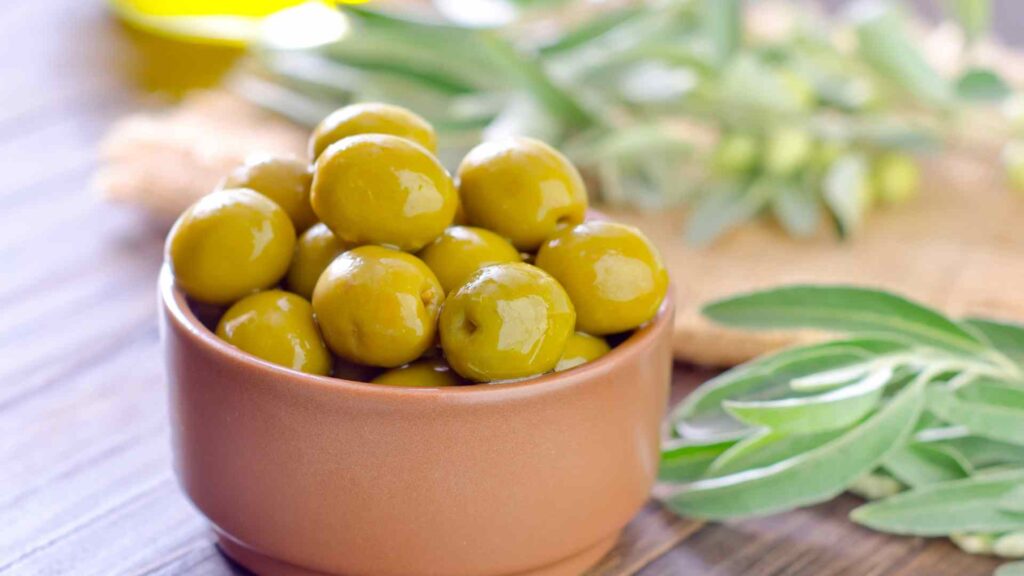
Choose a plain pitted olive with no stuffing or marinade, rinse it, verify again that no pit fragment remains, and offer only a tiny chopped piece. Supervise swallowing and count it among all extras.
A piece of regular kibble is simpler, lower in sodium, and already part of the diet. For another salty preserved food comparison, see our pickle guide.
Stop if vomiting, diarrhea, gas, itching, or discomfort follows. There is no need to build tolerance to olives or use them as a supplement.
Olive variety does not replace label reading
Manzanilla, Castelvetrano, Cerignola, and other green varieties differ in size, texture, cure, and customary stuffing. A large firm olive may present a different choking or pit problem than a tiny sliced piece even when the botanical fruit is similar.
Fresh-looking olives from a deli case may still be heavily brined or marinated. Ask for the ingredient and allergen information, or skip the product when the recipe and pit status cannot be confirmed.
Sliced salad olives can still contain pit fragments, while tapenade concentrates salt, oil, capers, garlic, anchovy, and seasoning into a paste. Olive bread, pizza, pasta salad, muffuletta, and charcuterie boards add dough, cheese, cured meat, skewers, grapes, raisins, and nuts.
Which dogs should skip olives entirely
Dogs with prescribed sodium restriction, kidney or heart disease, high blood pressure, recurrent pancreatitis, swallowing trouble, dental disease, or a veterinary elimination diet should not receive olives without clinician approval. Rinsing cannot solve every medical restriction.
Toy breeds and gulpers face more physical risk from a whole olive or pit, while puppies may chew jars, lids, and skewers as readily as the fruit. A dog with previous intestinal surgery or obstruction deserves a low threshold for advice after any pit ingestion.
If the dog is already vomiting, weak, wobbly, painful, or unable to swallow normally, do not offer an olive or other food as a test. Symptoms require assessment on their own merits.
Why olive oil is a separate topic
Olive flesh and olive oil are not interchangeable serving forms. Oil removes the pit but concentrates fat and calories, and a large spill can cause gastrointestinal upset or pancreatitis in a susceptible dog.
Do not pour olive oil over food for coat, joints, constipation, or weight control without veterinary nutrition guidance. A complete diet or measured veterinary supplement is easier to dose and does not create a slippery spill or extra foreign-body packaging.
Frequently asked questions
Can dogs eat pimento-stuffed green olives?
A tiny pimento-stuffed olive is usually more a sodium and portion question, but check the exact recipe and confirm the pit is gone. Plain unstuffed flesh is easier to assess.
What if my dog swallowed an olive pit?
Call a veterinarian with the dog’s size, number and size of pits, time, chewing, and symptoms. Do not wait for a pit to appear in stool or induce vomiting without direction.
Can dogs drink olive brine?
No. Brine can deliver a concentrated sodium exposure, and flavored versions may contain garlic, onion, chile, or alcohol.
The bottom line
Plain green-olive flesh is not a classic dog toxin, but pits and brine make commercial olives a poor choice. Stuffings, alcohol, marinade, mold, glass, lids, and skewers can raise the risk quickly.
Skip healthy-fat marketing and choose a familiar dog-safe reward. If an accident happens, preserve the label, count pits and liquid, and let a veterinary professional assess the whole product.