Can Cats Eat Cinnamon? Powder, Oils, Baked Goods, and Exposure
A tiny lick of food containing ordinary ground cinnamon is unlikely to cause serious poisoning in most cats, but cinnamon is not a useful feline treat. Concentrated cinnamon oil, direct powder exposure, inhalation, skin contact, large amounts, and mixed products deserve much more caution.
The form of cinnamon changes the answer
The cinnamon plant itself is listed as non-toxic to cats by the ASPCA plant database. That classification does not mean every cinnamon-containing oil, supplement, candle, cleaner, pastry, or concentrated flavor is safe.
Ground culinary spice is relatively dilute, while essential oil is a concentrated extract that can be absorbed through skin, lungs, and the digestive tract. A faint dusting on a baked apple is therefore not comparable to licking a spilled bottle of cinnamon oil.
Cassia and Ceylon cinnamon also differ chemically, but neither needs to be added to cat food. Product concentration and route of exposure are more useful triage facts than trying to identify a spice jar by scent.
What to do after an exposure
Remove your cat from the source and ventilate the room if powder, vapor, or diffuser mist is present. Save the label, note whether exposure involved eating, inhalation, eyes, skin, or fur, and call your veterinarian or animal poison service for anything beyond a trace food taste.
Do not induce vomiting after oil or powder ingestion because aspiration can seriously injure the lungs. Do not apply another oil, alcohol, detergent, or home remedy to the fur without professional instructions.
If cinnamon oil is on the coat or paws, prevent grooming and call for decontamination advice immediately. Move carefully because a frightened, slippery cat can spread the oil to more fur, furniture, and human skin in record time.
Emergency signs to recognize
Seek urgent care for trouble breathing, wheezing, persistent coughing, collapse, tremors, seizures, severe weakness, marked unsteadiness, or unusual sleepiness. Eye exposure with squinting, redness, tearing, or pawing also warrants prompt veterinary guidance.
Other concerning signs include drooling, vomiting, refusal to eat, skin redness, low body temperature, or a strong oil odor on the coat or breath. Symptoms from concentrated oil exposure can appear within minutes to hours.
The Merck Veterinary Manual’s essential-oil review lists cinnamon oil among potentially liver-toxic oils and explains that cats are especially sensitive to essential oils. It also advises against applying concentrated oils directly to pets.
Ground cinnamon and powder clouds
A cat that licks one crumb carrying cinnamon is not in the same situation as a cat that knocks over a bulk spice container. Loose powder can irritate the mouth, nose, eyes, and lungs, then stick to fur and create a second exposure during grooming.
Move the cat to fresh air without chasing or stressing them, and avoid sweeping or vacuuming while the cat remains nearby. Airborne dust stirred up during cleanup can prolong respiratory and eye exposure.
Do not perform a cinnamon challenge or offer a spoonful for a cute reaction. Deliberately exposing an animal to an irritating powder is neither safe enrichment nor harmless entertainment.
Cinnamon essential oil and diffusers
Never put cinnamon essential oil in a cat’s mouth, water, food, ears, bedding, collar, or coat. Do not use it as a flea remedy, dental product, skin treatment, or calming aid.
Active diffusers can release tiny oil droplets that settle on fur and are swallowed during grooming. Passive products may pose more of an irritation or spill risk, but any tipped diffuser can coat paws or skin with concentrated liquid.
The ASPCA’s essential-oil safety guidance warns that concentrated oils can endanger pets through direct coat, skin, or oral exposure. Cats with asthma or other respiratory disease need particular protection from fragrances, aerosols, and diffused particles.
If you use any scented product, the cat needs an oil-free area with clean air and an unobstructed exit. A closed room containing a diffuser and a litter box is not giving the cat a meaningful choice.

Candles, wax melts, potpourri, and cleaners
Cinnamon-scented candles and wax melts combine fragrance exposure with hot wax, flame, cords, and containers. Keep them inaccessible, ventilate well, and stop use if your cat coughs, wheezes, squints, drools, or leaves the area.
Liquid potpourri and concentrated home-fragrance refills can be particularly hazardous if spilled or licked. Their detergents, solvents, and other oils may be more damaging than the cinnamon scent named on the front label.
Natural cleaners are not automatically pet-safe. Use products according to label directions, keep cats away from wet surfaces, and store bottles behind a secured door rather than on an open shelf beside the litter supplies.
Cinnamon rolls and baked goods
In a cinnamon roll, the spice may be the least concerning ingredient. The pastry brings fat, sugar, butter, icing, dairy, salt, yeast dough history, and sometimes raisins, chocolate, nuts, coffee, or sugar-free sweeteners.
One tiny baked crumb is unlikely to justify panic in a healthy cat, but a missing roll or pan of dough needs a full ingredient review. Raw yeast dough can expand and produce alcohol, while raisins and chocolate create separate toxicology calls.
Our cinnamon roll guide provides a useful checklist for fillings, frosting, dough, and packaging. Use the checklist across species, but let a veterinarian assess the feline dose and risk.
Applesauce, oatmeal, pumpkin, and drinks
Cinnamon applesauce, oatmeal, pumpkin pie filling, chai, cider, and flavored coffee are mixed products. Sugar, dairy, caffeine, nutmeg, alcohol, sweeteners, and other spices may change what you need to do.
Read our applesauce guide for cats before offering a fruit puree, because a front label can hide sweeteners or spice blends. Plain food is easier to assess than a wellness-flavored mixture with twelve ingredients.
Do not add cinnamon to water to encourage drinking. Cats should have fresh plain water, and a meaningful drop in thirst, urine output, or appetite deserves veterinary attention rather than a flavored workaround.

Cinnamon supplements and herbal remedies
Capsules, tinctures, extracts, gummies, and powders deliver concentrations that differ greatly from a kitchen dusting. They may also contain alcohol, sweeteners, other herbs, vitamins, minerals, or human-sized doses.
There is no established reason to use cinnamon to treat feline diabetes, inflammation, parasites, dental disease, or obesity at home. A biologically active ingredient can have both effects and adverse effects, which is exactly why treatment claims need veterinary evidence and dosing.
If your cat swallowed a supplement, provide the exact strength, serving size, ingredient panel, and number missing. Do not describe it only as natural cinnamon because the capsule’s other contents may drive the response.
Can cinnamon repel cats or fleas?
Do not sprinkle cinnamon powder where cats walk or use the oil as a repellent. Paw and coat contamination leads to grooming exposure, while dust and fragrance may irritate the eyes and airways.
For flea control, use a product prescribed or recommended for your cat’s age, weight, and health. Some insect-control products labeled for dogs are dangerous to cats, so species labeling matters more than a pleasant botanical scent.
For scratching or counter access, change the environment with barriers, covered food, approved scratchers, reward-based training, and appealing alternative perches. Irritating a cat’s senses treats the location, not the reason the location is attractive.
Cats at higher risk
Kittens, seniors, and cats with liver disease may have less reserve after a concentrated exposure. Cats with asthma, chronic bronchitis, or airway sensitivity may react more strongly to powder, smoke, fragrance, or diffuser mist.
A cat who cannot leave the scented area, including one confined after surgery, is exposed differently from a cat who briefly passes through. Ventilation, concentration, duration, route, grooming, and the cat’s health all belong in the history.
Medication and supplements may affect liver function or alertness, so share the full list with the veterinary team. Do not assume sleepiness is calming when it begins after an oil spill.
Preventing cinnamon accidents
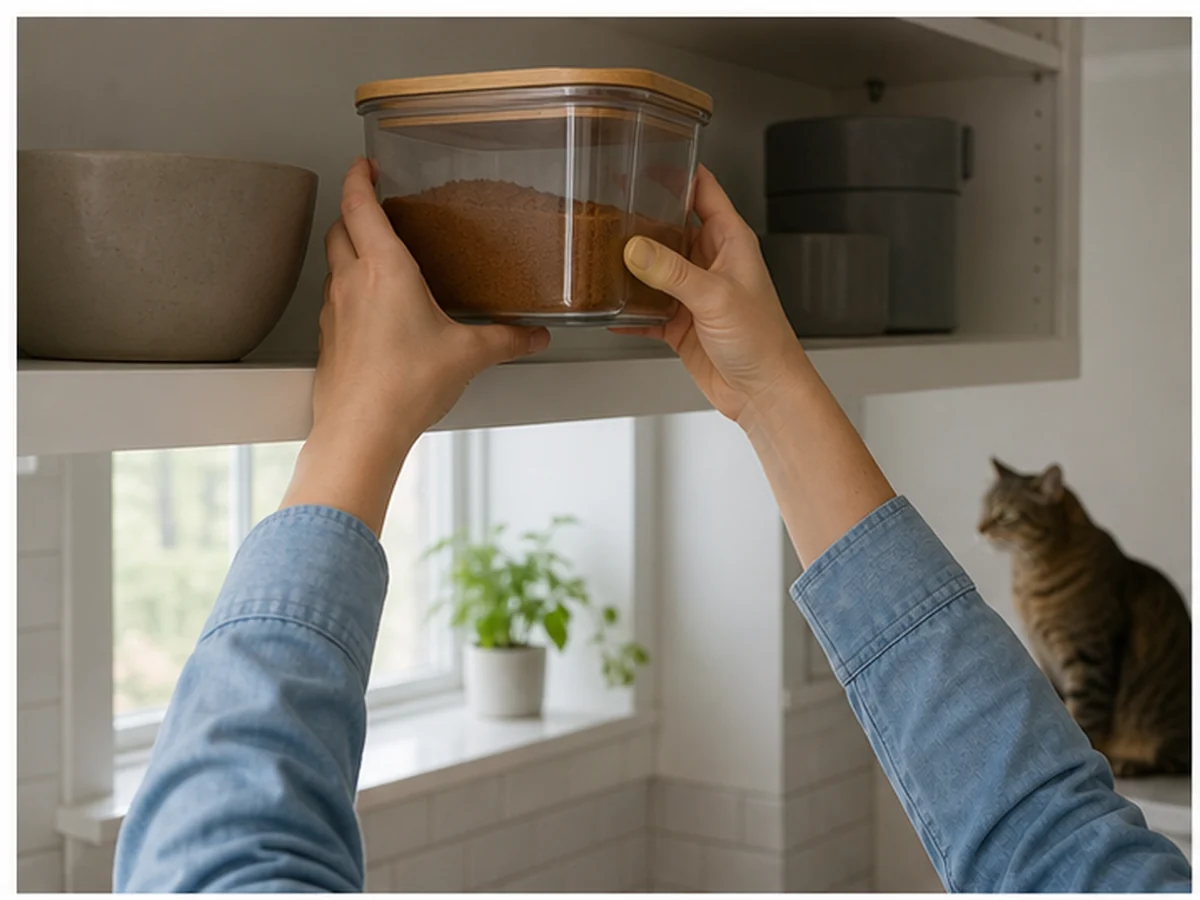
Store bulk spices and oils in a closed cabinet, clean baking spills before admitting the cat, and keep cooling pastries covered. Put diffuser bottles, reeds, wax, matches, and cords beyond climbing range.
Wash hands after handling concentrated oils before touching food, toys, medication, or the cat. Do not reuse droppers between products, and never leave an oil-soaked cloth in an open trash basket.
If your cat enjoys investigating herbs, our cilantro guide explains the same critical distinction between a culinary leaf and a concentrated oil. Product form is not a footnote; it is often the whole safety answer.
Frequently asked questions
Can cats eat cinnamon toast?
It is not a suitable treat because it adds butter, sugar, bread, and loose spice without nutritional benefit. A tiny crumb is generally low risk, but check for raisins, chocolate, and sugar-free ingredients.
Can cats smell cinnamon safely?
A brief background food aroma differs from forced exposure to powder, smoke, or essential-oil mist. Let the cat leave, ventilate the area, and stop scented products if respiratory or eye signs appear.
Is a cinnamon broom safe around cats?
It may shed plant material and strong fragrance, and some are treated with added scent oils. The safest placement is outside the cat’s living area where chewing, rubbing, and prolonged inhalation cannot occur.
Bottom line
A trace of ground cinnamon in food is usually far less concerning than concentrated oil, a powder spill, or repeated inhalation. Do not deliberately feed cinnamon, never apply essential oil to a cat, and seek prompt veterinary guidance for concentrated, respiratory, skin, eye, or symptomatic exposures.