Can Cats Eat Corn? Kernels, Cobs, Popcorn, and Portions
Most healthy adult cats can eat a few plain, fully cooked corn kernels, but they do not need corn as a treat. The cob is a dangerous foreign object, while butter, salt, seasoning, popcorn kernels, husks, and mixed dishes can make a simple nibble much less simple.
The quick answer
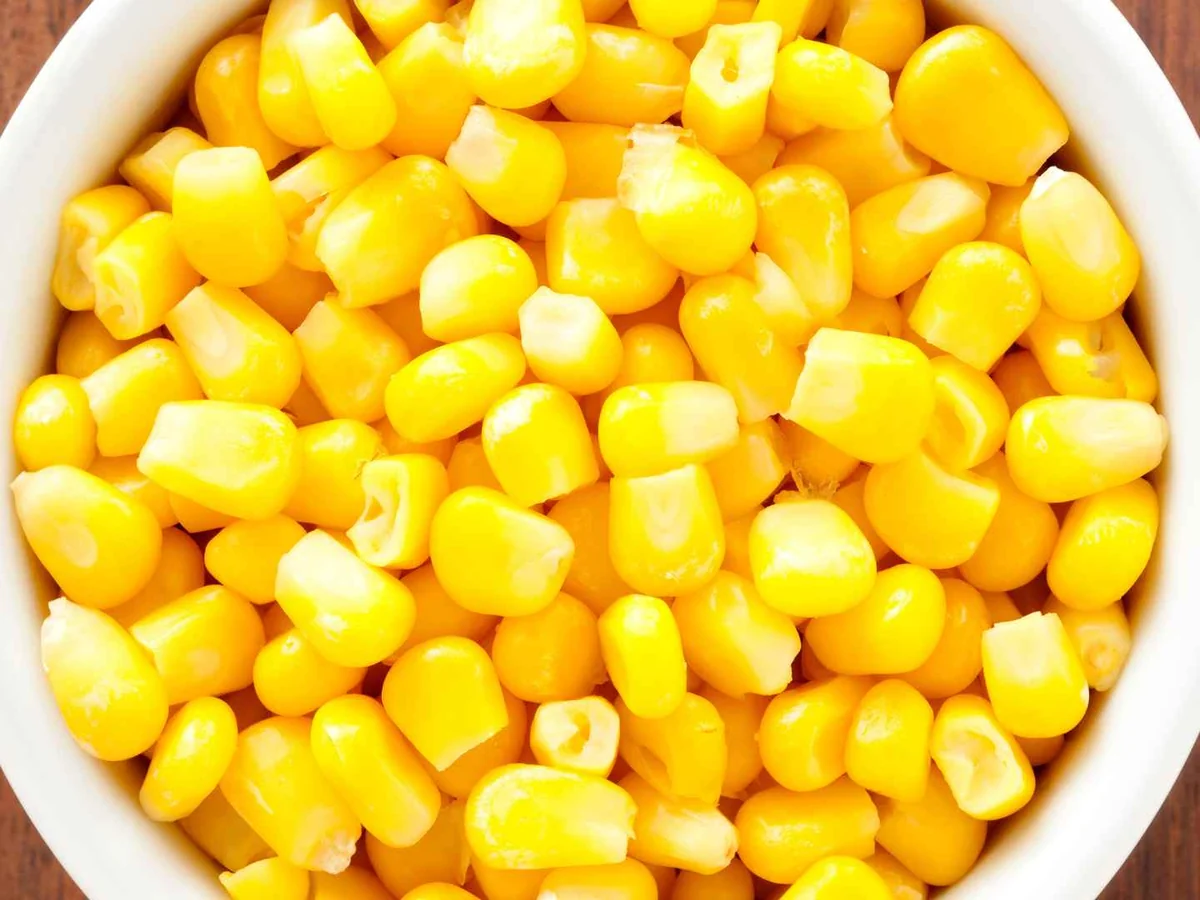
Offer only soft kernels removed from the cob, cooled, and served without butter, oil, salt, sauce, onion, or garlic. One or two kernels are enough for a first taste, and a cat who walks away has made an excellent nutritional decision.
Corn should remain an occasional extra because cats require a complete and balanced feline diet. The Cornell Feline Health Center explains that treats are not nutritionally complete and should only be given occasionally.
If corn already appears in a commercial cat food labeled complete and balanced, it is part of a formulated recipe. That is not equivalent to replacing the meal with a bowl of kernels or assuming a corn-free food is automatically superior.
How to prepare corn for a cat
Cook corn until tender, remove it from the cob with a clean knife, and inspect for tough cob fragments or silk. Mash or cut large kernels for a kitten-sized mouth, then serve them at room temperature.
Wash fresh produce and your hands before preparation. The FDA’s produce safety guidance recommends rinsing produce under running water and keeping it separate from raw meat, poultry, and seafood.
Do not offer a hot kernel straight from the pan because the center can retain heat. Let it cool completely, especially if the corn was microwaved unevenly.
Corn cobs are the serious hazard
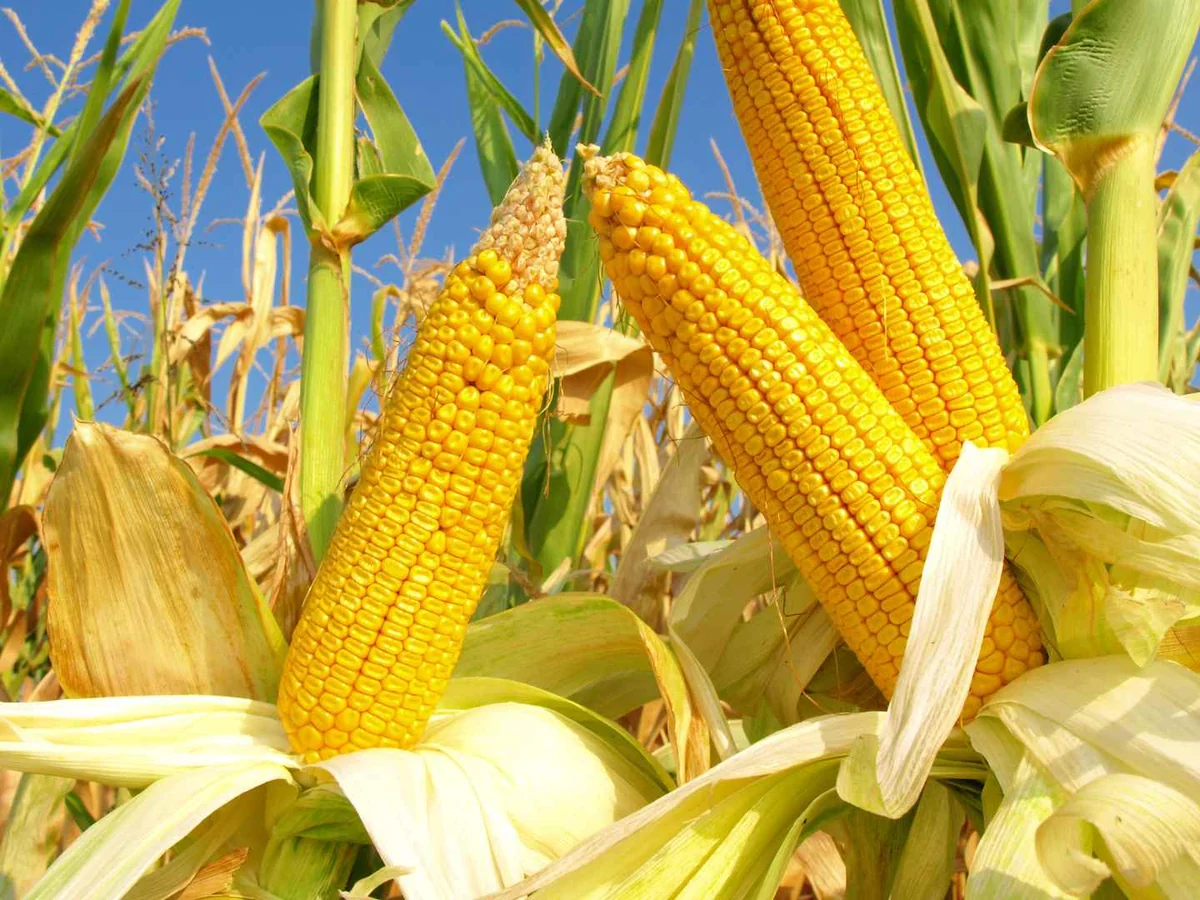
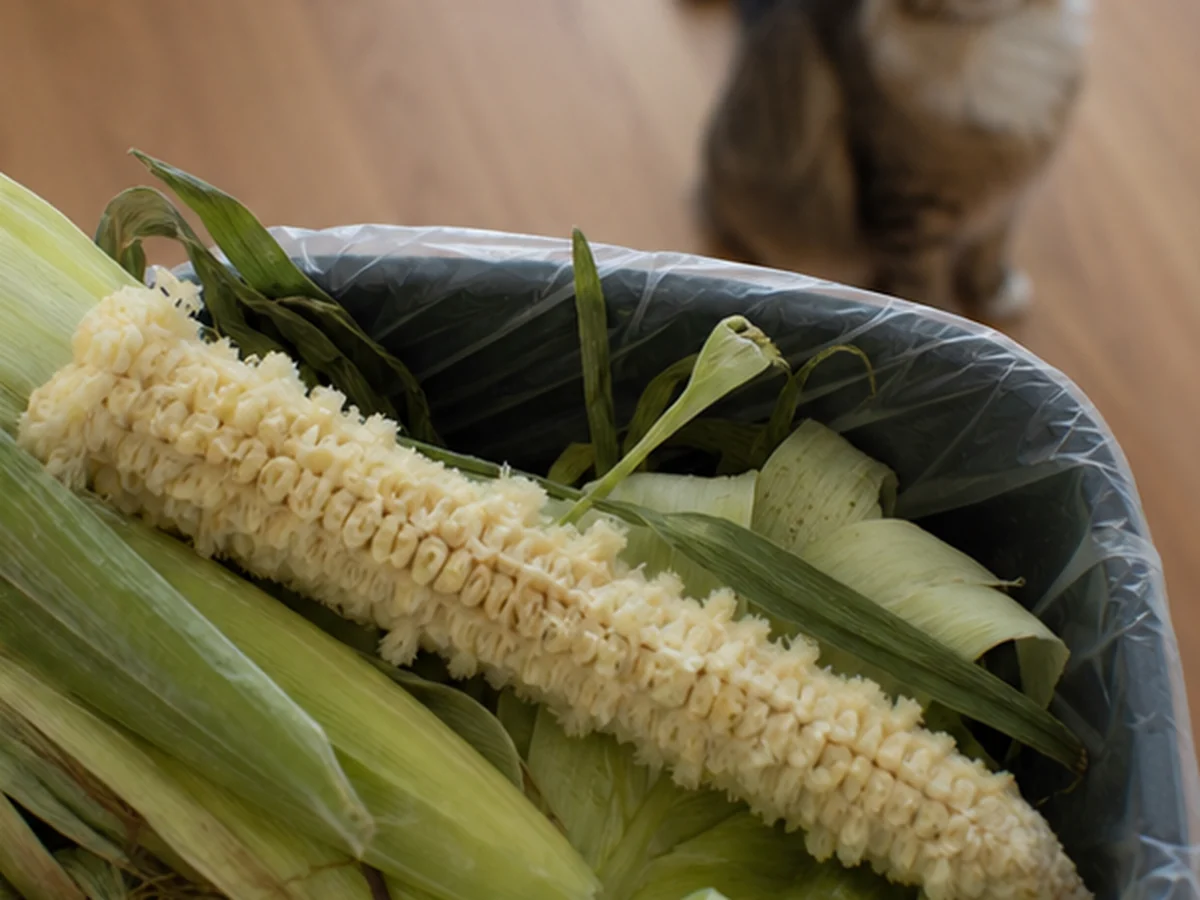
A corn cob is dense, fibrous, and poorly digestible. A swallowed chunk can lodge in the esophagus, remain in the stomach, or obstruct the intestines, even when the cat chewed it into a smaller piece.
The FDA’s pet hazard guidance specifically identifies corn cobs as objects that can become stuck in a pet’s digestive tract. Cats raid cobs less often than dogs, but a low-frequency emergency is still an emergency when it is your cat.
If any cob is missing, call your veterinarian promptly with the likely size, time, and symptoms. Do not induce vomiting and do not feed bread, oil, pumpkin, or extra food to force it through.
Signs of choking or obstruction
Choking signs include breathing difficulty, frantic pawing at the mouth, blue or pale gums, collapse, and severe distress. Go to emergency care immediately rather than waiting for a callback if the airway appears compromised.
An esophageal object may cause drooling, gagging, regurgitation, repeated swallowing, or refusal to eat. A stomach or intestinal obstruction may cause vomiting, appetite loss, abdominal pain, hiding, lethargy, diarrhea, straining, or reduced stool.
A partial blockage can still allow some food or stool to pass, so a single normal litter-box visit does not rule it out. Follow the veterinary team’s examination and imaging recommendations instead of using symptoms as a home passage test.
Fresh, frozen, and canned corn
Fresh corn: Plain cooked kernels are the simplest form to assess. Keep the cob, husk, silk, skewer, and compost out of reach.
Frozen corn: Cook it fully and cool it before sharing, because a hard frozen kernel can be difficult to chew. Check seasoned vegetable blends for onion, garlic, butter sauce, and added salt.
Canned corn: It may be packed with substantial sodium or sugar. A rinsed kernel from a plain low-sodium can is lower concern, but there is no need to open a special can for the cat.
Creamed corn: Recipes and cans may include dairy, sugar, salt, thickeners, and flavorings. Cats often digest dairy poorly, and a rich spoonful offers more opportunities for diarrhea than useful nutrition.
Can cats eat popcorn?
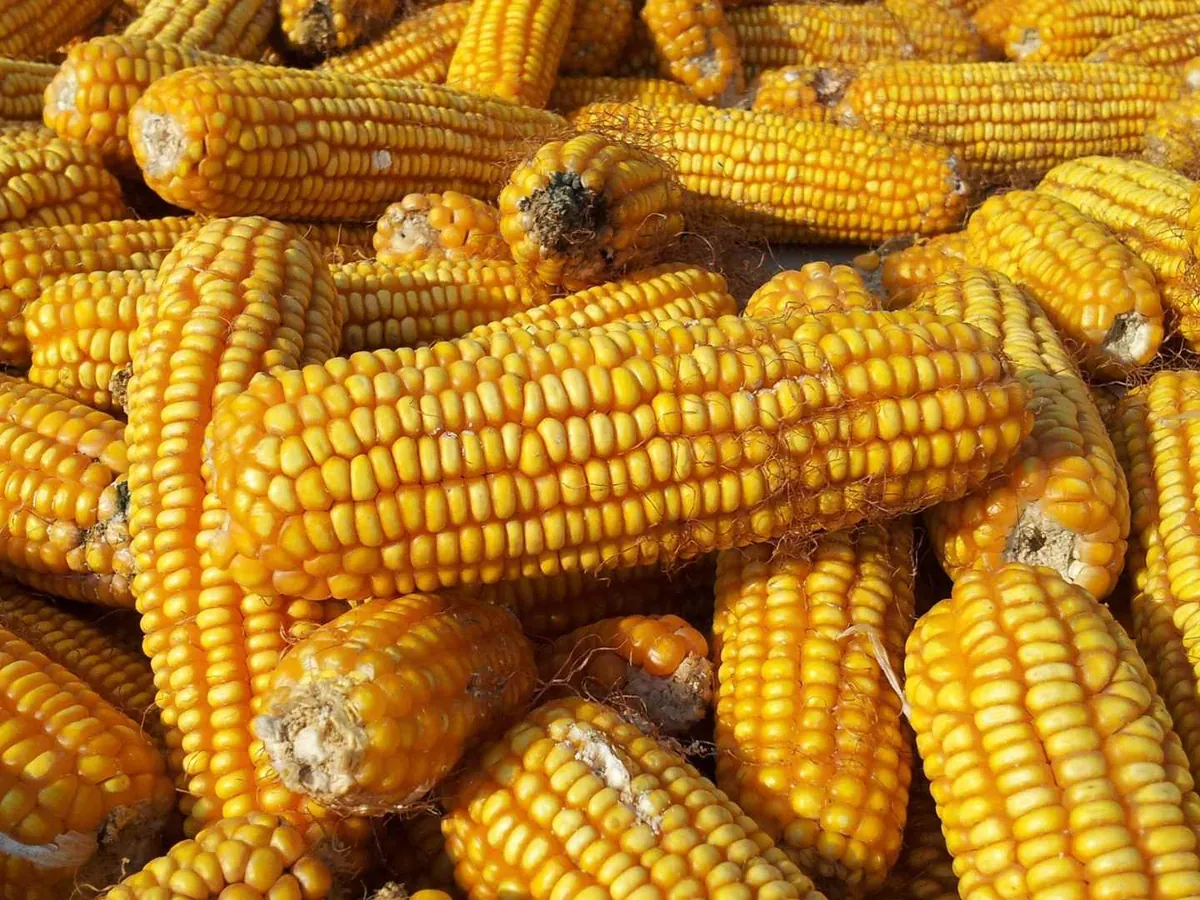
One soft piece of plain, fully popped, air-popped popcorn is unlikely to harm most healthy adult cats. It is still an awkward, nutritionally empty treat, and hard unpopped or half-popped kernels can injure teeth or become a choking hazard.
Movie-theater butter, caramel, cheese powder, ranch seasoning, chile, kettle-corn sugar, and heavy salt make flavored popcorn unsuitable. Bagged products may also include onion or garlic powder and absorbent packets that belong nowhere near a cat.
Microwave popcorn bags and hot oil can burn curious noses and paws. Our popcorn guide for dogs offers a useful topping and kernel checklist, but it does not establish a feline portion.
Corn chips, tortillas, and cornbread
Corn chips are usually fried and salted, then coated in cheese, chile, lime, barbecue, or allium seasoning. A dropped crumb may cause no problem, but chips should not enter the treat rotation.
Plain soft corn tortilla contains less fat than a chip but remains an unnecessary starch, and fillings are the bigger issue. Tacos and enchiladas can contain onion, garlic, salsa, hot sauce, cheese, rich meat, skewers, or foil.
Cornbread varies by recipe and may contain butter, milk, sugar, salt, bacon, jalapeño, onion, sweeteners, or mold. The cornbread ingredient guide helps inventory a pan raid, while cat-specific triage should come from a veterinarian.
Cornmeal, corn flour, and raw dough
Dry cornmeal and corn flour can create dust that irritates the nose, eyes, and lungs. They may also clump after moisture exposure, so do not let a cat investigate an open bulk bin.
Cooked polenta or grits are often prepared with butter, cheese, milk, stock, salt, or garlic. Plain versions are not toxic, but they provide little reason to spend a cat’s limited treat calories on porridge.
Raw yeast dough is a separate emergency because it can expand and produce alcohol in the digestive tract. If cornmeal is part of an uncooked bread dough exposure, call promptly and describe the full recipe.
Corn in commercial cat food
Corn can provide energy and nutrients within a professionally formulated food. Its presence does not by itself prove a diet is low-quality, allergenic, or inappropriate for a carnivore.
Cats are obligate carnivores because they require specific nutrients from animal sources, not because every plant ingredient is automatically poison. The complete nutrient profile, digestibility, quality control, feeding trial evidence, life-stage claim, and your cat’s response matter more than internet ingredient rankings.
If your cat needs a diet change, transition according to veterinary or manufacturer guidance rather than switching overnight. Sudden changes can cause digestive upset that gets incorrectly blamed on whichever ingredient appears most controversial.
Can cats be allergic to corn?
A cat can have an adverse reaction to a dietary ingredient, but food allergy is not diagnosed from one itchy day or a marketing list. Recurring skin or gastrointestinal signs require a veterinary examination and consideration of parasites, infection, environment, and other food proteins.
A strict elimination diet and controlled challenge are the usual diagnostic tools. During a formal trial, corn-containing treats, flavored medicines, table scraps, and access to another pet’s bowl may interfere with interpretation.
Grain-free does not automatically mean hypoallergenic or nutritionally better. Choose food for the individual cat with veterinary guidance, not because a bag turns a complex nutrition question into one crossed-out ear of corn.
Cats who should skip corn treats
Cats with diabetes, obesity, chronic digestive disease, swallowing problems, or a prescription diet should not receive casual corn extras. Kittens need room for balanced growth food, while cats with dental disease may struggle with kernels and popcorn.
A cat on an elimination diet must stick to the prescribed ingredients. A cat who gulps food should receive rewards with a safer shape and texture than round kernels.
If your cat repeatedly eats cobs, husks, litter, plastic, or other nonfood objects, discuss pica with the veterinarian. Securing the trash prevents an emergency, but the repeated behavior may still need medical and environmental investigation.
What to do after a corn-related raid
Identify whether the cat ate kernels, cob, husk, silk, popcorn, dough, a mixed dish, or packaging. Note the amount, time, symptoms, and ingredients such as onion, garlic, chocolate, raisins, alcohol, salt, or sweeteners.
A few plain kernels with no symptoms can usually be monitored. Cob, skewer, husk, large unknown amounts, raw dough, risky seasonings, repeated vomiting, pain, lethargy, or appetite loss justify a prompt veterinary call.
Do not induce vomiting and do not give human medication. Keep the package or recipe, because corn casserole can conceal far more important risks than its title admits.
Preventing cob and trash accidents
Move cobs directly from plates to a sealed container or secured trash bin. Do not leave them on the grill tray, picnic table, counter, sink, compost pail, or an open bag waiting to go outside.
Collect wooden holders, skewers, foil, plastic wrap, butter packets, and corn silk at the same time. Ask guests and children not to share and give them a container for scraps before the meal begins.
For a household comparison, our corn cob emergency guide for dogs reinforces why prompt triage matters. Cats may be more selective, but one determined counter raid can erase that statistical comfort.
Frequently asked questions
Can cats eat corn every day?
A balanced commercial food may include corn as part of its formula. Extra kernels do not need to be served daily and can displace more appropriate calories.
Can kittens eat corn?
A weaned kitten may tolerate one mashed cooked kernel, but balanced kitten food should supply virtually all nutrition. Keep cobs, popcorn, and hard kernels away.
Can cats eat corn flakes?
Breakfast cereal may contain sugar, salt, flavorings, and fortification, and milk adds a dairy issue. One dry flake is unlikely to be a crisis, but it is not a useful cat treat.
Bottom line
A few soft, plain, cooked corn kernels are generally low risk for a healthy adult cat, but corn cobs can obstruct and seasoned products add avoidable hazards. Remove kernels from the cob, keep portions tiny, secure scraps and packaging, and call your veterinarian promptly for any swallowed cob or concerning symptoms.