Can Cats Eat Cheese? Dairy Tolerance, Types, and Portions
Most cats can steal a tiny crumb of plain cheese without an emergency, but cheese is not a smart regular treat. Many adult cats digest lactose poorly, while the fat, salt, seasonings, mold, and packaging around cheese can cause more trouble than that hopeful face beside the cutting board suggests.
The practical answer
If a healthy adult cat ate one small crumb of plain cheddar, Swiss, mozzarella, or another ordinary cheese, monitor at home for an upset stomach. Do not offer more just to see whether the first piece was a scientific success.
Cheese is calorie-dense, often salty, and nutritionally unnecessary for cats. It should not replace meat-based cat food, and it is a poor choice for cats with dairy intolerance, obesity, pancreatitis history, heart or kidney concerns, or a prescription diet.
Why the milk-loving cat image is misleading
Kittens digest their mother’s milk, but many cats produce less lactase after weaning. Lactase is the intestinal enzyme needed to break down lactose, the sugar found in milk and dairy products.
The Cornell Feline Health Center says milk is not generally recommended as a feline treat because many cats are lactose-intolerant and may develop gastrointestinal problems. Cheese usually contains less lactose than milk, especially when aged, but lower does not mean zero and tolerance varies by cat and product.
A cat can also react to the fat or another ingredient rather than lactose itself. That is why a cat who gets diarrhea after cheese should not be diagnosed at home with a single neat explanation.
How much cheese is too much?
There is no universal safe serving because cats differ in size, health, calorie needs, and dairy tolerance. If your veterinarian has no objection, think crumb rather than cube: a piece about the size of a lentil is enough for a first taste.
Wait at least a day before offering any other new food so you can recognize a reaction. Loose stool, gas, vomiting, belly discomfort, or a suddenly urgent litter-box visit are good reasons to retire cheese from the treat rotation.
Treat calories add up quickly in a ten-pound animal. A piece that looks stingy to a person can be a meaningful share of a cat’s daily energy allowance, particularly when the cat is already receiving dental treats, pill pockets, or tastes from multiple people.
A cheese-by-cheese safety check
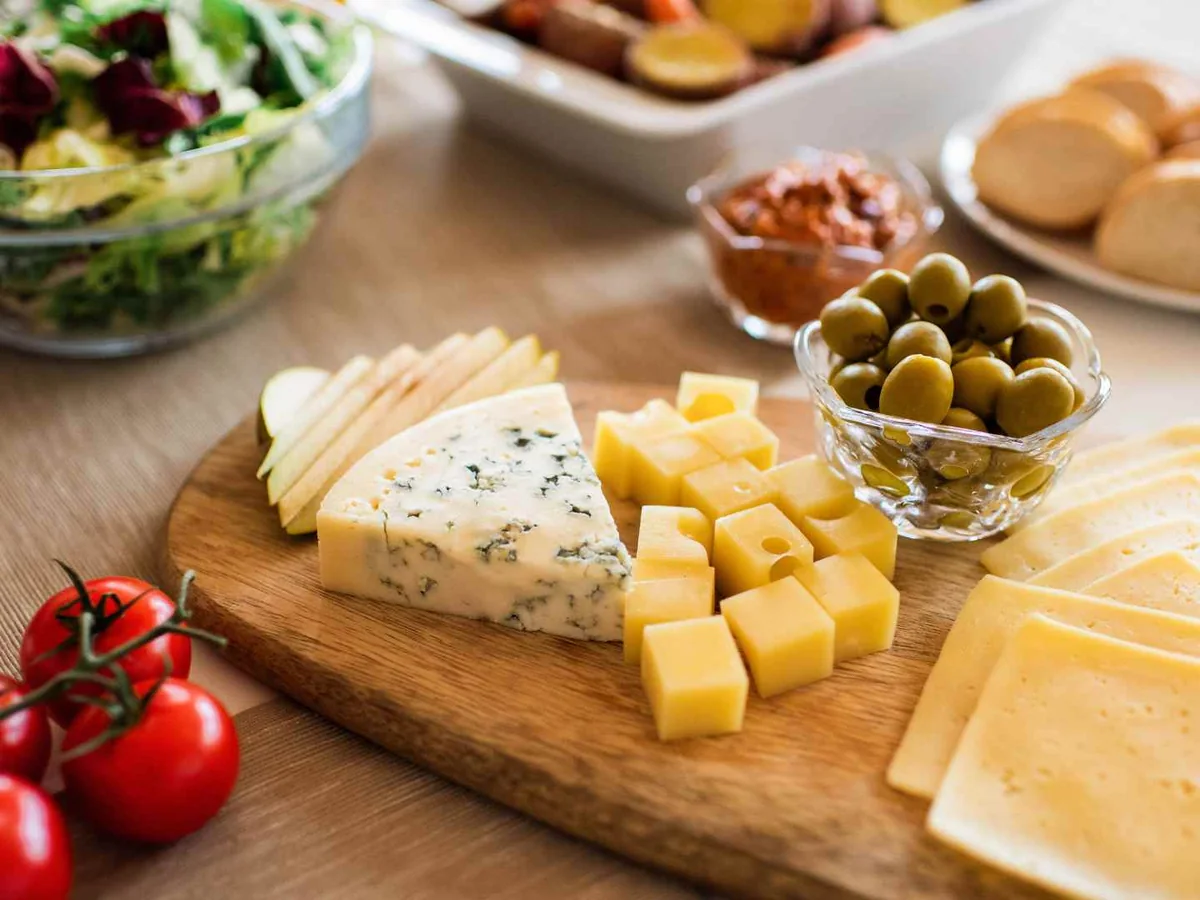
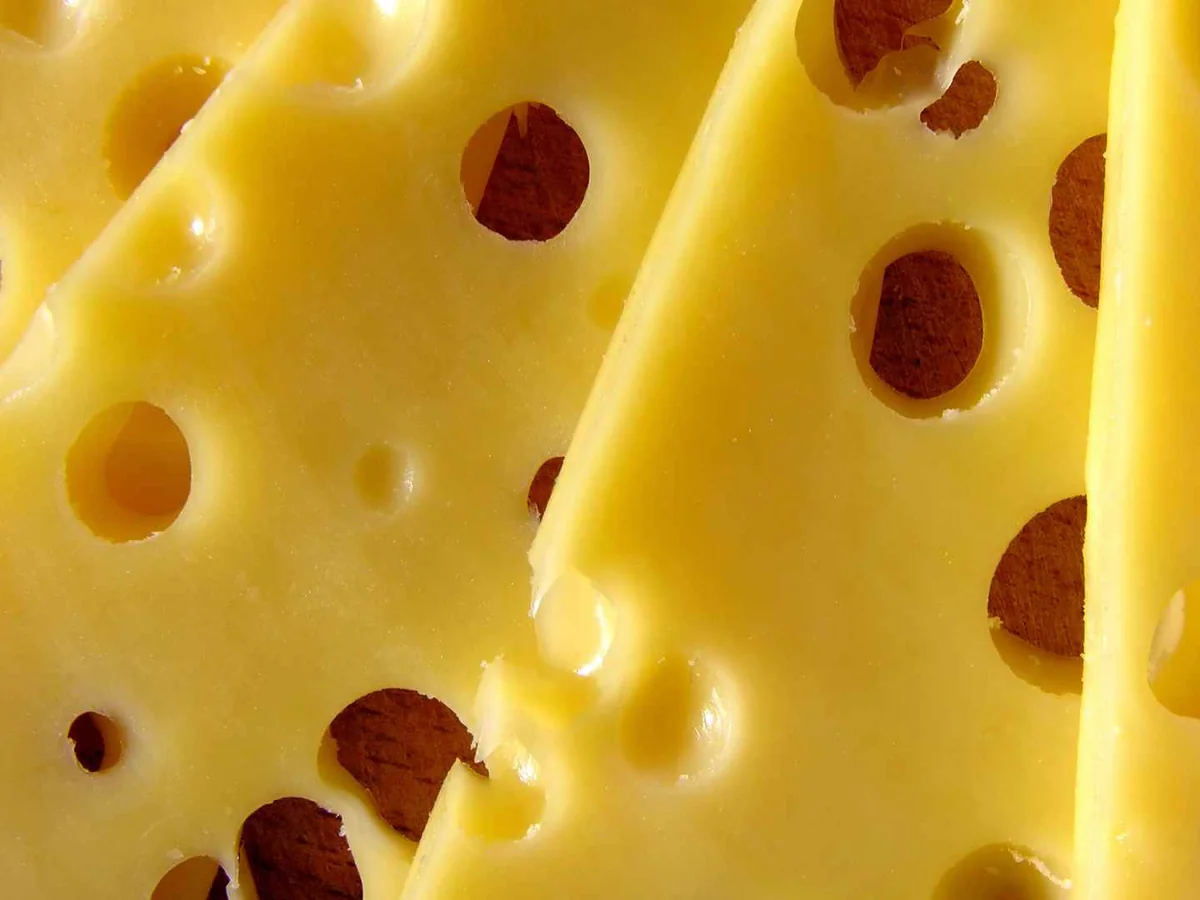
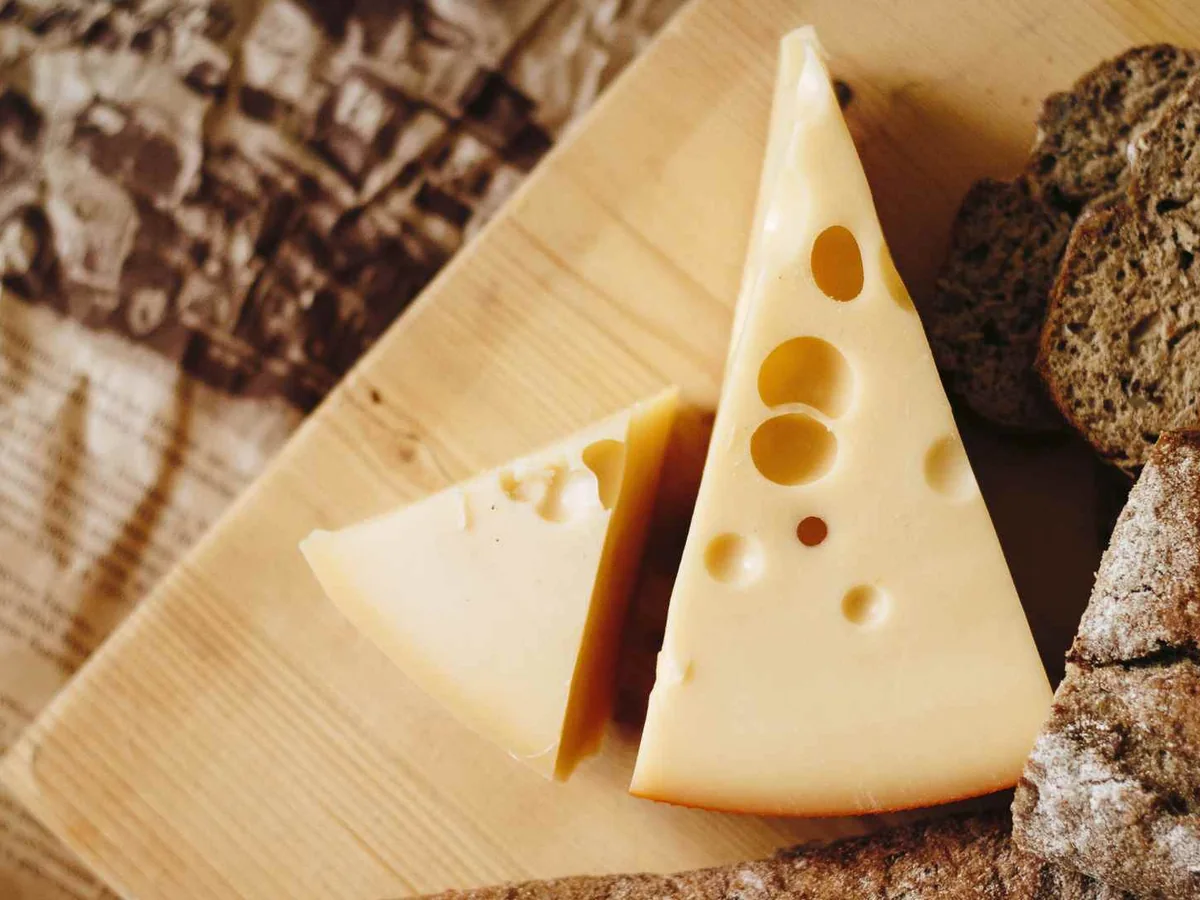
Cheddar, Swiss, and other aged cheeses: These tend to contain less lactose than fresh dairy but can be high in fat and sodium. One plain crumb may be tolerated, yet an aged cheese does not become a health food by waiting patiently in a cave.
Mozzarella and string cheese: Fresh mozzarella may contain more lactose and moisture than aged cheese. String cheese also invites a cat to gulp a long, stretchy strip, so tear off only a minuscule piece rather than handing over the stick.
Cottage cheese and ricotta: These fresh cheeses can contain more lactose and may be salted. Our related guide to cottage cheese for dogs explains the product variations, but feline portions and tolerance must be judged separately.
Cream cheese: It is rich and often flavored with chives, garlic, onion, fruit, chocolate, or sweeteners. Plain cream cheese is still an unnecessary fat-heavy treat, and the foil wrapper is a separate swallowing hazard.
Parmesan and feta: Hard grating cheeses and brined cheeses can deliver considerable sodium in a small volume. A dusting stuck to one noodle is different from licking a ramekin clean, so estimate the amount rather than relying on the word small.
Processed slices, sprays, and cheese sauces: These products may include more salt, emulsifiers, spices, or other dairy ingredients than a plain natural cheese. Read the full label, including the seasoning packet on boxed meals.
Blue cheese, mold, and spoiled cheese
Do not deliberately feed blue cheese, mold-ripened leftovers of uncertain condition, or cheese with unintended mold. Some molds can produce tremorgenic mycotoxins that cause vomiting, agitation, poor coordination, tremors, seizures, or dangerous increases in body temperature.
The Merck Veterinary Manual describes tremorgenic mycotoxicosis after animals consume moldy foods or garbage. If your cat ate moldy cheese and shows shaking, stumbling, unusual excitement, or seizures, seek emergency veterinary care immediately.
Do not cut off a moldy edge and give the apparently clean center to a cat. Soft foods can contain mold growth beyond what is visible, and the sensible destination is a secured trash container.
Flavored cheese needs an ingredient audit
Garlic-and-herb spread, onion cheddar, jalapeño queso, pesto cheese, charcuterie cheese, and cheese-coated snacks are not equivalent to plain cheese. Onion, garlic, chives, and leeks belong to the allium family and can damage feline red blood cells.
The risk depends on the ingredient, amount, concentration, cat, and timing, so do not wait for symptoms after a meaningful allium exposure. Powders are easy to overlook and may be spread throughout a dip or sauce rather than sitting on top where they can be removed.
Chocolate cheese desserts, rum-flavored products, grape or raisin boards, and sugar-free spreads create different toxicology questions. Our guide to cats and pizza shows how dairy, dough, toppings, and seasoning need to be assessed as a whole dish.
What to do if your cat ate cheese
Remove the rest, save the label, and estimate the amount. Identify the cheese type, flavorings, mold, wrapper involvement, time eaten, and whether your cat has an underlying condition or takes medication.
For a tiny amount of plain, fresh cheese and a cat acting normally, home monitoring is usually reasonable. Offer the usual food and water, keep the routine calm, and do not give human antidiarrheals or induce vomiting.
Call your veterinarian promptly for repeated vomiting, significant diarrhea, abdominal pain, marked lethargy, refusal to eat, tremors, stumbling, or any known toxic add-in. Breathing difficulty, collapse, seizures, or severe tremors require emergency care.
If a wrapper, wax coating, plastic film, netting, or a large rind is missing, say so when you call. The FDA warns that swallowed objects can obstruct a pet’s digestive tract, and its dangerous-items guidance explains why the packaging can matter as much as the food.
Can cheese hide a pill?
A minuscule bit of plain cheese may work for a dairy-tolerant cat, but ask the prescribing veterinarian or pharmacist first. Some medications must be given without food, should not be crushed, or interact with calcium-rich foods.
Confirm that the cat swallowed the medication rather than delicately extracting the cheese and leaving the tablet polished beside the bowl. Cats approach hidden pills with the focus of a tiny customs inspector.
Canned cat food, a commercial pill wrap made for cats, or another veterinarian-approved option is usually easier to portion consistently. Use the smallest amount needed so you can tell whether the full dose was consumed.
Which cats should avoid cheese?
Skip cheese for cats who previously developed vomiting, diarrhea, gas, or discomfort after dairy. It is also a poor fit for kittens being weaned, cats with pancreatitis or inflammatory bowel disease, overweight cats, and cats whose veterinarian has prescribed a controlled-fat or controlled-sodium diet.
Cats with kidney, heart, urinary, or endocrine disease may have individualized nutritional targets. Do not use cheese to tempt a medically fragile cat to eat without asking the veterinary team, because appetite loss itself can require prompt treatment.
During an elimination diet for suspected food allergy, even one bite can muddy the results. Cheese contains dairy proteins and flavored varieties may introduce several additional ingredients at once.
Better treats than cheese
The cleanest reward is a few pieces taken from your cat’s measured daily kibble or a small spoonful of the usual wet food. That keeps ingredients predictable and avoids adding a new dairy variable.
Plain fully cooked unseasoned chicken can be an occasional option for many healthy cats, as long as every bone, skin-heavy piece, and string is removed. A commercial cat treat with a clear calorie count is even easier to budget.
If you are comparing dairy products, read our guide to butter and cats before assuming that lower lactose makes a high-fat food helpful. Nontoxic is a very low bar for choosing a treat.
Frequently asked questions
Can cats eat lactose-free cheese?
Lactose-free cheese removes one concern but may still be high in fat, sodium, and calories. Check sweeteners and flavorings, then ask your veterinarian whether any cheese fits your cat’s health plan.
Can cats eat vegan cheese?
Vegan cheese varies widely and may contain coconut oil, nuts, starches, salt, onion, garlic, or other flavorings. Dairy-free does not mean cat-safe, so inspect the exact label and skip products with questionable ingredients.
Why does my cat love cheese?
The smell, fat, protein, salt, and your attention can all make cheese interesting. Enthusiasm tells you what a cat wants, not what the digestive system can comfortably handle.
Can cats eat cheese crackers?
They are usually salty, calorie-dense, and seasoned, with little nutritional value for cats. One dropped crumb is unlikely to be a crisis, but they should not become a treat.
Bottom line
A tiny crumb of plain, fresh cheese is often tolerated by a healthy adult cat, but many cats handle dairy poorly and cheese brings extra fat, sodium, and calories. Avoid flavored or moldy cheese, keep wrappers secured, and call your veterinarian when the ingredients, amount, or symptoms make the incident more than a simple crumb.