Can Dogs Eat Fish? Species, Bones, Raw Risk, and Mercury
Yes, many dogs can eat a small amount of fully cooked, plain, carefully deboned fish. Species, mercury level, cooking, bones, seasoning, and the dog’s health all matter, so avoid raw fish, smoked or heavily salted products, fried fish, and large predatory species as routine treats.
“Fish” is too broad for one yes or no
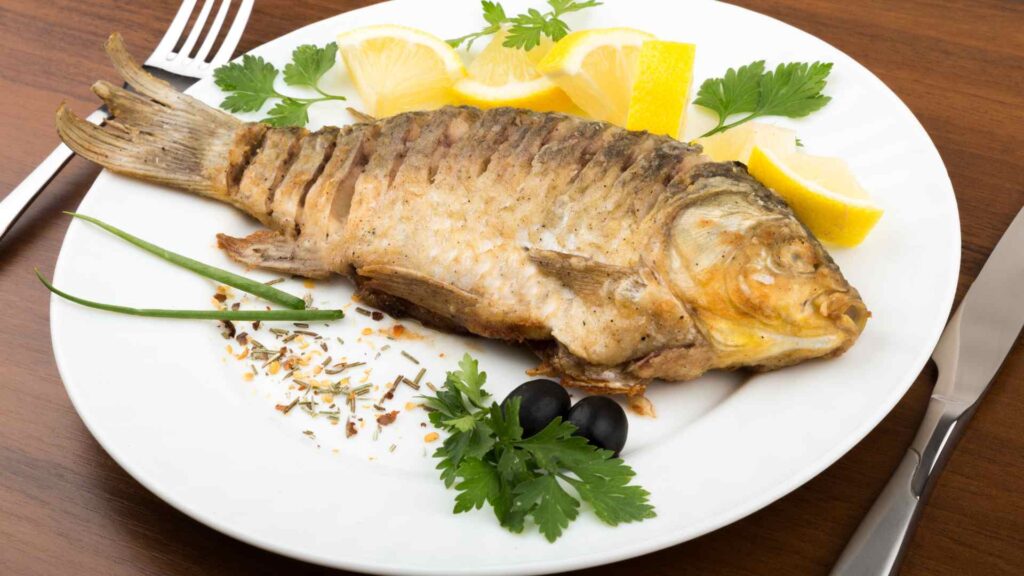
Salmon, sardine, cod, tilapia, trout, tuna, swordfish, and shark differ in size, fat, mercury, parasites, and typical preparation. A safe answer names the species and the form instead of granting a free pass to an entire ocean.
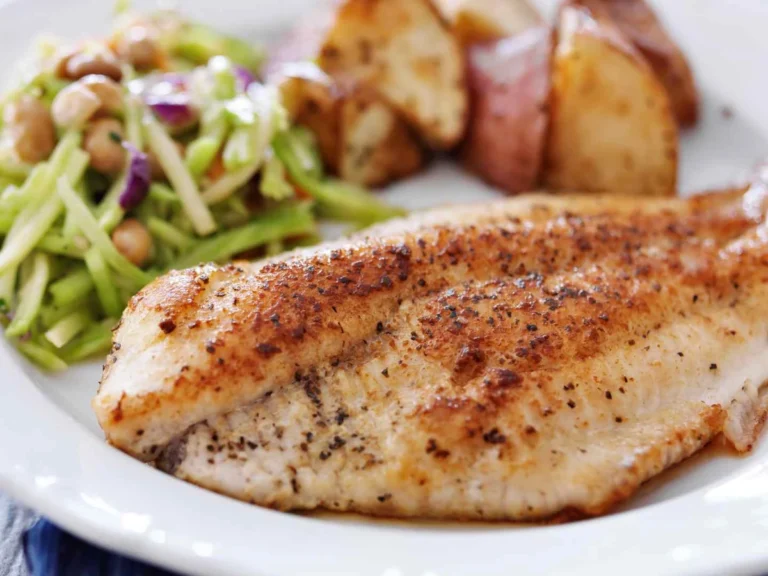
For an occasional bite, choose a commonly eaten lower-mercury fish, cook it thoroughly, remove skin if greasy or heavily charred, and inspect every mouthful for bones. Add no salt, butter, oil, garlic, onion, sauce, or breading.
Fish is not required as a topper when the dog already eats complete and balanced food. It also should not be used as an unmeasured omega-3 treatment for arthritis, skin disease, heart disease, or inflammation.
Lower-mercury choices versus large predatory fish
Fish such as salmon, sardine, pollock, cod, tilapia, and trout are generally more practical occasional choices than long-lived predators. Species identification still matters because “mackerel,” “tuna,” and “tilefish” cover fish with very different contaminant profiles.
The FDA fish-advice chart, written for people, identifies shark, swordfish, king mackerel, marlin, orange roughy, Gulf of Mexico tilefish, and bigeye tuna among the highest-mercury choices. It is not a canine dosing chart, but it offers credible species-level context.
Mercury concern is mainly about repeated intake and cumulative exposure, not one stolen flake of swordfish. Avoid making high-mercury species routine treats and ask a veterinary nutritionist before fish becomes a meaningful share of the diet.
Canned light tuna generally contains less mercury than albacore or bigeye, but canned products also raise sodium and portion questions. The dedicated tuna guide handles those distinctions in detail.
How to cook fish for a dog
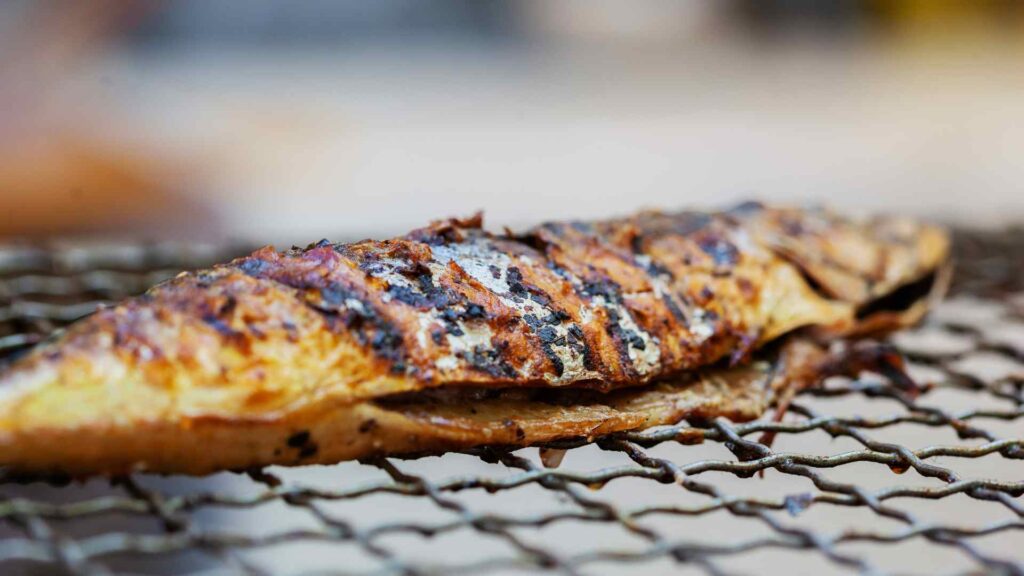
Bake, steam, poach, or grill a plain fillet without seasoning, then cool it fully. The FDA seafood-safety guide recommends cooking most seafood to 145 degrees Fahrenheit and stresses clean separation of raw seafood from other food.
Use a food thermometer in the thickest part, because color alone is an imperfect safety check. After cooking, flake the flesh under bright light and feel it carefully for pin bones.
Remove hooks, fishing line, scales, fins, head, tail, and hard spines. Never let a dog clean a carcass or raid fish-cleaning waste.
Serve one small flake first and observe for vomiting, diarrhea, itching, hives, facial swelling, or another unusual response. Fish can be a food allergen for an individual dog even when it is safe for many others.
Fish bones can lodge or puncture
Cooking does not make fish bones safe; it can make them brittle and easier to splinter. Tiny translucent pin bones are easy to miss, so “boneless fillet” still deserves inspection.
The Merck Veterinary Manual lists drooling, gagging, difficulty swallowing, regurgitation, and repeated attempts to swallow among signs of an esophageal foreign body. Lodged objects should be removed promptly by veterinary professionals.
Do not reach blindly into the throat, pull fishing line, or feed bread to cushion a bone. A sharp object can perforate tissue, and a visible line may be attached to a hook.
Seek urgent care after breathing trouble, severe gagging, repeated swallowing, sudden drooling, pawing at the mouth, regurgitation, collapse, or known hook ingestion. Bring information about the fish and tackle involved.
Raw fish brings pathogens and parasites
Raw fish can carry bacteria and parasites that threaten the dog and expose people through handling, bowls, saliva, and feces. “Sushi grade” is not a veterinary safety designation and does not make a raw feeding plan risk-free.
The CDC does not recommend raw pet food or treats because raw animal proteins can contain germs such as Salmonella and Listeria. Puppies, seniors, immunocompromised animals, and households with medically vulnerable people deserve particular caution.
Freezing can reduce some parasite risks under controlled time and temperature conditions, but it does not reliably eliminate every bacterial hazard or turn an unknown catch into a complete diet. Thorough cooking is the clearer household control.
The special Pacific Northwest salmon risk
Dogs in the Pacific Northwest can develop salmon poisoning disease after eating raw or undercooked salmonids infected with a fluke carrying Neorickettsia helminthoeca. Despite the name, this is an infectious disease, not ordinary food poisoning from cooked salmon.
The Merck Veterinary Manual describes fever, vomiting, diarrhea, weakness, weight loss, and enlarged lymph nodes, with geographic concentration in coastal areas of the Pacific Northwest. Prompt treatment matters.
Keep dogs away from raw salmon, trout, steelhead, fish scraps, and carcasses near rivers and beaches. Consult the focused salmon guide for preparation and exposure details.
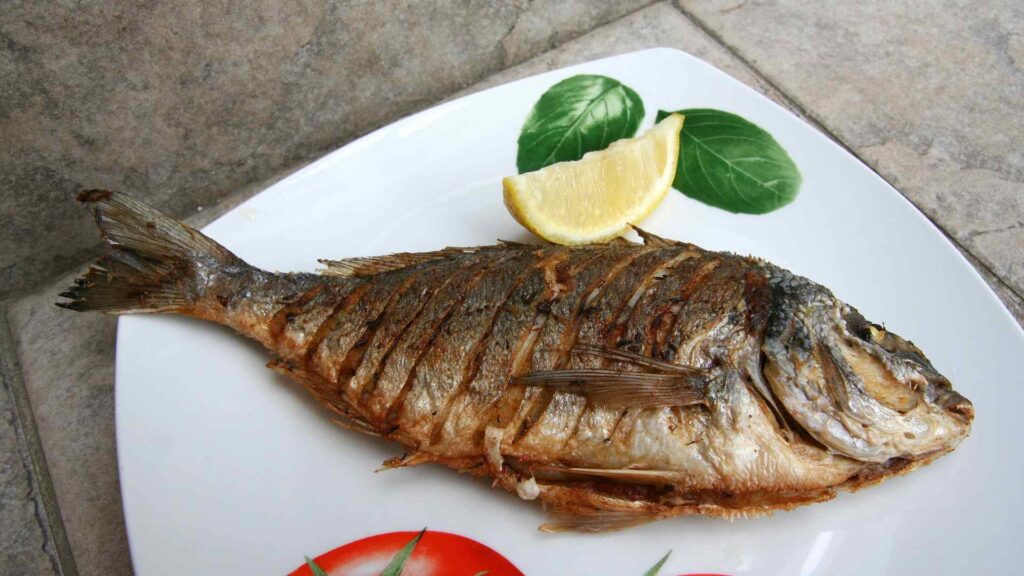
Canned, smoked, dried, and fermented fish
Canned in water: Choose no-salt-added products when a veterinarian approves them, drain the liquid, verify the species, and inspect for bones. “In water” does not automatically mean low sodium.
Canned in oil: Added oil increases fat and calories and may cause digestive upset. It is a poor option for dogs with pancreatitis or a prescribed low-fat diet.
Smoked fish: Smoking often brings substantial salt and does not guarantee that bones are absent. Lox, smoked salmon, smoked trout, and jerky-style fish are not routine dog treats.
Dried fish: A dog-specific product can be appropriate when it is complete with sourcing and feeding information, but drying concentrates calories and any sodium. Hard pieces can also challenge teeth or swallowing.
Fermented or pickled fish: These can add salt, spices, onion, garlic, and variable microbial processes. Skip them unless a veterinary professional has reviewed the exact product.
Shellfish is not simply boneless fish
Shrimp, crab, lobster, mussels, clams, oysters, scallops, and squid have their own shell, allergy, sodium, and cooking concerns. Remove every shell and tough part, cook thoroughly, and avoid butter, garlic, breading, and cocktail sauce.
Raw shellfish can carry pathogens or marine toxins, and cooking does not neutralize every toxin associated with harmful algal blooms. Use commercially sourced food and review the shrimp guide rather than generalizing from a deboned cod fillet.
Discard shells, tails, fishing bait, and seafood packaging in a closed bin. A shell fragment or bait hook can make physical injury more urgent than the seafood portion itself.
Fried fish, fish sticks, and restaurant plates
Batter and frying add fat, salt, and calories, while restaurant seasoning may include onion or garlic powder. One fallen crumb is unlikely to poison most healthy dogs, but a basket raid deserves a recipe and amount check.
Fish sticks may use lower-mercury species, but they are processed breaded food, not plain fillet. Inspect labels for sodium, seasoning, and allergens, and do not assume the absence of visible bones.
Fish and chips combines two separate foods plus oil, salt, sauce, skewers, foil, and packaging. The French fries guide covers the potato side of the plate.
Garlic butter, creamy sauce, curry, salsa, and chowder change the question again. Use the garlic guide if garlic or garlic powder appears.
How much fish can a dog have?
There is no universal fish serving table because species, fat, calories, moisture, and the dog’s diet vary. Begin with one small flake and keep occasional additions within the total treat allowance.
If fish will be fed regularly or replace part of the complete diet, consult a board-certified veterinary nutritionist. Simply adding fillets can unbalance calories, calcium, essential nutrients, and the overall ration.
Fish-oil dosing is a separate medical question because concentrated supplements can affect calories, digestion, clotting, and medication plans. Do not estimate a supplement dose from the amount of fish on a dinner plate.
Dogs who need extra caution
Dogs with pancreatitis or prescribed low-fat diets may need lean species and tightly controlled portions, or no extra fish at all. Dogs with kidney, heart, or sodium restrictions should avoid brined, smoked, or salted products.
Dogs undergoing elimination diet trials must receive only the assigned protein sources. A casual fish bite can compromise the trial even when fish itself is not toxic.
Puppies require balanced growth nutrition, and very small dogs need tiny boneless flakes. Dogs with dental or swallowing disease need a clinician-approved texture.
What to do after a fish theft
After a small amount of plain, fully cooked, boneless fish, remove the rest and monitor. Mild stomach upset may settle, but persistent vomiting, diarrhea, pain, itching, swelling, or lethargy warrants a call.
After raw fish, identify the species, source, geographic catch area, amount, and time. Call promptly after raw salmonid exposure in the Pacific Northwest or if fever, vomiting, diarrhea, weakness, or enlarged lymph nodes develops.
After suspected bones, hooks, or line, do not induce vomiting and do not pull visible line. Seek care for drooling, gagging, repeated swallowing, regurgitation, breathing trouble, abdominal pain, repeated vomiting, or collapse.
For canned, smoked, fried, or sauced fish, save the package and recipe. Note sodium, oil, onion, garlic, xylitol, bones, skewers, foil, and swallowed packaging.
The bottom line
Many healthy dogs can have a small flake of fully cooked, plain, carefully deboned lower-mercury fish. Species and preparation matter, and a boneless label never replaces inspection.
Skip raw fish, bones, high-mercury predators, smoked or brined products, fried portions, and seasoned dishes. Fish can be occasional variety, but it is not an automatic omega-3 prescription or a substitute for a properly balanced canine diet.