Can Dogs Eat Eggplant? Ripe Flesh, Plant Parts, and Preparation
Yes, many healthy dogs can eat a small piece of ripe eggplant flesh that has been cooked plain and cut to a safe size. Eggplant is optional, though, and the answer changes for raw chunks, leaves, stems, unripe plant material, rich recipes, a large amount, or a dog with dietary restrictions.
The safest version is pleasantly boring
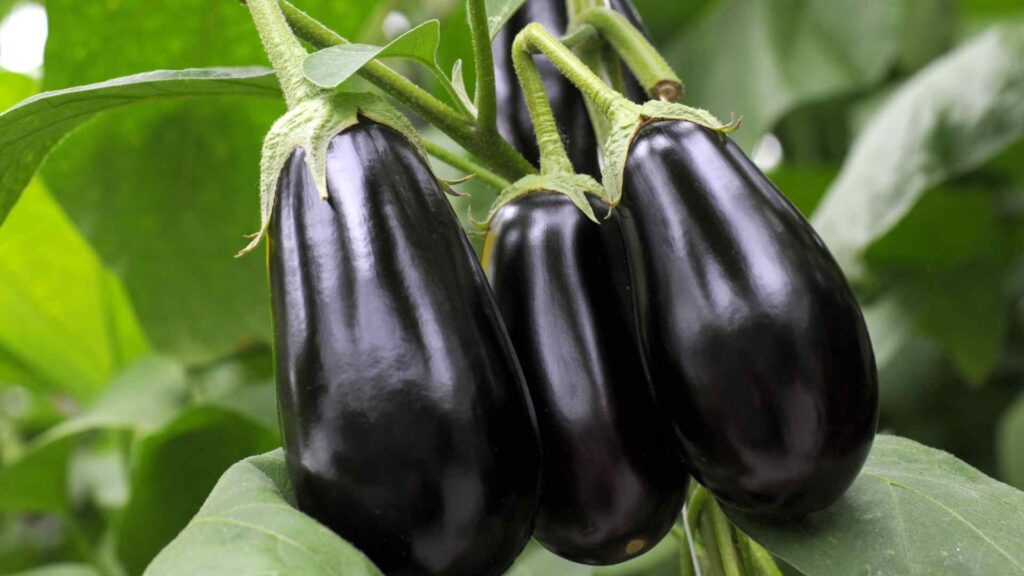
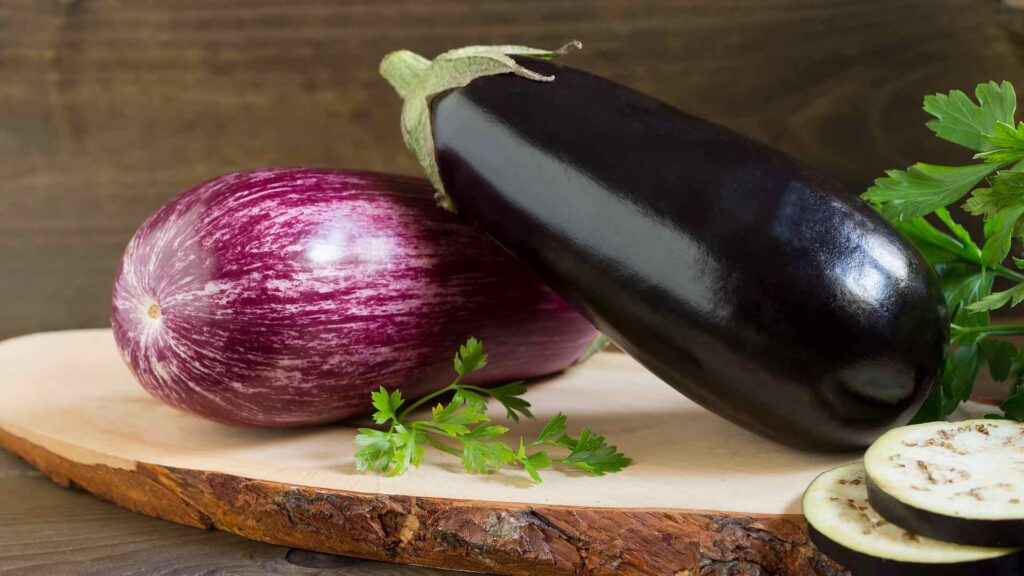
Choose a fresh, ripe culinary eggplant, wash it, remove the stem and leafy cap, and cook the flesh without salt, oil, butter, sauce, or seasoning. Cool it completely, then offer one soft bite-size piece rather than a slab.
Steaming, boiling, roasting on a bare pan, or baking in a covered dish can soften the texture. Cooking is useful for chewing and portioning, but it should not be described as a guaranteed chemical detox step.
The skin of a sound ripe eggplant is edible, yet it can be chewy. Peeling is a sensible texture choice for a tiny dog, a fast gulper, or any dog that struggles with fibrous food.
Eggplant fruit is not the whole eggplant plant
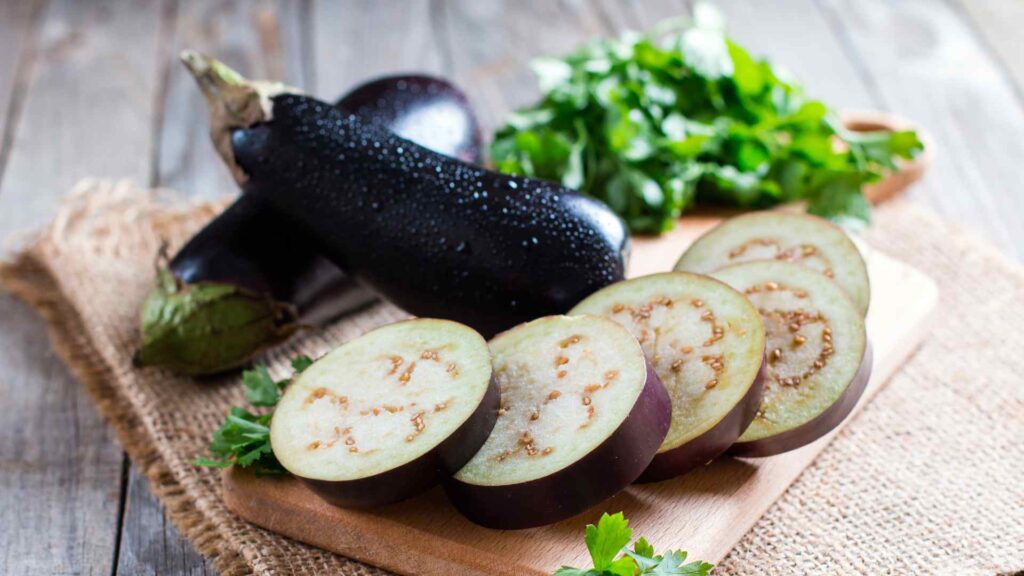
Eggplant is Solanum melongena, a nightshade grown for its edible fruit. The North Carolina Extension plant profile identifies the fruit and seeds as edible while warning against consuming the rest of the plant.
Keep leaves, flowers, roots, stems, the prickly calyx, garden trimmings, and pulled plants away from dogs. A dog chewing the plant in a garden creates a different toxicology question from a dog receiving one cooked cube from the kitchen.
The ASPCA lists poisonous nightshade species under the broad Solanum label and describes gastrointestinal and neurologic signs from their toxic principles. That nightshade warning should not be used to declare a ripe grocery-store eggplant bite deadly, but it supports taking unknown plant-part ingestion seriously.
Solanine is not the whole eggplant story
Online summaries often say eggplant contains solanine and stop there. Eggplant’s characteristic steroidal glycoalkaloids include solasonine and solamargine, concentrations vary among cultivars and plant tissues, and a canine safe-dose table for ordinary eggplant fruit is not established.
The practical response is proportionate: do not make plant material or bitter, damaged, spoiled, or unripe fruit into a snack. Call a veterinarian or animal poison service after a meaningful plant-part exposure or when the plant identity is uncertain.
Raw eggplant is mainly a texture and quantity problem
A small bite of ripe raw flesh is not automatically an emergency, but raw eggplant is firm, spongy, and harder to chew. Large cubes, thick rounds, or a stolen whole fruit can cause choking, gagging, vomiting, or an intestinal blockage.
Dog size and chewing style matter more than a universal tablespoon rule. A piece that a careful large dog chews may be swallowed whole by a puppy or a dog famous for inhaling food.
If a whole eggplant disappears, account for the woody stem, calyx, produce sticker, plastic wrap, bag, twist tie, and absorbent packaging. Foreign materials can be more urgent than the ripe flesh itself.
What eggplant dishes add
Eggplant parmesan
Eggplant parmesan usually adds breading, frying oil, cheese, salt, garlic, onion, and tomato sauce. The eggplant may be the least interesting part of the exposure once the recipe is considered.
Garlic and onion can damage canine red blood cells, including when cooked or powdered. The site’s onion guide explains why repeated or concentrated Allium exposure needs prompt veterinary advice.
Baba ganoush, curry, and stir-fry
Baba ganoush can include garlic, oil, salt, lemon, and tahini, while curries and stir-fries may add onions, chile, sauces, and large amounts of fat. Ask what went into the dish instead of treating the name as a complete ingredient list.
Restaurant recipes may be unavailable or change by location. Save the receipt and call the restaurant for allergen and ingredient information if a dog ate a meaningful amount.
Fried and oily eggplant
Eggplant absorbs oil eagerly, so a fried slice can be much richer than it looks. One crumb is different from a plateful, but a large greasy raid may cause vomiting, diarrhea, or abdominal pain.
Dogs with pancreatitis or prescribed fat restriction should avoid oily dishes. The Merck pancreatitis review supports careful dietary fat management in affected dogs.
Digestive upset and food allergy are different
Fiber and a novel texture can produce gas, loose stool, or vomiting when a dog eats too much. That digestive response does not prove the dog is allergic to nightshades.
Food allergy is possible with many proteins, but symptoms require a disciplined workup. Merck explains in its food-allergy guide that elimination followed by controlled rechallenge is the reliable diagnostic approach.
Recurrent itching, ear problems, skin infections, vomiting, or diarrhea should go to a veterinarian rather than an online ingredient blacklist. Do not add eggplant during a prescription elimination trial unless the supervising veterinarian approves it.
Dogs that need a more cautious answer
- Puppies, because extras can displace carefully balanced growth nutrition and large pieces are easy to gulp.
- Dogs with swallowing trouble, dental pain, prior intestinal obstruction, or a habit of swallowing food whole.
- Dogs with pancreatitis, obesity, diabetes, kidney disease, or a veterinarian-prescribed diet.
- Dogs undergoing a food-allergy trial or those with a documented reaction to an ingredient in the dish.
- Dogs that ate leaves, stems, flowers, roots, garden chemicals, compost, moldy food, or an unknown nightshade plant.
Eggplant does not need to be banned solely because a dog has kidney disease, but it should not be improvised into a renal-diet topper. Mineral, calorie, and protein targets in therapeutic diets are individualized.
How much can a dog have?
There is no evidence-based eggplant chart by breed size. The WSAVA treat guide advises keeping all extras below 10 percent of daily calories, while a first taste should be much smaller than that ceiling.
Start with one soft piece and do not offer more that day. A tolerated bite shows only that the dog handled that preparation and amount, not that an unlimited bowl is safe.
Most dogs already receive their essential nutrients from complete food. Eggplant is not needed as fiber therapy, weight-loss treatment, a vitamin supplement, or a replacement for prescribed nutrition.
A simple preparation checklist
- Confirm the plant is culinary eggplant, not an ornamental or wild nightshade.
- Choose sound ripe fruit and discard moldy, bitter, badly damaged, or spoiled areas.
- Wash under running water before cutting, following basic produce hygiene.
- Remove the stem and leafy cap, cook the flesh plain, and let it cool.
- Cut one small soft piece, supervise chewing, and store leftovers safely.
The FDA produce-safety guide recommends rinsing produce under running water and keeping it separate from raw animal foods. Soap and produce wash are not needed on the eggplant.
What to do after an eggplant raid
- Identify ripe fruit, raw chunks, cooked plain pieces, a seasoned dish, plant parts, compost, or an unknown Solanum species.
- Estimate amount and time, and record the dog’s weight, symptoms, conditions, medications, and normal diet.
- Save the recipe, takeout label, plant photo, produce sticker, and any remaining material.
- Check for missing bags, wrap, skewers, foil, toothpicks, stems, and garden chemicals.
- Call promptly for plant parts, uncertain identification, a large amount, hazardous seasonings, foreign material, or significant symptoms.
A healthy adult dog that ate one small piece of ripe raw or plain cooked flesh and remains normal can usually be monitored. Offer water, return to the normal complete diet, and watch for vomiting, diarrhea, drooling, weakness, or discomfort.
Repeated vomiting, marked drooling, weakness, unusual sleepiness, confusion, tremors, collapse, choking, a painful or swollen abdomen, or inability to keep water down needs prompt veterinary care. Do not wait if plant parts or an unknown nightshade were eaten.
Do not induce vomiting or give oil, milk, salt, charcoal, antacids, or human allergy medicine unless a veterinarian directs it. Plant identity and symptoms determine the correct response.
How it compares with nearby vegetables
Ripe eggplant fruit and ripe tomato flesh are food portions of nightshade plants, while their green plant parts deserve more caution. The cherry tomato guide explains that distinction for tomatoes.
Plain green bell pepper has a different plant chemistry and texture, while squash brings its own rind, seed, and bitter-cucurbit questions. Family resemblance is not a safe shortcut for preparation.
Frequently asked questions
Can dogs eat eggplant skin?
The skin of sound ripe fruit is edible, but it can be chewy. Peel it for a dog that gulps food or struggles with fibrous textures.
Is cooked eggplant always safe?
No. Cooking can soften flesh, but garlic, onion, salt, cheese, oil, breading, sauce, plant parts, and a huge serving can still create problems.
Can eggplant cure inflammation or cancer?
No clinical evidence supports feeding ordinary eggplant as canine treatment for inflammation, arthritis, heart disease, or cancer. Interesting plant compounds do not turn a bite into medicine.
What if my dog ate a leaf or stem?
Call a veterinarian or poison service with the plant identity, amount, time, dog weight, symptoms, and photos. Do not assume the edible-fruit advice applies to the rest of the plant.
The bottom line
One small soft piece of ripe eggplant cooked plain can be an occasional extra for many healthy adult dogs. Remove the plant parts, skip seasoning and oil, and make the piece easy to chew.
Raw large chunks, whole fruits, leaves, stems, unknown nightshades, rich recipes, and packaging change the response. Eggplant is food, not antioxidant therapy, cancer treatment, or a nutritional necessity.