Can Dogs Eat Apricots? Flesh, Pits, Tree Parts, and Products
Yes, many healthy dogs can eat a small piece of ripe apricot flesh after the pit, stem, and leaves are removed. The hard pit can choke or obstruct, while a chewed or crushed kernel and apricot tree parts introduce a separate cyanide risk, so preparation matters far more than the fruit’s sunny color.
The quick safety split
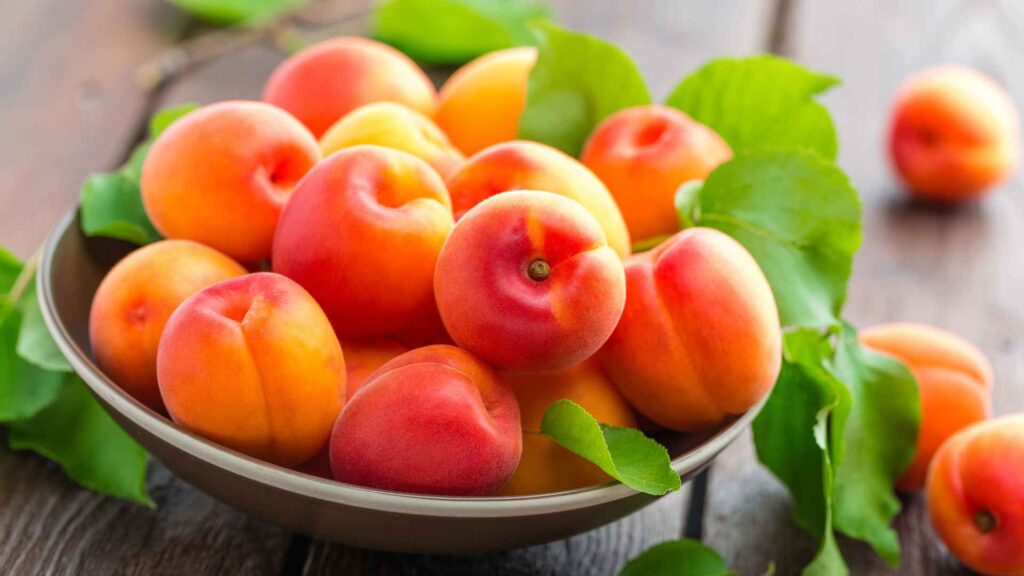
Think of an apricot as two very different objects. Soft ripe flesh is an optional sweet treat, while the pit is a hard foreign body surrounding a seed that contains cyanogenic compounds.
Remove the pit yourself before the fruit reaches the dog. Do not let a dog gnaw a whole apricot and assume the pit will be politely left behind.
Stems, leaves, twigs, and wilted material from apricot trees are not snack ingredients. Keep fallen fruit and pruning debris out of a dog’s reach, especially where a dog roams unsupervised.
Why apricot pits deserve respect
The ASPCA apricot entry identifies the stems, leaves, and seeds as containing cyanogenic glycosides. It lists breathing difficulty, panting, dilated pupils, brick-red mucous membranes, and shock among concerning signs.
Chewing or crushing a kernel damages the seed material and can make its cyanogenic compounds more available. Risk depends on what was damaged, how much was eaten, the dog’s size, and the time since exposure, so a home dose chart is not dependable.
An intact swallowed pit may present more of a choking or gastrointestinal obstruction problem than a cyanide exposure. That distinction is useful, but it is not a reason to wait when the pit is missing or the dog has symptoms.
Merck’s gastrointestinal obstruction guide explains that foreign bodies may cause vomiting, appetite loss, abdominal pain, lethargy, or shock. Location, object size, and time affect treatment.
One intact pit versus crushed pieces
If one intact pit disappeared, call a veterinarian with the dog’s weight, pit size, time, and symptoms. A toy dog swallowing a whole stone is not the same case as a large dog briefly mouthing one.
If the pit is cracked, ground, chewed, or partly missing, treat the situation as a potential toxic exposure as well as a foreign-body concern. Prompt professional advice matters because effective decontamination decisions can be time-sensitive.
Do not induce vomiting unless a veterinarian or animal poison specialist directs it. A hard object can lodge or injure tissue on the way back up, and salt, oil, mustard, or hydrogen peroxide can cause additional harm.
How to serve apricot flesh
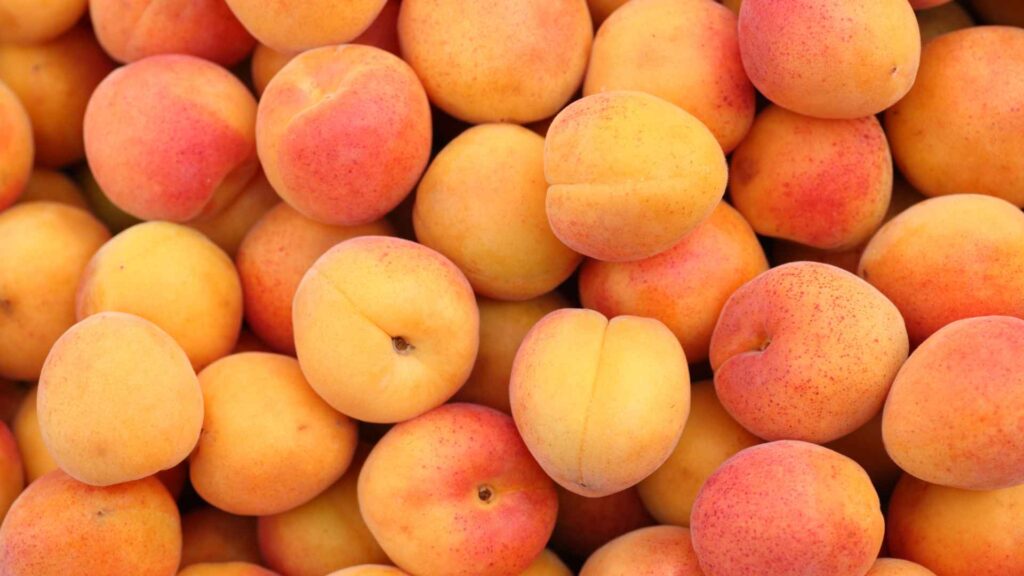
- Choose a ripe, sound apricot without mold, fermentation, or damaged skin.
- Wash it under running water and remove the stem, leaves, and pit completely.
- Inspect the flesh so no sharp pit fragments remain near the cavity.
- Cut a small piece appropriate for the dog’s mouth and offer it while supervising.
- Refrigerate cut fruit promptly and return to the dog’s complete diet after the treat.
The FDA produce-safety guidance recommends rinsing produce under running water and keeping it separate from raw meat. Soap, bleach, and produce detergent should not be used on fruit a dog may eat.
Peeling is optional for a healthy dog when the skin is washed and the piece is small. Removing the skin may make the texture easier for a dog with a sensitive stomach, but it does not turn apricot into medical food.
Offer a tiny first piece rather than mixing a new fruit into an entire meal. Stop if it triggers vomiting, diarrhea, marked gas, itching, swelling, or other unusual signs.
How much is a sensible amount?
There is no evidence-based apricot serving table for every dog size. Calorie needs, existing treats, health conditions, chewing style, and the rest of the diet all matter.
The WSAVA treat guide recommends keeping all treats and extras below 10 percent of daily calories. Apricot shares that small allowance with training rewards, chews, scraps, and toppers.
For a first taste, one bite-sized sliver is enough to test tolerance. A successful taste is not an invitation to hand over several fruits.
Apricot flesh contains sugar and fiber, so a large helping can cause loose stool, gas, nausea, or unwanted calories. It is not a constipation treatment, hydration strategy, vitamin therapy, or weight-loss food.
Dogs who need a different answer
Dogs with diabetes, obesity, pancreatitis, intestinal disease, swallowing trouble, or a prescription diet need individual guidance. Even plain fruit can interfere with calorie targets or a controlled diet trial.
Puppies have limited stomach room for balanced growth nutrition and may gulp small objects. Seniors with dental disease can struggle with skins or firmer pieces even when the fruit is chemically safe.
A dog with previous gastrointestinal surgery or a history of eating foreign objects deserves a lower threshold for veterinary advice after a pit disappears. Past behavior is practical risk information, not a personality quirk.
Dried apricots are concentrated and sticky
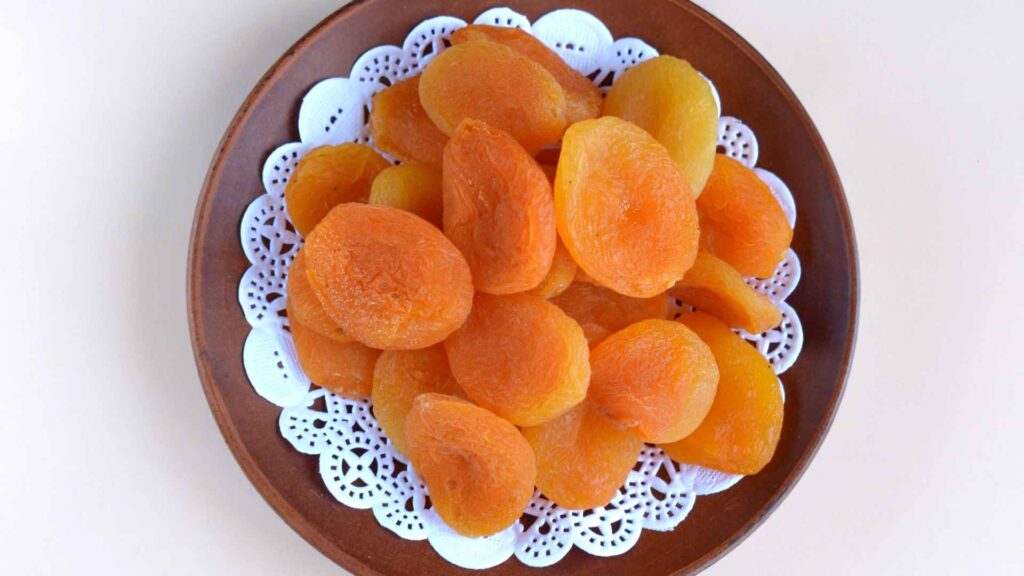
Dried apricots have much less water per bite than fresh fruit, so their sugar and calories are concentrated. Their chewy texture can also be awkward for small dogs or dogs that swallow without chewing.
Read the ingredient list for added sugar, preservatives, flavorings, chocolate, nuts, and mixed dried fruit. Raisins or currants in a trail mix create a much more urgent risk than the apricot itself.
Sulfur dioxide and sulfites are used in some dried fruit to preserve color. They are another reason to avoid making a processed human snack a routine dog treat, even though one plain small piece is not automatically an emergency.
Do not confuse a pitted date with a dried apricot; the site’s date guide explains its hard pit and sticky, sugar-dense flesh. Identify the missing food before deciding what matters.
Canned apricots, jam, and desserts
Canned apricots may be packed in juice, light syrup, or heavy syrup. A rinsed piece from juice is less sugary than syrup-packed fruit, but fresh pitted flesh is simpler.
Apricot jam, preserves, pastry filling, pies, yogurt, ice cream, and glazed meat add sugar, fat, alcohol, spices, or sweeteners. Check every ingredient instead of treating the word apricot as the whole exposure.
Sugar-free preserves require an immediate label check for xylitol, sometimes called birch sugar or wood sugar. Xylitol exposure in a dog warrants urgent veterinary or poison-control advice even before symptoms appear.
Apricot brandy, liqueur, cocktails, and fermented fallen fruit introduce alcohol. Wobbliness, unusual sleepiness, weakness, vomiting, low body temperature, tremors, or breathing changes require urgent care.
Baked goods may also contain raisins, chocolate, macadamia nuts, or raw dough. Save the package or recipe because the most dangerous ingredient may not be apricot.
Apricot trees, yards, and orchards
Dogs with access to an apricot tree can encounter repeated fallen pits, fruit fermenting on the ground, wilted leaves, branches, fertilizers, pesticides, and compost. A fence or supervised cleanup is safer than trying to monitor every mouthful.
Do not assume a wild or ornamental tree is an apricot based on orange fruit alone. Plant-identification errors can change the risk, so photograph the whole plant, leaves, fruit, and pit for a veterinarian or poison service.
Apricots share pit-related issues with cherries and nectarines. Each guide separates edible flesh from hard stones and cyanogenic seed material.
The apple guide covers a related but not identical seed question. Do not transfer advice between fruits without accounting for pit size, seed structure, and amount.
What to do after an apricot incident
- Remove access and look for the pit, fragments, leaves, stems, packaging, and other ingredients.
- Estimate the number eaten, earliest possible time, dog weight, and whether pits were intact or chewed.
- Check breathing, gum color, alertness, swallowing, vomiting, appetite, and abdominal comfort.
- Call promptly for a missing pit, damaged kernel, tree material, dangerous product ingredients, or any symptom.
- Follow professional instructions and keep the remaining fruit, plant photos, label, or recipe available.
Breathing trouble, collapse, seizures, abnormal gum color, severe weakness, or shock signs are emergencies. Go to an emergency veterinary clinic while calling ahead if it can be done safely.
Repeated vomiting, retching, abdominal pain, refusing food, a swollen abdomen, or inability to keep water down can point to obstruction. Symptoms may not appear immediately after a pit is swallowed.
A healthy adult dog that ate one small piece of correctly pitted plain flesh and remains normal can usually be monitored. Keep fresh water available and avoid piling on other new treats that day.
Frequently asked questions
Can dogs eat apricot skin?
Washed skin on a small ripe piece is generally not considered toxic. Cut it small, supervise, and remove it if the dog has trouble chewing or a sensitive stomach.
Is one apricot pit fatal?
Do not assume either guaranteed poisoning or guaranteed safety. An intact pit raises choking and obstruction concerns, while a crushed kernel adds cyanogenic exposure, so call with the actual details.
Can dogs eat dried apricots?
A tiny plain pit-free piece may be tolerated, but dried fruit is concentrated, sticky, and often mixed or sweetened. Fresh pitted flesh is the easier option.
Are apricots good for constipation?
Do not use apricots as treatment. Constipation can involve dehydration, pain, medication, pelvic disease, or obstruction, and adding fruit may delay needed care.
The bottom line
Ripe apricot flesh can be an occasional tiny treat after careful washing, pitting, inspection, and cutting. It has no necessary therapeutic role in a complete canine diet.
Keep pits, kernels, stems, leaves, tree debris, sugary products, and alcohol away. Call promptly when a pit is missing or chewed, and treat breathing changes or obstruction signs as emergencies.