Can Cats Drink Tea? Caffeine, Matcha, Herbal Blends, and Tea Bags
Do not offer cats black, green, white, oolong, matcha, or other caffeinated tea. A lick of weak cooled tea may not cause illness, but leaves, powders, concentrates, hot liquid, herbal ingredients, milk, sweeteners, and dangling tea-bag string can each change the response.
Tea triage starts with five facts
Before calling anything “tea,” identify the plant, form, strength, temperature, and additions. A cold lick from a mostly empty mug is not the same event as chewing a dry matcha packet or swallowing a bag and string.
- Plant: Camellia sinensis, chamomile, mint, hibiscus, valerian, mixed herbs, or an unknown blend.
- Form: Weak brewed liquid, concentrated chai, matcha powder, loose leaves, extract, supplement, or kombucha.
- Amount: A tongue-tip taste, a puddle, a full cup, several bags, or an uncertain quantity.
- Additions: Milk, cream, chocolate, coffee, honey, citrus, alcohol, spices, and sweeteners.
- Objects: String, staple, tag, sachet mesh, wrapper, lid, straw, and broken mug pieces.
Which teas contain caffeine?
| Tea style | Caffeine picture | Cat safety note |
|---|---|---|
| Black, green, white, and oolong | Naturally caffeinated Camellia sinensis leaves | Do not serve; strength varies by leaf, time, and product. |
| Matcha | Whole ground green-tea leaf consumed as powder | More concentrated than a few licks of weak brewed tea. |
| Decaffeinated true tea | Less caffeine, not necessarily none | Still unnecessary and may include flavoring or other ingredients. |
| Herbal infusion | Often caffeine-free, but plant-dependent | The absence of caffeine does not prove the herbs are feline-safe. |
| Chai | Usually true tea plus spices, milk, and sweetener | Caffeine and the recipe both matter. |
| Bottled iced tea | Variable caffeine, sugar, acids, and flavors | Use the nutrition and ingredient labels plus caffeine statement. |
| Kombucha | Residual caffeine, fermentation products, acidity, and possible alcohol | Keep it away from cats. |
The FDA’s food-science material estimates that an eight-ounce cup of green or black tea may contain 30 to 50 milligrams of caffeine, while stressing that the actual amount varies by plant and preparation. Those human beverage figures demonstrate variability, not a safe cat serving.

Why caffeine deserves a prompt phone call
Caffeine belongs to the methylxanthine family and can stimulate the central nervous system, heart, and other body systems. Cats have far less body mass than people, so the remnants of a human drink can be meaningful.
Possible signs include restlessness, vomiting, excessive thirst or urination, rapid breathing, a fast or abnormal heartbeat, elevated body temperature, tremors, incoordination, and seizures. A cat may first look unusually busy rather than obviously ill.
The Merck Veterinary Manual describes methylxanthine effects, including gastrointestinal, cardiac, and neurologic signs, but its convenient dose examples are canine. Do not paste a dog threshold into a feline risk calculation.
Call the veterinarian or animal poison service after more than a trivial caffeinated-tea exposure, any dry leaf or powder ingestion, or any compatible symptom. Treatment decisions depend on the cat, amount, product, timing, and clinical condition.
Matcha and concentrates shrink the serving, not the concern
Brewed tea leaves remain mostly in the strainer, while matcha suspends finely ground leaf in the drink. A teaspoon of powder therefore cannot be compared with a teaspoon of ordinary weak tea.
Matcha can scatter across paws and coat, leading to additional ingestion during grooming. Move the cat away, prevent licking, and call for cleaning instructions rather than rubbing powder deeper into damp fur.
Tea extracts, energy drops, powdered latte mixes, pre-workout products, and “focus” supplements may provide caffeine in concentrated amounts. Green tea extract on a label still counts as a stimulant source even when the package uses botanical language.
The ASPCA warns that supplements may contain caffeine from green tea extract, coffee, or guarana. Bring the complete container to the clinic because active ingredients may extend beyond caffeine.

A swallowed tea bag is two emergencies in one
A wet tea bag holds concentrated leaves and is easy for a cat to drag away. The attached string may lodge under the tongue, anchor in the stomach, or bunch the intestines as they move around it.
Some bags add a metal staple, paper tag, plastic mesh, adhesive, or wrapper. Account for each piece instead of finding the torn bag and assuming all the trouble stayed in the mug.
Never pull string hanging from the mouth or rectum. Tension can damage tissue, and a veterinary team needs to determine where the rest of the material is located.
Gagging, repeated swallowing, drooling, vomiting, hiding, abdominal pain, appetite loss, reduced stool, or lethargy after a bag disappears deserves urgent assessment. Difficulty breathing, blue-gray gums, collapse, tremors, or seizures requires emergency care now.
Herbal does not mean harmless
Herbal tea is an infusion of one or more plants rather than a single safety category. The blend may contain flowers, roots, bark, seeds, essential oils, fruit peel, spices, natural flavor, or medicinal extracts.
Plant identity matters down to the species. For example, the ASPCA lists Roman chamomile as toxic to cats, with possible vomiting, diarrhea, appetite loss, contact dermatitis, and allergic reactions.
That finding does not prove every plant sold under a chamomile-related common name has the identical chemistry. It does prove that “soothing herbal tea” is not enough information to approve a feline sip.
Peppermint tea, sleep blends, detox teas, mushroom blends, and traditional remedies should each be evaluated by exact ingredients. Avoid claims based only on human use, organic certification, or the word natural.
Catnip tea needs a cat-sized reality check
Catnip is one herb with familiar feline use, but a human tea bag can add other plants and flavorings. Even plain catnip may cause vomiting, diarrhea, sedation, or overexcitement when a cat consumes too much.
Our catnip guide separates sniffing, eating, oil, toys, tea, and overexposure. If you want to offer catnip, use a cat product as directed instead of sharing a human blend.
Essential oil is much more concentrated than dried leaves in an ordinary infusion. Never add an essential oil drop to a cat’s water or tea cup.
Chai is a whole recipe
Chai commonly combines black tea with cinnamon, ginger, cardamom, cloves, pepper, milk, and sugar. Concentrates and café syrups can be much sweeter and stronger than a home-brewed cup.
One lap of a cooled diluted chai may not cause signs, but the caffeine source and spice concentrate still need identification. A dry chai powder or concentrate is a more significant exposure than foam from the rim.
Our cinnamon safety article explains the difference among a dusting, a stick, concentrated oil, and an inhaled powder. No spice should distract from the caffeine assessment.

Milk tea, boba, and sweet café drinks
Milk tea adds dairy or plant-based milk, sugar, flavor syrups, and often a larger caffeine serving. Many adult cats digest lactose poorly, while non-dairy creamer can be high in oils and contain a long list of additives.
Boba pearls and jelly toppings are chewy, slippery, and unsuitable for a cat to swallow. Wide plastic straws, cup seals, and sharp film fragments create additional foreign-body opportunities.
Brown-sugar syrup, condensed milk, whipped cream, pudding, and cheese foam turn tea into dessert without removing caffeine. Honey also adds sticky concentrated sugar, as discussed in our cat and honey guide.
Iced tea and bottled products
Bottled tea may be sweetened, diet, flavored, caffeinated, decaffeinated, or mixed with lemonade and juice. Read the caffeine declaration, servings per container, and ingredients rather than using color to judge strength.
Tea-flavored energy drinks may combine multiple caffeine sources. A “zero calorie” claim only describes energy, not stimulant content or feline safety.
Lemon peel and citrus oils are different from a trace of diluted juice. If a cat chewed a garnish or concentrated flavor pod, our orange and citrus preparation guide provides the relevant distinctions.
Kombucha is not pet wellness water
Kombucha begins with sweetened tea and fermentation, so the finished drink may retain caffeine, sugar, organic acids, live microbes, and a small amount of alcohol. Home batches can be less predictable than commercial bottles.
Flavorings may add ginger, fruit juice, herbs, cayenne, or supplements, and damaged bottles can leak or build pressure. There is no evidence-based feline reason to offer kombucha for digestion or immunity.
Hot tea can injure before chemistry matters
Freshly brewed liquid can burn the mouth, tongue, esophagus, skin, or paws. Steam and a tipping mug also expose the face and eyes.
After a hot spill, move the cat safely away and contact a veterinary clinic for immediate first-aid instructions. Do not apply butter, oil, ointment, or ice to a burn unless the clinic directs it.
Signs may include drooling, mouth-pawing, refusing food, redness, blistering, coughing, squinting, or painful skin. Burns can worsen after the first look, so a calm cat is not proof the tissue is fine.
What information the clinic needs
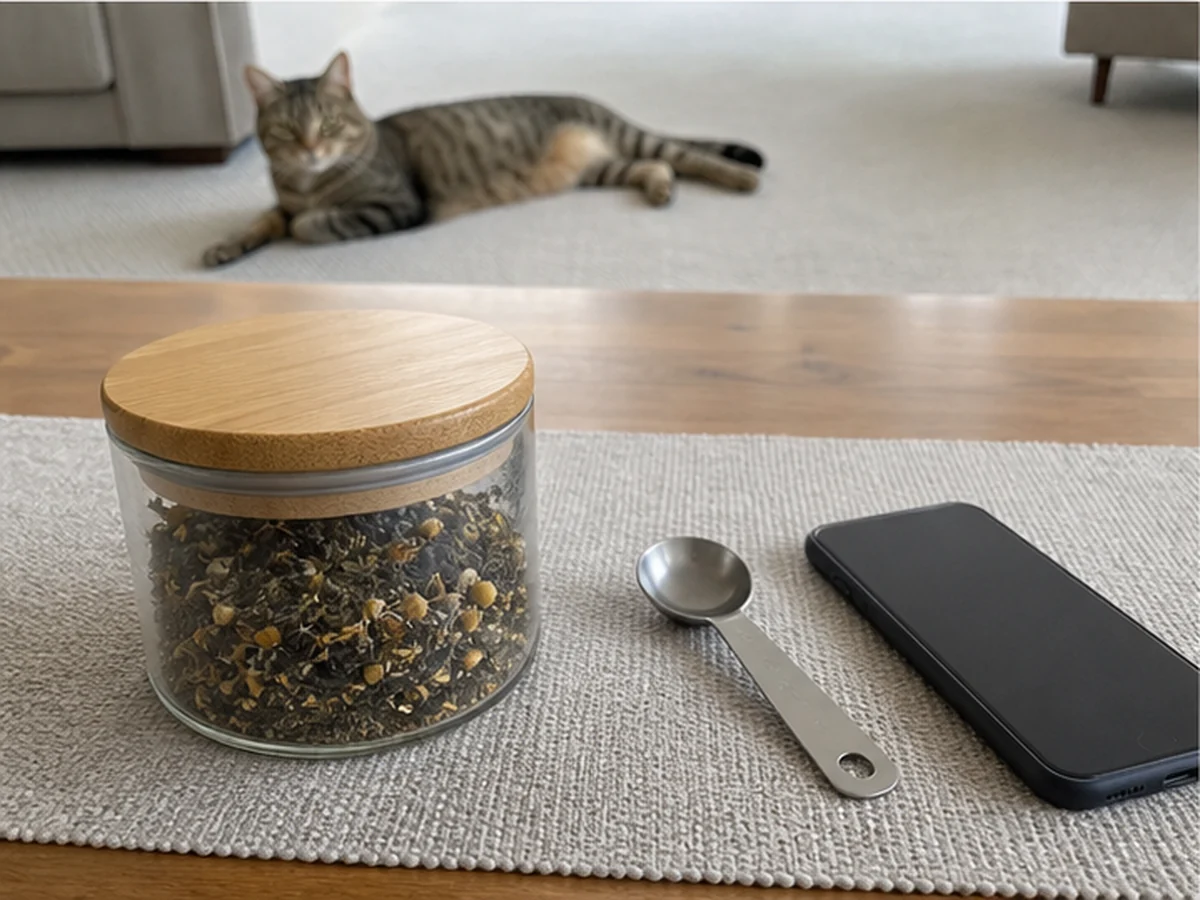
- Exact tea identity: photograph the front, ingredients, caffeine statement, and preparation directions.
- Form and strength: describe bags, loose leaf, matcha, extract, concentrate, supplement, or brewed liquid.
- Exposure estimate: report cup volume, amount remaining, spill size, time, and the cat’s weight.
- Added ingredients: include milk, chocolate, citrus, alcohol, herbs, sweeteners, and medicine mixed into the drink.
- Missing materials: locate the bag, string, staple, tag, wrapper, lid, straw, and broken ceramic.
Do not make the cat vomit, force water, or give activated charcoal from a home supply. The safest early action is accurate product identification followed by case-specific veterinary guidance.
Frequently asked questions
Can cats drink decaf tea?
Decaffeinated true tea can retain some caffeine, and flavorings or herbs add separate questions. It offers no feline benefit, so choose water rather than trying to define a routine decaf portion.
My cat licked weak tea. Is that an emergency?
One lick of cooled, dilute tea may only require a label check and monitoring, but strength is hard to judge by color. Call when the amount is more than trivial, leaves or powder were eaten, or behavior changes.
Can tea calm an anxious cat?
Do not use human tea as anxiety treatment. A veterinarian can assess pain, illness, environment, and behavior, then recommend feline-safe strategies with known ingredients and doses.
What if the tea contained chocolate?
Cocoa and chocolate add theobromine plus caffeine, making the methylxanthine total more complex. Gather the cocoa type and quantity, consult our cat chocolate guide, and call promptly.
Bottom line
Caffeinated tea belongs in a cat-free mug, and herbal tea earns no blanket exemption. Identify the plant and concentration, respect powders and extracts, treat strings as foreign bodies, respond quickly to hot spills, and pour fresh water for the curious guest instead.