Can Cats Eat Asparagus? Plain Spears, Tough Stalks, and Plant Mix-Ups
A tiny piece of soft, plain, cooked garden asparagus is generally low risk for a healthy adult cat, but it is not needed and can cause stomach upset. Tough stalks, buttery sauces, garlic seasoning, large portions, and the toxic ornamental plant called asparagus fern require different answers.
Quick triage after an asparagus theft
For one small bite of unseasoned cooked spear, take away the plate and watch your cat at home. Keep normal food and water available, and expect no problem beyond possible mild gas, vomiting, or a softer stool.
Call a veterinarian if a long woody stalk is missing, the dish contained onion or garlic, the cat ate an ornamental asparagus fern, or you see repeated vomiting, pain, weakness, breathing trouble, severe diarrhea, or refusal to eat. Bring a plant photo or ingredient label whenever identification is uncertain.
Do not give hydrogen peroxide, salt, oil, milk, or human stomach medication and do not force food. Veterinary advice should reflect the exact plant or recipe, amount, timing, symptoms, and cat.
Garden asparagus and asparagus fern are not one item
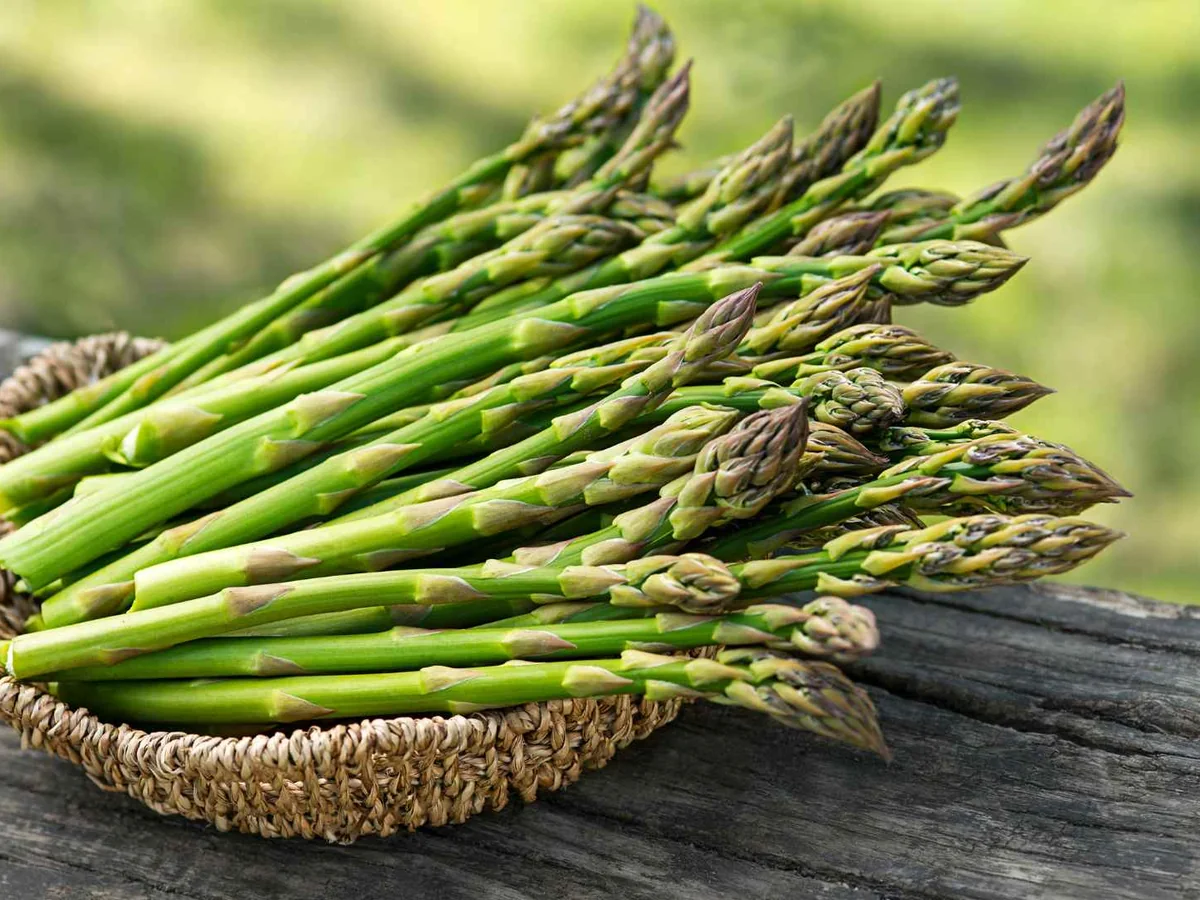
The vegetable sold in grocery stores is garden asparagus, usually identified as Asparagus officinalis. The feathery ornamental commonly called asparagus fern is a different plant grown for decoration, not a garnish that escaped the produce aisle.
The ASPCA lists asparagus fern as toxic to cats and reports that berry ingestion can cause vomiting, abdominal pain, or diarrhea. Repeated skin exposure may also cause allergic dermatitis.
That warning should not be pasted onto a cooked grocery-store spear, and vegetable reassurance should never be used for a houseplant. Common names create this mess, so a photograph and scientific identification are worth far more than the word asparagus alone.
What plain vegetable asparagus offers a cat
Asparagus provides people with fiber and micronutrients, but cats have no requirement for a side of green spears when their regular diet is complete and balanced. A token bite is culinary curiosity, not a nutritional upgrade.
The Cornell Feline Health Center advises feeding complete, balanced cat food and keeping treats occasional. Vegetables should not displace the animal protein, amino acids, fats, vitamins, and minerals formulated into that diet.
Some cats show tremendous interest because asparagus carries cooking aromas or butter, not because their bodies are requesting folate. Others touch a tip, recoil theatrically, and restore order to the universe.
Cook it soft and cut across the fibers
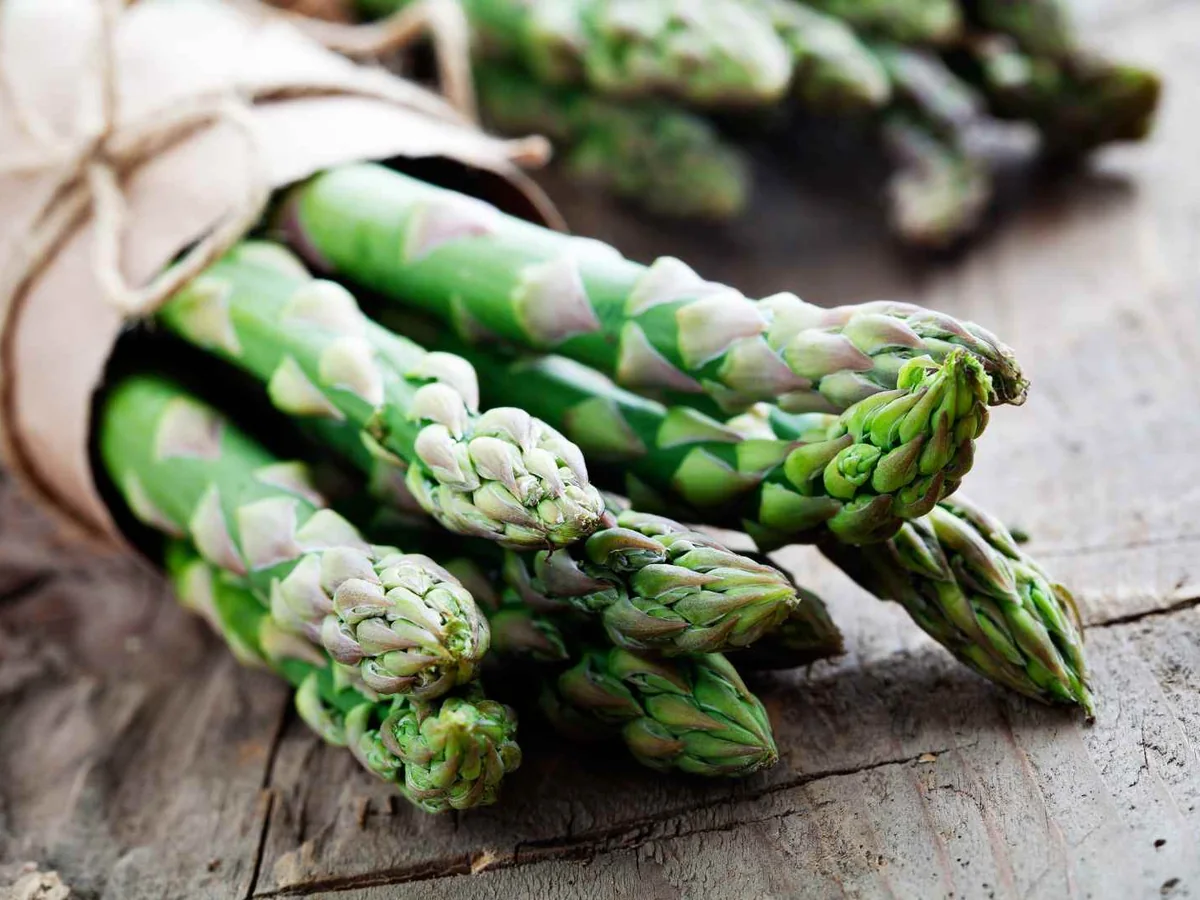
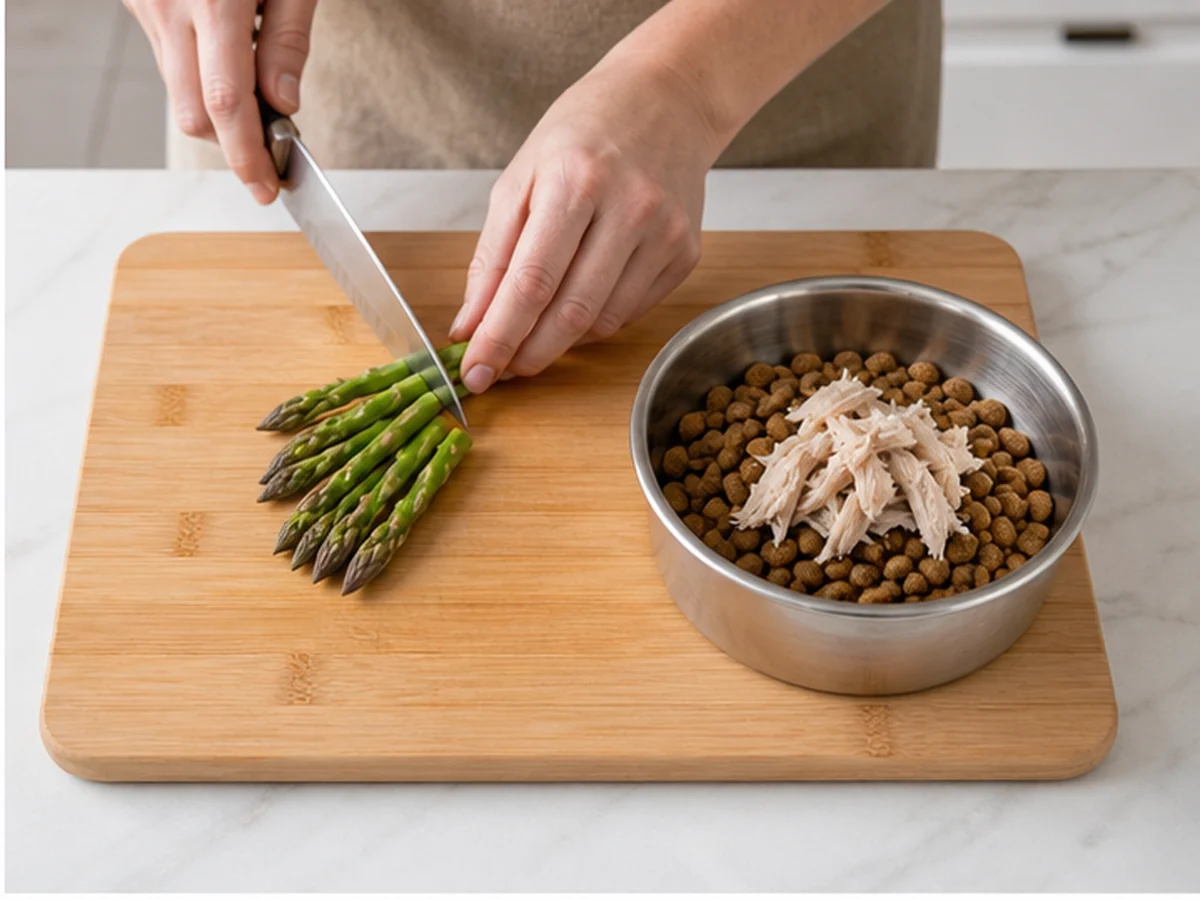
Raw asparagus is crisp and fibrous, while the lower stalk can remain woody even after cooking. Steaming or boiling until soft and slicing a tip into pieces smaller than a pea reduces chewing and choking problems.
Remove the hard base and any stringy exterior before considering a taste. Do not hand over an entire spear, because a cat may gulp the flexible stalk and discover too late that enthusiasm is not a chewing strategy.
Wash fresh produce under running water before cutting and skip soap, detergent, or produce wash. The FDA’s produce-safety instructions also recommend clean hands, utensils, and surfaces and discarding rotten areas.
The stalk creates a physical problem, not a famous toxin
A long fibrous piece may cause gagging, repeated swallowing, vomiting, or an obstruction if it does not move normally. Risk depends on piece size, toughness, chewing, and the cat’s anatomy rather than a universal safe number of inches.
The Merck Veterinary Manual’s obstruction guidance describes appetite loss, vomiting, lethargy, and abdominal pain as important signs. Call promptly if those appear after plant material disappears.
If a strand protrudes from the mouth or anus, do not pull it. Material anchored inside can damage tissue when tugged, so prevent licking and travel to a clinic for safe examination.
Butter, garlic, hollandaise, and restaurant spears
Butter adds fat and calories and may trigger vomiting or diarrhea in a sensitive cat. Our butter guide for cats explains why one greasy lick and a substantial rich-food theft deserve different responses.
Garlic and onion are the ingredients that turn many roasted-asparagus recipes into a toxicology concern. Powders can be difficult to see and concentrated across the food, so call with the recipe rather than scraping off visible bits.
Hollandaise brings egg yolk, butter, lemon, and salt, and restaurant versions may include cayenne or other seasoning. A tiny lick is often a digestive-monitoring matter, while a larger amount or unknown sauce justifies professional guidance.
Bacon-wrapped asparagus adds cured meat, salt, fat, and possible skewers or toothpicks. Count the hardware first, because a missing wooden pick is more urgent than the green vegetable it held.
Canned, frozen, pickled, and grilled forms
Plain frozen asparagus can be cooked and minced like fresh vegetable, provided the bag contains no sauce. Do not offer a frozen-hard piece that is difficult to bite or a steaming-hot one straight from the pan.
Canned asparagus is usually very soft but may contain substantial sodium. Draining and rinsing lowers surface brine, yet a fresh plain tip remains simpler and cats on sodium-managed diets should receive only approved treats.
Pickled asparagus may contain garlic, onion, salt, sugar, vinegar, chili, and spices. It should not be offered, and the full jar label should accompany a call after more than a minor lick or any allium exposure.
Grilling is acceptable only before oil and seasoning, with charred hard edges removed. Smoke flavor, marinades, barbecue sauce, and blackened crust do not create a health benefit for cats.
Can asparagus change urine odor in cats?
People may notice a sulfurous urine odor after eating asparagus, but feline data are not strong enough to promise the same response or use it diagnostically. A new urine smell should not be casually blamed on one vegetable when urinary disease is possible.
Straining, frequent litter-box trips, crying, producing only drops, blood in urine, or inability to urinate is urgent, especially in a male cat. Those signs require veterinary care whether asparagus was served or not.
Do not feed asparagus as a urinary remedy or diuretic. Cats with urinary conditions need moisture, minerals, calories, and medication managed according to their diagnosis, not a vegetable folklore experiment.
Cats who are better off skipping it
Kittens, cats with dental pain, swallowing problems, chronic gastrointestinal disease, prior obstruction, diabetes, obesity, or a prescribed therapeutic diet should not sample asparagus casually. The possible pleasure is small and the dietary variables are avoidable.
Older cats may have reduced chewing efficiency or hidden dental disease, making stringy food more awkward. If a senior suddenly drops food, paws at the mouth, or avoids usual textures, schedule an oral examination instead of searching for softer table scraps.
A cat in a food-allergy trial needs strict control of every ingredient. Even a vegetable that rarely causes allergy can ruin the clarity of an elimination plan by introducing something unrecorded.
Safer ways to satisfy a vegetable inspector
If your cat enjoys the kitchen ritual, offer a measured commercial treat or several pieces of regular kibble while you prep dinner. The social moment stays intact without asking a digestive tract built for feline food to process a tiny salad course.
For a cat who likes crisp produce, a minuscule piece of plain cooked vegetable may be used occasionally with veterinary approval. Compare textures using the site’s green bean overview or broccoli overview, while keeping species-specific conclusions separate.
Puzzle feeders, lick mats used with approved wet food, and scattered portions of the normal ration provide novelty with better nutritional control. Often the cat wants an activity and your attention more than the object on the cutting board.
Monitoring and emergency signs
After a small plain bite, watch for drooling, gagging, vomiting, diarrhea, decreased appetite, lethargy, or abdominal discomfort. Note when it happened and whether the piece came from a soft tip, woody base, sauce, or houseplant.
Breathing trouble, blue or pale gums, collapse, severe weakness, repeated vomiting, a painful abdomen, or inability to keep water down warrants urgent assessment. Plant berries or unknown ornamental foliage also justify an immediate poison-control or veterinary call.
Bring a photo of the ornamental plant including leaves, stems, berries, pot label, and overall shape. Do not rely on a plant-identification app as the final authority when treatment decisions depend on the species.
How much is a tiny taste?
For a healthy adult cat without dietary restrictions, think one or two soft pieces smaller than a pea, not a spear and not a measured human tablespoon. That conservative amount is a practical serving suggestion rather than a researched toxic threshold.
Wait to see how the first sample is tolerated before ever offering it again. If vomiting, diarrhea, appetite loss, or discomfort follows, remove asparagus from the menu and discuss persistent signs with the veterinary clinic.
Repeated vegetable treats can also become meaningful when several household members share independently. A family treat jar or simple feeding note prevents five tiny tastes from quietly turning into a side dish.
FAQ
Is cooked asparagus poisonous to cats?
Plain cooked garden asparagus is not recognized as a feline poison. A tiny soft piece is generally low risk, but large or stringy servings can cause digestive or swallowing trouble.
Can cats eat raw asparagus tips?
Raw tips are firmer and harder to digest than cooked ones, so they are not the preferred form. If offering a taste, steam it plain and mince it very small.
What if my cat ate garlic-seasoned asparagus?
Contact a veterinarian or animal poison service promptly with the recipe, amount, time, and cat’s weight. Do not wait for signs or assume brushing off visible garlic removes powder and cooking juices.
Is asparagus fern safe around cats?
No, ASPCA lists asparagus fern as toxic to cats, with berry ingestion capable of causing gastrointestinal signs. Keep the plant inaccessible and call after suspected chewing or berry consumption.
Bottom line
A pea-sized soft piece of plain garden asparagus is usually a low-risk curiosity, not a useful cat food. Keep stalks short, sauces absent, and houseplant identification precise, then choose balanced feline treats for the encore.