Can Cats Eat Broccoli Stems? Chopping, Cooking, and Choking Risk
A tiny, soft, fully cooked piece of plain broccoli stem is generally low risk for a healthy adult cat, but the tough raw stalk is a poor snack. Fibers, large chunks, choking, gas, onion, garlic, cheese sauce, salt, hot steam, mold, produce bands, and medical diets are more important than the vegetable’s healthy reputation.
Check size, texture, and recipe first
Take away the stem and identify raw, steamed, boiled, roasted, frozen, soup, casserole, slaw, or compost material. Estimate the missing dimensions and time, then account for bands, bags, skewers, foil, and seasoning.
- One pea-sized soft plain piece: offer water and monitor for gas or loose stool.
- A long raw strip or large woody chunk: call for swallowing and obstruction advice.
- Onion, garlic, alcohol, medication, mold, skewer, or missing plastic: contact a veterinarian promptly.
- Choking, blue gums, collapse, repeated vomiting, or a painful swollen abdomen: seek emergency help.
Do not induce vomiting or feed bread, oil, or more fiber to push a stem through. Never pull plant strands from the mouth or rectum if they appear anchored.
Stems and florets are the same plant, different geometry
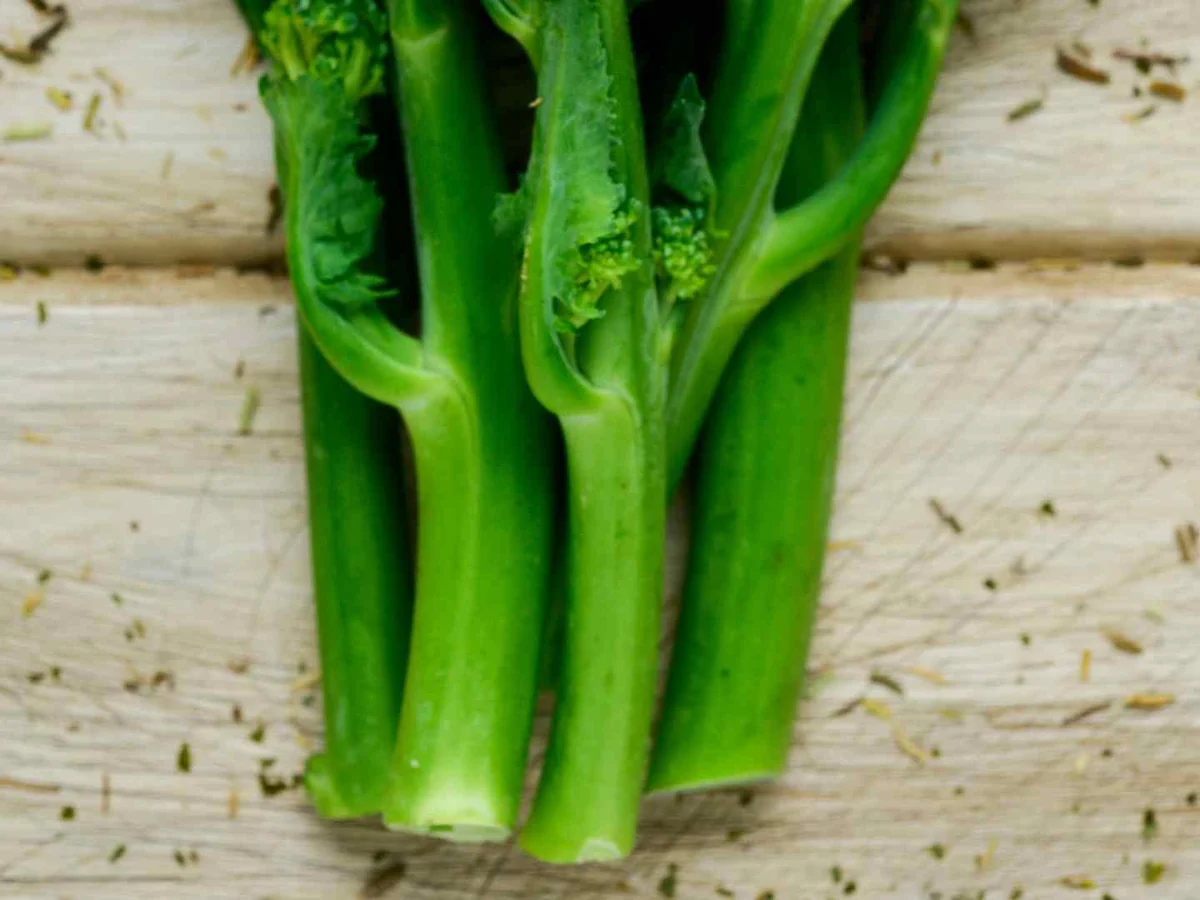
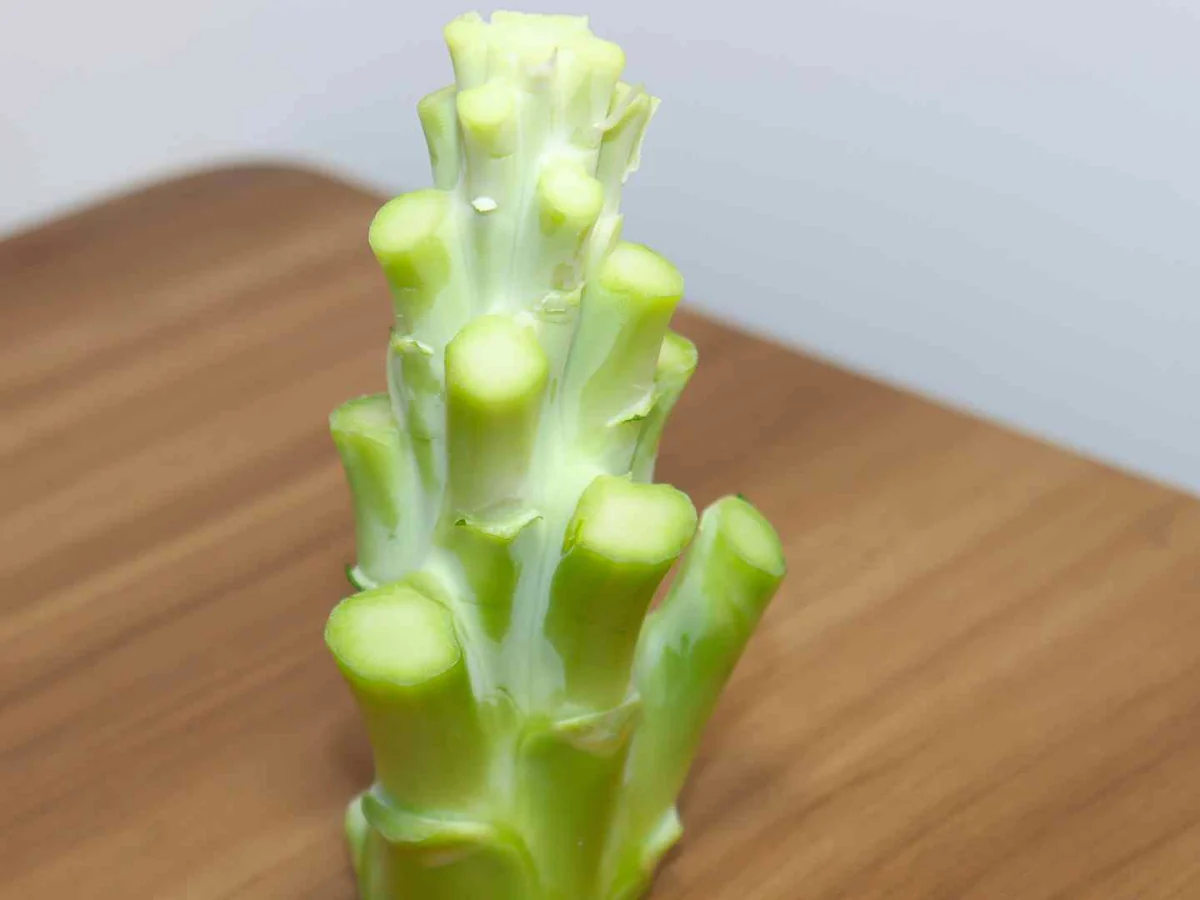
Broccoli stems are firmer, denser, and more fibrous than the flowering head. The issue for cats is not a unique stem toxin but how a woody strip behaves during chewing and swallowing.
A cat-sized safe preparation therefore focuses on peeling tough outer fibers, cooking until mashable, and chopping very small. The easier option is simply not sharing it.
Raw stalks can become awkward objects
A fresh stalk can splinter into stringy ribbons or be gulped as a rigid baton during a theft. Dental pain, missing teeth, and rapid eating increase concern.
Gagging, repeated swallowing, drooling, neck extension, coughing, noisy breathing, or frantic mouth pawing requires urgent attention. Do not offer water as a swallowing test.
Obstruction may appear after the kitchen looks normal
The Merck Veterinary Manual obstruction review lists vomiting, appetite loss, abdominal pain, dehydration, lethargy, and shock among possible findings. A partial blockage may still allow some stool to pass.
Call when a substantial strip is missing, especially for a kitten or cat with prior intestinal surgery. Early assessment offers more options than waiting through repeated vomiting.
Cook until easily mashed
Steam or boil a peeled stem in plain water until a fork crushes it without effort. Cool it completely, then cut a single pea-sized portion into smaller bits.
Avoid microwaved hot spots and rising steam. Drooling, mouth pawing, sudden food refusal, or visible oral redness after hot food deserves an examination.
Fiber can cause gas and stool changes
Broccoli contains fermentable plant material that may produce gas, bloating, vomiting, or loose stool in an individual cat. More fiber is not always better.
A mild one-time stool change can be observed, while persistent diarrhea, repeated vomiting, pain, dehydration, or lethargy warrants a call. Stop the vegetable rather than increasing it.
Broccoli is optional, not a vitamin requirement
The Merck feline nutrition resource explains cats’ distinctive need for animal-derived nutrients. Broccoli cannot balance a homemade meat diet or replace a complete commercial food.
Human enthusiasm for vitamin C, antioxidants, and fiber does not create a feline deficiency. The regular diet should do that work.
Fresh produce hygiene still matters
Rinse the whole stalk under running water before cutting, use clean tools, and keep it away from raw meat juices. Remove dirt, damaged areas, labels, and elastic produce bands.
The FDA produce-handling guide advises clean hands, refrigeration, running-water rinsing, and no soap on food. These steps protect the household even when the cat receives none.
Frozen broccoli stems
Frozen pieces may be cut into large hard chunks that are unsafe to offer straight from the freezer. Mixed vegetable bags can include onion-containing sauce or seasoning.
Cook and inspect the product, then discard oversized woody parts. A plain frozen label does not certify every piece as a feline portion.
Roasted and air-fried stems
Roasting commonly adds oil, salt, pepper, garlic, parmesan, chili, or seasoning blends. Crisp edges and fibrous centers can be harder than steamed vegetable.
Do not rinse a roasted strip and assume absorbed seasoning disappeared. Use a plain piece set aside before oiling if the veterinarian has approved a taste.
Cheese sauce and casserole
Broccoli-cheese casseroles may contain butter, cream, cheese, onion, garlic, salty soup, breadcrumbs, bacon, and foil. The stem is only one component.
The Merck Allium toxicosis guide notes that cooked and powdered onion or garlic can damage feline red blood cells. Delayed anemia means a normal-looking cat immediately after dinner is not proof of safety.
Soup and broth
Broccoli soup often includes stock, salt, onion, garlic, leek, cream, cheese, or potato. Smooth texture allows a cat to lap more before being noticed.
Keep the recipe and estimate volume rather than reporting one lick. A hot soup exposure can also burn the mouth and skin.
Slaw and raw salads
Broccoli slaw uses long raw shreds and may add onion, raisins, nuts, mayonnaise, vinegar, sugar, mustard, or bacon. Both string-like texture and mixed ingredients deserve attention.
Our guides to broccoli, salad greens, cheese, and bacon help assess neighboring foods.
Compost and vegetable scraps
A compost bucket may combine woody stems with onion skins, garlic ends, coffee grounds, moldy food, bones, twine, and a liner. Report the whole inventory after a raid.
Mold-associated tremors, seizures, marked agitation, or overheating is urgent. Secure scraps behind a latched door rather than relying on a countertop bowl.
Garden stems and chemical exposure
Home-grown broccoli can carry fertilizer, pesticide, slug bait, netting, labels, clips, or animal waste. A field stem is not equivalent to a washed grocery piece.
Photograph the plant and all applied products after chewing. Direct contact with concentrated garden chemicals needs label-based poison advice.
Constipation and hairball claims
Random broccoli fiber is not a diagnosis-specific treatment for constipation or hairballs. Straining can involve dehydration, pain, megacolon, obstruction, or urinary blockage.
Repeated litter-box attempts with little urine is an emergency, especially in a male cat. Recurrent retching may be coughing rather than a hairball and deserves correct identification.
Kittens and cats with medical diets
Kittens have narrow airways, small intestines, and high growth-food needs. Kidney, urinary, bowel, allergy, diabetes, and weight patients require predictable intake.
Ask before adding broccoli to any therapeutic plan. “Vegetable” is not a universal approval category.
A low-drama serving method
If sharing is approved, peel a clean stalk, cook it plain until soft, cool it, mash one pea-sized amount, and supervise. Discard anything stringy or rejected.
Cornell’s cat feeding overview favors complete food and limited extras. A few pieces of the regular ration offer crunch or reward without stalk engineering.
Peeling does not remove every concern
Removing the tough outer layer improves texture but does not remove fiber, seasonings, contamination, or the need for a tiny serving. It simply makes a plain cooked stem easier to mash.
Use a vegetable peeler away from paws and secure long peel ribbons. Those strips can behave like the stalk you were trying to make safer.
Broccoli stems in pet-food recipes
A commercial cat food may include broccoli within a complete formulated product. That is not equivalent to replacing meat with home-cooked stalks.
Judge the finished diet by its nutritional adequacy, life-stage statement, manufacturer information, and veterinary fit. Single-ingredient fear and single-ingredient enthusiasm are equally unhelpful.
Food allergy trials
Do not add broccoli during a strict elimination trial unless the supervising veterinarian approves it. Novel vegetables can introduce another variable even when they are not common allergens.
A diet trial only answers its question when every treat, flavored medicine, and table scrap follows the plan. Keep a written exposure record.
Dishwasher and rubbish hazards
Cooked stalks left on plates can be coated with sauce, detergent residue, bones, foil, or string. An open dishwasher or rubbish bag presents a mixed exposure.
Scrape waste into a secure bin, close the dishwasher, and check utensils before the cat enters. Prevention takes less time than reconstructing casserole layers.
Handling a choking emergency
If the cat can cough or move air, avoid blind finger sweeps and transport for urgent care. Complete airway obstruction requires immediate emergency action and professional guidance.
Learn pet first aid from a veterinarian before an emergency rather than relying on a remembered human technique. Cat anatomy and bite risk change safe handling.
Monitoring a tiny cooked taste
Observe normal swallowing, quiet breathing, usual appetite, comfort, activity, and stool during the next day. A little gas may resolve when no more vegetable is offered.
Call for repeated vomiting, continued diarrhea, pain, food refusal, dehydration, or unusual hiding. Mention size, texture, seasoning, and missing packaging.
Broccoli water is not special hydration
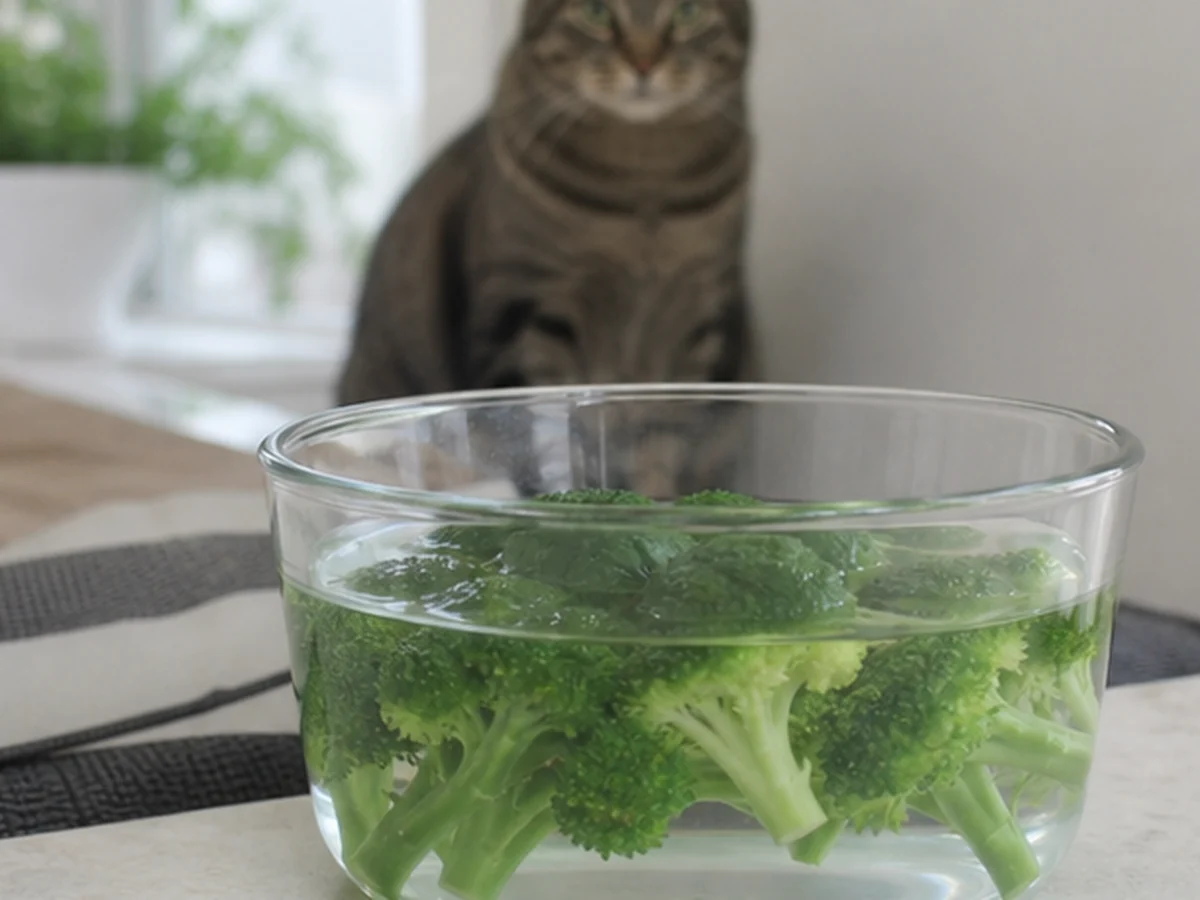
Cooking water may contain plant compounds, salt, broth, butter, or contamination from the pot. It lacks the complete nutrient balance of cat food.
Offer clean drinking water instead. A noticeable thirst change or urine change belongs in a medical history, not a vegetable-water experiment.
Give the cat a safer kitchen job
Place a small portion of regular food in a puzzle feeder before trimming vegetables. Keep peelers, bands, stems, and knives beyond the launch zone.
A nearby stool can provide supervised observation if counter access is forbidden. Many cats accept management when the salary arrives on time.
Knife-cut coins can still be too large
A neat round slice looks portioned to a person but can span much of a cat’s throat. Shape matters alongside softness and weight.
Mash the veterinarian-approved morsel rather than serving a coin. The cat does not need a photogenic vegetable side dish.
Frequently asked questions
Can cats chew raw broccoli stems?
They should not. Raw stalks are woody, fibrous, and difficult to portion safely for a cat’s mouth.
Are broccoli stems toxic?
Plain broccoli is not recognized as a common feline poison, but large or seasoned stems can cause physical and digestive problems.
Can broccoli stems help a cat lose weight?
Do not dilute complete food with vegetables without a veterinary calorie plan. Safe weight loss protects muscle and nutrient intake.
The bottom line
A mashed pea-sized portion of plain cooked broccoli stem is generally low risk, but it is optional. Raw fibers, choking, obstruction, seasoning, hot food, mold, garden chemicals, symptoms, and packaging make avoidance the easier choice.