Can Cats Eat Blackberries? Portions, Seeds, Mold, and Mixed Foods
Most healthy adult cats can taste one small, ripe, washed blackberry, but they do not need fruit. The berry is not recognized as a common feline poison, yet size, seeds, fiber, sugar, mold, wild-plant identity, thorns, pesticides, dairy coatings, baked goods, sweeteners, and packaging change the practical safety picture.
A berry theft is usually simple to reconstruct
Count the fruit, check the carton and absorbent pad, and identify fresh, frozen, dried, jammed, baked, yogurt-coated, or wild-picked berries. Note the amount, time, symptoms, and anything else mixed into the dish.
- One ripe plain berry: offer water and watch for mild stomach upset.
- Several berries or a cat with diabetes or bowel disease: call if symptoms or diet disruption develops.
- Mold, alcohol, chocolate, cannabis, medication, unknown sweetener, or missing plastic: seek prompt advice.
- Breathing difficulty, facial swelling, collapse, relentless vomiting, tremors, or seizures: use emergency care.
Do not induce vomiting after a routine berry taste. If dark juice coats pale fur, clean it with a damp cloth instead of using peroxide, essential oil, or fragranced household wipes.
What the plant listing means
The ASPCA plant database lists blackberry as non-toxic to cats, dogs, and horses. Non-toxic means the plant lacks a recognized toxic principle, not that unlimited fruit is nutritionally ideal.
An individual cat can still vomit, develop loose stool, or react to a new food. A low-toxicity classification should lower panic, not erase common sense.
Serve one berry in cat-sized pieces
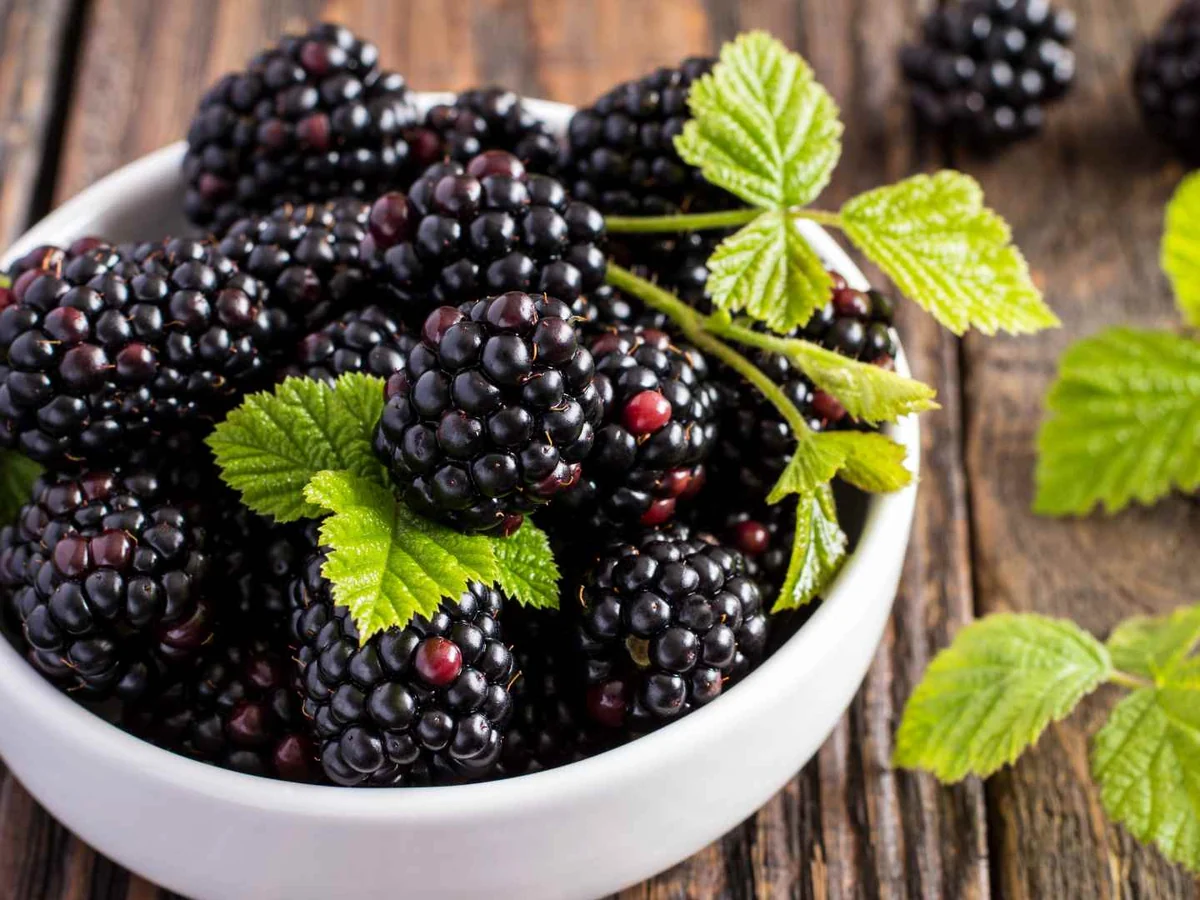
Wash a ripe berry, remove stem debris, and divide it into several soft pea-sized portions. A whole round berry can be gulped or roll into a game before it becomes food.
Offer just one small portion on the first occasion and discard the rest if ignored. A cat walking away has supplied an efficient dietary opinion.
Seeds and fiber
Blackberry seeds are small and normally eaten with the flesh, but they add texture and fiber that some cats tolerate poorly. Large servings can produce gas, soft stool, or diarrhea.
Do not grind berry seeds into a homemade supplement or use fruit as a laxative. Stool problems need hydration, diet, medications, age, and disease considered together.
Sugar in fruit still counts
Blackberries are less sugar-dense than many desserts, yet a cat receives no essential benefit from their carbohydrate. Repeated bowls add calories and can displace complete animal-based food.
Diabetic and weight-loss patients need predictable intake. Ask the treatment team whether fruit fits rather than deciding from human glycemic rankings.
Fresh produce safety
Rinse berries gently under running water just before serving, discard damaged fruit, and refrigerate promptly. Soap, bleach, and household produce detergents should not be used.
The FDA produce-safety guidance covers clean hands, refrigeration, rinsing, and separation from raw meat. Those basics matter in a home where cats investigate counters with their feet.
Mold spreads through soft berries
Blackberries are delicate, moist fruit, so mold can extend beyond the visibly fuzzy spot. Discard a contaminated container rather than selecting a cleaner-looking berry for the cat.
Some molds produce toxins capable of causing vomiting or neurologic signs. Tremors, agitation, seizures, or marked weakness after spoiled food warrants urgent care.
Wild blackberries require identification
A dark clustered berry is not automatically blackberry, and nearby leaves, stems, sprayed vegetation, mushrooms, and other berries may be involved. Roadsides can add vehicle residue and herbicide.
Photograph the entire plant, growing location, leaves, stem, thorns, and fruit before removing it. A poison professional needs accurate plant identification more than a squashed berry alone.
Thorns and canes
Blackberry canes can scratch eyes, skin, and mouth even though the fruit itself is low toxicity. A cat tangled in brambles may also acquire ticks, plant awns, or wounds hidden under fur.
Squinting, a cloudy eye, bleeding, swelling, limping, or persistent licking after a garden encounter needs an examination. Do not remove an embedded thorn from the eye.
Frozen berries
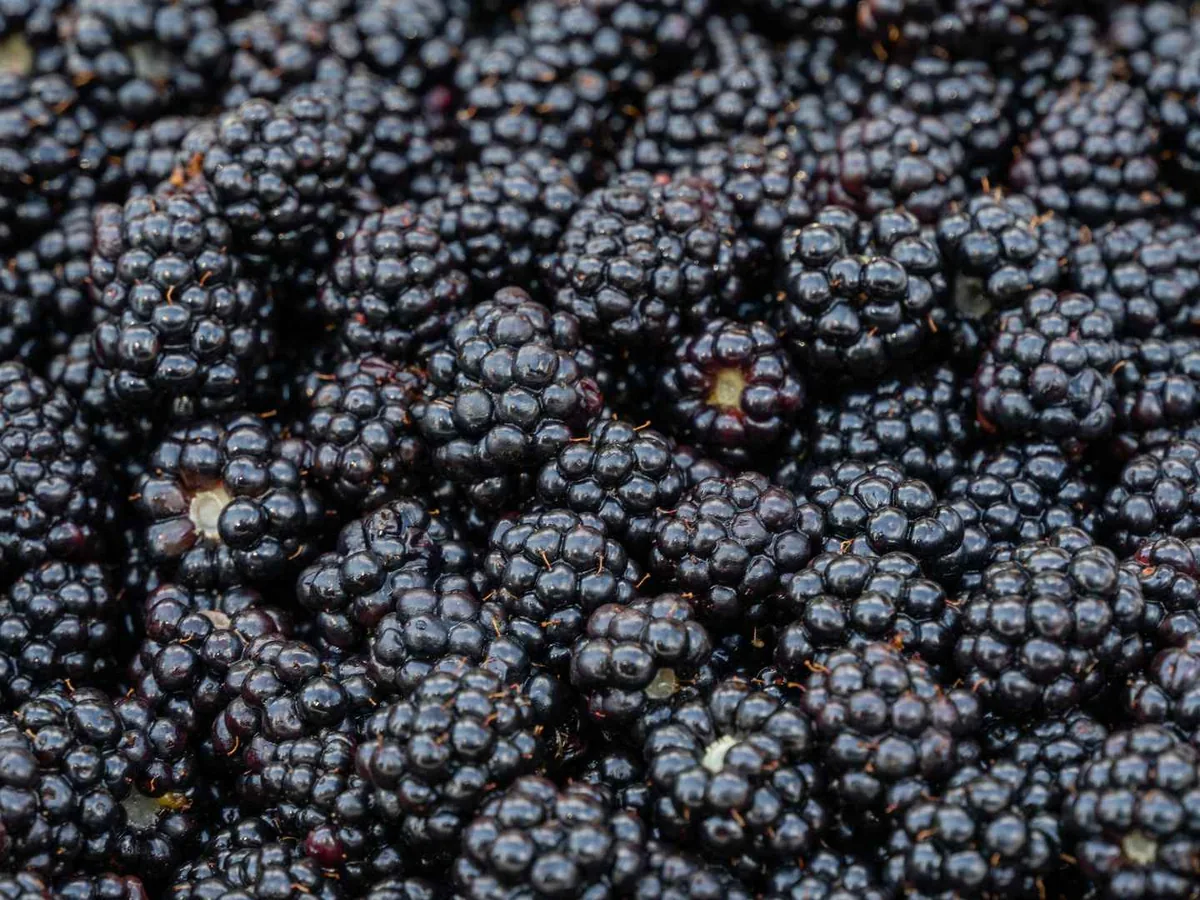
A hard frozen berry can damage a painful tooth or lodge in the throat. Thaw it fully and mash one tiny portion if a taste has been approved.
Mixed frozen-fruit bags may contain grapes, cherries with pits, sweetener, or large rind pieces. Read the bag rather than selecting the blackberry by color.
Dried and freeze-dried blackberries
Drying concentrates calories and produces chewy strips or brittle crumbs. Commercial products may add sugar, sulfites, oil, yogurt coating, chocolate, or flavor powder.
Dust can irritate the nose and stick to paws, while hard pieces can be gulped. Fresh soft fruit remains the least complicated optional form.
Jam, preserves, and syrup
Jam combines fruit with substantial sugar and may include other berries, citrus, spices, alcohol, preservatives, or sweeteners. Sticky spills encourage grooming and can adhere to medication or packaging.
Wipe the coat and save the label after more than a lick. Sugar-free products deserve full ingredient review even though well-documented xylitol danger centers on dogs rather than cats.
Yogurt, smoothies, and desserts
Blackberry yogurt or smoothies add dairy, sugar, protein powder, supplements, nut products, and mixed fruit. Pies, muffins, and ice cream introduce fat, wrappers, raw batter, chocolate, or alcohol flavor.
Our guides to blueberries, fruit, Greek yogurt, and ice cream help inspect the recipe. The café name is not a complete label.
Cartons, pads, and produce nets
A berry carton may have a plastic hinge, label, absorbent pad, staples, or film that smells like juice. These pieces can obstruct even when the berries cause no toxicity.
Check beneath furniture before assuming ingestion. Repeated vomiting, painful abdomen, appetite loss, straining, or low energy after missing material needs veterinary assessment.
Complete cat food does the nutritional work
Cornell’s feline feeding resource recommends complete food and limited treats. Blackberries do not need to supply vitamins, antioxidants, or fiber when the staple diet is correctly formulated.
The FDA pet-food label explainer shows how nutritional adequacy is identified. Fruit can remain a tiny novelty instead of becoming an unplanned supplement program.
Blackberry juice stains are not poisoning signs
Purple saliva or fur immediately after fruit can be pigment, while blue, gray, very pale, or yellow gums indicate a different concern. Wipe the mouth gently and examine gum color under good light.
Breathing difficulty, collapse, or abnormal gum color is urgent regardless of berry contact. Do not attribute serious signs to harmless staining without checking.
Allergic reactions are possible but uncommon
Any new food can coincide with itching, hives, facial swelling, vomiting, or diarrhea in an individual. Stop the fruit and photograph visible changes.
Rapid swelling, breathing trouble, or collapse requires emergency care. Mild recurring signs need a veterinarian rather than repeated taste tests.
Blackberry supplements and extracts
Powders, antioxidant chews, tinctures, and concentrates may include multiple botanicals, vitamins, minerals, alcohol, or sweeteners. Human doses are not feline doses.
Do not use berry extract to treat urinary disease, cancer, inflammation, or immune problems. Ask the veterinarian to review the actual supplement and the evidence for the intended goal.
Juice and fermented blackberry drinks
Juice removes much of the chewing and fiber barrier, allowing sugar and acid to be lapped quickly. Wine, cider, kombucha, and homemade fermentation may add alcohol.
Call promptly after alcoholic drink exposure with strength, volume, time, and body weight. Unusual sleepiness, wobbliness, vomiting, low temperature, or slow breathing is concerning.
Blackberries near medication
Jam is sometimes used to hide pills, and a cat may steal a medicated bite intended for a person. Identify the drug and strength before anyone repeats a scheduled dose.
Call the prescribing professional or poison service immediately. The pharmaceutical often matters more than the fruit coating it.
Oral and dental comfort
Seeds can lodge around painful teeth, and a cat with oral disease may drop fruit or chew oddly. Drooling, one-sided chewing, foul breath, or reluctance to eat needs dental assessment.
Do not switch to sweet soft foods to work around pain. Treating the mouth restores safer eating and improves welfare.
A berry is not a hydration strategy
Blackberries contain water, but a cat-sized portion contributes little to daily intake. Fresh bowls, fountains, and moisture-rich complete food are more dependable.
Increased thirst or reduced drinking can signal disease. Record the trend and discuss it instead of flavoring water with fruit.
Safer garden access
Keep berry canes outside enclosed cat runs, avoid chemical sprays where pets roam, and collect cut thorny stems promptly. Gloves protect the gardener but do not protect a cat’s eyes.
After outdoor access, check paws and coat for thorns without forcing a painful area. Embedded material or eye injury needs professional removal.
Blackberry pie and baked goods
Pie adds sugar, butter or shortening, pastry, spice, and sometimes other fruit, alcohol, ice cream, or a lattice decorated with foil. Raw dough can carry flour and egg microbes before baking.
Keep the recipe and count wrappers or pan liners. One berry from a cooled pie is not plain fruit because filling and fat coat every piece.
Blackberry flavored pet products
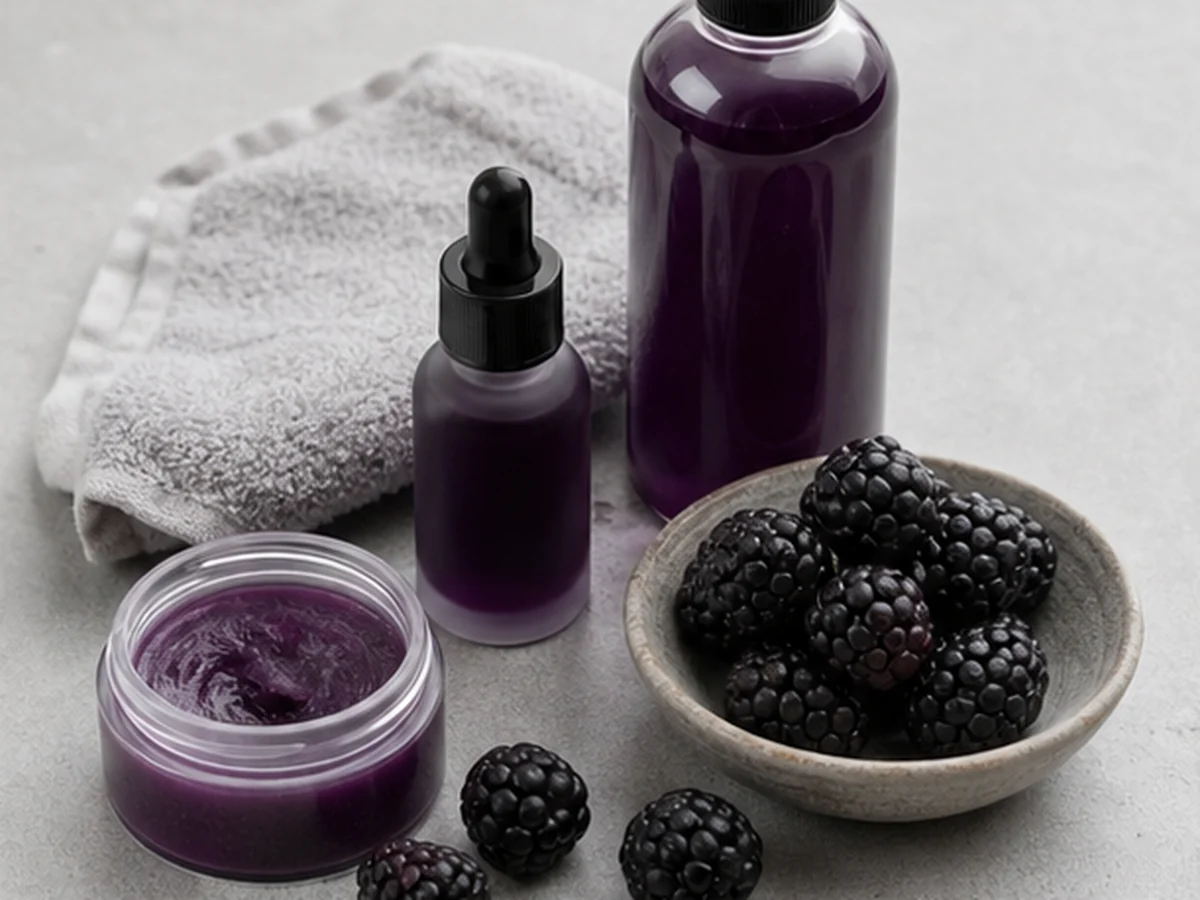
A feline treat using berry flavor should be assessed as its finished formulation, calorie content, and intended use. The fruit picture does not establish meaningful antioxidant benefit.
Follow the package serving and treat status rather than adding fresh berries on top. More of a marketed ingredient is not automatically better.
Handling diarrhea thoughtfully
Stop new treats and record frequency, appearance, appetite, drinking, and behavior. Do not give human antidiarrheal medicine without a feline prescription.
Call sooner for a kitten, senior, chronically ill cat, blood, repeated vomiting, pain, dehydration, or worsening lethargy. A berry exposure can coincide with unrelated illness.
Frequently asked questions
Can kittens eat blackberries?
Skip them or ask the kitten’s veterinarian. Growth food deserves nearly all of the small daily calorie allowance, and whole berries can be gulped.
Can cats eat blackberry leaves?
The plant is listed as non-toxic, but leaves are fibrous and wild foliage may carry chemicals, thorns, or misidentification risk. Do not offer them.
What if blackberry changes stool color?
Dark food pigment can alter appearance, but black tarry stool or visible blood is not a fruit-color assumption. Photograph it and call the clinic.
The bottom line
One washed ripe blackberry divided into tiny pieces is generally low risk for a healthy adult. Large portions, mold, wild plants, thorns, mixed products, symptoms, and swallowed packaging are the details that deserve attention.