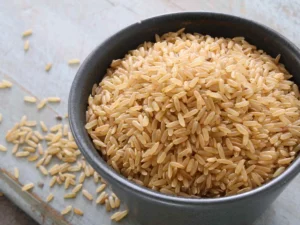
Can Cats Eat Butternut Squash? Flesh, Rind, Seeds, and Dinner Recipes
A thumbnail-sized amount of soft, plain, cooked butternut squash is generally low risk for a healthy adult cat. Remove the rind, seeds, stringy center, butter, salt, and seasoning, and remember that a cat does not need squash to complete a properly formulated diet.
Flesh, rind, seed, or soup?
Your next step depends on which version vanished. A lick of plain puree differs sharply from a hard rind chunk, roasted seeds, creamy soup with onion, or raw squash wrapped in plastic film.
After a tiny amount of unseasoned cooked flesh, remove the rest and observe normal appetite, behavior, stool, and comfort. Mild digestive upset is possible, but an otherwise healthy cat will often remain perfectly well.
Call promptly for swallowed rind, a large hard piece, an unknown prepared dish, onion or garlic, mold, missing packaging, or repeated vomiting, pain, lethargy, choking signs, or refusal to eat. Do not force vomiting, oil, fiber supplements, or an extra meal to push material through.
The soft orange flesh is the simplest part
Butternut squash flesh becomes moist and mashable when thoroughly cooked. It is not considered a common feline toxin, but it supplies plant carbohydrate and fiber rather than the animal-based nutrition cats chiefly require.
Some cats enjoy the texture, some lick it once, and others bury it with the invisible litter available beside every disappointing bowl. None of those reactions proves a nutritional need or a food intolerance.
A complete cat food may contain squash or another fiber source as part of a formulated recipe. The safety and adequacy of that finished food come from the total formulation, feeding trials or nutrient analysis, manufacturing controls, and appropriate labeling, not from one appealing ingredient.
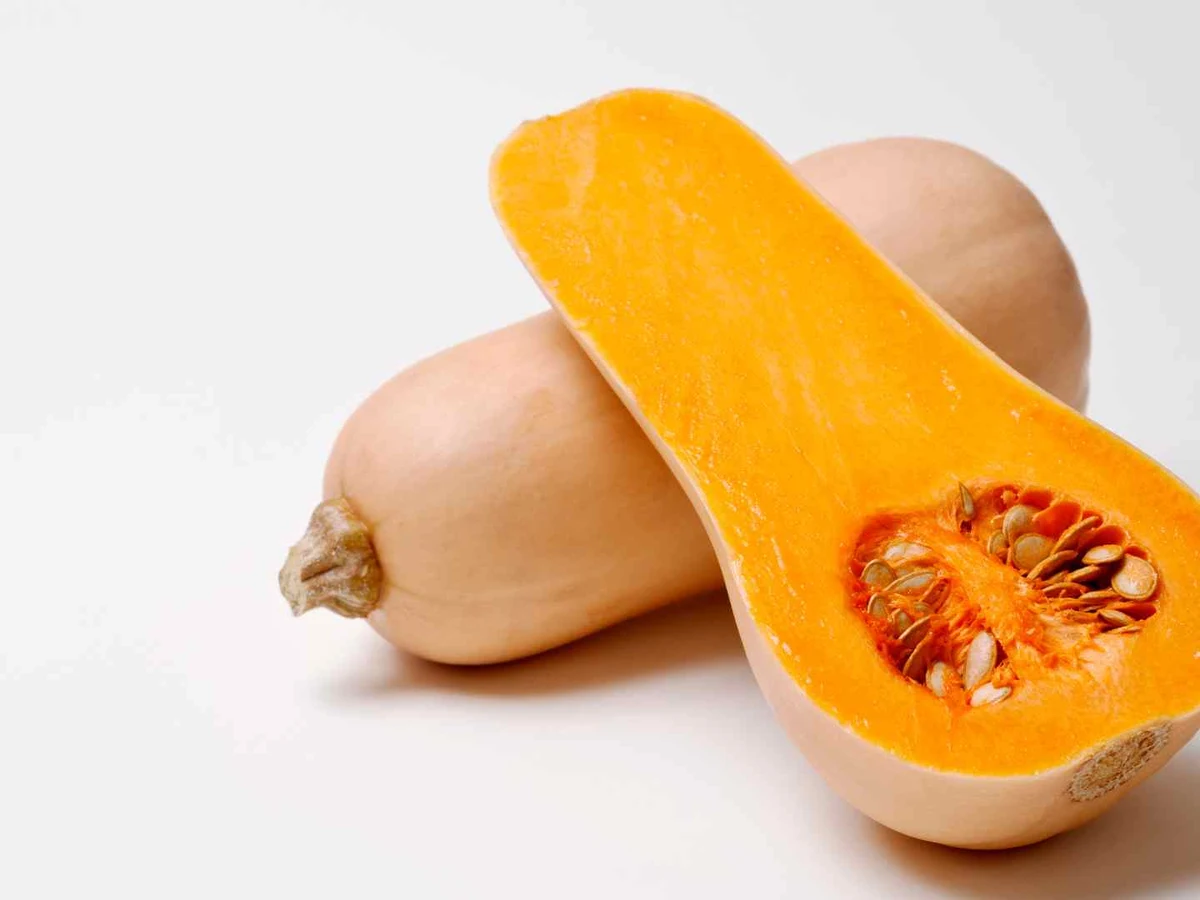
Rind is a chewing and obstruction problem
The outer skin is hard when raw and can remain leathery after roasting. A cat may swallow a curved strip with minimal chewing, creating risk of gagging, vomiting, or gastrointestinal blockage.
Peel squash before preparing a feline taste and keep discarded skin in a lidded container. Never assume the rind is safe because it softened enough for a human fork or because another pet once passed a piece.
The Merck Veterinary Manual explains that obstruction signs often include vomiting and loss of appetite, with lethargy, pain, diarrhea, or shock also possible. Prompt assessment gives a swallowed object more management options than waiting for severe illness.
Seeds and stringy pulp need removal
Butternut seeds are not known for the cyanide hazard associated with certain fruit pits, but whole seeds and their hulls are hard, slippery objects. They can be gulped, stick between teeth, or add indigestible material without providing a useful cat treat.
Roasted seeds often carry oil, salt, chili, garlic, onion, or sweet coatings. A few plain shelled crumbs are less concerning than a handful of seasoned seeds, yet there is no reason to prepare them specially for a cat.
Scoop out the fibrous seed cavity completely before cooking and inspect mashed squash for stray shell fragments. The stringy material is not inherently poisonous, but it can form an awkward wad for a small mouth and gut.
Preparing one sensible taste
Wash the intact squash, cut it on a stable surface, remove rind and seeds, and steam, boil, or roast the flesh without oil or seasoning until very soft. The FDA recommends rinsing produce under running water and using clean hands, utensils, and work surfaces.
Mash a portion thoroughly, let it cool, and offer no more than about a teaspoon to a healthy adult cat on the first occasion. A smaller dab is appropriate for a petite cat or one that has never eaten squash.
This serving is intentionally conservative and is not a toxic dose boundary. Stop after any vomiting, diarrhea, constipation, gas, or appetite change and discuss persistent signs with the veterinary clinic.
Does butternut squash treat constipation?
Squash contains fiber and moisture, but feline constipation has many possible causes and cannot be managed safely by adding random spoonfuls. Dehydration, pain, pelvic injury, medication, kidney disease, neurologic problems, foreign material, and megacolon require different responses.
A veterinarian may recommend a particular fiber amount, stool softener, hydration plan, diet, or diagnostic workup after examining the cat. Too much fiber can increase stool bulk and may worsen difficulty in an inadequately hydrated or obstructed patient.
Straining without producing urine can look like constipation and is an emergency, especially in male cats. Frequent box visits, vocalizing, licking the genital area, or passing only drops calls for immediate care rather than squash puree.
Canned puree and baby food labels
A can labeled 100 percent butternut squash can provide a smooth plain texture, but many products blend squash with pumpkin, sweet potato, salt, or spices. Refrigerate opened puree promptly and discard it if spoiled or held too long.
Baby food may contain only squash and water, or it may include onion, fruit, meat broth, starch, and seasonings. Read every jar because a picture of one orange vegetable on the front is not a complete ingredient list.
Never use a bulging, leaking, badly dented, or unsealed can. If food spurts, smells abnormal, or shows mold, keep every person and pet away and discard it safely.
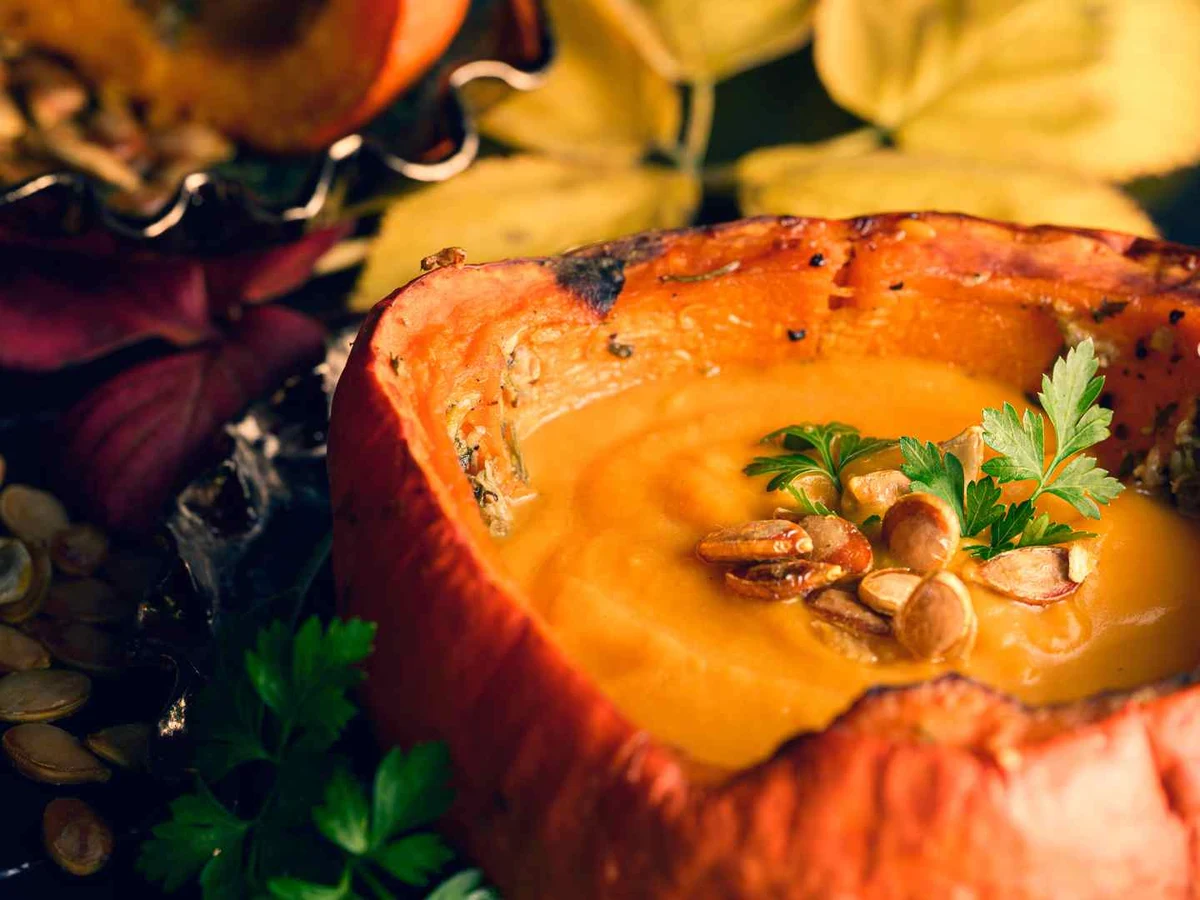
Soup is usually the wrong version
Butternut soup commonly contains onion, garlic, broth, cream, butter, salt, pepper, nutmeg, and sometimes wine or apple. Cats are particularly vulnerable to allium-related red blood cell damage, and powdered seasonings can be concentrated.
The ASPCA’s people-food guidance identifies onion, garlic, and chives as hazards and notes feline susceptibility. Call after a meaningful allium exposure even if your cat currently looks normal.
Cream and butter add fat and may provoke digestive upset in an unaccustomed cat. Our cat and butter guide helps evaluate the rich dairy portion while the recipe answers the toxicology portion.
A lick from a confirmed onion-free soup is different from drinking half a bowl of an unknown restaurant recipe. Ask the kitchen for ingredients and mention garnishes such as fried onions, bacon, pumpkin seeds, chili oil, and skewers.
Roasted cubes, pasta, ravioli, and pie
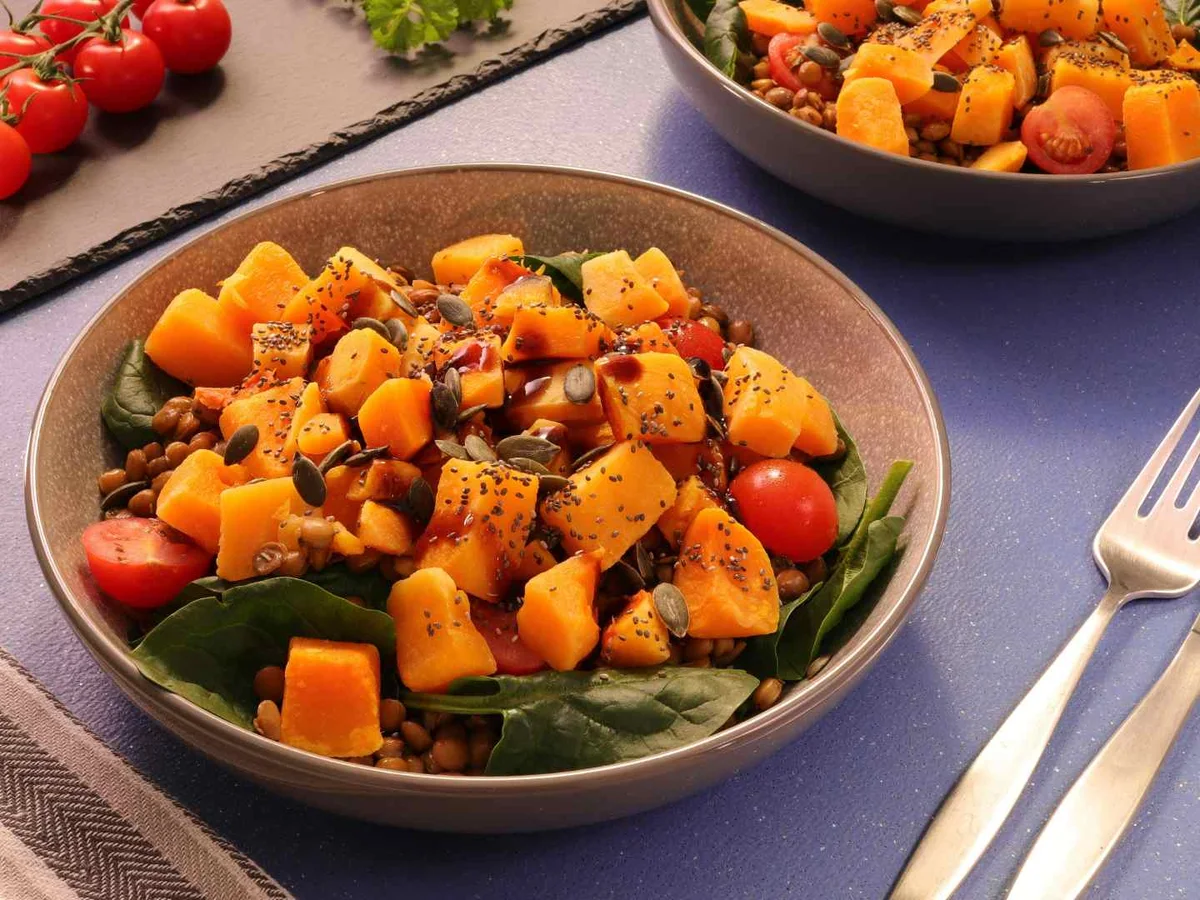
Human roasted squash often comes coated in oil, salt, garlic, brown sugar, maple syrup, or spice. Cut a plain portion before seasoning if you intend to share, because rinsing a finished cube cannot reliably remove what baked into it.
Butternut ravioli may include cheese, onion, garlic, sage butter, and rich sauce, while pasta itself adds a large starchy serving. Squash pie can contain sugar, fat, nutmeg, crust, whipped cream, or alternative sweeteners.
If pizza is the delivery system, toppings and dough become their own concerns. Use the pizza safety guide for cats to identify them before reporting the exposure.
What if the squash tastes intensely bitter?
Do not feed squash with an unusually strong bitter taste to people or animals. Certain cucurbits can develop high levels of bitter compounds, and cooking does not give you a reliable home test for safety.
Discard the entire suspect squash where pets cannot retrieve it and retain purchase information if anyone becomes ill. Contact a veterinarian for vomiting, heavy drooling, diarrhea, weakness, or other signs after bitter squash exposure.
Ordinary butternut has a mildly sweet, nutty flavor, so pronounced bitterness is not something to disguise with syrup or seasoning. A cat’s refusal may be excellent judgment, although tasting the food yourself is not recommended after suspicion arises.
The nutrition question is smaller than it looks
Butternut squash contains beta-carotene, but cats do not convert plant beta-carotene to vitamin A the way humans rely on doing. They need preformed vitamin A supplied correctly within a balanced feline diet.
The Cornell Feline Health Center explains that cats have distinctive nutrient requirements and should receive complete food. Squash should not be promoted as eye medicine, an immune booster, or a replacement for veterinary nutrition.
If a veterinarian includes squash in a home-prepared recipe, weigh and prepare it exactly as directed. Changing the amount because the cat enjoys it can alter calories, fiber, water, and the proportion of every other ingredient.
Which cats should skip it?
Avoid casual squash extras for kittens, diabetic cats, overweight cats, and patients with chronic bowel disease, swallowing trouble, prior obstruction, food allergies, or prescription diets. Their feeding plans deserve more precision than a scoop from the family casserole.
A cat who is vomiting or not eating should not be coaxed with squash while care is delayed. Prolonged inadequate intake can be dangerous in cats, and the original illness needs diagnosis.
Senior cats may enjoy a soft texture, but new difficulty chewing ordinary food can signal dental pain. Arrange an oral examination rather than solving the visible symptom by switching entirely to vegetable mash.
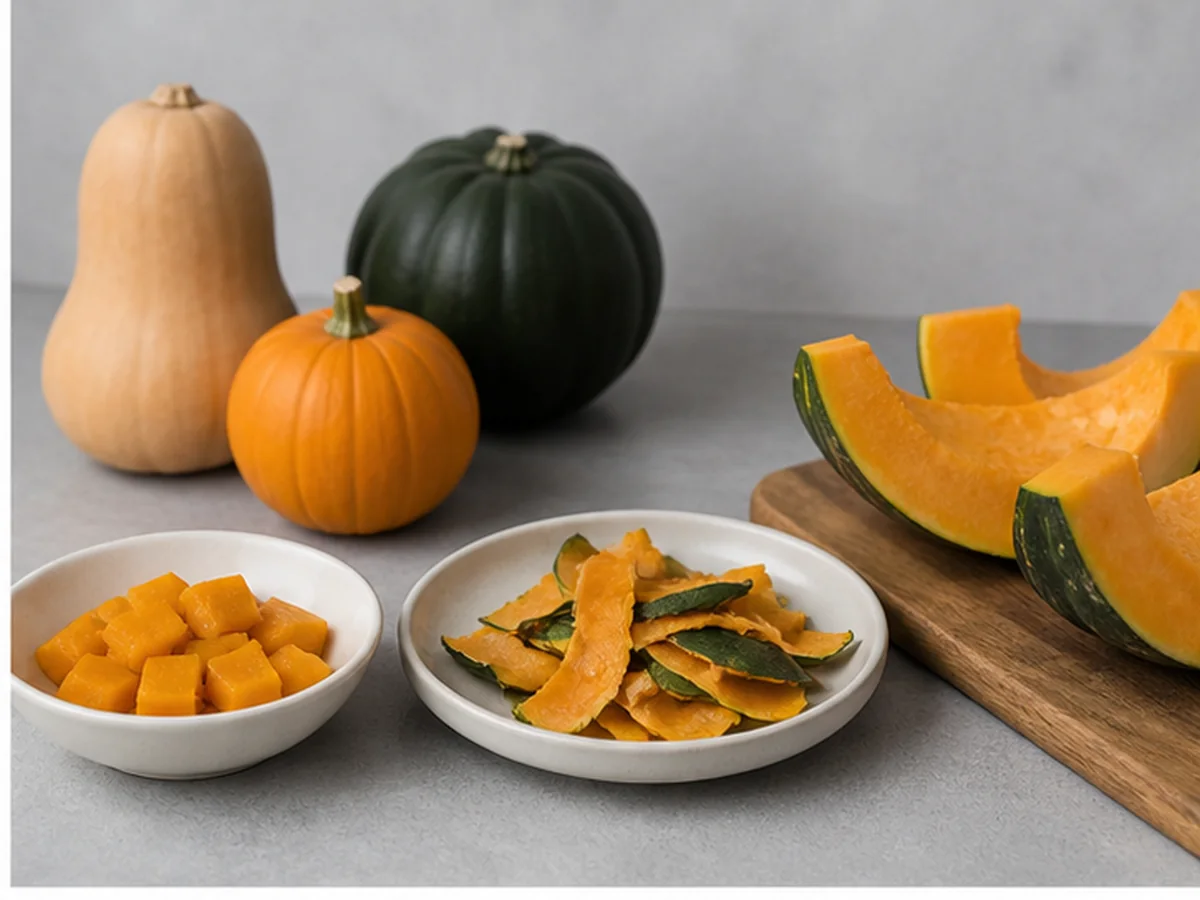
Comparing squash forms on the site
The butternut squash overview organizes flesh, rind, seeds, and recipes, while the broader squash guide distinguishes common varieties. These canine pages help identify a product but cannot establish feline portions or treatment.
Pumpkin products look similar once pureed, and cans can be shelved side by side. The site’s pumpkin form guide helps decode puree, rind, seeds, and pie while you verify the actual feline exposure separately.
FAQ
Can cats eat raw butternut squash?
Raw flesh is hard and difficult to chew, and rind is tougher still. Cook the peeled, deseeded flesh until soft and offer only a tiny unseasoned amount if sharing.
Can cats eat butternut squash seeds?
Skip the seeds because whole hulls create choking and digestive issues, and roasted products often carry salt or seasoning. Remove the stringy seed cavity completely.
Is butternut squash good for cat constipation?
It is not an appropriate universal treatment, and extra fiber may be wrong for an obstructed or dehydrated cat. Get veterinary advice for straining, hard stool, pain, vomiting, or reduced appetite.
Can a cat eat butternut squash baby food?
A lick of a product containing only squash and water is generally low risk, but labels vary. Avoid jars with onion, garlic, seasonings, sweeteners, or mixed ingredients not approved for the cat.
Bottom line
Soft, plain, peeled butternut flesh can be an occasional tiny taste, but rind, seeds, stringy pulp, rich recipes, and therapeutic claims deserve a firm no. Cats can enjoy the dinner ritual without receiving the autumn side dish.