Can Cats Eat Cotton Candy? Sugar, Sweeteners, Sticks, and Bags
A tiny wisp of ordinary sugar cotton candy is unlikely to poison a healthy adult cat, but it has no place in a feline diet. Sticky sugar fibers, coloring, flavor concentrates, sugar-free products, chocolate, alcohol, paper cones, wooden sticks, plastic bags, glow toys, and fairground rubbish create the real incident.
You came home with a carnival cloud
The useful first question is not whether sugar is “toxic.” Work out whether the cat licked a loose wisp, swallowed a compressed handful, chewed the cone or stick, or raided a mixed bag that also held chocolate and wrappers.
Save the label if there is one and photograph anything handmade before cleanup. Flavor, sweetener, missing hardware, amount, time, and the cat’s current swallowing and breathing determine the next move.
A quick decision for an ordinary wisp
- One lick of standard spun sugar: wipe sticky fur, offer water, and observe.
- A large wad, sugar-free product, or concentrated flavor: call with the ingredient details.
- Chocolate, caffeine, alcohol, cannabis, medication, or missing stick or plastic: seek prompt professional advice.
- Choking, breathing difficulty, collapse, tremors, seizures, or repeated vomiting: obtain emergency care.
Home vomiting and forced fluids are not appropriate. A sticky mass or foreign object makes improvised treatment especially unhelpful.
What cotton candy actually contributes
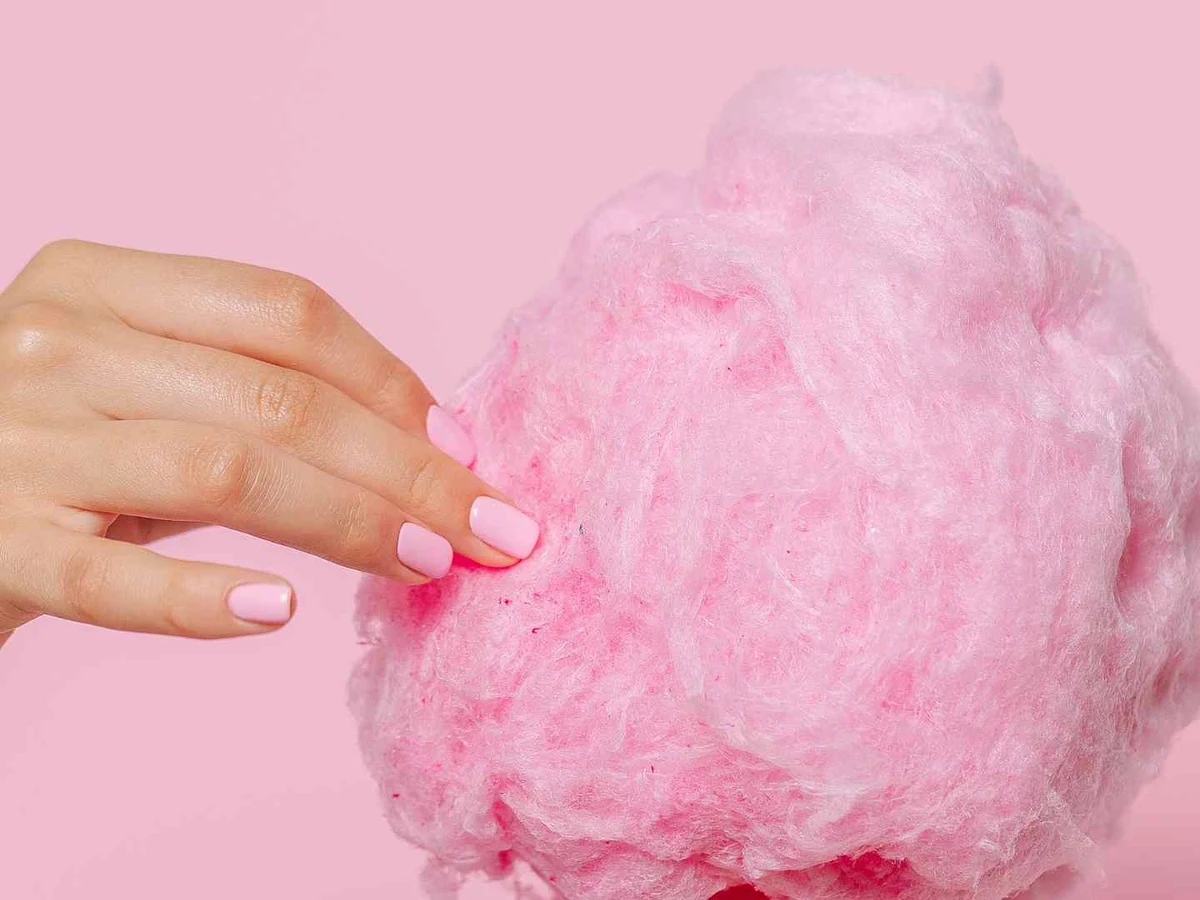
Traditional cotton candy is largely sucrose spun into thin fibers with coloring or flavor in some products. Air makes the serving look enormous without creating protein, taurine, essential fatty acids, or balanced micronutrients.
The Merck feline nutrition chapter describes cats’ distinctive dietary requirements. Spun sugar cannot fill any necessary gap, however impressive its volume looks under festival lights.

Sticky texture matters more than fluffiness
Saliva collapses the airy fibers into a dense syrupy patch that can stick to the palate, whiskers, teeth, or fur. A stolen wad can be gulped before anyone realizes how much compressed.
Gagging, repeated swallowing, mouth pawing, drooling, coughing, or noisy breathing needs immediate attention. Do not push bread or water into the mouth to move it.
Sugar and a cat-sized calorie budget
Cats have no dietary need for added sugar, and repeated sweets can displace complete food and promote weight gain. A human festival serving bears no sensible relationship to feline energy needs.
Diabetic cats require a predictable feeding and insulin plan, not surprise sugar. If a diabetic cat becomes weak, trembly, confused, or unresponsive, follow its veterinarian-provided emergency instructions while seeking urgent care.
Sugar-free requires feline-specific honesty
Xylitol causes a well-established, potentially fatal poisoning syndrome in dogs, while current evidence does not demonstrate the same characteristic response in cats. That species distinction should prevent exaggerated claims, not encourage feeding.
The FDA xylitol warning documents the dog risk and product categories where it may appear. After a feline exposure, call with the complete label because other sweeteners, chocolate, caffeine, or packaging may matter.
Colors and flavors are product questions
Pink, blue, grape, birthday cake, pickle, chili, and novelty flavors may use different dyes, acids, extracts, powders, or allergens. Color on the cat can come from food pigment, while blue or pale gums signal an emergency.
Clean stained fur with a lukewarm damp cloth and dry gently. Do not use peroxide, solvent, essential oil, or fragranced wipes to remove a dramatic color.
Chocolate and coffee combinations
Chocolate-dipped cotton candy, mocha flavors, cocoa dust, and candy-topped tubs introduce methylxanthines. Dark coatings and concentrated powders deserve more concern than a faint artificial flavor.
The Merck chocolate toxicosis review describes vomiting, agitation, fast heart rate, tremors, and seizures. Call with the chocolate type, amount, time, and cat’s weight rather than waiting for those signs.
Paper cones and cardboard tubs
A paper cone can become soft, fold into a dense mouthful, carry glue or ink, and conceal a pointed end. Food-stained cardboard lids and labels can also be chewed.
Repeated vomiting, appetite loss, abdominal pain, straining, or low energy after missing paper deserves veterinary advice. Search beneath furniture before deciding it was swallowed.
Wooden and plastic sticks
A wooden stick can splinter or puncture, while a plastic handle can obstruct. Neither should be used as a cat toy after the sugar is gone.
Never induce vomiting after a sharp-object exposure. Keep a matching stick for size comparison and call even when the cat initially looks comfortable.
The bag can be more dangerous than the candy
Thin plastic can wrap around the face, create suffocation risk, or be swallowed in greasy strips. Twist ties, clips, and ribbon add small-object and linear-object hazards.
Cut loop handles where appropriate before disposal and use a latched bin. A crinkly bag with sugar scent is not safely “empty” from a cat’s point of view.
Fairground and party extras
A cotton-candy table may also include chocolate, gum, hard candy, glow sticks, alcohol, cannabis edibles, medication, balloons, string, skewers, and hot equipment. Inventory the scene, not only the pink fluff.
Our guides to marshmallows, honey, ice cream, and chocolate help separate common sweets.
Dental health does not benefit from spun sugar
Sugar clings around teeth, but feline dental disease is not diagnosed or explained by one candy lick. The important point is that cotton candy offers no oral-health advantage.
Arrange an oral examination when foul breath, saliva, food dropping, one-sided chewing, or facial sensitivity suggests dental pain. Brushing and professional care should follow veterinary guidance, not carnival snacks.
Why a cat may be interested
The movement, warm machine smell, another topping, attention, or the paper stick may attract a cat more than sweetness. Cats have different sweet-taste biology from people.
Interest does not prove a sugar craving or deficiency. Sudden generalized hunger paired with thirst, excess urination, or weight loss belongs in a medical history.
After one normal sugar lick
Once sticky residue is gone, let the cat follow its usual routine while you watch swallowing, appetite, comfort, vomiting, and stool. One uncomplicated wisp commonly causes nothing.
Call if gagging persists, vomiting repeats, the cat refuses food, or behavior changes. Mention every co-ingredient and missing object instead of reporting only cotton candy.

Keep the celebration, change the cat’s serving
Offer a measured commercial cat treat or a spoonful of the regular food on a clean plate away from sticks and strings. The cat receives ceremony without becoming part of the cleanup crew.
Cornell’s feeding guidance keeps extras limited and complete food central. The FDA pet-food label guide explains how nutritional adequacy is identified.
Cotton-candy grapes are unrelated
Cotton Candy is also a grape variety name, but the fruit and spun sugar are entirely different exposures. Grapes cause well-established kidney injury in dogs, while feline evidence is sparse rather than reassuring.
If a cat ate the grape variety, report grapes, not candy, and call for species-specific advice. Product naming should never blur botanical identity.
Homemade machines create hot and moving hazards
Countertop machines have a hot spinning head, exposed sugar, cords, removable parts, and cleaning residue. A cat approaching the bowl can be burned or struck before it tastes anything.
Unplug and cool the unit before cleaning, keep it behind a closed door, and account for small center caps. Burns, limping, drooling, or mouth pain needs examination.
Flavor sugar and powder spills
Commercial floss sugar can include concentrated color and flavor in a dry crystalline mix. A powder cloud can irritate eyes or airways and coats paws for later grooming.
Move the cat from the room, avoid aerosol cleaners, and use damp cleanup that does not spread dust. Persistent coughing, squinting, or open-mouth breathing warrants care.
Glow sticks, wristbands, and ticket string
Carnival leftovers often include glow jewelry, wristbands, string, staples, tokens, and tiny plastic prizes. Bitter glow liquid can cause dramatic drooling, while string can injure intestines.
Rinse glow liquid from fur with plain water and call about missing plastic or string. Never pull linear material that appears from the mouth or rectum.
Cotton candy in cocktails
Alcoholic drinks may use cotton candy as a dissolving garnish, turning a sugar taste into ethanol exposure. Dry ice, glass picks, and concentrated mixers may also be present.
Call immediately with beverage type, alcohol percentage, missing volume, time, and body weight. Wobbliness, unusual sleepiness, vomiting, low temperature, or slow breathing is concerning.
Why sugar will not fix poor appetite
A cat that licks candy while refusing normal food may still be nauseated, painful, or ill. Novel texture and human attention can briefly overcome reluctance.
Seek advice when meaningful eating stops, especially for a kitten, diabetic cat, overweight cat, or animal already unwell. Cats can develop serious complications from sustained under-eating.
Storing spun sugar safely
Humidity collapses cotton candy into syrupy clumps, while opened tubs attract insects and collect dust. Sealed storage still belongs behind a closed cabinet.
Discard old, wet, moldy, or contaminated product in a latched bin. Do not offer it to a cat as a waste-reduction plan.
Medication hidden in sticky sugar
A tablet dropped onto cotton candy can disappear into collapsed fibers, and a medicated confection may look ordinary. Identify every drug that was near the bag.
Call with medicine name, strength, missing quantity, and time. Never repeat a scheduled dose until the prescribing professional advises it.
Frequently asked questions
Is cotton candy poisonous to cats?
Ordinary spun sugar is not a classic feline poison, but large sticky servings and mixed ingredients can cause trouble. It remains unnecessary.
What about sugar-free cotton candy?
Do not assume dog-specific xylitol toxicity applies identically to cats, but do not feed it. Save the label and call after exposure.
Can kittens taste cotton candy?
Skip it. Kittens need complete growth food and have especially small mouths, airways, and calorie allowances.
The bottom line
One ordinary sugar wisp is usually a cleanup and observation event, not a nutritional opportunity. Sugar-free formulas, chocolate, sticky wads, sticks, cones, bags, symptoms, and party debris are the reasons to call.