Can Cats Eat Cream Cheese? Plain Tastes, Flavors, and Risks
A small lick of plain pasteurized cream cheese is unlikely to poison most healthy adult cats, but its fat, calories, dairy, and sodium make it a poor routine treat. Chive, garlic, onion, smoked salmon, sweeteners, chocolate, desserts, raw milk, spoilage, foil, tubs, and medication compatibility change the answer.
Plain spread or flavored tub?
Look at what was actually open: a foil brick, whipped tub, bagel schmear, herb spread, salmon flavor, frosting, dip, cheesecake filling, or medicated bite. Each starts with cream cheese but ends with a different ingredient list.
Estimate the swallowed volume, check the lid and foil, and note storage time and symptoms. A fingerprint-sized lick of plain spread and half a garlic tub should never receive the same reassurance.
The calm answer for one plain lick
For a healthy adult that sampled plain pasteurized product, put the tub away, leave water available, and watch for gas, vomiting, loose stool, or appetite change. One lick often causes nothing.
Call sooner for a large amount, pancreatic or bowel disease, diabetes, a prescription diet, raw-milk product, persistent symptoms, or missing packaging. Breathing trouble, collapse, facial swelling, or repeated vomiting is urgent.
Cream cheese is concentrated dairy, not cat food
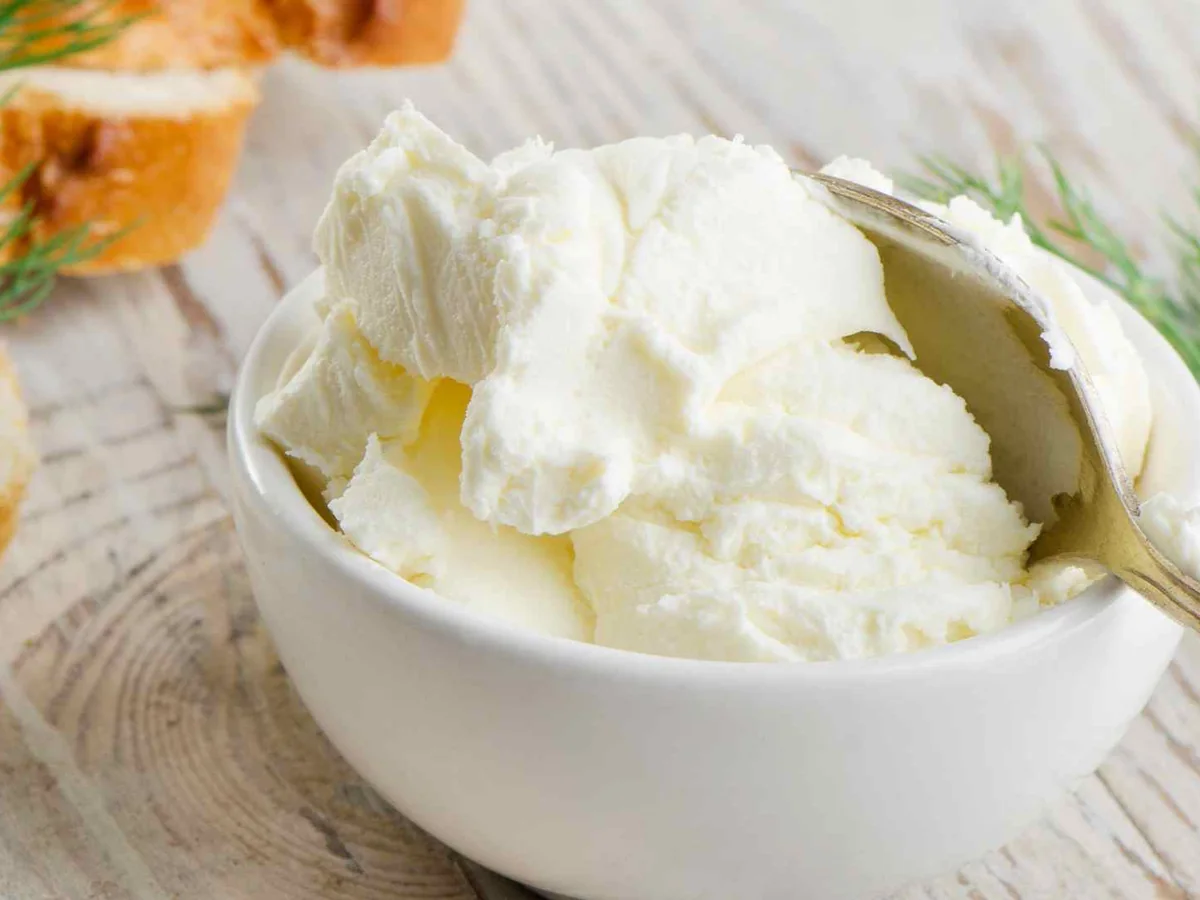
Cream cheese contains milk and cream cultured into a dense spread, often with salt and stabilizers. Its animal origin does not provide the complete feline nutrient pattern.
The Merck feline nutrition chapter explains cats’ needs for taurine, arachidonic acid, preformed vitamin A, and balanced amino acids. Cream cheese cannot replace a formulated diet.
Lactose varies and cats vary too
Culturing and processing can reduce lactose relative to milk, but amount differs by recipe and many adult cats have limited lactase after weaning. A susceptible cat may develop gas, cramps, or diarrhea.
A symptom-free lick shows tolerance to that tiny amount, not a license for a spoonful. Lactose-free labeling removes one issue while leaving fat, calories, sodium, and imbalance.
Fat is packed into a small smear
Full-fat cream cheese is energy-dense, and whipped texture can make a spoonful look lighter than its calorie impact. Regular dollops can undermine weight reduction.
Cats with pancreatic or gastrointestinal disease deserve individual guidance about rich foods. The spread’s softness does not make it gentle for every gut.
Sodium and reduced-fat varieties
Salt content varies among plain, whipped, flavored, and reduced-fat products. Reduced fat may change gums, starches, or other ingredients without creating a feline health food.
The Merck salt toxicosis review includes thirst, digestive illness, poor coordination, tremors, and seizures after excessive exposure. One lick is not salt poisoning, but a tub raid merits label-based advice.
Chive, onion, and garlic spreads
Savory cream cheese commonly contains chives, onion, garlic, shallot, vegetable powders, soup mix, or everything-bagel seasoning. Allium ingredients can damage feline red blood cells.
The Merck Allium toxicosis guide notes cats’ susceptibility and delayed anemia. Call after a meaningful flavored exposure before pale gums, rapid breathing, weakness, or dark urine appears.
Smoked salmon cream cheese
Salmon spread can add salty smoked fish, onion, garlic, dill, capers, lemon, smoke flavor, or preservatives. The fish aroma may encourage a cat to eat much more than plain cheese.
Our guides to salmon, seaweed, and garlic help review common brunch additions. Keep the tub label.
Bagels and breakfast plates
A bagel bite adds bread, seeds, onion or garlic seasoning, smoked fish, avocado, tomato, deli meat, and wrappers. Coffee, chocolate spread, raisins, and medication may be nearby.
Assess the whole stolen bite instead of scraping off visible cheese. Our bread guide covers dough, toppings, and packaging.
Frosting and sweet spreads
Cream-cheese frosting adds substantial sugar and may include butter, vanilla, citrus oil, chocolate, coffee, alcohol flavor, sprinkles, or sweetener. Sticky icing can coat fur and wrappers.
Wipe residue with lukewarm water and save the recipe. Hot sugar, candles, picks, and ribbon can be more urgent than the dairy.
Cheesecake and dessert fillings
Cheesecake combines cream cheese with sugar, egg, crust, toppings, and sometimes chocolate, coffee, alcohol, raisins, or nuts. No-bake versions may include raw or unpasteurized ingredients.
Use the complete dessert recipe, not a cream-cheese serving assumption. A plain lick from the brick and a chocolate cheesecake forkful are different cases.
Sugar-free cream cheese products
Some flavored spreads, frostings, dips, and keto desserts use sugar substitutes. Xylitol’s severe syndrome is established in dogs, while comparable feline toxicity is not documented the same way.
The FDA xylitol warning supports dog-specific caution and label awareness. For a cat, call with all ingredients because chocolate, caffeine, medication, and packaging may matter independently.
Raw-milk and homemade versions
Unpasteurized dairy can carry harmful bacteria, and homemade spread introduces handling, culture, temperature, and storage variables. Pets and people can be exposed through bowls, feces, and surfaces.
The FDA raw animal-food guidance explains household microbial risks. Mention raw dairy if fever, diarrhea, vomiting, lethargy, or poor appetite develops.
Spoilage is not cultured flavor
Expected tanginess differs from mold, slime, swelling, unexpected fizz, discoloration, or a foul smell after unsafe storage. Do not trim around mold in a soft cheese.
Discard questionable spread into secured rubbish and retain the lot code if a recall is possible. Reheating does not reverse every microbial toxin.
Foil, film, and tub parts
Foil seals and plastic lids hold a strong dairy odor, while cardboard sleeves, labels, and broken tub rims can be chewed. Cats sometimes leave the cheese and eat the inconvenient part.
Repeated vomiting, abdominal pain, appetite loss, straining, or lethargy after missing packaging needs examination. Search under cabinets before assuming ingestion.
Can cream cheese hide a pill?
Only when the prescribing veterinarian confirms that the medicine may be given with dairy and the cat’s diet allows the spread. Some drugs should remain intact or be given away from particular foods.
Use the smallest compatible smear and watch the whole dose go down. If a medicated bite is partly eaten, call before repeating it because automatic redosing can overdose.
Dental pain can create a false preference
A cat with a sore mouth may lick cream cheese while refusing kibble or meat chunks. That does not mean dairy is the right recovery food.
Drooling, bad breath, food dropping, one-sided chewing, or face sensitivity warrants an oral examination. Treat pain rather than building a soft-cheese diet.
Diabetes and therapeutic diets
Calories, fat, sodium, phosphorus, dairy protein, and flavor ingredients may conflict with weight, kidney, heart, urinary, gastrointestinal, diabetes, or allergy plans. Controlled diets lose clarity through daily smears.
Ask the treating clinic for compatible treats and pill vehicles. A dab of the prescribed wet food is often easier to account for.
Kittens and senior cats
Kittens should spend small stomach capacity on complete growth food, while seniors commonly have dental, kidney, endocrine, or digestive disease. Neither group needs cream cheese experiments.
Appetite loss in a vulnerable cat needs prompt investigation. Do not use a flavorful spread to hide a sustained decline in normal eating.
A better brunch invitation
Cornell’s feeding guidance keeps extras limited, while the FDA pet-food label guide identifies complete diets. Serve part of the usual ration on a separate plate.
The cat gets a seat at brunch, the cream cheese stays on the bagel, and nobody has to negotiate over chive content. That is an unusually efficient household treaty.
Whipped does not mean weightless
Air increases volume, so a spoonful of whipped spread may weigh less than a dense brick portion, but it still contains dairy, fat, sodium, and calories. Visual fluffiness is not nutritional disappearance.
Use weight or labeled serving information when estimating a theft. Do not assume the cat ate almost nothing because the tub looked airy.
Plant-based cream cheese
Non-dairy spreads can contain nuts, coconut oil, starch, pea or soy protein, salt, gums, onion, garlic, flavor, or sweetener. Vegan labeling does not establish feline completeness.
Read the entire formulation and call about allergen reactions or high-risk seasoning. Plant-based food can still be fatty, salty, and inappropriate.
Everything seasoning and loose seeds
Everything-style spreads may combine onion, garlic, salt, poppy, sesame, and other seeds. Loose seasoning transfers to paws and eyes during a spill.
Move the cat during cleanup and wipe fur with plain water. Persistent squinting, cough, drooling, or respiratory effort needs advice.
Sushi and cream-cheese rolls
Philadelphia-style rolls can add raw or smoked fish, rice, seaweed, soy sauce, avocado, wasabi, ginger, and plastic grass or chopsticks. A roll is not merely dairy wrapped in rice.
List every component and whether fish was raw. Keep soy sauce, picks, and packaging out of the cat’s reach.
Dips and stuffed foods
Jalapeño poppers, stuffed mushrooms, pinwheels, and party dips may contain hot peppers, onion, garlic, bacon, deli meat, pastry, breading, oil, or toothpicks.
Check the full recipe and cooking temperature. Hot melted filling can cling to tissue and cause burns.
Cream cheese around children
A child can share a whole fingerful or drop foil, mini tubs, and plastic spreaders at cat level. Portion size may be hard to reconstruct afterward.
Keep a small dish of approved treats for supervised sharing and clear breakfast rubbish immediately. This prevents generosity from becoming an unmeasured serving.
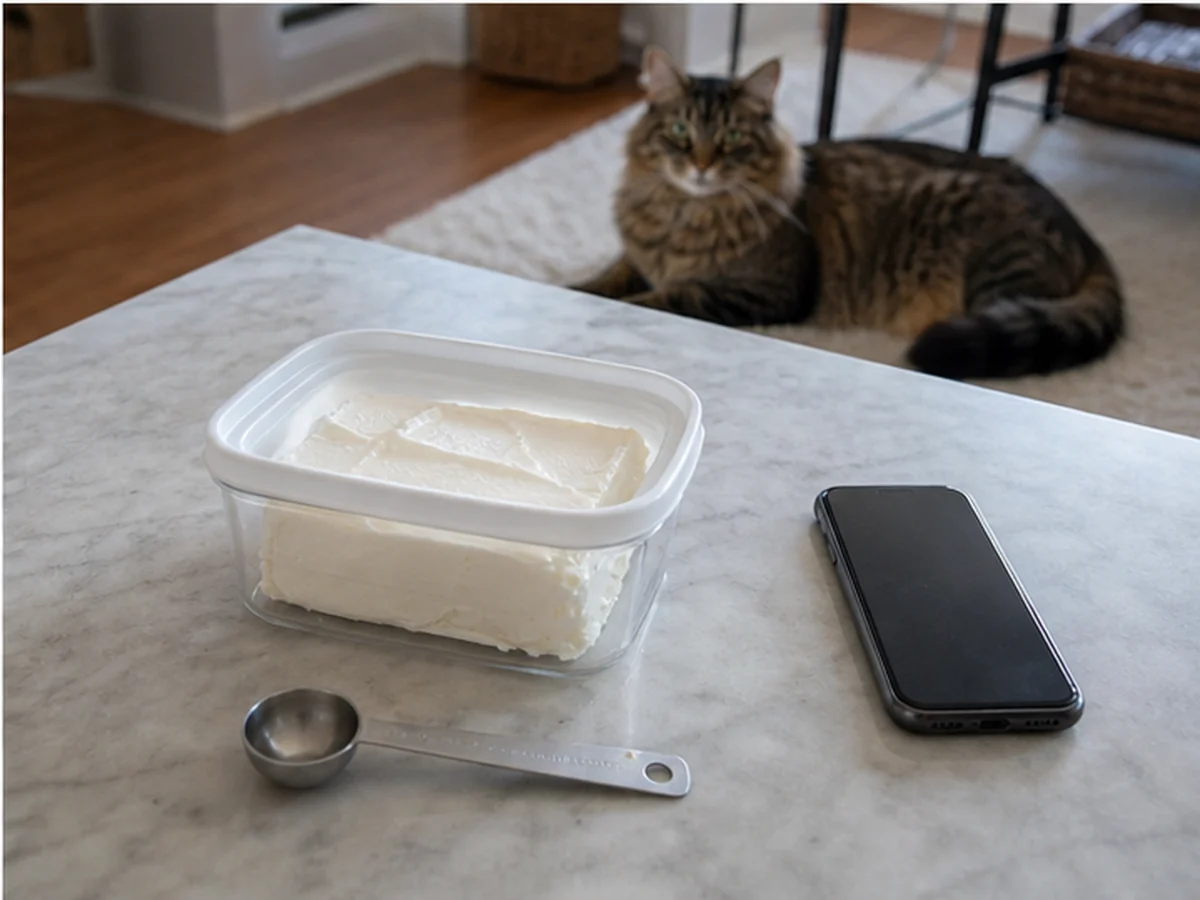
Monitoring one plain taste
Watch normal appetite, water intake, comfort, activity, vomiting, gas, and stool during the next day. Mild digestive upset can settle after access ends.
Call for repeated vomiting, persistent diarrhea, facial swelling, severe lethargy, or refusal to eat. Mention the flavor, storage, amount, and medical diet.
Frequently asked questions
Can cats eat plain cream cheese?
One small lick is usually low concern, but dairy tolerance varies and the spread is fatty, calorie-dense, salty, and incomplete.
Can cats eat whipped cream cheese?
Whipping changes density, not the underlying dietary issues. Check flavors and measure by weight rather than visual volume.
Can cream cheese help a cat take medicine?
Only with veterinary approval for the specific drug, diet, and cat. Use the smallest smear and confirm the dose was swallowed.
The bottom line
A plain cream-cheese lick is commonly a monitoring event, not a nutritious treat. Flavors, Alliums, smoked fish, desserts, raw dairy, spoilage, medication rules, symptoms, and packaging are the reasons for a closer response.