Can Cats Eat Graham Crackers? S’mores, Dough, and Wrapper Risks
One small crumb of a plain, fully baked graham cracker is unlikely to harm a healthy adult cat, although it has little to offer nutritionally. Chocolate, s’mores, sugar-free coatings, raw homemade dough, flavored varieties, large amounts, and wrappers need a different response.
Was it a crumb, a s’more, or a craft project?
Take away the food, save the box or recipe, and inspect the scene. Estimate what disappeared and look for chocolate, marshmallow, nut spread, icing, raw dough, skewers, foil, plastic, string, glue, or craft decorations.
Monitor after one known plain crumb, but call promptly for chocolate, coffee flavor, unknown sugar-free ingredients, raw yeast dough, swallowed packaging, or a large amount. The riskiest addition sets the urgency, not the two cracker squares around it.
Emergency signs include choking, breathing trouble, repeated vomiting, severe restlessness, tremors, seizures, collapse, a swollen or painful belly, profound weakness, or inability to swallow. Never induce vomiting or give peroxide, salt, oil, milk, or bread as a home remedy.
Plain baked graham crackers are snack food, not cat food
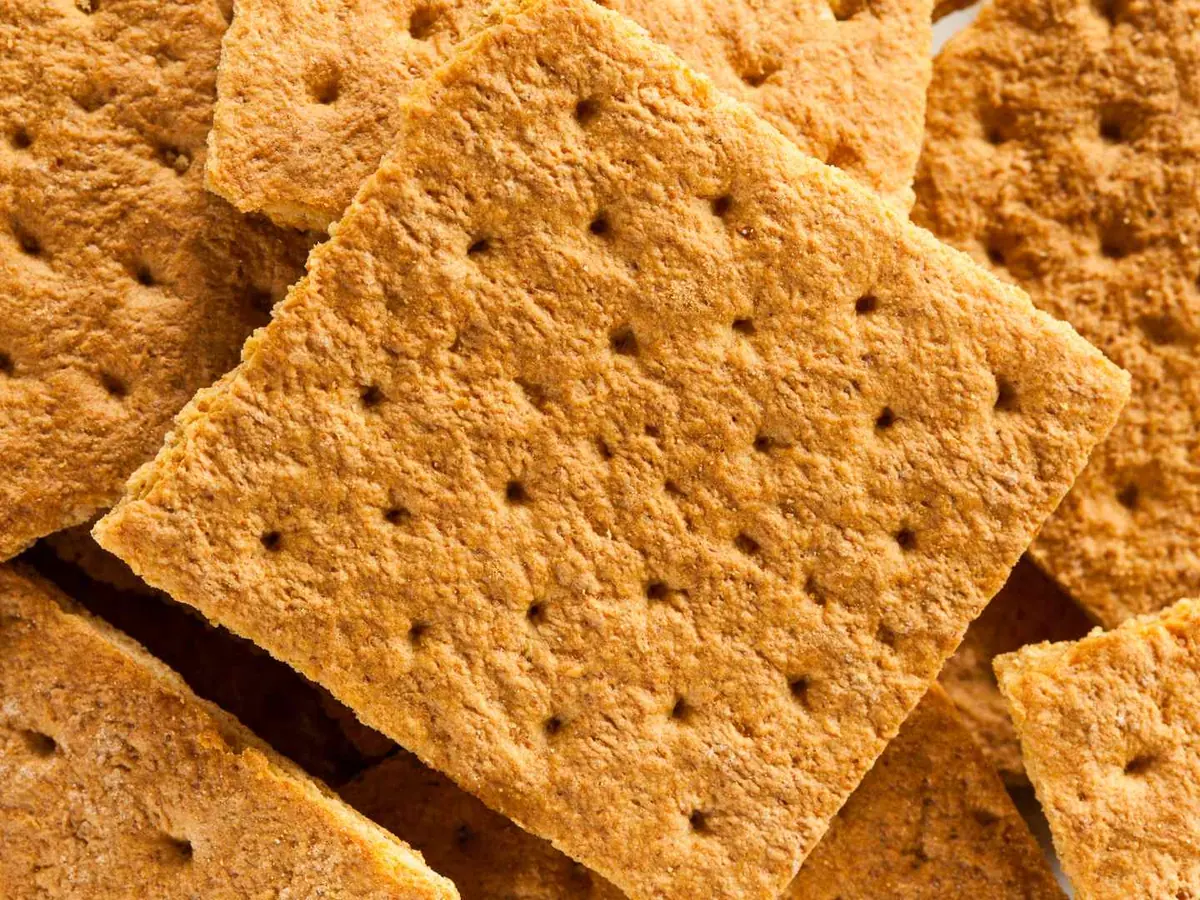
A typical graham cracker combines wheat flour, sweetener, oil or shortening, leavening, salt, and flavor such as honey or cinnamon. None turns one baked crumb into a predictable poison, but the combination mainly supplies starch, sugar, fat, and sodium.
Cats require animal-derived nutrients in complete proportions, which a cracker cannot provide. The Cornell Feline Health Center’s feeding overview explains that occasional extras do not supply a complete nutrient profile.
A cat who receives regular corners may gain calories while eating less of the food designed to meet those needs. The cracker is light in your hand, but feline calorie budgets are also impressively small.
Read the box because graham is not one formula
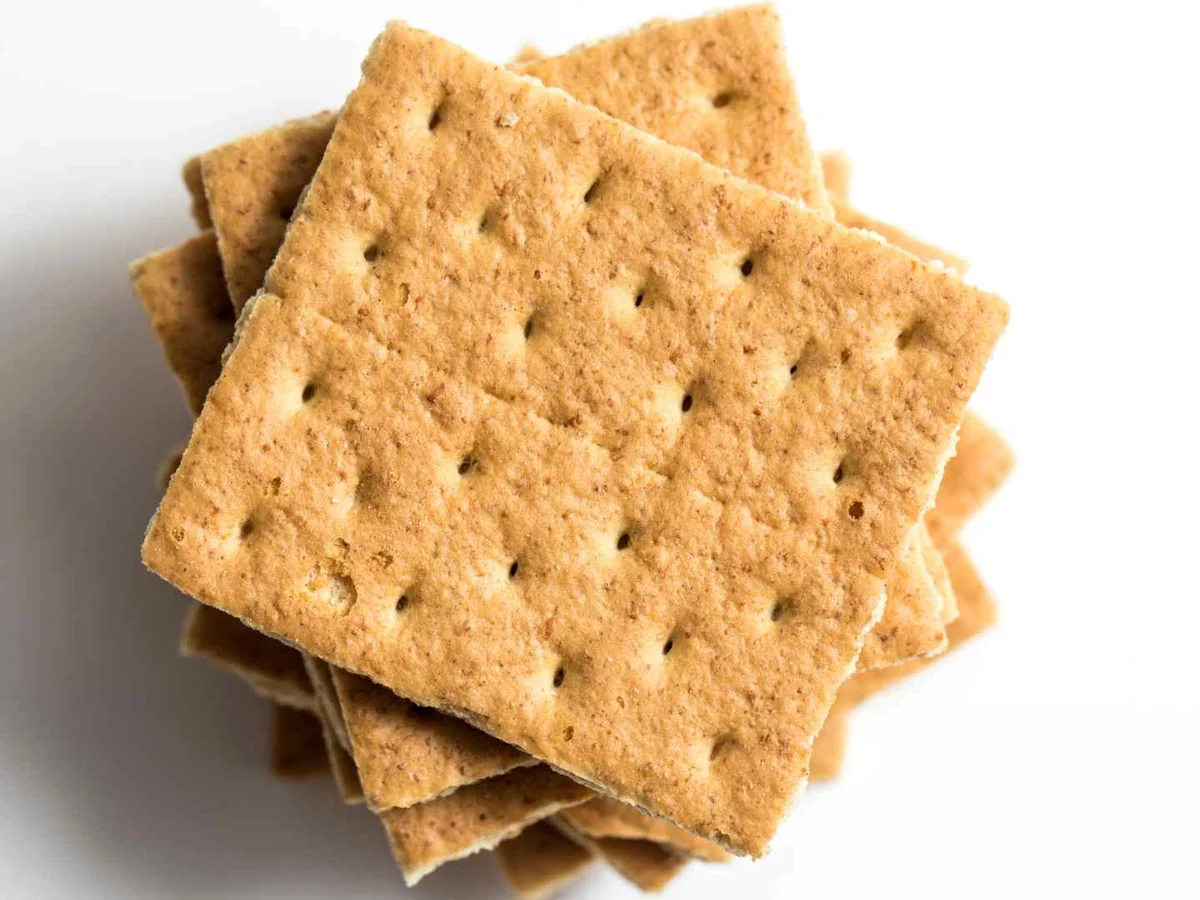
Honey, cinnamon, chocolate, chocolate-covered, gluten-free, low-sugar, protein-enriched, organic, store-brand, and toddler versions can differ. Ingredient lists may also change over time or between countries.
The FDA’s label guide explains serving size, sodium, added sugar, and the ingredient panel. Photograph the actual package instead of using a search result for a similar-looking box.
Check especially for cocoa, chocolate, coffee, raisins, nut pieces, onion or garlic in savory hybrids, and specialty sweeteners. A label audit takes one minute and usually resolves more than the word natural ever will.
Honey and sugar are calorie issues in ordinary crumbs
Honey is not a required cat food, and the small amount baked into a crumb is unlikely to create acute poisoning. Added sugar contributes calories and may complicate diabetes or weight management without offering a feline benefit.
Sticky honey or syrup can mat fur and encourage grooming, so wipe a small surface smear with a damp cloth. Call if the product was mixed with medication, essential oil, cannabis, alcohol, or another active ingredient.
Cinnamon flavor needs concentration context
A dusting baked into a cracker is not equivalent to swallowing cinnamon powder or contacting essential oil. Ordinary culinary exposure may irritate at larger amounts, while inhaled dust can trigger coughing or breathing difficulty.
The cat cinnamon guide separates a seasoned food from concentrated oils and powder clouds. Call after direct spice ingestion, oil contact, repeated vomiting, coughing, or abnormal breathing.
Do not rub oil on a cat exposed to cinnamon oil because one concentrated product does not safely dilute another. Prevent licking and ask a poison professional how to decontaminate the exact product.
S’mores make chocolate the headline
A s’more adds real chocolate, and cocoa methylxanthines can cause serious illness in cats. Darker or cocoa-rich chocolate generally deserves more concern, but product, amount, cat weight, and time all matter.
Call immediately with the chocolate wrapper rather than waiting for vomiting, restlessness, a rapid heartbeat, tremors, seizures, or collapse. The cat chocolate guide lists the details that make triage more precise.
Chocolate spread, cocoa frosting, brownie pieces, and chocolate-coated crackers also count as chocolate exposures. A thin-looking smear can still be cocoa-concentrated, so do not judge only by volume.
Marshmallow is usually sticky, sugary, and awkward
A small piece of standard marshmallow is mostly a sugar and texture problem, not a classic feline toxin. A whole large marshmallow can lodge in the throat, particularly for a kitten or cat that bolts food.
Burning-hot marshmallow can injure the mouth, and sticky melted sugar can adhere to fur or paws. Cool the area with room-temperature water, prevent grooming if debris is present, and call about burns instead of applying butter or ointment.
Sugar-free marshmallows require the ingredient list. The FDA says xylitol does not appear as dangerous to cats as it is to dogs, so do not transfer the canine mechanism, but unknown sweeteners still justify product-specific advice.
Campfire s’mores add heat and hardware
Skewers, sticks, hot coals, fire starters, lighter fluid, foil, and melted plastic may matter more than the cracker. A puncture, burn, chemical lick, or missing skewer is an urgent veterinary problem.
Do not pull a deeply embedded object or feed food to cushion a swallowed point. Keep the cat from running, place it in a carrier, and transport according to emergency-clinic instructions.
Raw homemade dough is not ready for quality control
Homemade graham dough can contain raw flour and egg, both potential vehicles for harmful bacteria before baking. Raw flour is not sterilized merely because it looks clean and powdery.
The FDA advises against tasting raw dough because flour can carry pathogens and cooking is the kill step. Watch for vomiting, diarrhea, feverish behavior, lethargy, or appetite loss after an exposure.
If a recipe uses yeast, unbaked dough can expand and generate ethanol in the stomach, creating an immediate call. Most cracker dough uses chemical leavening instead, but verify the recipe rather than assuming.
Nut butters and cheesecake fillings widen the ingredient list
Graham sandwiches and pie crusts may be paired with peanut butter, almond butter, cream cheese, butter, pudding, or sweetened condensed milk. These additions increase fat and calories, and some cats develop digestive upset after dairy.
Nut spreads can contain chocolate, coffee, salt, unusual sweeteners, or crunchy pieces, while cheesecake may include alcohol or espresso. Read each package and use the cat butter guide when rich fat, rather than a toxin, is the main concern.
Persistent vomiting, abdominal pain, hunched posture, or appetite loss should not be dismissed as a dessert hangover. Cats that stop eating can become seriously ill and deserve timely veterinary assessment.
Wrappers, foil, and freshness packets
Cracker sleeves preserve aroma beautifully, including for a cat who enjoys chewing plastic. Torn film, foil, clips, and freshness packets can choke or obstruct even when only crumbs remain inside.
The FDA identifies food bags and foreign objects as pet hazards. Call if material is missing, and seek urgent help for breathing trouble, repeated vomiting, belly pain, lethargy, or refusal to eat.
Do not tug string or film protruding from the mouth or anus. Internal tissue may be caught, and pulling can turn an obstruction into an injury.
Craft houses are sometimes not food
School projects may use graham crackers with hot glue, non-food paint, glitter, foam, cardboard, toothpicks, or candy attached for decoration. Treat the exact materials as a mixed household exposure, not as lunch that became stale.
Inventory every missing item and bring labels or photographs. Batteries, magnets, sharp objects, string, and unknown adhesives deserve immediate professional direction even if the cracker wall is intact.
Which cats should avoid even planned crumbs?
Kittens, cats with dental or swallowing trouble, and cats with diabetes, obesity, food allergy, chronic digestive disease, or a prescription diet gain nothing from graham crackers. Medical diets need consistency more than they need a honey-flavored loophole.
Gluten-free does not mean cat-appropriate, and whole grain does not make a cracker complete feline nutrition. Choose a veterinarian-approved treat or reserve several pieces of normal kibble for snack time.
Monitoring a confirmed plain crumb
Provide normal water and measured meals, then watch appetite, energy, stool, vomiting, coughing, and swallowing. Do not provoke another exposure to test whether the first was tolerated.
Call if signs repeat, worsen, or accompany pain, weakness, dehydration, or food refusal. A normal cat after one crumb can usually continue its day, perhaps with less access to the snack drawer.
Preventing the pantry excavation
Store boxes in a closed cupboard or bin, not on top of the refrigerator where an athletic cat can puncture the sleeve. Secure trash containing chocolate wrappers, sticky foil, skewers, and unfinished s’mores.
During family snacks, give the cat a puzzle feeder filled from its daily ration and sweep under chairs afterward. This is especially useful when children distribute crumbs with the generosity of tiny, chaotic caterers.
FAQ
Can cats eat honey graham crackers?
One small baked crumb is generally low risk for a healthy cat, but honey and cracker calories add no needed nutrition. Check the label and avoid making it routine.
Can cats eat cinnamon graham crackers?
A crumb with ordinary culinary cinnamon is not equivalent to powder or essential oil. Larger exposures, coughing, breathing trouble, repeated vomiting, or concentrated-product contact require a call.
What if my cat ate a s’more?
Call promptly because the chocolate type and amount need assessment, and report any swallowed foil or skewer. Do not wait for chocolate-related signs before seeking advice.
Are graham crackers good for hiding pills?
They are brittle, nutritionally unnecessary, and may alter how reliably a dose is swallowed. Ask the prescribing veterinarian for a compatible food or pill vehicle.
Bottom line
A plain graham crumb is usually low risk, while chocolate, raw dough, specialty toppings, heat, craft supplies, and wrappers deserve the attention. Identify the whole construction before deciding the cat only ate a cracker.