Can Cats Eat Lentils? Plain Portions, Raw Pulses, and Recipe Risks
A healthy adult cat can usually tolerate a tiny amount of plain, fully cooked lentils, but lentils are optional. Dry pulses, undercooked texture, fiber, gas, canned sodium, soup, curry, onion, garlic, spice, sprouts, mold, hot liquid, bags, and prescription diets make the larger question much less bean-shaped and simple.
The only reasonable version is soft, cool, and plain
Cook lentils thoroughly in plain water until they mash easily, cool them, and offer no more than a teaspoon if the veterinarian permits extras. Do not add salt, broth, oil, butter, onion, garlic, tomato sauce, coconut milk, or spice.
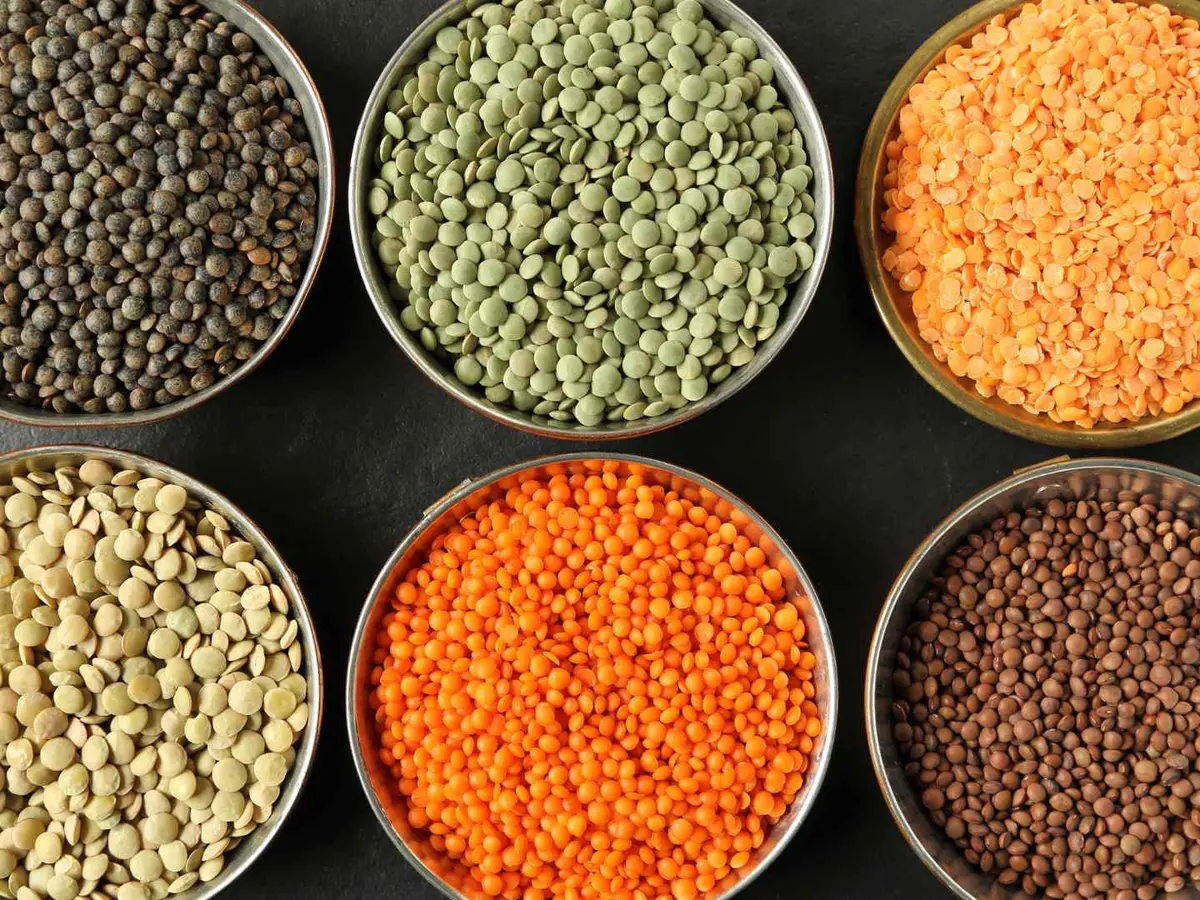
Red, brown, green, black, and yellow lentils vary in size, skin, cooking time, and texture. Color does not create a nutritional need for cats or a special serving allowance.
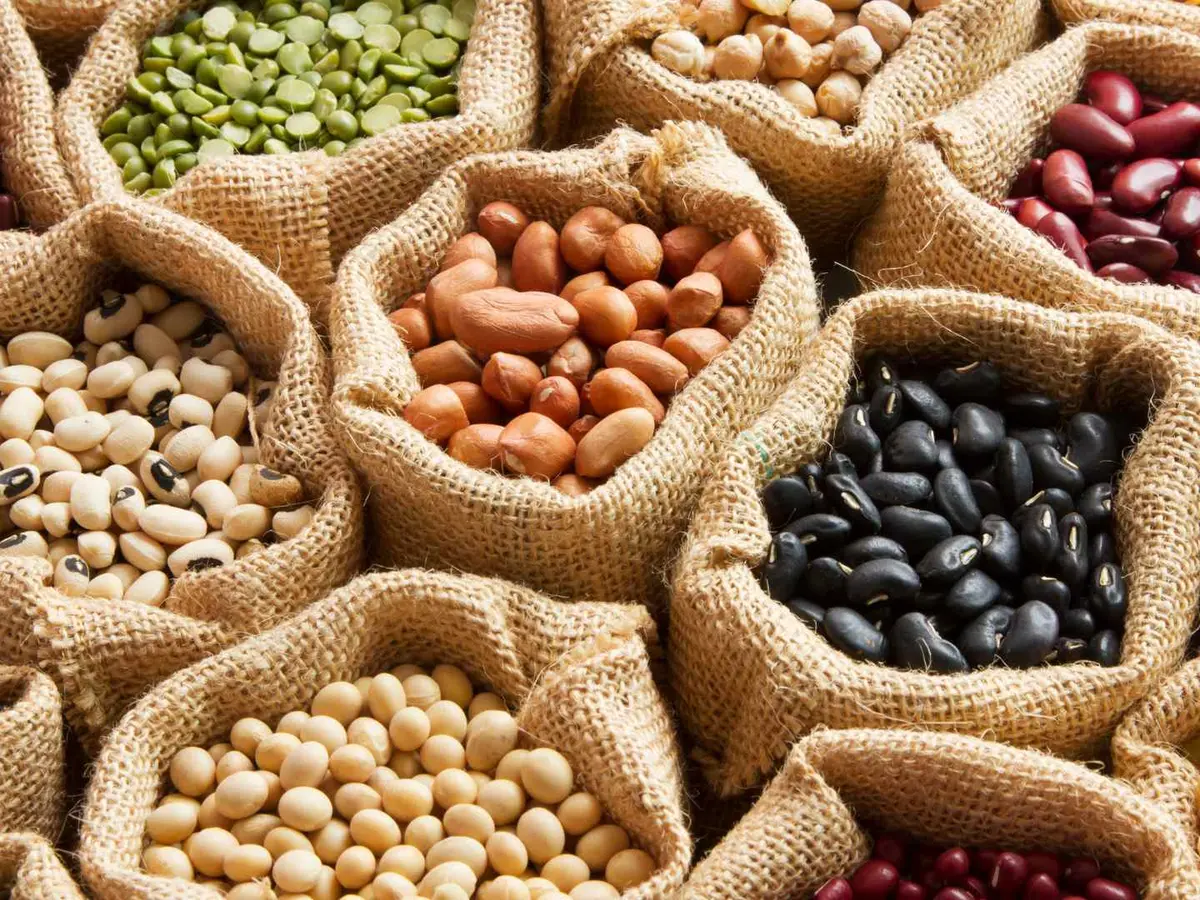
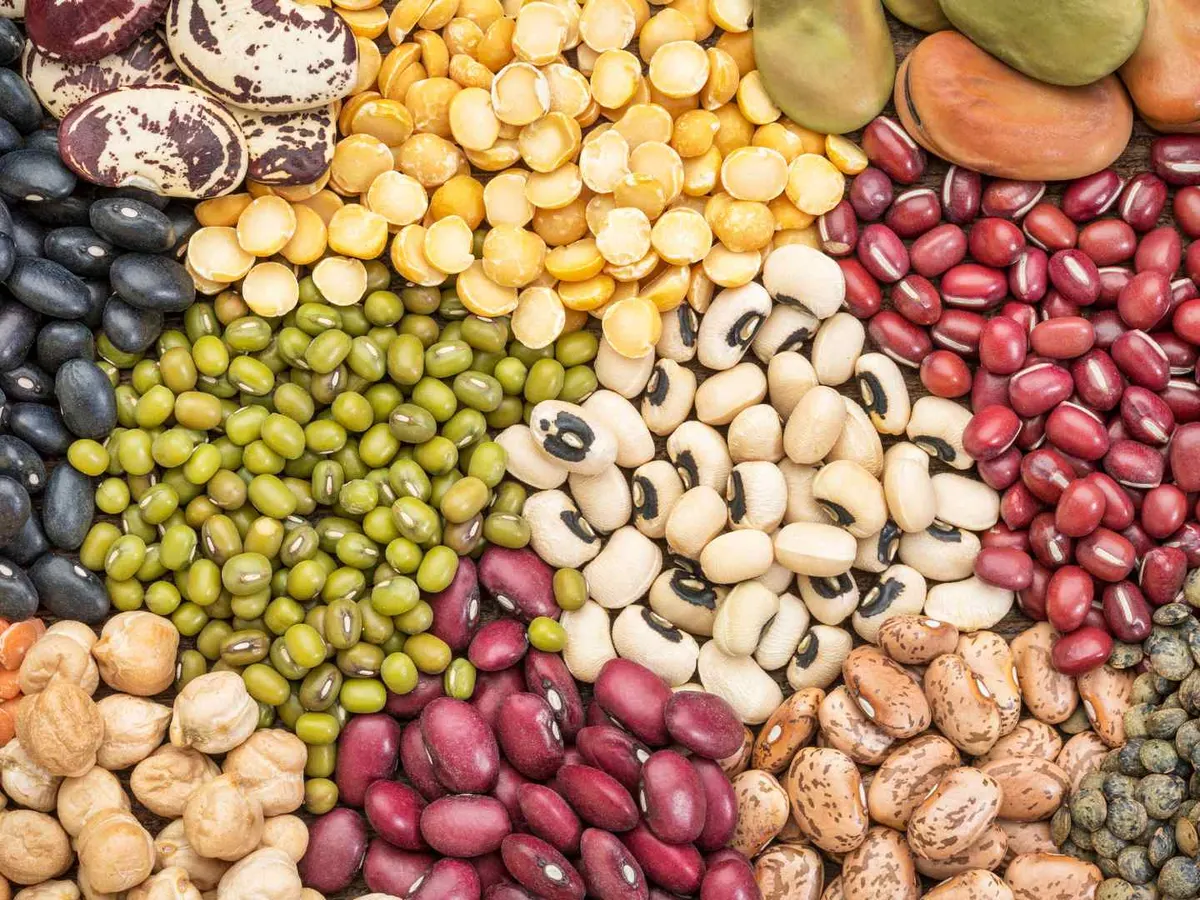
The cat bean guide provides a wider legume comparison, while lentils have their own small shape, quick cooking, sprouts, and recipe patterns.
Why lentil protein is not complete feline nutrition
Lentils provide plant protein, carbohydrate, fiber, minerals, and human-oriented nutrition, but cats require nutrients and amino-acid patterns supplied reliably through complete feline food. A lentil bowl cannot replace meat or balance a homemade diet.
The FDA explains complete-and-balanced nutritional adequacy claims. A human bag of pulses carries no feline life-stage statement.
Cats remain obligate carnivores even though they can digest some properly processed plant ingredients. One legume in a formulated commercial cat food should be judged within the finished recipe, not equated with feeding plain lentils as a meal.
Fiber can become digestive theater
Lentil fiber and fermentable carbohydrate may cause gas, a noisy abdomen, bloating, soft stool, diarrhea, vomiting, or appetite reduction. A teaspoon is a trial portion, not an opening bid.
Do not use lentils to treat constipation, hairballs, weight problems, diarrhea, or diabetes without veterinary guidance. More fiber can worsen discomfort when dehydration, obstruction, pain, medication, kidney disease, or megacolon is involved.
Litter-box straining with little urine can signal urinary obstruction rather than constipation, especially in male cats. Vomiting, crying, lethargy, or a painful abdomen makes that an emergency.
Dry and undercooked lentils are poor chewing projects
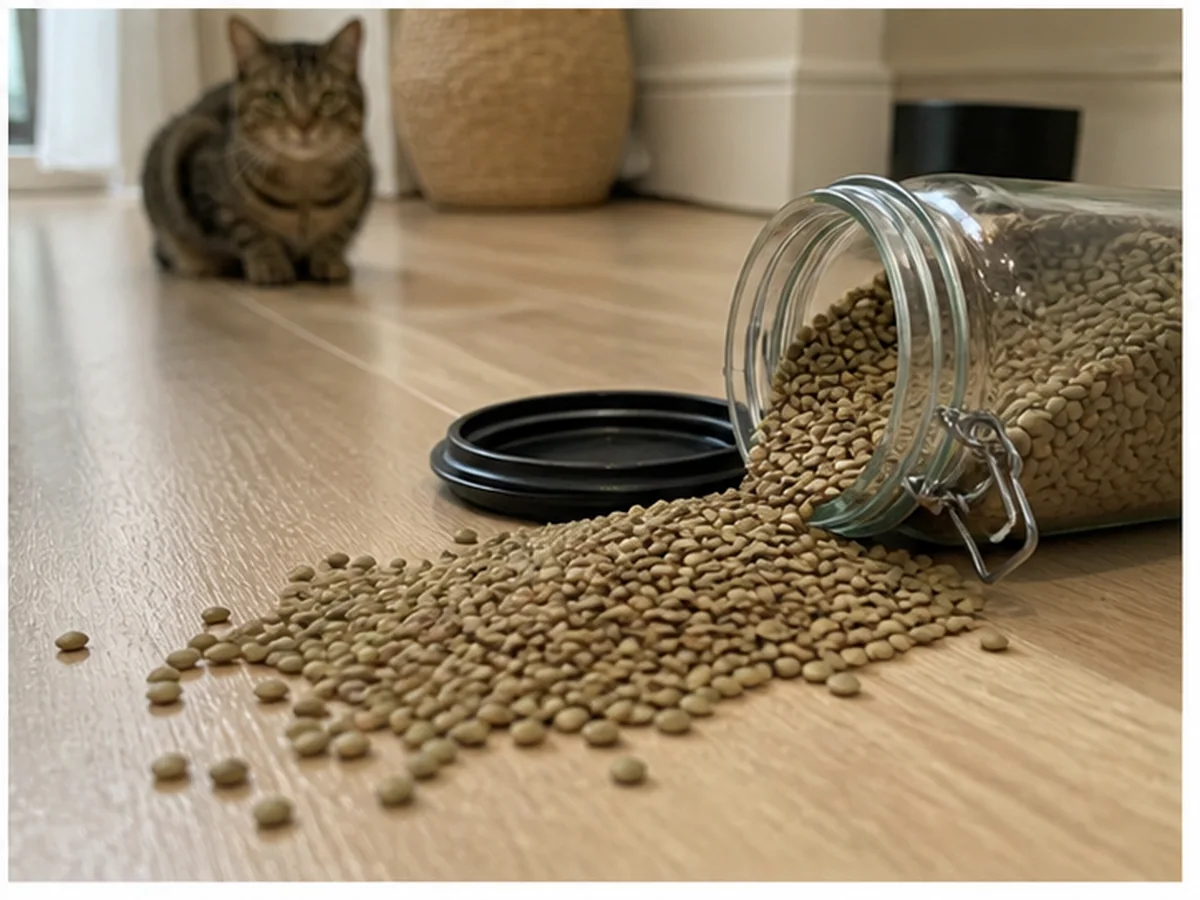
Dry lentils are hard, tiny, and easy to scatter into eyes, noses, or airways. A few floor grains may pass, but a bulk-bag raid can irritate the stomach and include string, plastic, clips, dust, insects, or desiccant.
Undercooked lentils remain firm and harder to digest. Do not pour water into the cat’s mouth to soften swallowed pulses or feed oil to move them.
Gagging, repeated swallowing, vomiting, belly pain, or a substantial dry-lentil ingestion warrants a veterinary call. Save the bag and estimate the maximum missing volume.
Soaking, rinsing, and cooking
Many lentils do not require soaking, although package directions vary. Rinse dry pulses, inspect for stones and debris, and cook with potable water using a clean pan.
Do not let a cat drink soaking liquid or lick an undercooked spoon. Keep steam, boiling water, electric-cooker cords, and hot lids away from paws.
A tiny stone hidden in a bag can damage teeth or be swallowed. Sorting before cooking protects people and pets without turning the final dish into cat food.
Lentil soup commonly begins with Alliums
Soup and stew often start with onion, garlic, leeks, or stock before lentils enter the pot. Cooking does not neutralize Allium compounds that oxidatively damage feline red blood cells.
The Merck Veterinary Manual identifies cats as especially susceptible to Allium toxicosis, with possible delayed anemia. Call after known onion or garlic even when the cat looks normal.
Weakness, low appetite, pale or yellow gums, rapid breathing, dark urine, and collapse may appear after the soup has been discarded. The feline onion guide explains why straining the broth does not undo the recipe.
Curry and dal are complete recipe audits
Dal and lentil curry may contain onion, garlic, chili, cumin, turmeric, salt, ghee, coconut milk, tomato, mustard seed, and spice blends. The legume is often the least urgent ingredient.
Hot pepper can irritate the mouth and gut, while rich fat may cause vomiting or diarrhea. Coconut milk and ghee add calories without making Alliums safe.
Set aside any approved plain portion before seasoning rather than rinsing the finished curry. Oil and spice remain in the soft surface.
Canned lentils and ready meals
Canned lentils may be packed with sodium, calcium chloride, broth, or seasoning. Rinsing can reduce surface liquid but does not make a seasoned product appropriate for a medical diet.
Sharp lids, pull tabs, foil pouches, absorbent pads, and microwave film can cut or obstruct. Keep feline faces away from the open rim.
Kidney, cardiac, urinary, and hypertensive patients may follow individually prescribed sodium limits. The current label and clinical plan matter more than a low-sodium marketing phrase.
Lentil pasta, chips, and crackers
Lentil pasta adds processing and may be served with garlic sauce, cheese, meat, onion, pesto, or salt. Plain fully cooked noodles remain nutritionally unnecessary and can be swallowed in long strands.
Lentil chips and crackers are often fried, salted, and seasoned with cheese, ranch, barbecue, chili, onion, or garlic. One crumb may be low concern, while a large snack raid needs label-based advice.
The cat bread guide helps with baked starch, dough, mold, and packaging, though a pulse cracker remains its own formula.
Sprouted lentils and raw food safety
Sprouts grow in warm, humid conditions that can also support pathogenic bacteria. Washing cannot reliably eliminate contamination from within sprout tissues.
The FDA warns that raw sprouts can carry harmful bacteria, with higher concern for vulnerable people. Cats and households gain no advantage from sharing raw sprouts.
Cook sprouts thoroughly if they are part of human food and keep raw sprout water, trays, and compost away from pets. Call for vomiting, diarrhea, feverish behavior, lethargy, or appetite loss after questionable sprouts.
Leftover lentils have a temperature history
Refrigerate cooked lentils promptly in a clean shallow container and follow official storage guidance. Discard a dish left warm for an unknown period, even when it smells acceptable.
Mold, fermentation, slime, leaking packaging, or a swollen container means secured disposal. Reheating cannot guarantee spoiled food becomes safe.
The FDA advises keeping refrigerators at or below 40°F. Use a clean utensil rather than letting a cat lick from a container returned to the fridge.
Cats who should skip lentil tastes
Kittens need complete growth food, while cats with diabetes, obesity, chronic digestive disease, constipation, swallowing trouble, or prescription diets gain little from lentil extras. A food-allergy trial must remain limited to approved ingredients.
If a sick cat refuses meals, lentils are not an appetite solution. Timely evaluation matters because prolonged poor intake can cause severe metabolic complications.
Lentil flour and protein powders
Lentil flour can become airborne, irritate eyes and airways, and appear in baked snacks with salt or seasoning. A bulk spill also creates concentrated dry intake and hidden packaging risk.
Plant-protein powders may combine pea, lentil, rice, sweeteners, flavors, vitamins, caffeine, cocoa, or herbal extracts. Human scoop directions do not establish a feline dose.
Save the complete supplement panel after access and call for coughing, eye pain, repeated vomiting, tremors, or an unknown blend. Do not mix dry powder into cat food to improve protein intake.
Preventing pantry and cooker accidents
Store dry lentils in a rigid closed container and keep bag ties out of reach. Clear rolled pulses from beneath appliances before a cat turns them into tomorrow’s floor snack.
Use a separate spoon for any plain feline taste and label leftovers with the cooking date. When storage history becomes fuzzy, the compost-resistant trash is a better destination than a pet bowl.
Lentils in commercial cat food
A manufacturer may use lentils within a recipe for structure, energy, protein, or fiber. Their presence alone does not prove a diet is grain-free, superior, allergenic, or unsuitable for an obligate carnivore.
Read the life-stage adequacy statement, calorie density, feeding directions, manufacturer information, and the cat’s response. The complete formulation matters more than internet ranking of one pulse.
Diet changes should be gradual when the veterinarian and manufacturer recommend transition. Sudden switching can create diarrhea that is then blamed on whichever ingredient looks unfamiliar.
After a lentil raid
- Identify the form: dry pulse, plain cooked lentil, sprout, soup, curry, can, pasta, chip, or spoiled leftover.
- List every addition: onion, garlic, stock, salt, chili, dairy, fat, tomato, meat, and spice blend.
- Measure amount and timing: note maximum portion, storage history, temperature, cat weight, and symptoms.
- Count objects: locate bag string, clips, cans, lids, pouches, packets, and cooker pieces.
- Call promptly: seek advice for Alliums, large dry amounts, raw sprouts, spoilage, burns, foreign objects, or symptoms.
Frequently asked questions
Can kittens eat cooked lentils?
Kittens have little room for nutritionally incomplete extras. Use complete kitten food for rewards and keep dry pulses, hot pots, and packaging away.
Can cats eat lentil soup?
Most recipes contain onion, garlic, stock, salt, or spice and should not be shared. Call after known Allium exposure even if the cat initially appears normal.
Are red lentils safer than green lentils?
No color creates a required cat food or universal safe portion. Both should be fully cooked and plain if a veterinarian permits a tiny taste.
Can lentils help a cat with diarrhea?
Do not use them instead of diagnosis or a complete therapeutic diet. Persistent diarrhea, blood, vomiting, pain, dehydration, lethargy, or any sick kitten needs veterinary care.
Bottom line
Plain soft lentils can be a tiny tolerated extra, but their protein does not complete a cat diet and their fiber is not a home clinic. Keep soup Alliums, curry, sprouts, stale leftovers, and bags out of reach while complete feline food remains the main event.