Can Cats Eat Quinoa? Rinsing, Cooking, Raw Grain, and Recipes
A few grains of plain, thoroughly cooked, rinsed quinoa are generally low risk for a healthy cat, but quinoa is optional starch rather than complete feline food. Raw grain, natural saponins, large portions, seasoning, broth, salads, leftovers, and packaging change the answer.
Reconstruct the quinoa dish
Save the package or recipe and identify whether quinoa was raw, rinsed, cooked, seasoned, sprouted, puffed, or mixed into salad. Note broth, vegetables, sauce, and packaging.
A spoon-tip of plain cooked grain often needs observation. Call for a large raw amount, severe vomiting, alliums, salty broth, an unknown supplement, or a swallowed bag and packet.
Breathing trouble, repeated vomiting, severe diarrhea, collapse, tremors, or abdominal pain requires urgent care. Do not induce vomiting.
Plain cooked quinoa is low risk, not necessary
Quinoa provides plant protein, carbohydrate, fiber, and minerals to human diets. Cats still require animal-derived nutrients and balanced formulation.
The Cornell Feline Health Center explains complete feline nutrition. A human whole-grain health halo cannot replace taurine and appropriate amino acids.
One tolerated bite does not prove regular benefit. Use normal cat food for treats instead of building a grain bowl.
Rinsing removes surface bitterness
Quinoa seeds naturally carry saponins that can taste bitter and irritate the gastrointestinal tract. Commercial processing may remove much, but rinsing remains a sensible package-directed step.
Rinse under running water in a fine sieve until directed, then cook thoroughly in plain water. Do not use soap or chemical produce wash.
The live quinoa product guide helps identify forms, but dog feeding portions do not establish feline advice.
Raw quinoa is a poor cat snack
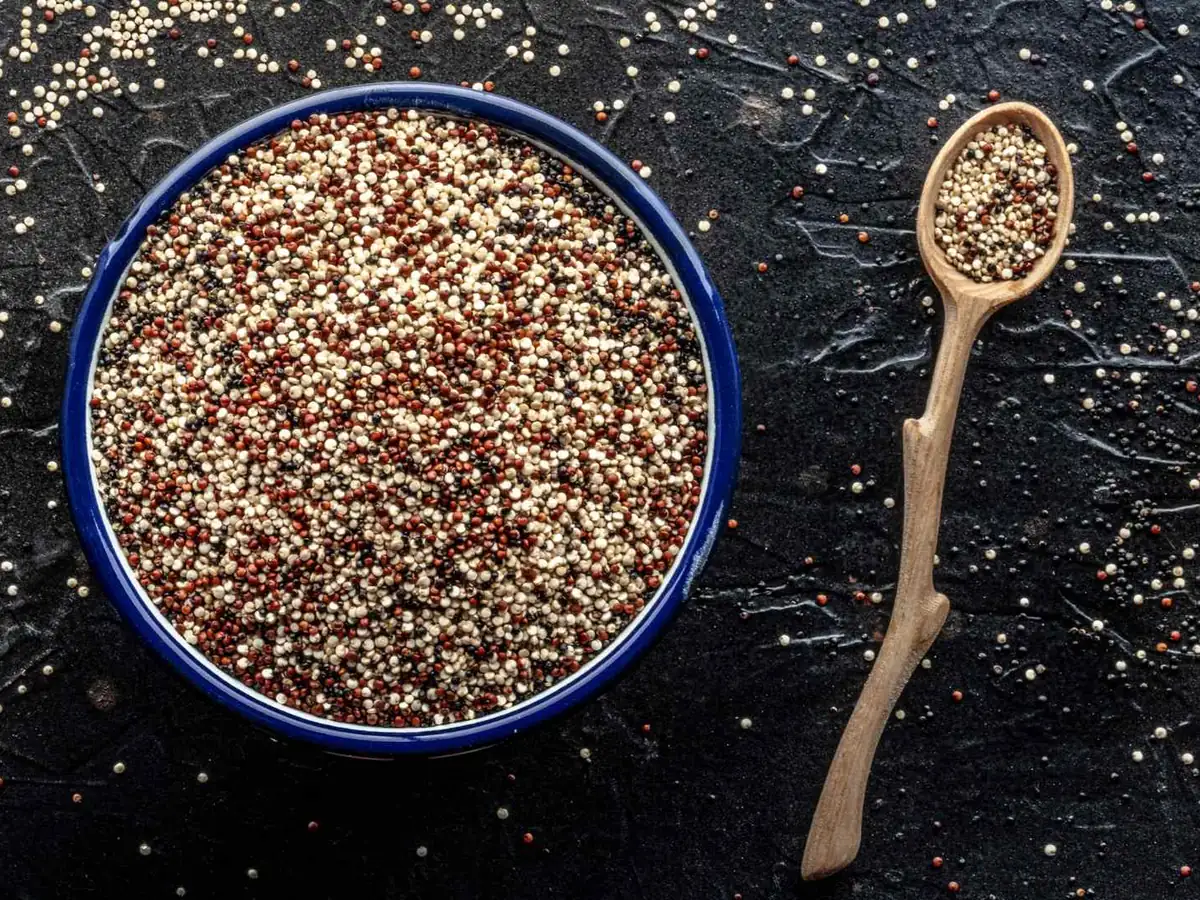
Uncooked seeds are hard, dusty, and more likely to retain surface saponin. They can irritate, scatter into eyes, or be swallowed in a large dry quantity.
A few spilled seeds may pass, while a cup raid, coughing, repeated vomiting, diarrhea, or belly pain deserves a call.
Do not force water after dry grain ingestion. Keep normal water available and follow veterinary instructions.
Cooking changes texture, not nutritional completeness
Simmering hydrates quinoa and makes it easier to swallow. It does not turn a bowl of grain into balanced feline protein.
Cook until the seeds are tender and cool fully before any veterinarian-approved taste. Break clumps apart so they cannot form a sticky mouthful.
Do not cook in onion broth, garlic stock, salted bouillon, butter, or milk for a cat. Plain water is the simplest preparation.
White, red, black, and tri-color quinoa
Varieties differ in color, texture, and cooking behavior but do not form a feline safety hierarchy. Darker seeds may remain firmer.
Follow the actual package for rinsing and cooking. A color marketed as antioxidant-rich does not create a cat dose.
Mixed grain packages may include rice, lentils, seeds, spices, and seasoning sachets. Read every ingredient.
Quinoa salads are mixed dishes
Salads commonly add onion, garlic, scallion, raisins, grapes, feta, avocado, nuts, herbs, lemon, oil, and salty dressing.
The ASPCA people-food guidance supports urgent review of allium-containing recipes because cats are particularly susceptible.
The cat grape guide preserves feline uncertainty rather than importing dog kidney-injury doses.
Broth and instant cups
Ready quinoa cups and savory packets may contain concentrated sodium, onion, garlic, cheese, chili, or flavor enhancers. The seasoning may be mixed throughout.
The FDA Nutrition Facts guide helps interpret sodium and serving size.
After salty quinoa broth, urgent signs include marked thirst, vomiting, neurologic changes, profound weakness, and collapse.
Quinoa flour and raw batter
Flour removes the whole-seed shape but can become airborne and is a raw agricultural food. It often appears with egg, yeast, chocolate, or sweeteners.
The FDA warns against raw dough because flour can harbor pathogens. Call about rising yeast dough immediately.
Move a coughing cat from dust without sweeping more into the air. Eye pain or breathing changes needs advice.
Puffed quinoa and snack bars
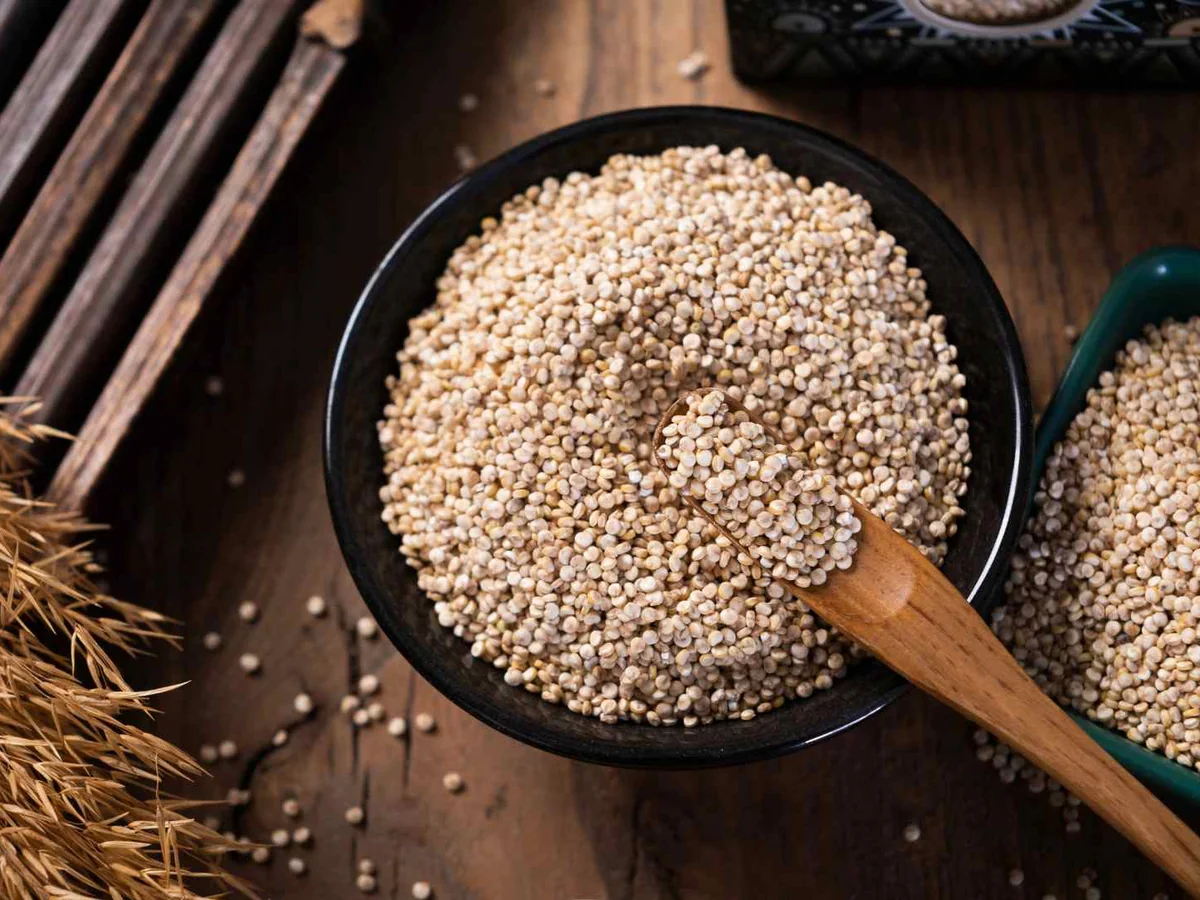
Puffed grains may be coated with sugar, chocolate, yogurt, salt, spice, or nut butter. Bars can include raisins and hard clusters.
A plain puff crumb is usually low risk, while chocolate, coffee, Vitis fruit, and wrappers need separate triage.
Do not use crunchy grain snacks as dental treats. Their shape and recipe were designed for people.
Sprouted quinoa
Sprouting changes microbial and storage considerations and does not make quinoa nutritionally complete for cats. Home sprouts can support bacterial growth if handled poorly.
Do not offer raw sprouts. Preserve the batch and report vomiting, diarrhea, feverish behavior, lethargy, or appetite loss.
Follow food-safety instructions for human sprouting and keep trays beyond pets. Damp media may also grow mold.
Plant protein and diet claims
Quinoa is sometimes promoted as complete protein for humans, referring to amino-acid patterns in a human diet. Cats have species-specific requirements and cannot be assessed by that slogan.
Do not replace meat with quinoa or formulate homemade cat food around it. A veterinary nutrition specialist is needed for home-prepared diets.
Cats with food allergy need controlled elimination trials, not casual novel grains. One symptom after a mixed bowl cannot diagnose quinoa allergy.
Fiber and stool changes
A larger serving can produce gas, soft stool, constipation, or vomiting depending on the cat and total diet. Fiber is not universally beneficial.
Do not use quinoa to treat constipation or diarrhea without veterinary advice. Hydration, obstruction, disease, and medications must be considered.
Call for repeated signs, blood, pain, lethargy, dehydration, or food refusal. Kittens can worsen quickly.
Diabetes, obesity, and prescription diets
Quinoa contributes carbohydrate and calories that can complicate diabetes and weight plans. Kidney and urinary diets also require controlled nutrient profiles.
Ask before adding it to a prescription meal or using it as a pill vehicle. Consistency supports useful monitoring.
Gluten-free labeling may matter to human shoppers but does not make a grain cat-appropriate. Medical diet rules come first.
Leftovers and refrigeration
Cooked quinoa should be cooled and refrigerated promptly in a clean covered container. Mixed salads follow the storage needs of their most perishable ingredients.
Discard sour, slimy, moldy, or long-abandoned leftovers. Reheating does not remove every spoilage risk.
Keep cats away from sink strainers and disposals where grain clumps mingle with bones, cleaners, and sharp utensils.
Bags and tiny packets
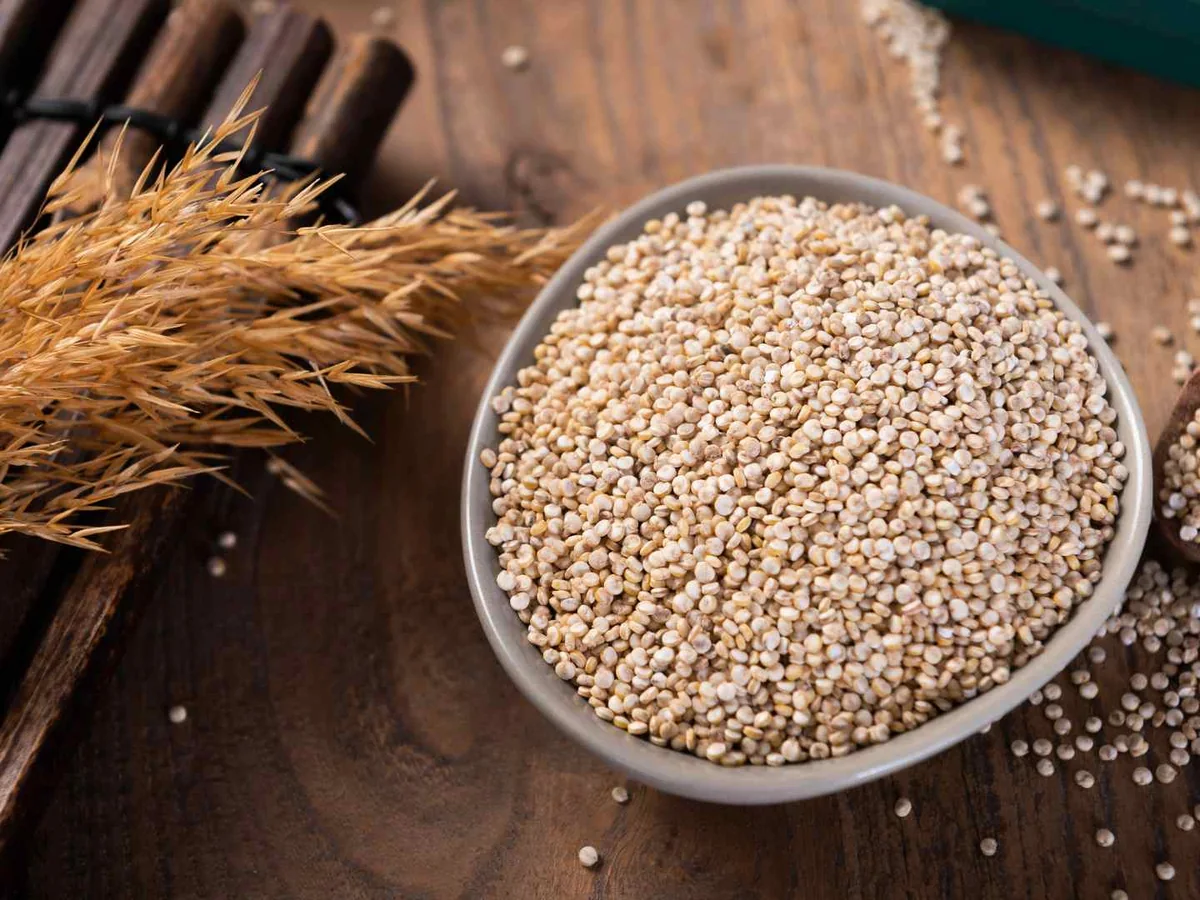
Thin bags, zipper strips, clips, measuring scoops, and seasoning sachets can be chewed because grain dust clings to them.
The FDA household hazard guide supports securing food bags and foreign objects.
Call whenever packaging is missing and never pull film protruding from the mouth or anus.
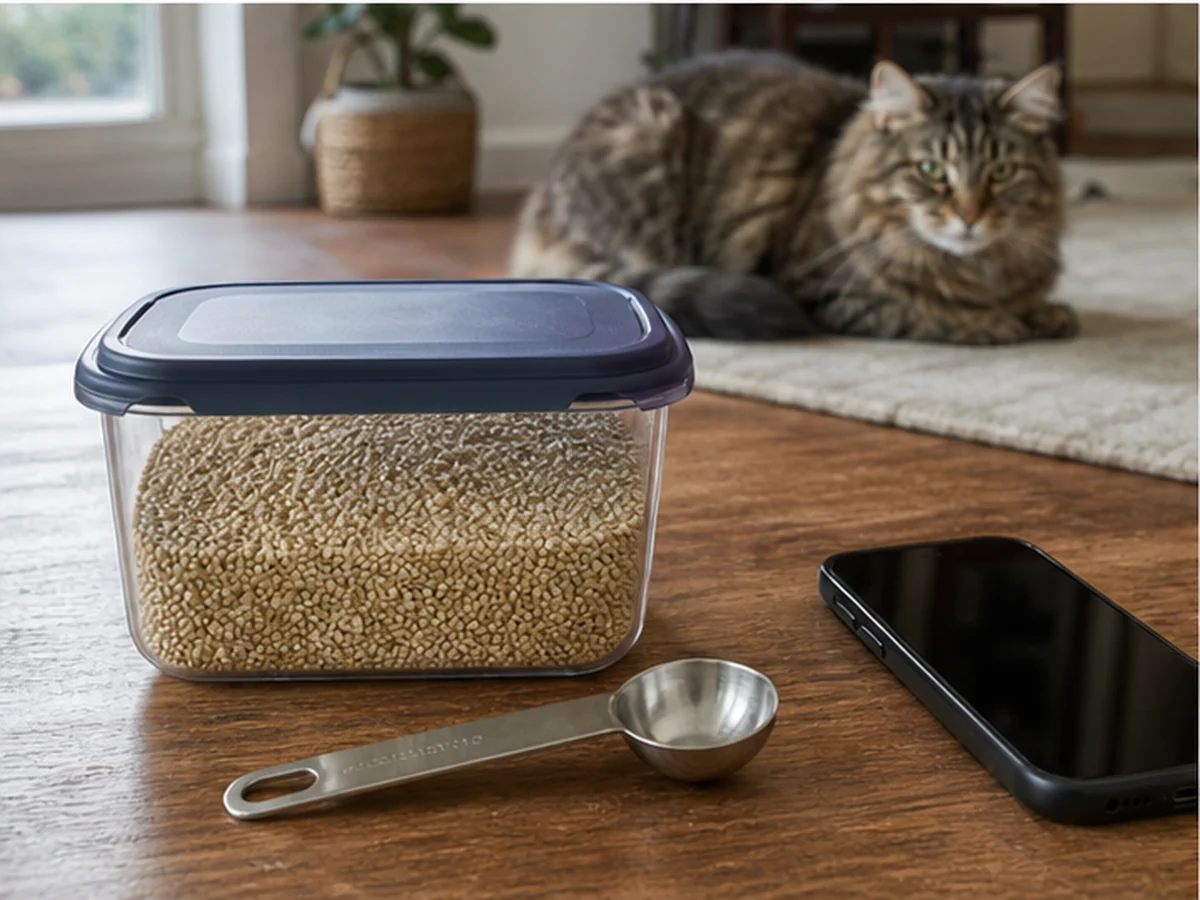
Monitoring a plain cooked taste
Continue usual measured food and fresh water while watching appetite, vomiting, stool, energy, swallowing, and abdominal comfort.
For quinoa, recurring digestive signs, belly tenderness, drying out, weakness, or skipped meals merit a veterinary call. Raw grain, seasoned recipes, and foreign objects require more specific advice.
A few plain cooked rinsed grains are generally low risk, but quinoa offers no needed health halo; preparation, portion, recipe, storage, and packaging decide the practical outcome.
Quinoa bowls often include chickpeas, edamame, tofu, raw fish, egg, avocado, seaweed, and dressing. Each protein and topping needs its own preparation and storage history.
The cat chickpea guide is useful when garbanzo beans or hummus appear, especially because alliums can hide in prepared forms.
Quinoa pasta may combine quinoa flour with corn, rice, lentils, or pea protein and is commonly served with sauce. Assess the noodle shape and recipe rather than the grain name alone.
The cat noodle guide covers long strands, instant seasoning, dry pieces, sauce, and packaging. Quinoa labeling does not remove those physical hazards.
Breakfast quinoa can contain milk, plant beverages, cinnamon, honey, raisins, nuts, chocolate, or coffee. A spoonful from that bowl is not plain cooked seed.
Quinoa flakes cook quickly and may be fortified or flavored. Check sugar, sodium, sweeteners, and serving size before a veterinary call.
A bitter finished batch may have retained saponin or spoiled; it should not be offered to a cat. Rinsing after cooking cannot reliably fix every preparation error.
Tiny seeds scatter into toaster slots, sink drains, and floor cracks where they mix with cleaners or mold. Clean spills before the cat begins collecting them one paw at a time.
Home diet recipes that include quinoa can appear precise while remaining deficient in taurine, calcium balance, fatty acids, or vitamins. Use a veterinary nutrition specialist rather than online arithmetic.
A cat with chronic kidney disease may need controlled phosphorus, protein, sodium, and calories. Quinoa’s human mineral profile is not a reason to add it.
If cooked grain is used during a veterinarian-approved elimination trial, every broth, oil, supplement, and treat must follow the protocol. Plain means genuinely unseasoned.
Document whether symptoms followed raw seeds, cooked quinoa, or a mixed dish. That distinction helps separate texture, saponin, microbial, and recipe concerns.
Quinoa sushi can contain raw fish, avocado, cucumber, sesame, spicy mayonnaise, soy sauce, and wasabi. The grain substitution does not make the roll safe for cats.
Cooked quinoa frozen in a solid block should thaw fully before human use and should never be offered as a cold chew. Hard food can damage teeth or lodge.
If a cat walks through cooked grain, inspect between toes and wipe gently before it dries into a mat. Avoid scissors close to skin unless a professional can clip safely.
- Keep the package or recipe so your veterinarian can see every ingredient.
- Note whether the quinoa was raw, cooked, sprouted, or part of a seasoned dish.
- Record the amount eaten, the time, and any vomiting, coughing, or unusual behavior.
FAQ
Can cats eat cooked quinoa?
A few plain, rinsed, fully cooked grains are generally low risk, but quinoa is optional and should not replace balanced food.
Does quinoa need rinsing?
Follow the package; rinsing helps remove bitter surface saponins before cooking.
Can cats eat raw quinoa?
Do not offer it. Raw seeds are hard, dusty, and more likely to retain irritating saponin.
Is quinoa a complete protein for cats?
No human marketing phrase makes quinoa a complete feline diet. Cats need properly formulated species-appropriate nutrition.
Bottom line
A few plain cooked rinsed grains are generally low risk, but quinoa offers no needed health halo; preparation, portion, recipe, storage, and packaging decide the practical outcome.