Can Cats Eat Spicy Food? Chile Heat, Alliums, Sauces, and What to Do
Spicy food should stay off a cat’s plate. Chile heat can painfully irritate the mouth, eyes, airways, and digestive tract, while garlic, onion, salt, fat, alcohol, chocolate, bones, and packaging hidden in spicy dishes may create more serious problems.
Treat spicy as a clue, not an ingredient
Save the recipe, restaurant order, bottle, seasoning packet, and wrappers. Identify chile species or sauce, alliums, protein, bones, dairy, oil, sweeteners, and the amount eaten.
Distinguish a lick from lapping a bowl or chewing a pepper. Note eye or skin contact, coughing, vomiting, breathing, and whether packaging is missing.
Call urgently for breathing trouble, collapse, seizures, pale gums, dark urine, severe weakness, repeated vomiting, eye pain, or a missing bone or skewer. Do not induce vomiting.
Capsaicin creates irritation
Capsaicin and related capsaicinoids activate heat-sensitive receptors rather than literally burning at ordinary food exposures. The sensation can still be intense and provoke drooling, pawing, coughing, vomiting, or diarrhea.
The NIH PubChem record for capsaicin describes the compound and irritant hazards. Human concentration data do not provide a feline safe serving.
Move the food away and let the cat settle in clean air. Do not deliberately repeat exposure to see whether a milder pepper is tolerated.
Garlic and onion may outrank the heat
Hot sauces, curry pastes, chili crisp, salsa, and seasoned meats frequently contain garlic or onion. Cats are unusually susceptible to Allium-related red blood cell damage, which can be delayed.
Use the cat garlic guide and preserve the label. Weakness, pale gums, rapid breathing, dark urine, or collapse needs urgent care.
A sauce being too hot to eat does not neutralize alliums, and a mild sauce can still contain them. Ingredient review beats a heat ranking.
Fresh chiles differ from bell peppers
Bell peppers contain little or no capsaicin, while jalapeño, serrano, habanero, cayenne, and other hot chiles vary widely. Seeds are not the only hot part because capsaicinoids concentrate in placental tissue.
The cat pepper roundup separates sweet peppers from capsaicin-rich varieties. A grocery name still does not measure exact heat.
Whole stems and large chunks can choke or obstruct. Garden pesticides and fertilizer add separate questions after a plant raid.
Hot sauce bottles are complicated
Vinegar, salt, chiles, garlic, onion, fruit, preservatives, and fermentation can share one bottle. Specialty sauces may add alcohol, mustard, soy, fish, or extremely concentrated extracts.
The FDA label guide helps interpret sodium and serving size. Front-label heat scales are entertainment, not toxicology.
Caps, shrink bands, foil seals, and glass fragments are hazards too. Count every component after a knocked bottle.
Dry spice on paws becomes an ingestion
Chile powder, cayenne, curry powder, and snack dust cling to fur and enter the mouth during grooming. Powder can also irritate eyes and airways.
Move the cat away without sweeping dust upward, prevent grooming, and call for cleaning advice after substantial contamination. Never apply oils or scented cleaners to dilute spice.
Persistent coughing, squinting, corneal pain, or labored breathing needs prompt care. Eye exposure deserves professional flushing instructions.
Milk is not a feline antidote
People may reach for milk or yogurt after chile heat, but many adult cats digest lactose poorly. Dairy can add vomiting or diarrhea without addressing all other ingredients.
Do not force water, milk, bread, oil, or food into a distressed cat because aspiration is possible. Keep normal water available unless directed otherwise.
The cat cheese guide explains dairy limits, but the best response begins with the exact spicy product.
Curries and stir-fries
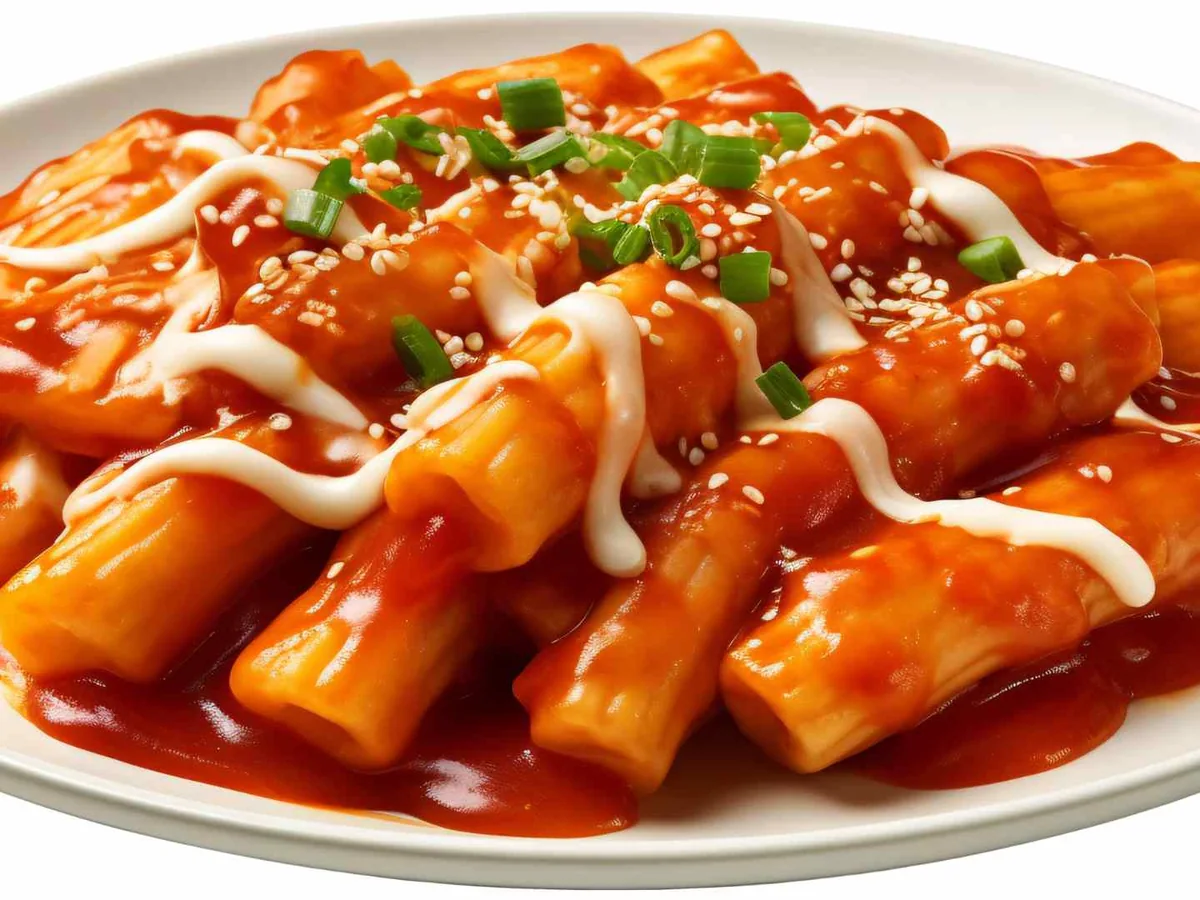
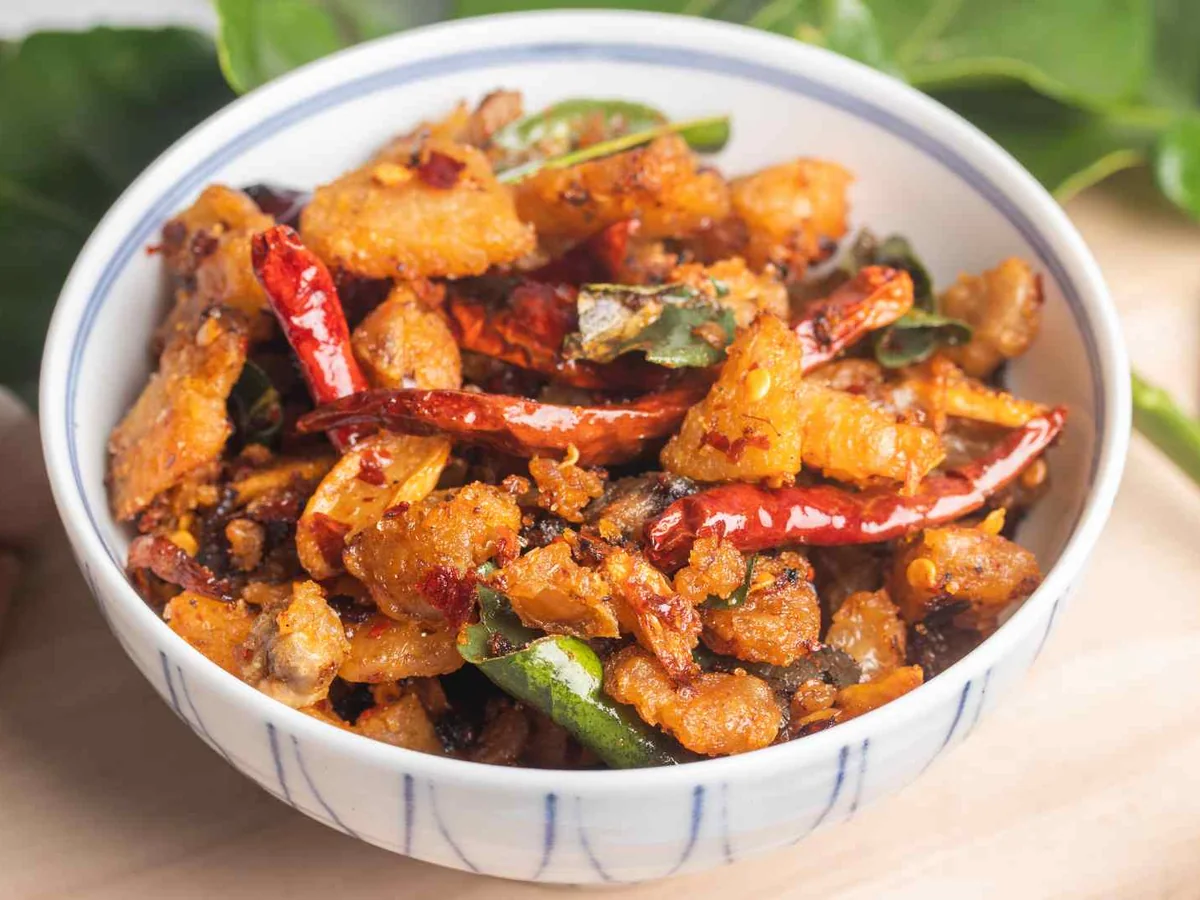
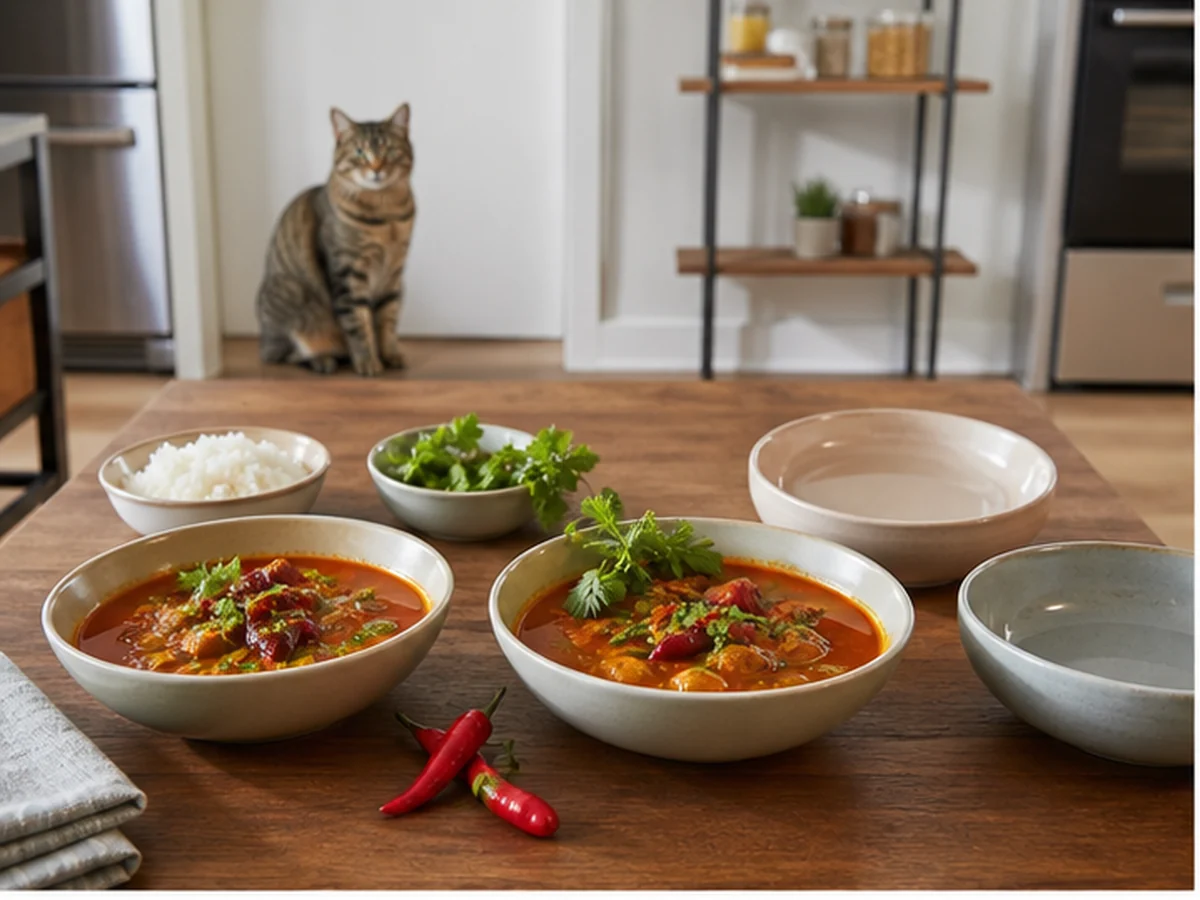
Curry can contain onion, garlic, chile, coconut milk, dairy, salt, fat, grapes, nuts, or whole spices. Stir-fries may add soy sauce, skewers, bones, and very hot oil.
Photograph the entire dish and save its recipe. Scraping sauce from meat cannot undo absorbed ingredients.
A tiny plain rice grain is different from a mouthful of seasoned curry, so estimate each component instead of reporting only the dish name.
Wings, tacos, pizza, and bones
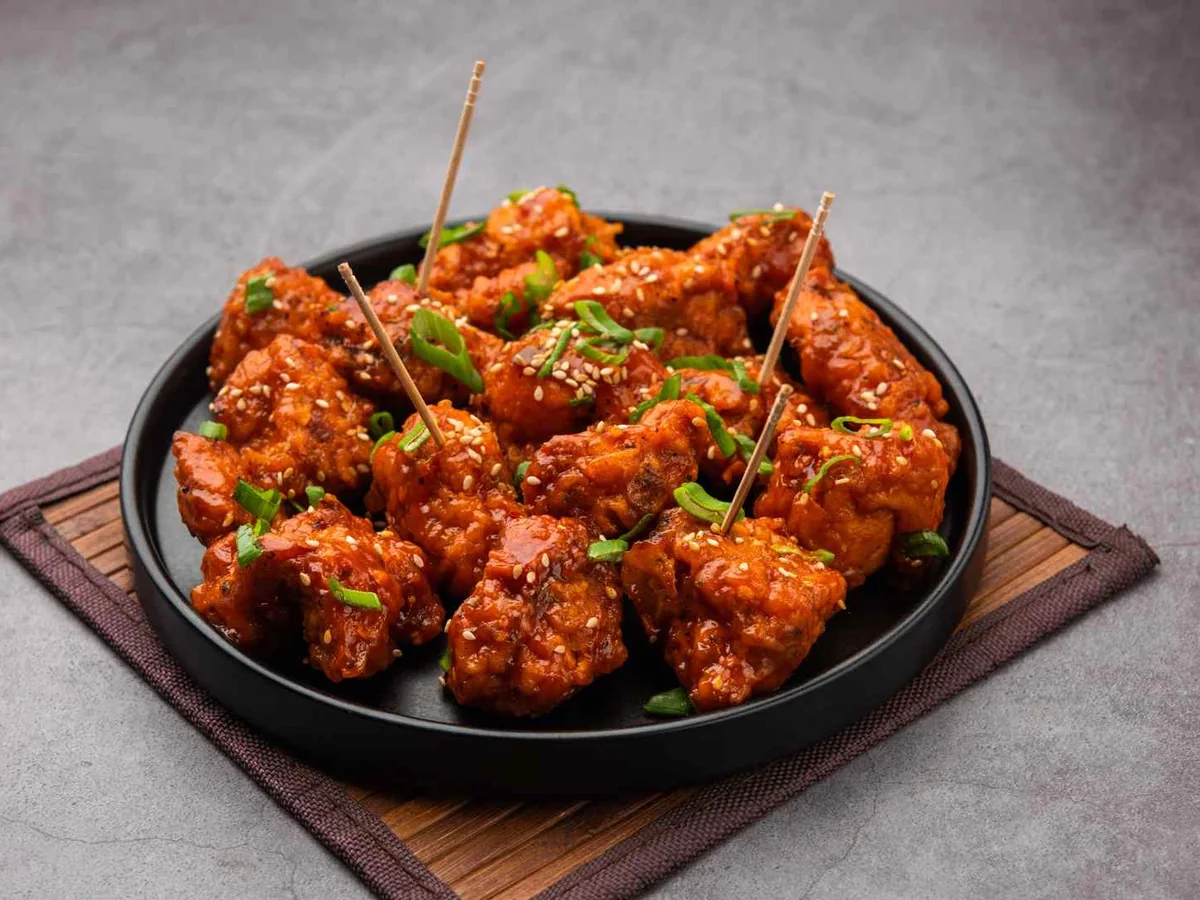
Spicy food often rides on chicken wings, tacos, pizza, sausage, or ribs. Bones, fatty skin, toothpicks, foil, onion, and garlic may determine the emergency.
The cat pizza guide covers dough and toppings. Count bones before cleaning the plate.
Do not induce vomiting after a sharp-object possibility. Coughing, gagging, repeated swallowing, abdominal pain, or breathing distress requires urgent direction.
Spicy chips and crunchy snacks
Snack coatings combine chile with salt, onion or garlic powder, cheese, oil, and flavor enhancers. Bag-corner dust may deliver more seasoning than one chip crumb.
A single fragment and a pantry raid are different exposures. Report the bag size, missing amount, and any absent freshness packet.
Hard chips can cut sore gums or lodge awkwardly, while torn film can obstruct. Do not pull plastic emerging from the cat.
Kimchi, pickles, and fermented heat
Spicy fermented foods can add sodium, alliums, acidity, fish sauce, and microbial storage questions. Fermented does not mean probiotic medicine for a cat.
The cat sauerkraut guide covers brine and fermentation. Kimchi needs its own allium and chile review.
Refrigerate opened products as directed and discard swollen, leaking, moldy, or badly spoiled containers. Reheating does not solve every hazard.
Spicy oils and concentrates
Chili crisp and infused oil can coat paws, carry alliums, and deliver a large fat load. Extract-based challenge sauces may be far more concentrated than ordinary salsa.
Wipe only a tiny surface smear when safe and seek product-specific decontamination advice for a larger spill. Do not add another oil.
Persistent vomiting, pain, lethargy, or refusal to eat after a fatty exposure needs veterinary assessment, not an instant home diagnosis of pancreatitis.
Kittens and cats with chronic illness
Kittens dehydrate quickly, while cats with asthma, gastrointestinal disease, kidney disease, or prescription diets have less reason to tolerate an irritating experiment. Flat-faced cats may struggle visibly with airway irritation.
Spicy food should not hide medication because the cat may reject both food and dose. Some medicines also require precise timing or an empty stomach.
Appetite loss matters in cats. Do not keep offering increasingly fragrant spicy foods when a sick cat refuses its normal meal.
A calm plan after one tiny lick
Save the product, remove access, and monitor drooling, coughing, vomiting, diarrhea, appetite, breathing, energy, gum color, and urine. Keep fresh water nearby without forcing it.
Call if signs persist, alliums appear, the amount grows, or the cat has underlying disease. Delayed anemia and immediate irritation require different observation windows.
Clean tables and close bottles before the cat returns. The best hot-sauce challenge is the one the cat never enters.
Heat around the house
Pepper spray, capsaicin pain creams, warming patches, and pest-deterrent products are not food exposures. Concentration, solvents, propellants, skin absorption, and eye or airway contact can make them much more urgent.
Save the exact product and call immediately after contact rather than using cooking advice. Move everyone to fresh air if safe and avoid touching contaminated fur bare-handed.
Why water may not end the sensation
Capsaicin is poorly soluble in water, which helps explain why a drink may not remove oily chile residue from a mouth or coat. That chemistry does not justify pouring dairy, detergent, or oil into a cat.
Veterinary teams can recommend safe decontamination based on the route and product. Forced liquids can enter the lungs when a cat coughs, struggles, or vomits.
If a cat remains comfortable after one tiny food lick, observation may be enough, but persistent drooling or distress deserves a call rather than a parade of kitchen remedies.
Pepper seeds, stems, and garden raids
A whole pepper theft includes a fibrous stem, placental tissue, seeds, plant material, soil, and possibly pesticides. The hottest material can lodge under the tongue or spread onto paws during play.
Count missing plant parts and photograph garden chemicals. Fertilizer, slug bait, insecticides, clips, and netting each require their own risk assessment.
Do not let the cat chew grass to settle the stomach because that adds more plant material and can delay appropriate care. Keep the remaining pepper for identification.
Shared bowls and multiple cats
If several cats accessed one spicy plate, separate them calmly and track appetite, vomiting, stool, breathing, gum color, and behavior individually. One cat appearing normal does not identify which cat ate the garlic-heavy portion.
Wash shared bowls after removing contaminated food, and make a fresh normal meal rather than diluting sauce into more cat food. Preserve the original package and recipe.
Tell the veterinarian how many animals were exposed and their weights and health conditions. This matters when the missing quantity cannot be assigned confidently.
The ASPCA people-food guidance supports checking spicy dishes for garlic, onion, dairy, alcohol, chocolate, and other familiar hazards rather than treating heat as the only issue.
FAQ
Can capsaicin poison cats?
Capsaicin is primarily a potent irritant, but exact feline thresholds are not established and spicy foods often contain more serious ingredients such as garlic or onion.
What should I give a cat after hot sauce?
Do not force milk, oil, bread, or water. Remove access, save the label, keep normal water available, and call for persistent signs or risky ingredients.
Are bell peppers spicy to cats?
Bell peppers have little or no capsaicin, but large pieces, seasoning, dips, stems, and pesticides can still matter.
What if chile powder got in my cat’s eye?
Prevent rubbing and contact a veterinarian for prompt flushing guidance, especially with squinting, redness, discharge, or obvious pain.
Bottom line
Spicy food is an irritation problem wrapped around an ingredient-list problem. Identify the chile and entire dish, take alliums, bones, salt, fat, and packaging seriously, and seek prompt help for persistent or severe signs.