Crunchy Peanut Butter for Cats: Labels, Chunks, and Risks
Cats should not get crunchy peanut butter as a routine treat, although one tiny lick of an ordinary product is unlikely to poison most healthy adults. The label, nut chunks, sticky texture, calories, added salt and sugar, wrappers, and any sugar substitute matter more than the comforting smell of a familiar sandwich spread.
Pause before the cat gets a second lick
Close the jar, collect the sandwich or spoon, and read the complete ingredient list. Record the brand, variety, amount missing, time, and whether the cat chewed foil seal, lid liner, packet, bread bag, or medication.
Crunchy peanut butter can be natural, conventional, flavored, reduced-fat, high-protein, powdered and reconstituted, or marketed without added sugar. Similar jars can use different sweeteners, oils, salt levels, and chunk sizes.
A jar-side triage table
| What happened | Main concern |
| One tiny lick of ordinary peanut butter | Sticky texture and mild digestive upset |
| Mouthful of crunchy spread | Choking, nut fragments, fat, calories |
| Sugar-free or unfamiliar label | Sweetener identification and full formula |
| Peanut-butter candy or cookie | Chocolate, dough, raisins, sweeteners, wrapper |
| Medication hidden in spread | Drug dose and whether it was prescribed to this cat |
| Packet, foil, lid liner, or desiccant missing | Foreign-body exposure |
Peanuts are legumes, but the label is the bigger clue
Peanuts are not tree nuts, and plain roasted peanut is not recognized as a classic feline toxin. Grinding it into spread adds texture and often salt, sugar, oil, emulsifier, flavor, or sweetener.
Our general peanut-butter guide covers smooth varieties, while this article focuses on pieces and products that need chewing. Our nut overview helps distinguish mixed-nut exposures from a known peanut jar.
Crunchy pieces add a physical problem
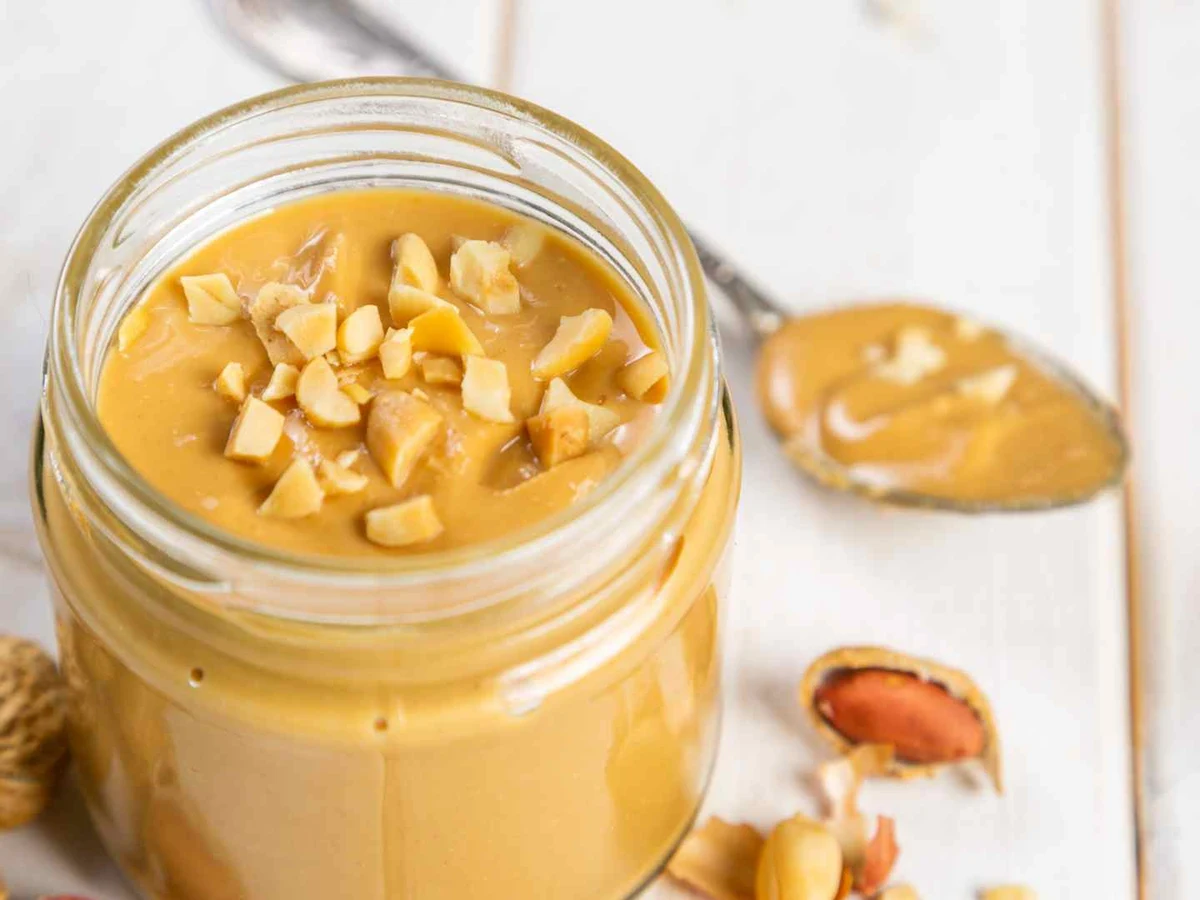
Nut fragments vary from fine grit to obvious half-peanuts and can become trapped in sticky paste. A cat that gulps may cough, gag, or struggle with a clump that a person would simply chew.
Breathing difficulty, blue-gray gums, collapse, frantic pawing at the mouth, or repeated unproductive retching requires emergency care. Do not sweep blindly through the throat, because you can push material deeper or be bitten.
Sticky food can create a frightening mouthful
Peanut butter adheres to the palate, teeth, fur, and whiskers, prompting exaggerated licking or pawing. Brief lip-smacking after a trace can reflect texture, but persistent drooling, distress, coughing, or inability to swallow is not a cute video moment.
Do not pour water or oil into a struggling cat’s mouth. A veterinarian can advise whether the cat needs immediate examination and how to transport it without increasing aspiration risk.
Xylitol requires a feline-specific boundary
Xylitol is a severe and well-established poison in dogs, which is why nut-butter labels deserve checking. The FDA says xylitol does not seem as dangerous for cats, so it is inaccurate to copy the dog mechanism and dose directly onto felines.
That uncertainty is not permission to feed a xylitol-containing product or ignore a mixed exposure. Call a veterinarian with the exact label, concentration if known, amount, and symptoms, because other ingredients and packaging may still matter.
Sugar-free does not identify the sweetener
A no-added-sugar spread might use no sweetener, or it might contain xylitol, erythritol, stevia, monk fruit, allulose, or a blend. Birch sugar and wood sugar are names consumers may see for xylitol.
Do not diagnose the jar from online lists of brands because formulas change and regional versions differ. Photograph the current ingredient panel and lot information instead.
Regular sugar is not a feline poison, but it adds no reason
Cats have no dietary requirement for table sugar, and sweetened spread adds calories to an already energy-dense food. An occasional trace is different from a daily spoon used for bonding or medication.
The FDA’s complete and balanced food overview explains why treats and table foods should not displace a formulated diet. Counting every lick matters more than arguing whether one ingredient is “natural.”
Fat raises calories without guaranteeing pancreatitis
Peanut butter is calorie-dense and may cause vomiting or diarrhea when a cat eats more than it tolerates. Regular servings can undermine weight loss and turn a pill-delivery trick into an unnoticed meal.
One small lick does not guarantee pancreatitis, and simplistic dog-style dietary stories should not be imposed on cats. Persistent appetite loss, lethargy, vomiting, weight loss, diarrhea, or apparent abdominal discomfort still warrants veterinary assessment.
Salt depends on the product and amount
Salted crunchy spread can contribute sodium, but a lick is not automatically salt toxicosis. A large exposure, concentrated salty companion food, restricted water, or relevant disease changes the calculation.
The Merck Veterinary Manual explains that excessive salt and water balance drive toxicity. Do not force large volumes of water after a serious exposure, because sodium correction needs professional control.
Natural peanut butter separates and spills
Oil rises to the top of many minimally processed jars, and an unstirred scoop may deliver mostly oil. A tipped jar can coat paws and fur, creating repeated ingestion during grooming.
Prevent licking, move the cat away from the slick floor, and ask a veterinary professional how to clean a heavily coated animal. Broken glass or a swallowed jar seal raises a separate emergency question.
Flavored spreads expand the ingredient list
Chocolate, cocoa, cinnamon, honey, maple, cookie, protein, and dessert-style peanut butters can contain ingredients absent from a plain jar. Chocolate deserves urgent amount-based advice because methylxanthines are toxic to cats.
Use the site’s chocolate guide when cocoa appears and save the entire label. A tiny brown smear should not be assumed to be plain peanut butter from color alone.
Sandwiches bring bread, jam, and sometimes raisins
A peanut-butter sandwich may include jelly, honey, banana, chocolate spread, raisin bread, seeded bread, or a toothpick. Inspect both slices and the prep area before deciding the jar was the only exposure.
Our bread guide helps with mix-ins and dough questions. If grapes or raisins are involved, seek prompt veterinary advice while acknowledging that feline evidence is less complete than the established canine risk.
Cookies and candy are dessert investigations
Peanut-butter cookies can contain chocolate chips, sweetener, butter, raw dough, and wrappers, while candy can add cocoa, caramel, nougat, foil, and paper cups. Crunchy texture does not identify which piece the cat swallowed.
Save the package, recipe, and remaining count. Product weight and pieces missing give a poison specialist a more useful maximum exposure than “a bit of candy.”
Using peanut butter for pills can backfire
A sticky coating can cause a tablet to lodge in the mouth, and a cat may eat the spread while spitting out the medication. It can also hide the fact that another pet swallowed a drug not prescribed to it.
Ask the prescribing veterinarian for a cat-appropriate pill technique or commercial pill wrap. If the wrong cat ate a medicated spoon, call with the drug name, strength, number of tablets, and time immediately.
Powdered peanut butter is not safer by default
Powder can become airborne, irritate eyes or nose, and still contain sugar, salt, flavor, or other ingredients. Once mixed, a person may add milk, sweetener, protein powder, or supplements.
Move the cat away from a dust cloud and seek care for persistent coughing, eye pain, or breathing changes. Read both the powder label and whatever liquid was used to reconstitute it.
Mold and rancidity change an old jar
Discard peanut butter with mold, a damaged seal, off odor, or questionable storage. High-fat foods can become rancid, and a contaminated product should not be assessed as though it were a fresh plain spoonful.
Keep the jar and lot code if multiple household members or pets become ill. The FDA explains why saving a pet-food lot number helps trace complaints, and the same record-keeping habit is useful for human foods.
Allergy is possible but should not be invented
A cat can react to a food protein, yet scratching after one lick does not prove peanut allergy. Facial swelling, hives, breathing difficulty, collapse, or repeated vomiting can signal a serious reaction and needs urgent care.
For chronic itching, ear disease, or digestive signs, a veterinarian may recommend a controlled elimination diet. Randomly removing and reintroducing foods makes the diagnostic pattern harder to interpret.
Which cats should skip the jar entirely?
- Kittens with small mouths and complete growth diets
- Cats with swallowing or dental disorders
- Cats on calorie-controlled or prescription diets
- Cats with chronic gastrointestinal disease or previous pancreatitis
- Cats with suspected food-responsive disease
- Any cat currently nauseated or refusing regular food
These cautions do not mean one lick guarantees harm in every listed cat. They mean the tiny pleasure has little value compared with preserving a measurable veterinary plan.
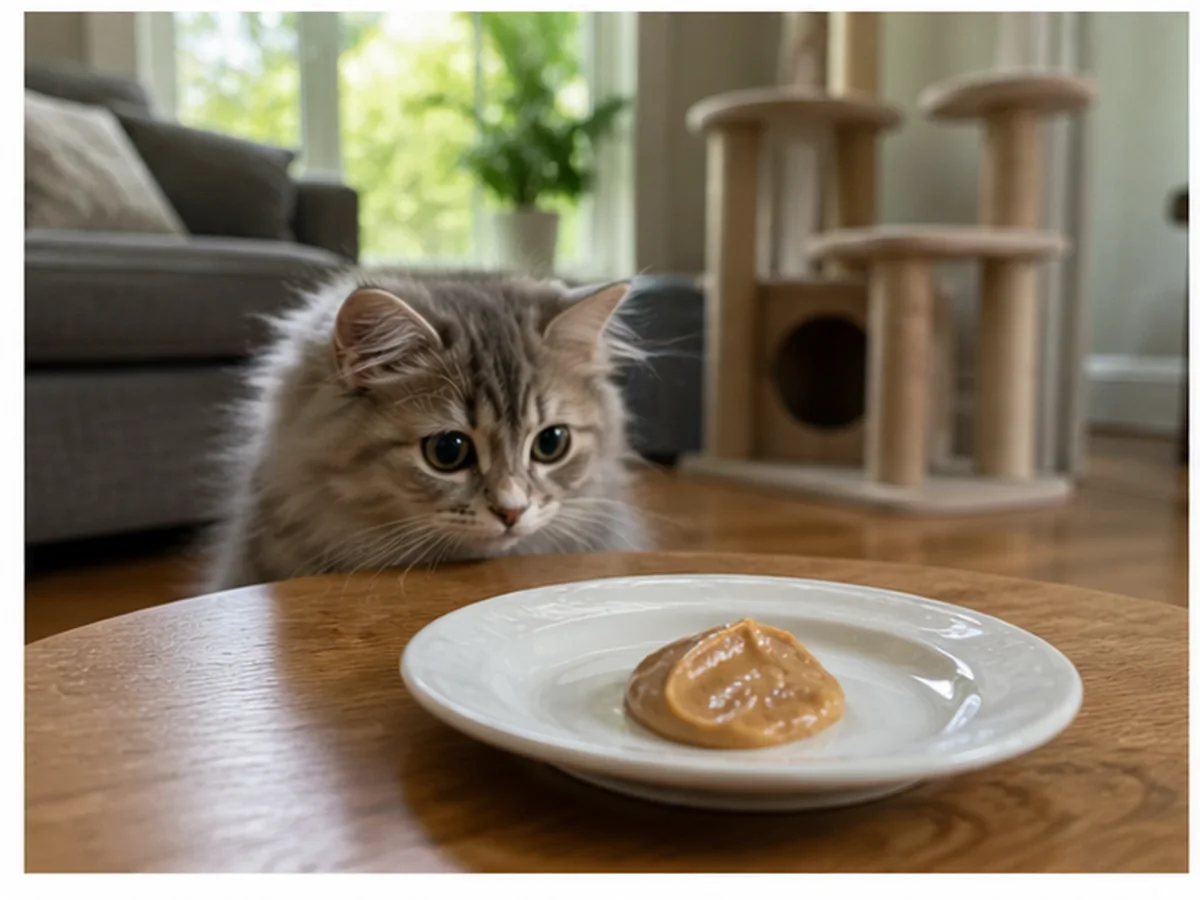
A calm response after a tiny ordinary lick
- Remove the jar and wipe the cat’s face only if it can be done safely.
- Read the current label for sweeteners, chocolate, salt, flavoring, and added oils.
- Check every piece of packaging and any medication that was nearby.
- Leave regular water and complete cat food available without forcing either.
- Observe swallowing, breathing, vomiting, stool, appetite, and energy as advised.
Do not induce vomiting with peroxide or salt, and do not chase sticky food with more oil. Call sooner for coughing, repeated gagging, a mouthful, an unfamiliar sweetener, chocolate, medication, or missing packaging.
Frequently asked questions
Can cats eat crunchy peanut butter?
A tiny lick of an ordinary product is unlikely to poison most healthy adults, but chunks and sticky paste make it a poor treat. Check the label and choose a cat-specific reward instead.
Is xylitol in peanut butter toxic to cats?
The severe dog response is not established in cats, and FDA says cats do not appear as susceptible. Avoid the product and call for exact label-based advice rather than transferring a canine dose.
Can I hide my cat’s pill in peanut butter?
Ask the prescribing veterinarian first because sticky spread can complicate swallowing and may let the cat eat around the tablet. A feline pill wrap or another technique may be more reliable.
What if my cat is choking on peanut butter?
Breathing difficulty, blue-gray gums, collapse, or frantic distress is an emergency. Do not pour water into the mouth or blindly push fingers into the throat.
Is natural crunchy peanut butter better?
It may have fewer ingredients, but it is still calorie-dense, sticky, and prone to oil separation. “Natural” does not supply a feline benefit or solve the chunk hazard.
Bottom line
Crunchy peanut butter is best kept as human food: sticky, calorie-dense, and physically awkward despite a generally low poisoning concern from one plain lick. Read each current label, respect xylitol’s cat-versus-dog evidence boundary, count packaging and medication, and call when breathing, amount, or ingredients create uncertainty.