Can Cats Eat Salt? Normal Sodium, Excess Exposure, Brine, and Salt Dough
Cats need sodium in carefully balanced food, but they should not be offered table salt or salty human snacks. A few stray crystals are different from licking a spill, drinking brine or seawater, eating salt dough, or entering a deicer bag, and significant exposure can become an emergency.
Begin with form, amount, and water access
Save the salt container, recipe, food package, deicer bag, craft dough, aquarium product, or photo and identify what the cat reached. Estimate teaspoons, licks, food fraction, and time.
Record sodium chloride, potassium chloride, curing salt, seasoning blend, brine, broth, seawater, baking product, or unknown crystals. Note vomiting, thirst, gait, behavior, and whether fresh water was available.
Call promptly for a meaningful amount, concentrated brine, salt dough, deicer, repeated vomiting, disorientation, tremors, seizures, collapse, or uncertain identity. Do not induce vomiting.
Sodium is essential inside a complete diet
Sodium supports fluid balance, nerve function, and other normal physiology. Commercial cat food supplies it as part of a nutrient profile rather than as a separate shaker-side supplement.
Cornell’s feeding overview explains why feline diets must be complete and balanced. More of an essential nutrient is not automatically healthier.
Do not sprinkle salt on meals for minerals, thirst, appetite, or urinary health unless a veterinarian has prescribed an exact plan.
A crystal and a spoonful are not equivalent
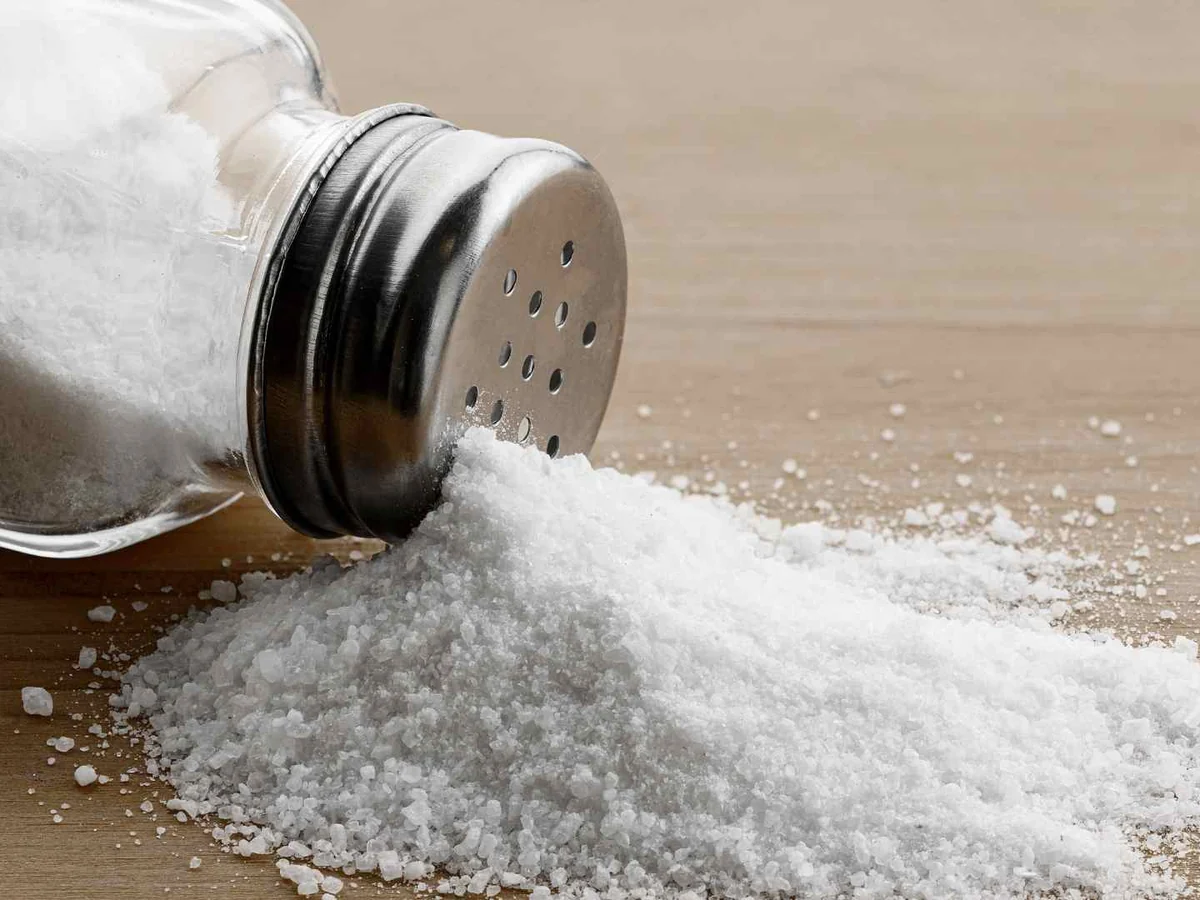
A healthy cat who licks a few table-salt grains may simply drink and remain well. A pantry spill, salt packet, brine bowl, or concentrated dough can deliver much more quickly.
Estimate with the original container rather than calling every exposure a pinch. Body size, amount, concentration, water availability, and medical history influence risk.
The FDA lists salt among potentially dangerous household items for pets and recommends prompt professional guidance after concerning ingestion.
What excessive sodium can do
A large sodium load can pull water between body compartments and disturb neurologic function. Vomiting and diarrhea can worsen fluid loss.
Marked thirst, weakness, disorientation, abnormal walking, tremors, seizures, coma, or collapse requires emergency care. Symptoms can progress rather than resolving after one drink.
Do not force large volumes of water because overly rapid correction can also be dangerous and a sick cat may aspirate. Follow veterinary fluid instructions.
Table, sea, kosher, and Himalayan salt
Crystal size, mineral traces, color, and culinary branding do not create a feline safety hierarchy. Sodium chloride remains the major component of common food salts.
Coarse crystals may be swallowed from floors or stuck to paws, while fine powder spreads and enters eyes or airways. Keep all forms closed and clean spills with the cat elsewhere.
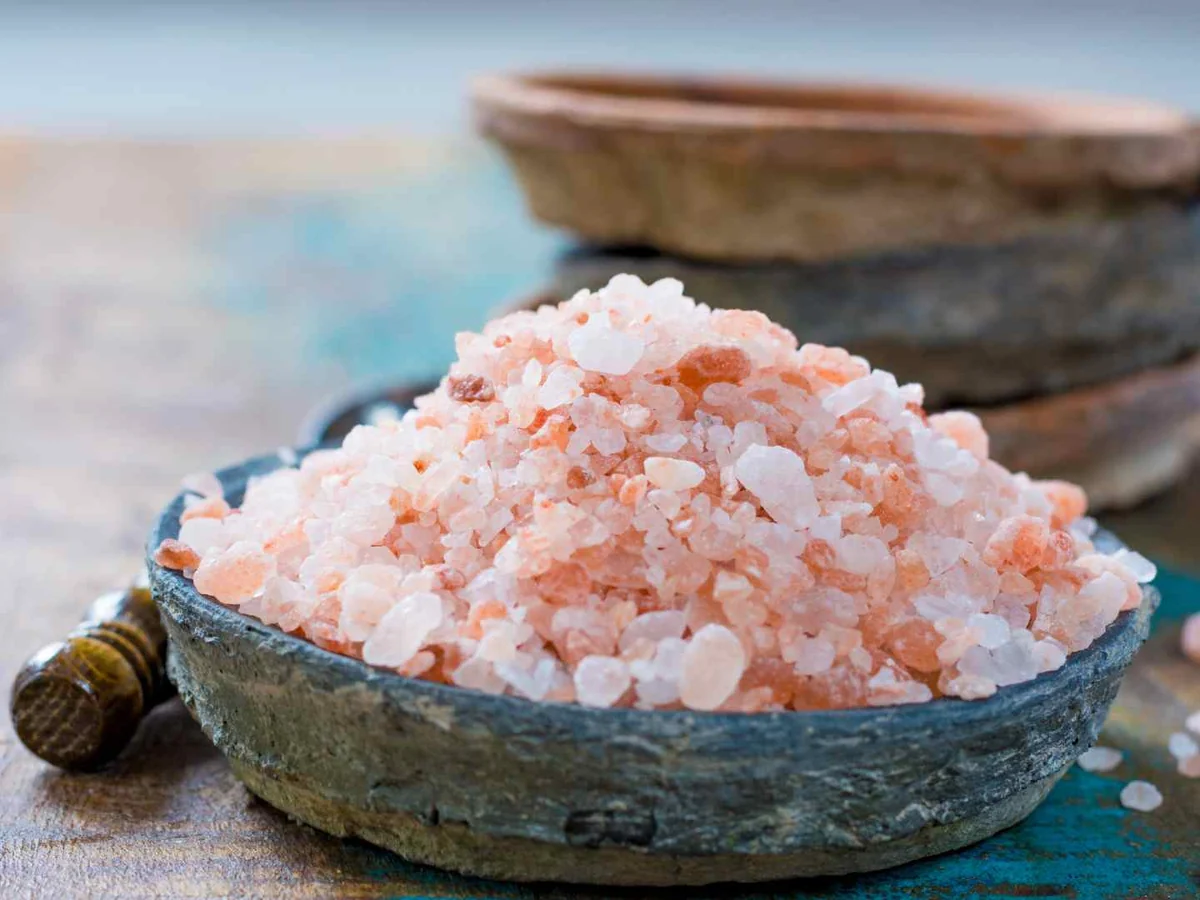
Pink or gourmet salt is not a balanced mineral supplement. Trace minerals cannot repair an incomplete homemade cat diet.
Potassium salt substitutes
Reduced-sodium salt may replace some sodium chloride with potassium chloride. Cats with kidney, heart, adrenal, or urinary disease can be sensitive to electrolyte changes.
Save the exact ingredient percentages and call after a meaningful ingestion. Do not assess a substitute using ordinary table-salt advice.
Human low-sodium marketing is not veterinary authorization. Prescription diets manage several nutrients together.
Brine is easy to lap
Pickle, olive, cheese, sauerkraut, canned fish, meat, and fermentation brines can contain substantial sodium plus vinegar, spices, garlic, onion, or microbial contamination. Liquid is consumed faster than crystals.
The cat sauerkraut guide covers fermented brine and alliums. Save the jar rather than estimating from taste.
Do not use salty broth to encourage water intake. Sudden or excessive thirst deserves veterinary assessment.
Salt dough combines sodium and foreign material
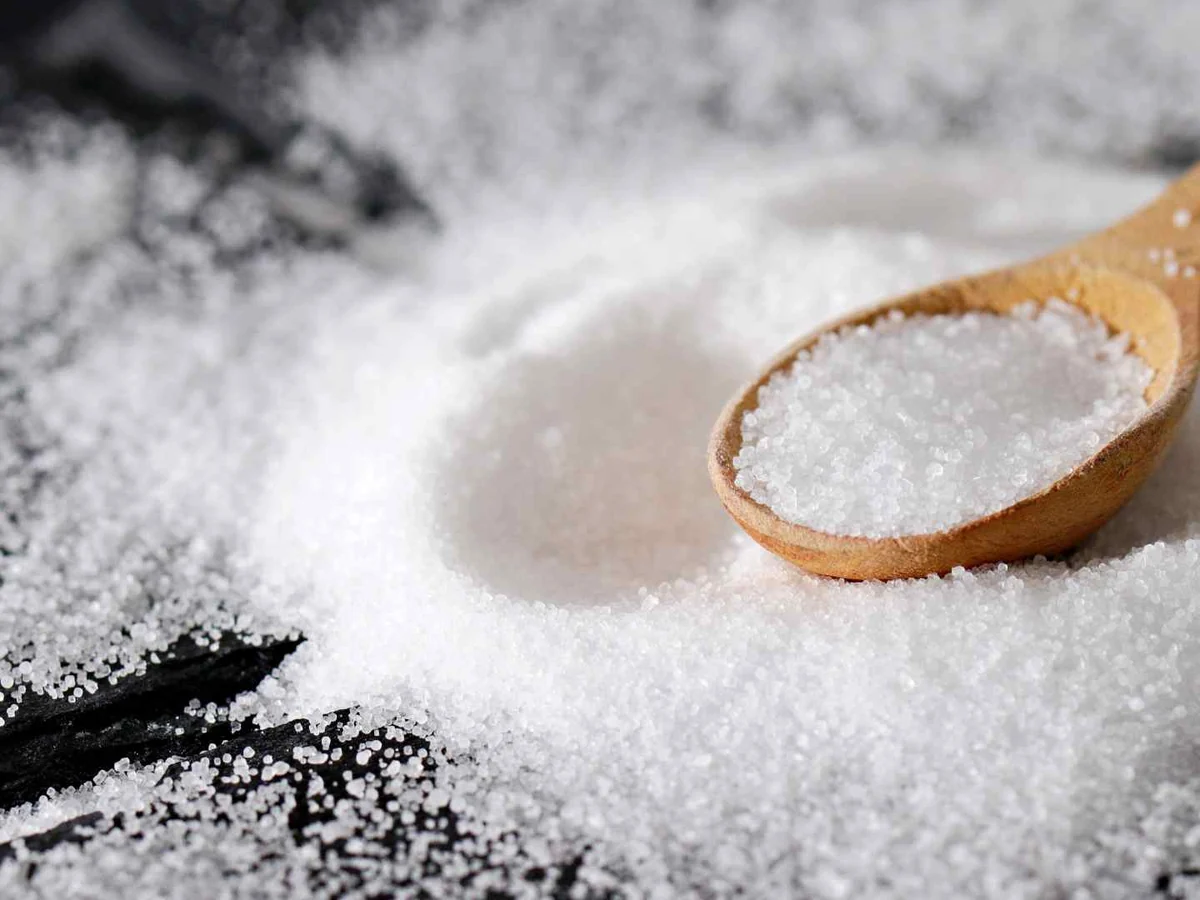
Craft salt dough often contains flour, salt, water, paint, glue, glitter, varnish, ribbon, wire, or hooks. Baked ornaments can be dense, while raw dough adds uncooked flour.
Photograph the ornament and weigh a matching piece when possible. Call immediately because the sodium concentration and nonfood attachments both matter.
The FDA explains that flour is raw before adequate baking. Do not feed bread or water to dilute craft dough.
Play dough and homemade sensory mixes
Commercial and homemade play compounds may contain salt, borax, fragrance, color, cream of tartar, oils, or unknown preservatives. Child-safe does not mean cat-edible.
Save the tub and recipe, including substitutions. A cat can swallow dough from a child’s hand or groom it from paws.
Prevent licking and call for repeated vomiting, thirst, weakness, tremors, or a missing tool. Clean fur only as directed when craft additives are involved.
Deicers and sidewalk salt
Ice-melt products can contain sodium chloride, calcium chloride, magnesium chloride, potassium chloride, or blends. Granules irritate paws and are swallowed during grooming.
Rinse or wipe paws according to product and veterinary instructions, and inspect for cracks or burns. Do not let the cat roam across treated surfaces.
Save the deicer bag and call after ingestion or persistent paw pain. Unknown blue or colored pellets require exact identification.
Seawater and saltwater pools
Drinking seawater can deliver a large sodium load, especially when a frightened or thirsty cat is trapped near water. Saltwater pools vary in concentration and may contain other chemicals.
Move the cat to safety, provide access to ordinary fresh water without forcing it, and call after more than a trivial taste or any sign. Near-drowning also creates aspiration risk.
Coughing, labored breathing, profound fatigue, vomiting, confusion, or neurologic change is urgent even when the cat initially walked away.
Curing salt is not table salt
Curing mixtures may contain sodium nitrite or nitrate and are often brightly colored to prevent culinary mistakes. They require product-specific poison assessment.
Do not apply table-salt estimates or wait for classic salt signs. Preserve the brand, concentration, and missing amount.
Keep curing products locked away during sausage or jerky preparation. A teaspoon left beside raw meat is especially attractive.
Salty snacks and seasoning blends
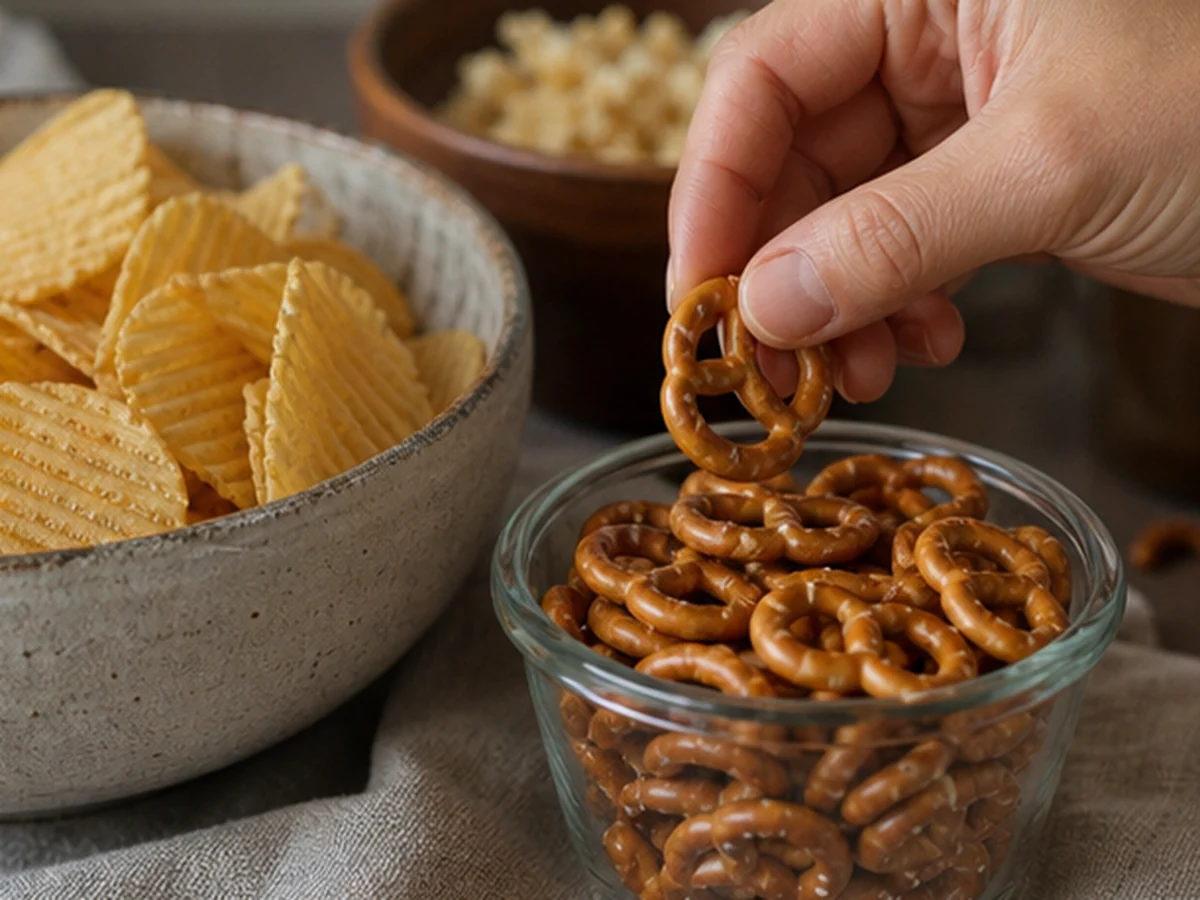
Chips, pretzels, crackers, popcorn, nuts, jerky, and seasoning packets combine sodium with fat, hard texture, alliums, chile, cheese, or packaging. The snack recipe matters.
The cat pretzel guide covers coarse salt, flavor coatings, dough, and bags. One crumb and a family-size raid are different.
The cat saltine guide helps with dry texture and sodium. Count freshness packets and torn film.
Vomiting does not justify homemade electrolytes
Salt-water emetics can cause dangerous sodium poisoning and should never be used to make a cat vomit. Peroxide and other home methods are also inappropriate unless a veterinarian directs them.
Cornell’s hydration resource explains that dehydrated cats may need precisely chosen clinical fluids. Kitchen recipes cannot diagnose electrolyte deficits.
Call a veterinarian or animal poison service before giving anything after an ingestion. The safest first step is information, not another substance.
Cats with kidney, heart, or endocrine disease
These cats may have altered fluid, sodium, or potassium needs and prescribed diets. A salty theft can complicate blood pressure, thirst, urine, or medication monitoring.
Do not change a therapeutic diet because a cat seems thirsty or bored. Ask the treating team about approved treats and water strategies.
A cat refusing food, vomiting, or drinking unusually deserves timely care. Salt should never be an appetite stimulant.
Watching after a few known grains
For a healthy adult that licked only a few ordinary table-salt grains, keep normal fresh water available and monitor vomiting, diarrhea, thirst, appetite, gait, energy, and behavior. Retain the container.
Call if signs appear, more is missing, or the product proves to be substitute salt, curing salt, deicer, brine, or craft dough. Update the veterinarian when the history changes.
Close shakers, clear craft tables, and store packets behind doors. The cat’s sodium belongs in balanced food, not in a countertop scavenger hunt.
Aquarium and water-softener salt
Aquarium salt, reef mixes, and water-softener pellets may look like pantry salt but differ in purity, crystal size, additives, and intended concentration. Save the original bag.
A tipped aquarium also brings dirty water, electrical equipment, glass, fish medication, and substrate. Move the cat away and disconnect power safely.
Call after ingestion, paw exposure with grooming, or any neurologic sign. Do not estimate from a table-salt container that was not involved.
Salt lamps and decorative crystals
Salt lamps combine a large mineral block with electrical cord, hot bulb, metal fittings, and sometimes loose chips. Repeated licking can become more than a few grains.
Unplug a damaged lamp before approaching and count missing fragments. Chewed cords, burns, or collapse needs emergency care.
Place decorative salt where a climbing cat cannot reach it. A lamp should never double as a mineral lick.
Repeated small salty foods
Several small handouts of deli meat, cheese, broth, crackers, and sauce can add up even when no one offered table salt directly. Families often remember only one snack.
Keep a shared treat log for cats on heart, kidney, urinary, or weight plans. Tell the veterinarian every likely source during an exposure.
Use measured complete cat treats instead of assembling a salty tasting menu. This preserves both calories and medical consistency.
FAQ
Do cats need sodium?
Yes, but it should come in the controlled nutrient balance of complete cat food, not added table salt.
What if my cat licked a little salt?
A few ordinary grains may require only monitoring, but call for symptoms, a larger amount, or an uncertain product.
Can salt water make a cat vomit?
Never use it as an emetic. Salt water can cause life-threatening sodium poisoning and worsen the emergency.
Is salt dough dangerous to cats?
Yes. It can deliver concentrated sodium and may include raw flour, paint, glue, glitter, wire, or ribbon.
Bottom line
Sodium is essential inside balanced cat food and hazardous when concentrated or excessive. Distinguish a few grains from brine, salt dough, deicer, seawater, curing mixtures, and substitute salt, then let a veterinarian direct fluids and monitoring.