Can Dogs Eat Peas? Fresh, Frozen, and Diet Questions
Yes, most healthy adult dogs can eat a few plain green peas. Fresh, thawed, or gently cooked peas are the simplest choices, while canned peas, seasoned dishes, hard frozen handfuls, and tough pods require more caution.
A spoonful of peas as an occasional treat is not the same nutritional question as a complete diet containing concentrated pea ingredients near the top of its label. That distinction matters when discussing ongoing research into diet-associated heart disease.
Which peas can dogs eat?
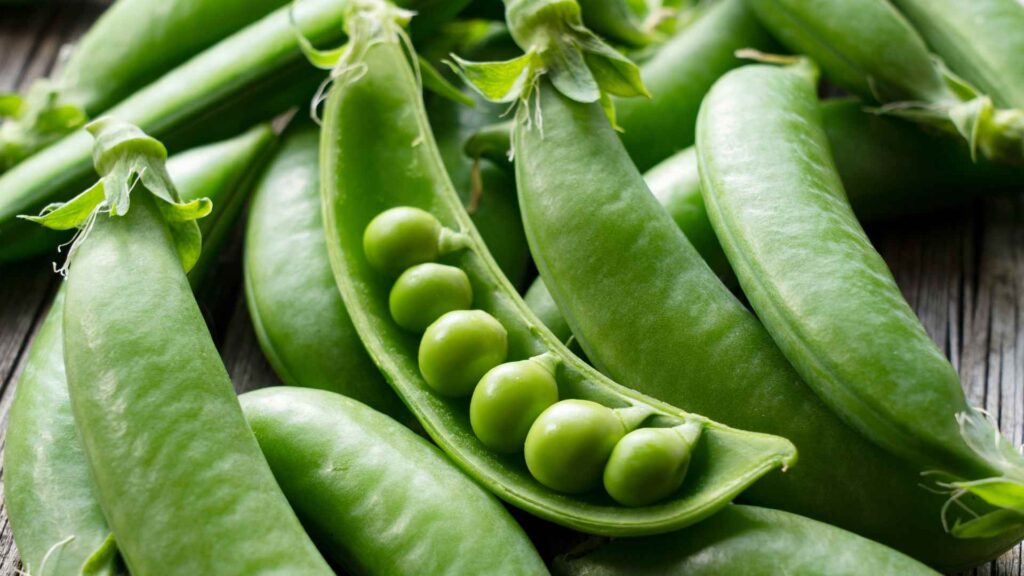
Garden peas, also called English peas, are usually served shelled, while snow peas and sugar snap peas have edible pods for people. Dogs can tolerate small plain amounts of these common green peas, but edible to a person does not automatically mean the pod is a smart shape for every dog.
- Fresh peas: Wash, shell garden peas, and offer only a few at first.
- Frozen peas: Choose a plain product, thaw or cook it, and avoid icy handfuls for small or gulping dogs.
- Cooked peas: Steam, boil, or microwave without butter, salt, oil, stock, or seasoning.
- Canned peas: Usually contain unnecessary sodium and may include other flavorings, so fresh or frozen is easier.
- Dried peas and snacks: Check hardness, salt, fat, seasoning, and whether the product is meant for dogs.
The American Kennel Club’s nutrition guidance identifies fresh and frozen green peas as occasional options and cautions against sodium-heavy canned peas. It also recommends watching for vomiting or diarrhea after a new food.
How to prepare peas without making them complicated
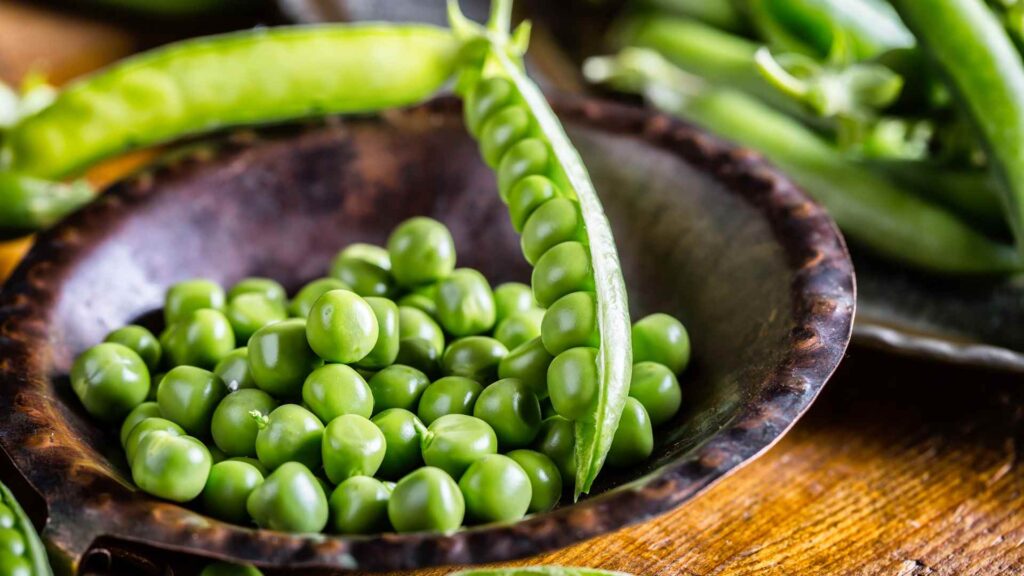
- Inspect and rinse. Discard moldy, slimy, spoiled, or badly damaged peas and pods.
- Shell garden peas. Their fibrous pods are not the tender edible pods sold as snow or snap peas.
- Cook plainly if needed. Tender peas are easier for puppies, seniors, and dogs with modest chewing difficulty.
- Cut edible pods. Remove stringy ends and slice across the pod so it cannot be gulped as a long strip.
- Offer a tiny test. Introduce peas alone and wait until the next day before repeating them.
Mashing peas is fine for a dog that struggles with round foods, but do not confuse texture modification with permission to feed a large portion. A green smear across the bowl can hide how many extras have been added.
Are pea pods safe?
Snow and sugar snap pea pods are eaten by people, but the string and shape can still be awkward for a dog. Garden pea pods are tougher and should be discarded securely rather than offered as chews.
Call if a dog swallowed a large wad of tough pods and develops repeated vomiting, appetite loss, lethargy, or abdominal pain. The Merck Veterinary Manual lists those among possible gastrointestinal obstruction signs.
What peas add, and what they do not
Peas provide fiber, plant protein, vitamins, and minerals, but a complete dog food already accounts for a healthy dog’s nutrient needs. Sprinkling vegetables over dinner is not a reliable way to correct a deficiency or improve an unbalanced homemade recipe.
Too many peas may cause gas, bloating, loose stool, or vomiting, especially when introduced suddenly. Dogs with chronic gastrointestinal disease, food-responsive illness, or a prescription diet need advice specific to their condition.
If your goal is weight loss, use the veterinarian’s calorie target rather than replacing an arbitrary scoop of food with peas. The dog still needs adequate protein, essential fats, vitamins, minerals, and other nutrients while calories come down.
Peas and canine dilated cardiomyopathy
Dilated cardiomyopathy, or DCM, is a disease in which the heart muscle becomes enlarged and pumps poorly. Reports of non-hereditary DCM prompted the FDA to investigate diets that often had peas, lentils, other pulses, or potatoes high in their ingredient lists.
The FDA says the science is complex and may involve ingredient amounts, processing, formulation, nutrient bioavailability, genetics, and other factors. It does not say that a few green peas offered as treats cause DCM.
This distinction prevents two bad conclusions: declaring every pea dangerous, or declaring every pea-heavy diet safe because peas are ordinary vegetables. Treat-level exposure and long-term complete-diet formulation are not interchangeable.
An earlier FDA update described reports involving foods with a high proportion of peas and other pulses among the leading ingredients. Owners choosing a main diet should discuss the complete product, manufacturer expertise, feeding history, and their dog’s risk factors with a veterinarian.
When to discuss the main diet
- Peas, pea protein, pea starch, or several pulse fractions appear high in the ingredient list.
- The diet is grain-free or uses an unconventional formulation without a medical reason.
- Your dog has a breed or family risk for heart disease.
- Your dog develops reduced stamina, coughing, rapid breathing, weakness, fainting, or a swollen abdomen.
Do not abruptly change a medically necessary diet or stop heart medication based on an ingredient list alone. Bring the bag, lot information, feeding amount, treats, supplements, and diet history to the veterinarian for a complete review.
Questions to ask about a pea-heavy dog food
Ask who formulates the food, what nutrition credentials that person holds, whether the company owns its manufacturing facilities, and how it verifies the finished diet. Ingredient-list marketing cannot tell you whether nutrients remain available after processing or whether every batch matches the formulation.
Request typical nutrient analysis, calorie content, feeding-trial information, and quality-control procedures rather than accepting “premium” or “holistic” as evidence. A transparent manufacturer should be able to answer technical questions without turning the conversation into a grain-free sales pitch.
If a veterinarian recommends changing food, ask how to transition and what symptoms or measurements to track. A gradual switch is often easier on the gut, but a medically urgent situation may require a different schedule set by the clinician.
Split peas, pea flour, and pea protein
Split peas are dried seeds, while pea flour, starch, fiber, and protein are processed fractions with different nutritional roles. They are not equivalent to counting a few whole green peas in a treat toy.
Several pea fractions can appear separately on one label, which makes their combined prominence hard to judge by rank alone. That is another reason to discuss the complete formulation and manufacturer data instead of diagnosing a food from one ingredient.
Pea dishes that dogs should skip
Buttered peas, creamed peas, pea soup, pot pie filling, fried snacks, and seasoned vegetable medleys can add onion, garlic, salt, fatty meat, cream, or rich sauces. Frozen blends may arrive pre-seasoned even when the front of the bag looks simple.
Pea protein powders and human supplements are concentrated products that may include sweeteners, caffeine, chocolate flavors, herbs, or other active ingredients. Do not add them to dog food unless the veterinary team has reviewed the exact product.
Edamame is a different soybean preparation, so use our edamame guide rather than transferring pea advice. The same goes for lima beans, which require their own preparation rules.
What to do after a pea raid
- Identify the food. Note fresh, frozen, canned, dried, podded, seasoned, or part of a mixed recipe.
- Read every ingredient. Look for onion, garlic, xylitol, chocolate, raisins, salt, alcohol, and heavy fat.
- Estimate amount and timing. Include missing pods, packaging, skewers, or cans.
- Call when appropriate. Toxic ingredients, large amounts, swallowed packaging, medical vulnerability, or symptoms deserve professional advice.
- Monitor as directed. Watch appetite, energy, vomiting, stool, breathing, and belly comfort.
Do not induce vomiting or give human medication unless a veterinarian or poison specialist tells you to. A few plain peas usually need no treatment, but the sauce or container can completely change that answer.
How peas fit into the treat budget
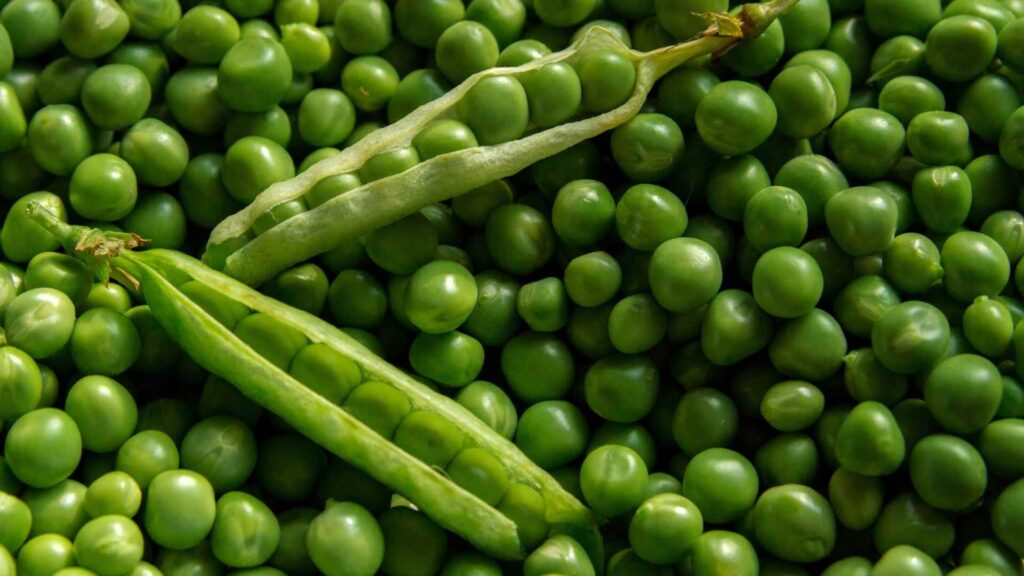
Start with two or three individual peas for a healthy adult dog rather than a spoonful. If they pass the digestive test, an occasional small scatter can work as training rewards or a crunchy find in a puzzle toy.
The World Small Animal Veterinary Association recommends that treats provide no more than 10% of daily calories. Dogs on food trials or therapeutic diets may need the clinic’s approved treats only.
Other easy vegetable rewards include tiny pieces of green bean, carrot, or zucchini. Each should be plain, prepared for safe chewing, and introduced one at a time.
Frequently asked questions
Can puppies eat peas?
A weaned puppy may tolerate a few soft plain peas, but extras should stay minimal so they do not displace a complete growth diet. Mash round peas for a puppy likely to inhale them.
Can dogs eat canned peas?
Fresh or plain frozen peas are easier because canned versions commonly add sodium. Rinsing can remove some surface liquid but does not make the product necessary.
Can dogs eat chickpeas?
Chickpeas are a different pulse and should be assessed separately, particularly when served as hummus with garlic, lemon, salt, and oil. Do not treat “pea” as one universal recipe category.
The bottom line
A few plain green peas can be a reasonable occasional treat for many healthy dogs. Prepare them for safe swallowing, avoid salty or seasoned dishes, and discuss pea-heavy complete diets with a veterinarian without confusing ongoing DCM research with a claim that a few peas are poisonous.