Can Dogs Eat Cupcakes? Cake, Frosting, Chocolate, and Wrappers
Cupcakes are not dog treats, although a tiny bite of plain vanilla cake is usually more of a calorie problem than a poisoning emergency. The frosting, chocolate, sweetener, filling, and paper liner are what make me stop and read the label before calling a cupcake “just cake.”
Count cupcakes, liners, and flavors separately
- Count how many cupcakes are missing and how large they were.
- Identify the cake flavor, frosting, filling, and toppings.
- Check for cocoa, dark chocolate, xylitol, coffee, raisins, macadamias, or alcohol.
- Count missing paper, foil, silicone, or plastic liners.
- Look for toothpicks, candles, toppers, skewers, or other decorations.
- Record your dog’s weight, timing, and any symptoms.
A mini cupcake and a bakery cupcake with a frosting tower the height of a small lighthouse are not comparable servings. I would describe the actual size instead of trusting the word “one.”
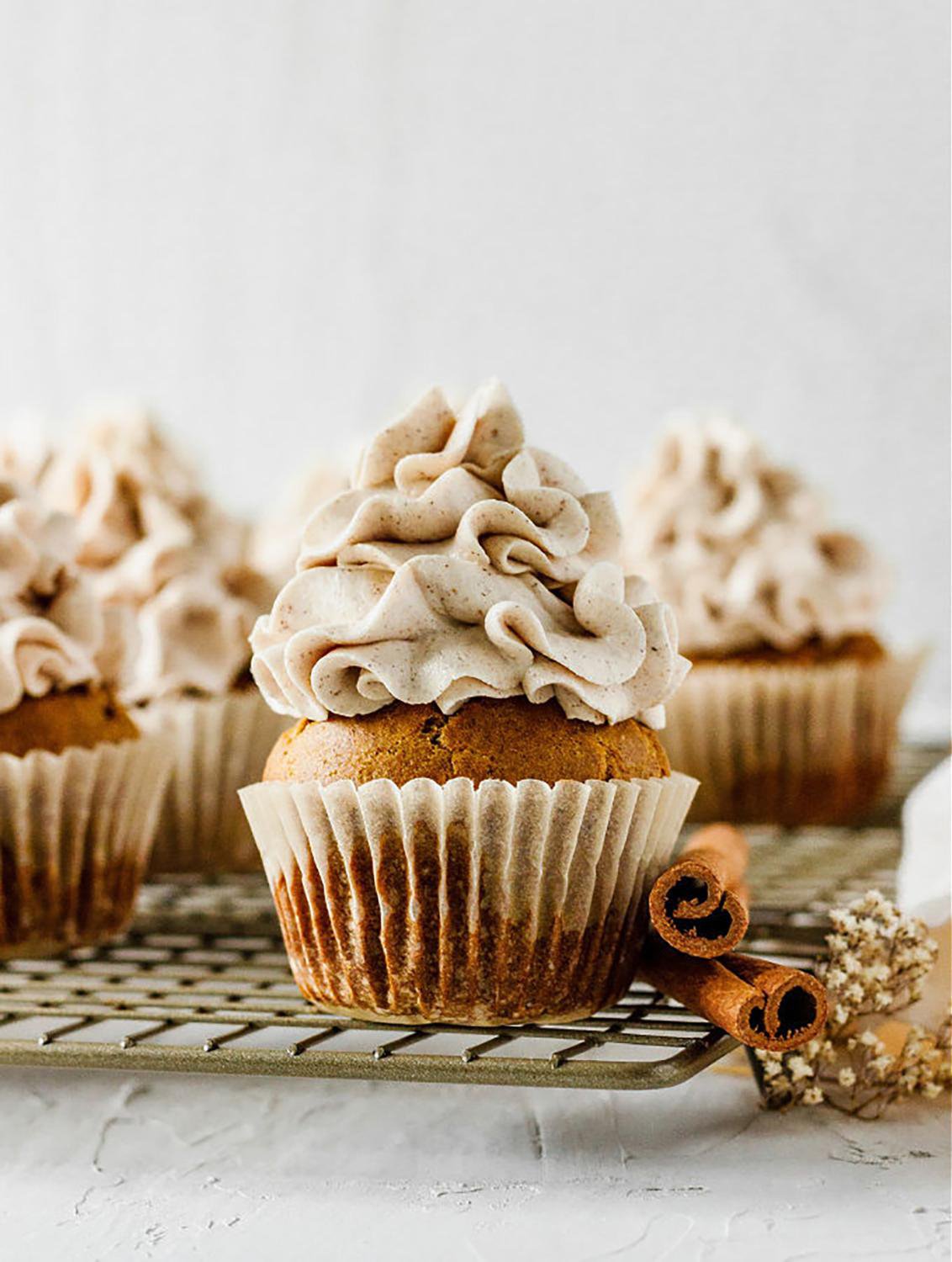
Plain vanilla cupcake is usually a rich-food issue
A standard vanilla cupcake is made from flour, sugar, eggs, butter or oil, milk, leavening, and flavoring. Those ingredients are not classic canine toxins in ordinary baked amounts, but the finished cupcake is high in calories and often high in fat.
A small bite may cause no problem in a healthy dog, while several cupcakes can cause vomiting, diarrhea, gas, or abdominal discomfort. Dogs prone to pancreatitis can have trouble after much smaller rich-food binges than their enthusiasm suggests.
I would not turn a low-toxicity bite into a regular sharing habit. A normal dog treat is easier to portion and does not require a bakery ingredient audit every time.
Chocolate cupcakes can contain more cocoa than they look like
Chocolate cupcakes may use cocoa powder, melted baking chocolate, dark chocolate, chips, or combinations of all four. Cocoa powder and unsweetened baking chocolate are concentrated in theobromine and caffeine, the methylxanthines responsible for chocolate poisoning in dogs.
The cupcake crumb and frosting both contribute to the total dose. Our chocolate cake guide explains why dense recipes and rich frosting deserve more attention than a lightly flavored cake.
Chocolate-related signs can include vomiting, diarrhea, restlessness, increased thirst or urination, rapid or abnormal heart rate, panting, tremors, overheating, seizures, weakness, and collapse. Call promptly after a meaningful concentrated chocolate exposure.
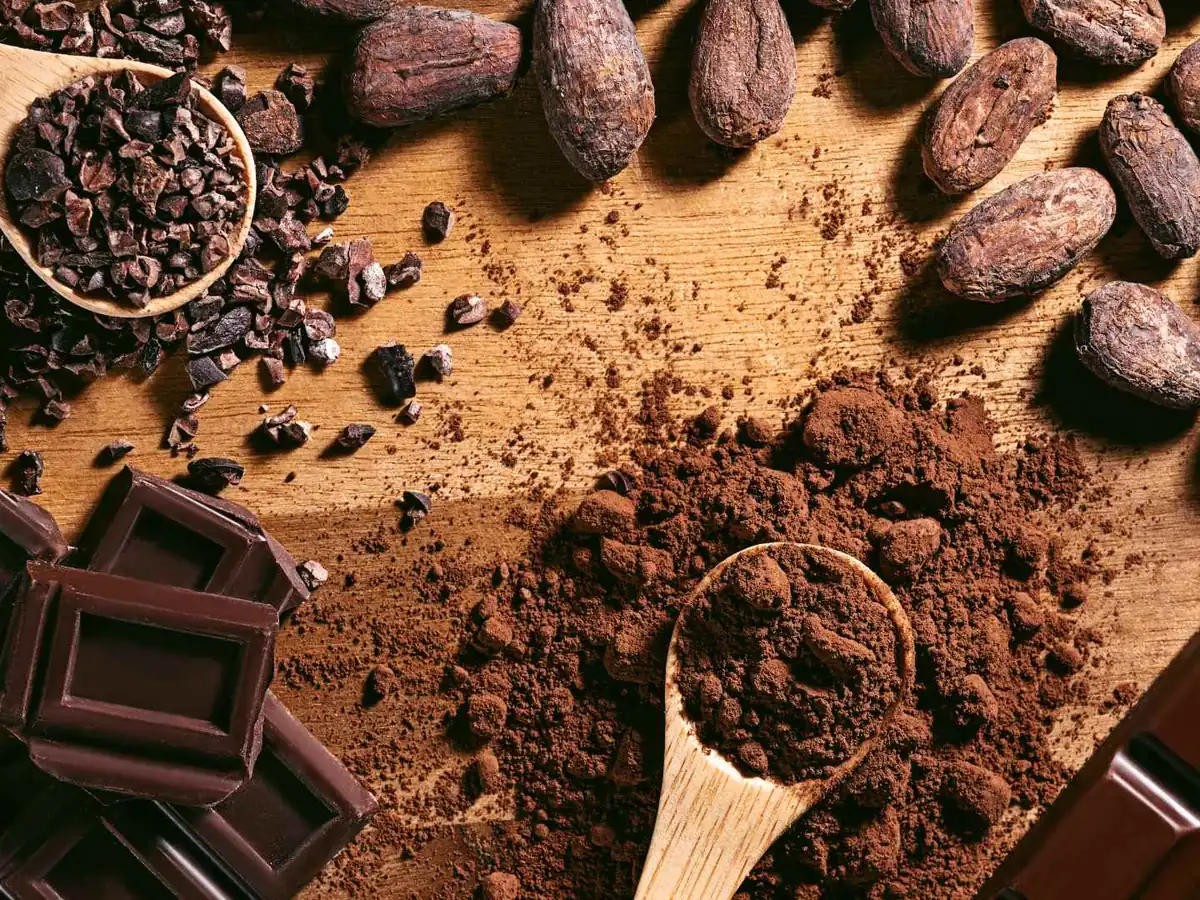
Frosting can be half the cupcake
Buttercream, cream-cheese frosting, ganache, whipped cream, and fudge icing can add a large amount of fat and sugar. Chocolate or coffee frostings can add more methylxanthines or caffeine, while sugar-free icing can introduce xylitol.
If the dog mostly ate the frosting, do not assume that makes the exposure smaller. Our frosting guide covers why the icing itself can be the most important part of the story.
Sugar-free cupcakes require a xylitol check
Some keto, low-carb, and diabetic-style cakes or frostings use sugar alcohols. If xylitol is present, dogs can develop dangerous hypoglycemia and, after larger exposures, serious liver injury.
Call immediately when xylitol appears anywhere in the recipe, even if the cupcake contains no chocolate. Our xylitol guide covers why the exact sweetener and dose matter.
Red velvet still contains cocoa
Red velvet cake typically contains cocoa, though often less than a deeply chocolate cake. The amount varies by recipe, and cream-cheese frosting adds fat and dairy.
A tiny red-velvet crumb is unlikely to create the same chocolate dose as a dense dark cupcake, but several large cupcakes deserve a recipe check. Color does not tell you how many tablespoons of cocoa went into the batch.
Coffee and mocha cupcakes can add caffeine
Espresso cupcakes, tiramisu cupcakes, and mocha frosting may contain brewed coffee, instant espresso powder, coffee extract, or chocolate-covered coffee pieces. Concentrated caffeine can affect a dog’s heart and nervous system.
Report the coffee ingredient and amount along with the chocolate. Our coffee guide covers why grounds, beans, and concentrated powders are more concerning than a small amount of weak brewed coffee.
Fruit-filled cupcakes need the fruit identified
Strawberry, blueberry, raspberry, lemon, and apple fillings are generally more likely to cause sugar-related stomach upset than poisoning in small amounts. Raisins, grape jelly, or grape-derived currants are different because grape products can cause acute kidney injury in dogs.
If a filling is dark and sticky, use the label instead of guessing. I would not put kidney safety on the line because a purple center “probably looked like blueberry.”
Nut toppings can hide macadamias
Macadamia nuts can cause weakness, vomiting, tremors, depression, and increased body temperature in dogs. Other nuts are not equivalent to macadamias, but they can add fat, salt, mold concerns, and choking risk.
Chocolate-hazelnut frosting is mostly a chocolate-and-fat question, while white-chocolate macadamia cupcakes add a dog-specific nut toxicosis concern. Name the nut instead of reporting a generic “nut topping.”
Cupcake liners are easy to swallow
Paper liners are often eaten with the cake, especially when frosting and crumbs are stuck to them. One thin paper liner may pass without drama, but several liners, foil cups, silicone liners, or plastic wrappers can create choking or gastrointestinal obstruction risk.
Persistent vomiting, retching, abdominal pain, refusal to eat, bloating, marked lethargy, or inability to keep water down after swallowed packaging deserves veterinary evaluation. Count liners during the first assessment rather than waiting to see what reappears.
Toppers, candles, and toothpicks matter more than sprinkles
Plastic decorations, toothpicks, wooden skewers, candles, wire toppers, and ribbon can cause mouth injury, puncture, obstruction, or linear foreign-body problems. Sharp or long objects deserve prompt veterinary advice even if the cupcake itself was plain.
Do not pull string, wire, or another long object if it is protruding and seems stuck. A veterinarian should assess the object rather than turning a cupcake theft into a preventable internal injury.
Rich cupcakes can still trigger pancreatitis
Butter, oil, cream cheese, ganache, peanut butter, coconut, and heavy frosting can create a substantial fat load. A large binge can lead to vomiting, diarrhea, abdominal pain, poor appetite, or pancreatitis in susceptible dogs.
Dogs with previous pancreatitis or prescribed low-fat diets deserve case-specific advice. A cupcake does not have to contain a toxin to make the next day unpleasant.
Do not automatically induce vomiting
Whether vomiting is appropriate depends on the ingredients, amount, timing, symptoms, medical history, and swallowed objects. A weak, trembling, poorly coordinated, seizing, or breathing-impaired dog can aspirate.
Do not use salt, mustard, oil, or fingers. If a veterinary professional specifically directs hydrogen peroxide for a suitable dog, follow the exact instructions for that case.
Party cupcakes are a prevention problem more than a training test
During parties, cupcakes migrate to coffee tables, couch arms, kids’ plates, and napkins on the floor. Put dessert in one controlled serving area and clear abandoned plates quickly rather than expecting a dog to ignore frosting at nose height.
I am much more interested in changing the environment than proving a dog can resist a cupcake. Human willpower around frosting is inconsistent enough, and I am not holding the Labrador to a higher standard.
Frequently asked questions
My dog ate one vanilla cupcake. Is that dangerous?
One small plain cupcake without xylitol or dangerous fillings is unlikely to cause poisoning in most medium or large healthy dogs, though stomach upset is possible. A very small dog, large cupcake, or pancreatitis history deserves more caution.
Can dogs eat chocolate cupcakes?
They should not. Cocoa powder, dark chocolate, chocolate frosting, and chips can contribute methylxanthines, and the risk depends on recipe, amount, and dog weight.
What if my dog ate the cupcake liner too?
One thin paper liner may pass, but multiple liners, foil cups, silicone, or plastic can create choking or obstruction concerns. Call for persistent vomiting, abdominal pain, refusal to eat, or uncertainty about a larger swallowed object.
Can dogs eat dog-friendly cupcakes?
A recipe specifically designed for dogs can be appropriate if ingredients and calories fit your dog’s diet. Portion still matters, and dogs with medical conditions may need a veterinarian-approved recipe.
Bottom line
Cupcake risk depends on far more than cake flavor. Check the frosting, chocolate, sweetener, filling, nuts, coffee, liners, and decorations, then scale your response to the amount and your dog’s size and medical history instead of assuming every cupcake theft is either harmless or catastrophic.