Can Dogs Eat Jelly? Labels, Grape Risk, and Xylitol
Jelly is not one predictable food, so the label decides whether a dog needs simple observation or urgent help. One lick of ordinary strawberry jelly is usually a sugar-and-stomach issue, while xylitol, grape ingredients, alcohol, chocolate, medication, a large amount, or a swallowed lid can make the same-looking spoonful far more serious.
First, identify what “jelly” means
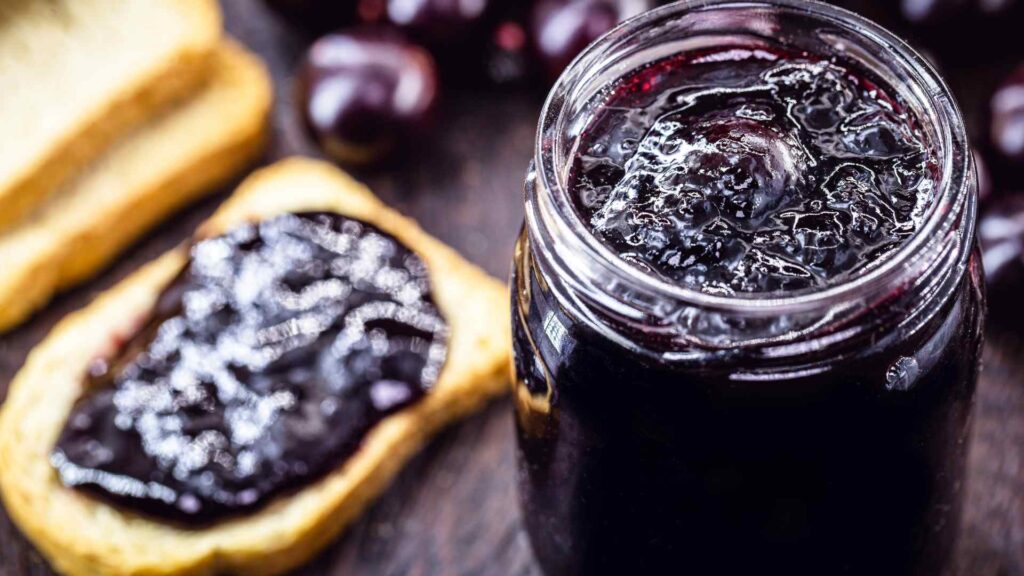
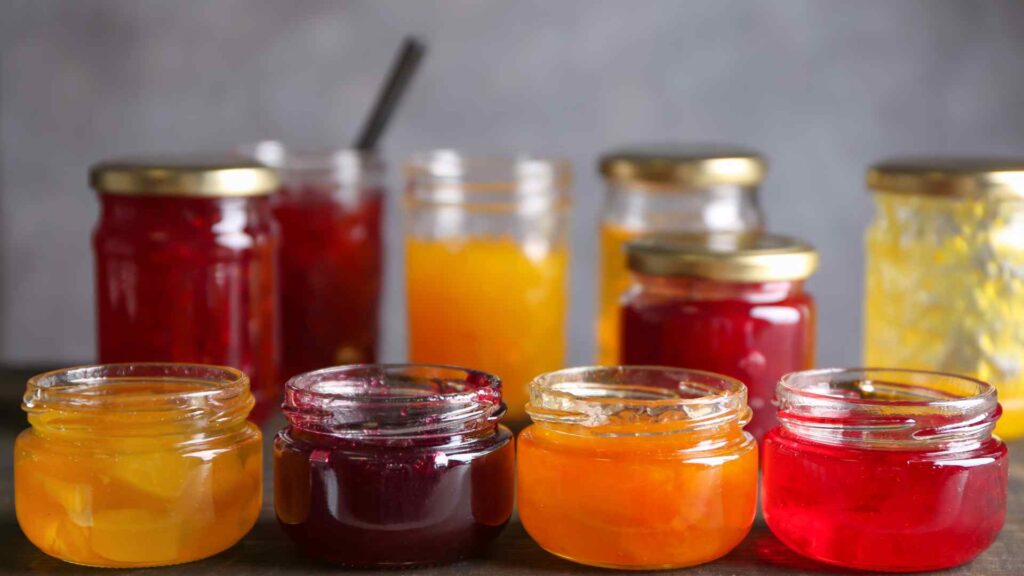
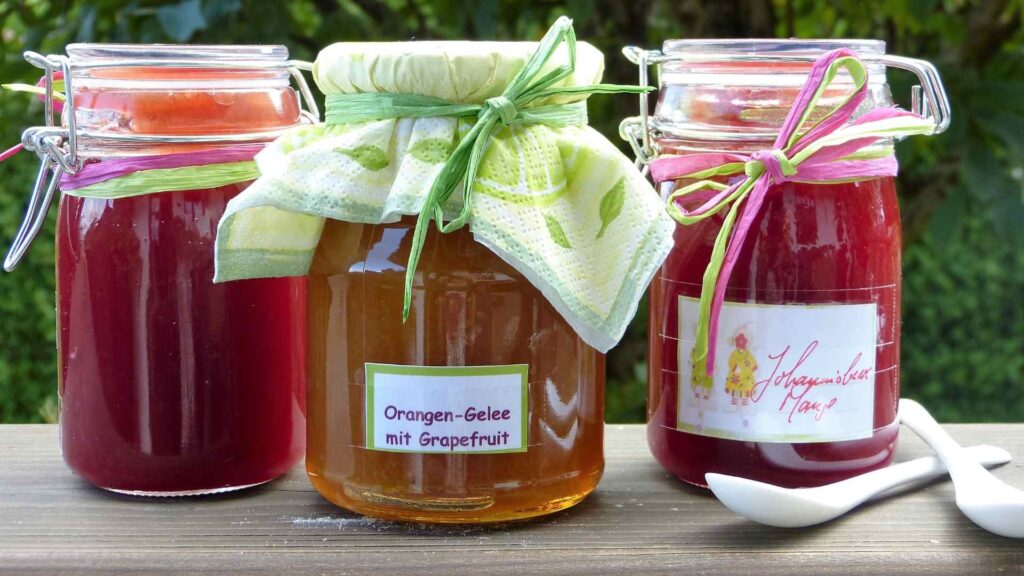
In the United States, jelly usually means a fruit spread made from juice, sugar, acid, and pectin. Elsewhere, the same word may mean a gelatin dessert, and specialty jars may be pepper jelly, wine jelly, herbal jelly, reduced-sugar preserves, or a supplement.
Save the exact container and photograph every label panel. Brand, flavor, sweetener, batch, amount missing, time, dog’s weight, health conditions, medicines, symptoms, and missing packaging are the details a veterinary team can actually use.
An ordinary fruit-jelly lick
A healthy dog that licked a small smear of conventional non-grape jelly and remains normal can often be watched after every ingredient is checked. Remove access, offer normal fresh water, and continue the usual complete diet.
Ordinary sugar is not xylitol, but concentrated sweetness can still cause nausea, vomiting, loose stool, and unnecessary calories. A jar raid is different from a fingerprint-sized taste.
Sugar-free demands a word-by-word check
Sugar-free does not identify the sweetener, and “no sugar added” does not guarantee a product is xylitol-free. Look specifically for xylitol, birch sugar, wood sugar, and birch bark extract each time because recipes can change.
The FDA specifically lists sugar-free jams and jellies among products that may contain xylitol. Suspected xylitol exposure requires immediate veterinary or animal poison-control contact, even before symptoms appear.
Why xylitol cannot wait
Xylitol can trigger a rapid insulin release in dogs, causing dangerous low blood sugar, and larger exposures may injure the liver. Vomiting, weakness, reduced activity, wobbliness, shaking, collapse, seizures, or unusual bleeding are urgent signs.
Do not induce vomiting or give syrup, honey, food, or insulin unless a veterinarian directs it for this dog. Our sugar guide explains why ordinary sugar and xylitol require completely different responses.
Grape jelly needs product-specific advice
Grapes and raisins are associated with acute kidney injury in some dogs, and sensitivity varies. The Merck Veterinary Manual explains Vitis toxicosis and its proposed tartaric-acid mechanism.
A grape-flavored candy with no grape-derived ingredient is not the same exposure as a spread made with grape juice or concentrate. If the jar lists grape juice, grape concentrate, raisins, currants of the Vitis type, or an unclear natural flavor after a meaningful amount, call promptly rather than estimating safety from color.
Do not wait for kidney signs
Vomiting or diarrhea may occur first after grape exposure, followed by appetite loss, weakness, abdominal pain, increased thirst, or changes in urination. Kidney injury can develop later, so a normal-looking dog immediately after the theft does not settle the question.
Bring the label and amount estimate to the call. Our raisin guide covers concentrated dried fruit and mixed-food exposures in more detail.
Currant labels can be confusing
Zante currants are dried grapes and belong to the Vitis risk, while true black, red, or white currants are Ribes fruit. A jar labeled only “currant jelly” may not make the species obvious.
Check the botanical or ingredient description and manufacturer information rather than assuming. If identity remains uncertain after a meaningful theft, let a veterinary toxicology service assess the actual product.
Other fruit flavors
Strawberry, raspberry, blackberry, blueberry, apricot, peach, apple, and cranberry spreads are not interchangeable, but a conventional small lick is usually dominated by sugar and gastrointestinal tolerance. Pits, seeds, whole fruit pieces, spices, sweeteners, and mixed flavors still matter.
Our dried-cranberry guide explains why trail mixes and added sweeteners need a full label review. Jelly does not deliver a reliable urinary, antioxidant, immune, or vitamin treatment.
Pepper jelly and savory preserves
Hot-pepper jelly can irritate the mouth and gastrointestinal tract, while savory recipes may add onion, garlic, chives, mustard, salt, or alcohol. Concentrated capsaicin can cause drooling, pawing at the mouth, vomiting, diarrhea, and eye irritation.
Do not try to neutralize spice with oil, salt, or forced milk. Rinse exposed skin or eyes only as a veterinary professional directs and seek urgent care for breathing difficulty or severe eye pain.
Wine, rum, and cocktail jellies
Some gourmet preserves include wine, spirits, liqueur, or uncooked alcohol flavoring. The amount left after manufacturing varies, and a dog that ate a jar deserves recipe-specific advice rather than the assumption that all alcohol cooked away.
Wobbliness, unusual sleepiness, vomiting, low body temperature, tremors, slow breathing, collapse, or seizures after an alcohol-containing product is urgent. Do not use coffee, exercise, a cold shower, or food to “sober up” a dog.
Chocolate and coffee spreads
Chocolate jelly, mocha spreads, dessert sauces, and mixed gift sets may contain cocoa or caffeine. The Merck Veterinary Manual notes that chocolate risk depends on product type, amount, and dog size because methylxanthine concentration varies.
Save cocoa percentage, coffee ingredients, and package weight. Restlessness, repeated vomiting, rapid heartbeat, tremors, overheating, or seizures needs immediate care.
Medication and supplement jellies
A spoonful used to hide a pill can expose a different pet to both the spread and someone else’s medication. Cannabis jellies, sleep products, vitamin spreads, and herbal concentrates require the exact active ingredients and strength.
Count missing doses and keep the package. Never wait for a dog to “sleep it off” after an unknown medicated or psychoactive product.
Pectin and fiber claims
Pectin is a gelling ingredient, not a reason to use jelly for diarrhea, constipation, appetite, or gut health. The sugar, acids, flavorings, and dose make a sweet preserve a poor home treatment.
Persistent vomiting, diarrhea, blood, abdominal pain, dehydration, straining, or refusal of food needs a diagnosis. Adding sticky sugar can obscure the timeline without fixing the cause.
Sticky texture and choking
Jelly can coat dry bread, crackers, chewy candy, or a large peanut-butter sandwich and create a dense mouthful. Dogs with swallowing disease, dental problems, short muzzles, or fast eating habits may struggle even when every ingredient is non-toxic.
Coughing, repeated swallowing, gagging, drooling, noisy breathing, blue gums, or collapse is an emergency. Do not push the bolus down with more food or sweep blindly inside the mouth.
The sandwich matters
Jelly often arrives with bread, butter, peanut butter, pastries, doughnuts, or cheese. Check nut butter again for xylitol, and account for raisins, chocolate, macadamias, raw yeast dough, mold, medications, toothpicks, and wrappers.
Our crunchy peanut-butter guide covers label checks, fat, nut pieces, jars, and pill use. Report the whole snack, not just the purple stain.
Jars, lids, foil, and broken glass
A dog may cut the mouth on broken glass or swallow a metal lid, plastic seal, foil membrane, paper label, spoon, or desiccant. Foreign material may be more urgent than the jelly.
The FDA warns about food packaging and gastrointestinal obstruction hazards. Do not induce vomiting after glass, sharp metal, or an uncertain foreign object unless a veterinarian specifically directs it.
Large sugar loads and medical diets
A large conventional-jelly theft can cause vomiting or diarrhea and can substantially disrupt calorie or glucose control. Dogs with diabetes, pancreatitis, obesity, gastrointestinal disease, or a prescription diet need individualized advice.
Do not change insulin, skip meals, or give extra medication on your own. The treating team needs the Nutrition Facts panel, amount eaten, regular meal timing, glucose plan, and current symptoms.
Homemade jelly is not automatically simpler
Homemade recipes can use xylitol, concentrated grape juice, alcohol, hot peppers, herbs, fruit pits, or canning lids that never appear on a retail label. Locate the recipe and ask the cook about substitutions.
Improperly sealed, moldy, bubbling, bulging, or foul-smelling preserves should be discarded securely. Do not feed questionable jelly to avoid waste.
Treat calories stay optional
Jelly supplies concentrated sugar without making a canine diet complete. The UC Davis veterinary nutrition guidance says all treats and extra foods combined should stay under 10 percent of daily calories.
That allowance is not a recommendation to spend calories on jelly. Puppies, toy breeds, and dogs on weight plans have especially little room for sugary extras.
What to do after a jelly theft
- Remove the jar, sandwich, spoon, broken pieces, lids, seals, wrappers, and remaining food.
- Identify the exact fruit, every sweetener, alcohol, chocolate, spice, medication, and mixed ingredient.
- Estimate the amount and time, then record the dog’s weight, conditions, medicines, and symptoms.
- Separate pets and give a minimum and maximum amount when access was shared.
- Call immediately for xylitol, grape-derived ingredients, medication, alcohol, serious signs, or foreign material.
Do not induce vomiting or give salt, oil, bread, milk, charcoal, sugar, or another remedy without professional direction. Sticky food, sharp packaging, and mixed toxins can make improvised treatment dangerous.
When only part of the label remains
Search the manufacturer website or contact the company with the product name, flavor, size, and lot code when possible. Do not delay an urgent poison call while waiting for customer service if xylitol, grape concentrate, medication, or alcohol may be involved.
A photo of an identical unopened jar can help, but formulas differ by country and product line. Match the exact variety rather than relying on a search image with similar colors.
Bottom line
One tiny lick of ordinary non-grape, xylitol-free jelly is usually low risk for a healthy dog, but jelly is not a useful treat or fruit supplement. Read the complete label, treat xylitol as an emergency, get product-specific advice for grape-derived spreads, and never overlook jars, lids, mixed foods, or medication.