Can Dogs Have Ketchup? Ingredients, Packets, and Bottle Raids
Dogs should not receive ketchup as a routine condiment. One small lick of ordinary ketchup is unlikely to poison most healthy dogs, but packets, bottles, sugar-free formulas, onion or garlic seasoning, sodium, and the food underneath can change the response.
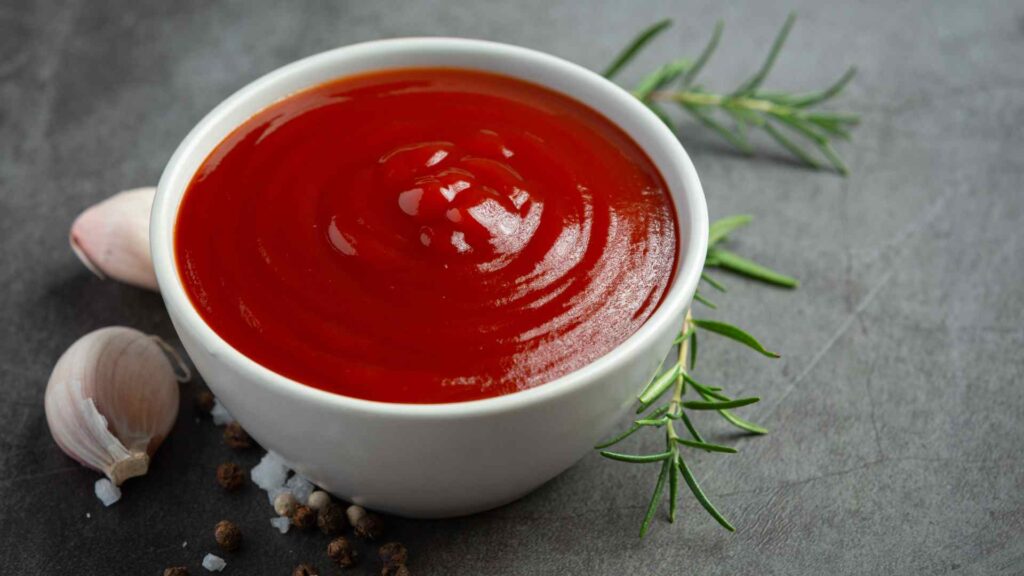
Tomato is only the beginning of the recipe
Ketchup usually starts with ripe tomato concentrate, then adds vinegar, sugar or syrup, salt, and seasoning. Some brands include onion powder, garlic powder, chili, sweetener, or other flavorings.
Ripe tomato flesh can be acceptable for many dogs in small amounts, but ketchup is not a serving of plain tomato. The tomato guide separates ripe fruit from green plant parts and seasoned sauces.
Ketchup offers no useful canine lycopene therapy, immune boost, or heart benefit. A complete diet handles nutrition without turning a condiment into a supplement.
A lick, a packet, and a bottle are different exposures
A smear left on a plate is a tiny exposure and usually causes no problem beyond possible mild stomach upset. Several packets or a tipped bottle can deliver far more sodium, sugar, acidity, and seasoning.
Estimate actual volume rather than saying the dog ate “some.” Count missing packets, compare bottle level, and keep the exact product because formulations vary.
Dog size and health matter too. A teaspoon is proportionately larger for a toy breed, and sodium or sugar may be inappropriate for dogs with heart, kidney, diabetic, digestive, or weight-management needs.
Sodium is a dose question
Ketchup contains less sodium than some concentrated sauces, but it can still add a meaningful amount when a dog consumes a bottle or piles of packets. Low-sodium ketchup is a comparative product, not a dog-food endorsement.
The FDA sodium-label guide explains how serving size and milligrams work on packaged foods. Human Daily Value percentages are not canine limits, so give the veterinarian actual label numbers.
After a small lick, provide normal access to fresh water without forcing the dog to drink. After a major salty exposure, vomiting, weakness, wobbliness, tremors, seizures, or altered behavior needs urgent assessment rather than a home overhydration plan.
Sugar and calorie context
Ordinary ketchup often contains sugar or corn syrup, but sugar itself is not a canine poison. The practical concerns are extra calories, gastrointestinal upset after a large amount, diabetes management, and repeated exposure.
One lick does not cause diabetes or obesity. Habitually adding ketchup can make meals more calorie-dense and teach a dog to hold out for strong human-food flavor.
Dogs on calorie-controlled plans should use measured, compatible treats. A condiment that seems trivial can be repeated across several meals and several generous family members.
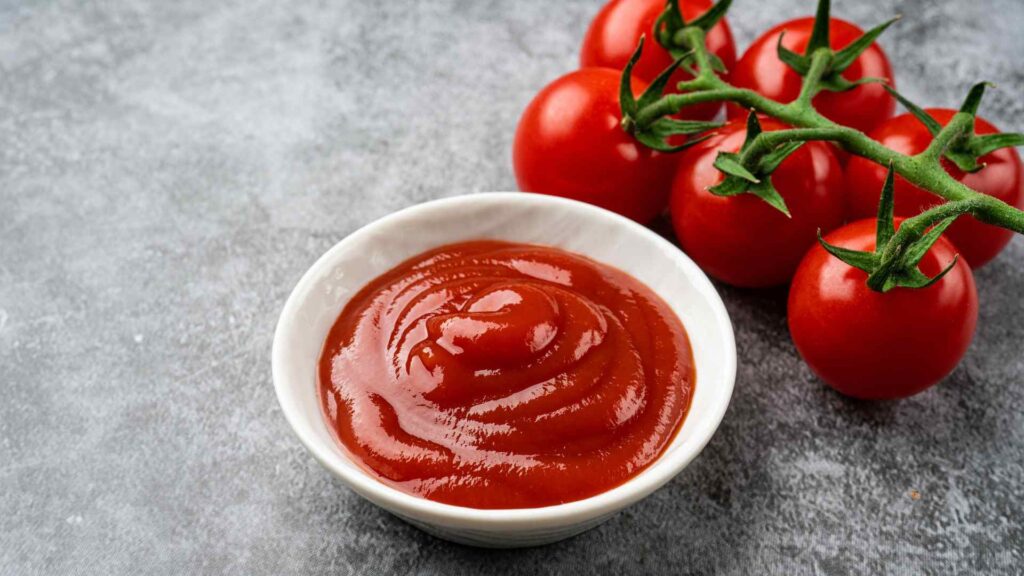
Onion and garlic need label attention
Some ketchups list onion powder or garlic powder, while others do not. Do not claim every brand contains Alliums, and do not assume “spices” provides enough detail after a large exposure.
The ASPCA people-food guide explains that onion and garlic can irritate the gastrointestinal tract and damage canine red blood cells. Risk depends on amount and the animal.
Red blood cell injury can produce delayed weakness, pale gums, fast breathing, rapid heart rate, exercise intolerance, or dark urine. Use the detailed garlic and onion guides for named ingredients.
One lick of lightly seasoned ketchup is not automatically an Allium emergency, while a substantial quantity, concentrated seasoning, repeated exposure, or symptoms warrants a call.
Sugar-free ketchup and xylitol
Sugar-free, no-sugar-added, and keto products can use different sweeteners, though xylitol is not a standard ingredient in every such ketchup. Read the complete list every time.
Look for xylitol, birch sugar, wood sugar, or birch bark extract. The FDA xylitol warning advises immediate veterinary or poison-control contact after exposure because dogs can develop profound low blood sugar and liver injury.
Do not wait for vomiting, weakness, staggering, collapse, or seizures after confirmed xylitol. Bring the bottle and estimate the amount missing so professionals can act quickly.
Spicy, smoky, and specialty ketchup
Sriracha ketchup, curry ketchup, jalapeño ketchup, and hot varieties can cause mouth and stomach irritation in addition to their usual sugar and sodium. Capsaicin does not make dogs healthier or improve circulation.
Smoky, barbecue-style, bacon-flavored, and truffle ketchups may add garlic, onion, smoke flavor, fat, or unfamiliar ingredients. The front label is a flavor promise, not a complete safety summary.
Homemade ketchup can be simpler or more complicated than store-bought. Ask for the actual recipe, including sweetener, onion, garlic, raisins, alcohol, and concentrated spices.
The food underneath may matter more
Ketchup often rides on hot dogs, burgers, fries, eggs, meatloaf, grilled cheese, or fried food. After a plate raid, evaluate fat, salt, bones, onion, garlic, skewers, and packaging alongside the condiment.
The hot dog guide covers the sausage’s sodium, fat, seasonings, and choking-prone shape. The French fries guide covers fried potato, salt, and portion concerns.
A burger may include onion, cheese, fatty meat, toothpicks, and a bun, while meatloaf often contains onion and garlic throughout. Inventory what disappeared rather than blaming the red smear.
Packets, caps, and bottles
Flexible packets can be swallowed whole or torn into sharp-edged pieces. Bottle caps, foil seals, freshness membranes, and small plastic lids can lodge in the digestive tract.
Count missing packets separately from ketchup volume and note their size. Do not induce vomiting after sharp or bulky packaging unless a veterinary professional explicitly directs it.
Repeated vomiting, appetite loss, abdominal pain, marked lethargy, a swollen belly, or inability to keep water down after packaging ingestion requires prompt care. Never pull material protruding from the rectum.
Dogs who should skip ketchup entirely
Dogs with kidney disease, heart disease, high blood pressure, diabetes, pancreatitis, chronic gastrointestinal disease, or prescription diets should avoid casual ketchup. Their established feeding plan is more relevant than a general statement about one lick.
Dogs in elimination diet trials should receive no unapproved tomato, soy, spice, or flavoring. An unrecorded condiment can make a carefully controlled trial harder to interpret.
Puppies and toy breeds have little room for condiment calories and smaller margins for packaging. Growing puppies need nearly all calories from complete puppy food.
What to do after a ketchup incident
After one lick of ordinary ketchup, remove access, offer normal water, and monitor for vomiting, diarrhea, or discomfort. Skip additional salty or sugary scraps that day.
After packets, a bottle raid, a sugar-free product, or ketchup with onion or garlic, save the label and call with dog weight, amount, time, symptoms, and missing packaging. Do not rely on brand memory.
Seek urgent care for breathing trouble, collapse, repeated vomiting, severe weakness, pale gums, fast breathing, dark urine, tremors, seizures, or altered awareness. Confirmed xylitol exposure needs immediate help before symptoms.
Do not induce vomiting or give peroxide, salt, oil, milk, charcoal, sports drinks, or human medication unless directed for that exact case.
Vinegar, acidity, and stomach sensitivity
The vinegar and tomato acids in ketchup may irritate a sensitive stomach, particularly when a dog consumes a large quantity. A normal lick is not expected to burn the digestive tract, and acidity alone does not make ordinary ketchup a poison.
Dogs with reflux-like signs, chronic vomiting, inflammatory gastrointestinal disease, or a veterinarian-directed bland diet should not receive ketchup as a flavor booster. Their individual plan should guide what goes back into the bowl after an upset.
Do not try to neutralize ketchup with baking soda, antacids, milk, or another household ingredient. If vomiting continues or the dog seems painful, call with the product and amount instead of creating a second exposure.
No-sugar-added does not answer the sweetener question
A no-sugar-added label can mean the recipe contains no added caloric sugar, but it does not identify the replacement sweetener. Some products use nonnutritive sweeteners, some rely on naturally occurring sugars, and some simply reformulate the recipe.
Xylitol is the urgent name for dogs, while other sweeteners have different risk profiles. Read every ingredient line, including small print near the end, and contact the manufacturer if a large exposure involves a vague proprietary blend.
Do not assume a familiar brand always uses the same recipe. Formulas can differ by country, product line, package size, or reformulation, so the bottle in front of you is the useful source.
Restaurant ketchup and uncertain recipes
Restaurant pumps, ramekins, and house-made sauces may not have an ingredient panel at the table. Ask the staff for the product name or allergen and ingredient information, and photograph any case label they can provide.
If the quantity was tiny and the dog is well, ordinary monitoring may be reasonable after checking obvious ingredients. A large amount, symptoms, a sugar-free claim, or uncertainty about onion, garlic, or xylitol justifies professional advice.
Ketchup mixed into barbecue sauce, glaze, sloppy joe filling, baked beans, or meatloaf should be treated as the full recipe. Those foods can carry much more onion, garlic, fat, sodium, alcohol, or sweetener than the ketchup alone.
Cleaner ways to add interest to a meal
Most dogs do not need a condiment to enjoy complete food. Warm water, a veterinarian-approved wet version of the same diet, or a measured compatible topper can add aroma without hidden seasoning.
A sudden refusal of normal food is not a reason to keep escalating through ketchup, cheese, gravy, and meat scraps. Appetite loss can signal pain or illness, and repeated extras may make the original pattern harder to evaluate.
For medication, confirm whether the drug can be given with food and use the smallest suitable bite. Avoid creating a daily ketchup habit when a plain approved food or commercial pill treat will do the same job.
The bottom line
One small lick of ordinary ketchup is unlikely to poison most healthy dogs, but ketchup is not a useful treat or lycopene supplement. Sodium, sugar, acidity, Allium seasoning, and product variation make plain food simpler.
Packets, bottles, sugar-free formulas, specialty seasonings, and the meal underneath can change urgency. Read the label, estimate the real amount, and treat packaging as its own exposure.