Can Dogs Eat Nectarines? Flesh, Pits, Tree Parts, and Products
Most healthy adult dogs can eat a few small pieces of ripe nectarine flesh after the pit, stem, and leaves are completely removed. An intact swallowed pit is mainly a choking and obstruction concern, while a chewed or crushed pit and tree material also raise cyanogenic-glycoside concerns that deserve prompt veterinary advice.
The safe part and the parts to remove
- Ripe, washed flesh cut from the pit: an occasional small taste.
- Whole fruit or an intact swallowed pit: call for case-specific obstruction advice.
- Chewed, cracked, or crushed pit: call promptly because the seed has been damaged.
- Leaves, twigs, or wilted tree material: treat as a plant exposure, not a fruit snack.
- Canned, dried, baked, fermented, or sweetened nectarine: check the entire product.
Nectarines are smooth-skinned relatives of peaches, not a special canine supplement. Their flesh is food, while the stone and tree parts require a different safety assessment.
How to prepare nectarine flesh
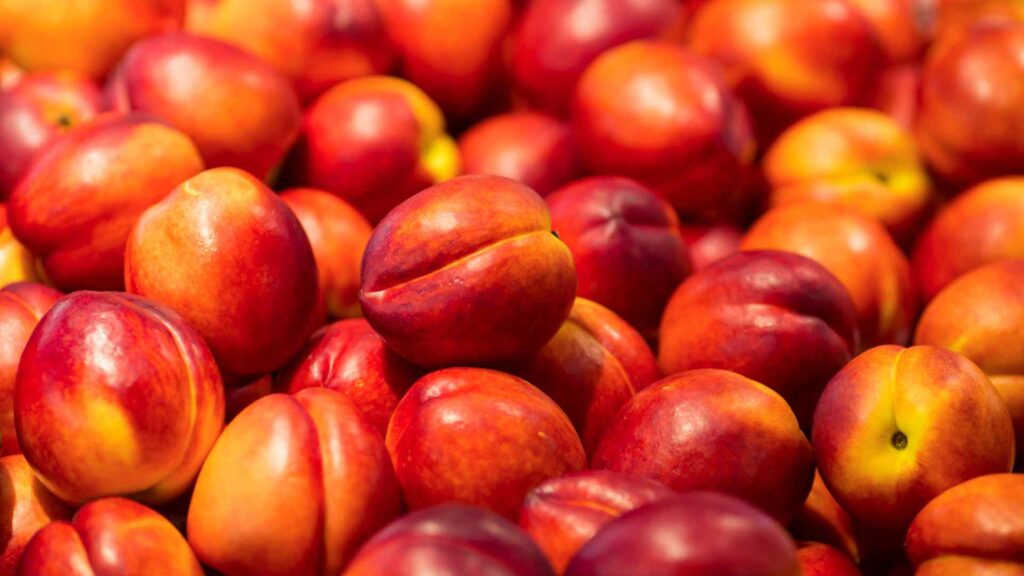
Wash the intact fruit under running water before cutting it. The FDA produce-safety guidance recommends clean hands, running water, and cutting away damaged areas rather than using soap, bleach, or detergent.
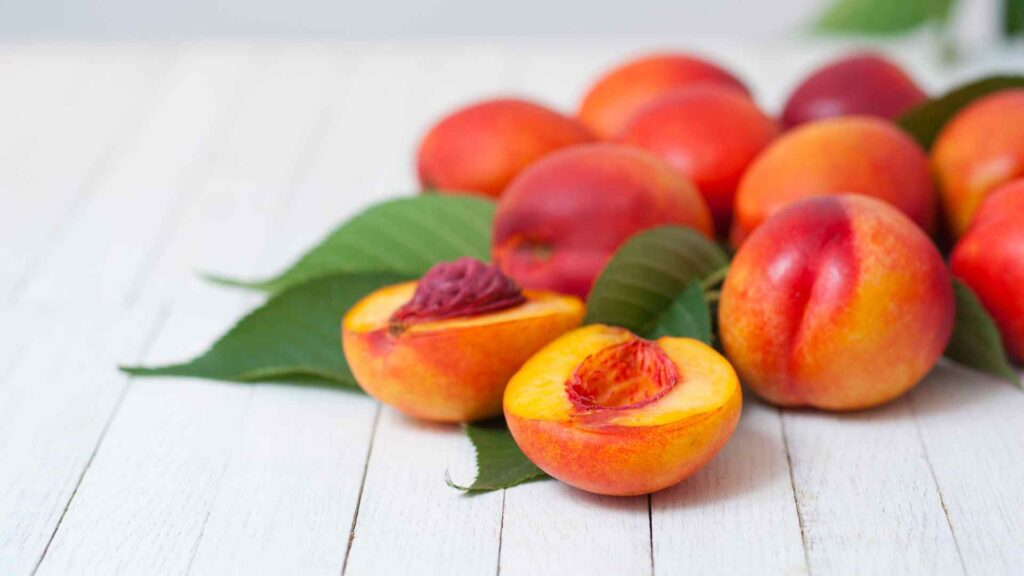
Slice the fruit around the stone, remove the entire pit, inspect for fragments, and cut the flesh into pieces suited to the dog’s mouth. Discard the stem and any leaves where a dog cannot retrieve them.
A ripe nectarine should be soft enough to cut but not moldy, fermented, leaking, or rotten. Do not let a dog clean up fruit that people rejected because spoilage adds an avoidable food-safety problem.
Offer one small piece the first time and stop if vomiting, diarrhea, itching, or discomfort follows. Refusal is also a perfectly good answer from the dog.
A whole pit is a physical foreign body
Nectarine pits are hard, irregular stones that can lodge in the throat, esophagus, stomach outlet, or intestine. Risk depends on pit size, dog size, chewing, symptoms, and time rather than a universal wait-and-see rule.
The Merck Veterinary Manual obstruction review explains that foreign bodies can cause partial or complete blockage. Vomiting and appetite loss are common signs, while abdominal pain, lethargy, diarrhea, dehydration, or shock may also occur.
Call after a swallowed pit even if the dog initially seems normal, especially for a puppy, small dog, fast gulper, or dog with previous gastrointestinal surgery. One normal meal or bowel movement does not prove the stone has passed.
Repeated gagging, drooling, regurgitation, difficulty swallowing, vomiting, appetite loss, abdominal pain, weakness, or reduced stool requires prompt assessment. Breathing trouble, blue or gray gums, or collapse is an emergency.
Do not induce vomiting or try to push the pit through with bread, oil, pumpkin, or another meal. A hard object can injure tissue on the way back or lodge more tightly.
A damaged pit adds a cyanogenic exposure
The seed inside a nectarine stone belongs to the Prunus plant group and contains cyanogenic material. Crushing, grinding, or chewing can expose the seed contents, whereas swallowing an intact stone does not release them in the same way.
The Merck Veterinary Manual cyanogenic-plant review explains that compounds in seeds and leaves can release cyanide when plant tissue is compromised. It also notes that severe toxicity from store-bought fruit seeds is uncommon in small animals and that intact swallowed seeds are not expected to release cyanide.
That proportion matters: one intact pit does not guarantee cyanide poisoning, but it can still obstruct. A visibly cracked, chewed, or pulverized pit warrants an immediate call because both physical fragments and chemical exposure need consideration.
A separate Merck cyanide review lists nectarine among Prunus plants and states that seeds and leaves have higher cyanogenic potential than fruit flesh. Rapid breathing, agitation, drooling, weakness, tremors, seizures, abnormal gum color, or collapse after damaged plant material is an emergency.
Leaves, stems, twigs, and orchard access
Nectarine tree leaves and seeds are not interchangeable with ripe fruit flesh. Wilted, storm-damaged, pruned, or chewed plant material can deliver an uncertain amount and should be kept away from dogs.
Orchards also introduce fallen pits, fermented fruit, pesticides, fertilizer, mulch, compost, wire, and sharp pruning debris. Identify all plausible exposures instead of reporting only that the dog was under a fruit tree.
Photograph the plant and save a sample only if it can be done safely. A veterinarian or poison-control professional needs the species, plant part, amount, time, dog’s weight, and symptoms.
Portion size, sugar, and diet displacement
Nectarine flesh contains natural sugar and calories, so a small taste is enough. A large bowl can cause vomiting, loose stool, gas, or abdominal discomfort even without a pit.
The UC Davis veterinary treat guideline recommends keeping all treats and extras below 10 percent of daily calories. At least 90 percent should come from complete and balanced food.
Dogs with diabetes, obesity, calorie restriction, active gastrointestinal disease, or a prescription diet may need to skip fruit. A general safe-food list cannot replace that individual plan.
Nectarines do not hydrate a sick dog, correct vitamin deficiency, improve immunity, or treat constipation. Increasing the portion to chase those claims only adds sugar and unbalanced food.
Skin is edible, but washing and texture matter
Nectarine skin is not a recognized canine toxin and can remain on a washed ripe slice. Peeling may make the texture simpler for a tiny dog or one with a sensitive stomach, but it does not remove the need to cut small pieces.
A whole nectarine can be swallowed with the pit hidden inside, so never hand one over as a toy. Prepare every bite where you can see that the stone is gone.
Canned nectarines
Canned nectarines may be packed in water, juice, light syrup, or heavy syrup. Syrup adds concentrated sugar, while labels may include sweeteners, preservatives, or other fruit.
A tiny drained piece from a simple water-packed product is a different exposure from drinking syrup or eating the whole can. Check for a sharp lid, plastic seal, and missing packaging after a pantry raid.
Dried fruit and fruit leather
Drying concentrates calories and sugar into smaller pieces and creates a chewy texture. Commercial dried nectarines may add sugar, oil, sulfites, flavor, or preservatives.
Mixed dried-fruit bags can contain raisins or currants, which are associated with kidney injury in dogs. Our grape and raisin guide explains why uncertain dried fruit deserves a prompt call.
Fruit leather and snack bars may add apple concentrate, xylitol, chocolate, nuts, or wrappers that disappear with the food. Save the label and do not identify a blended strip by color.
Jam, pie, cobbler, and smoothies
Nectarine jam and preserves add sugar and may use sugar substitutes. Sugar-free products require an immediate xylitol check because xylitol can cause profound low blood sugar and sometimes liver injury in dogs.
Pie and cobbler add butter, pastry, sugar, dairy, nuts, and spices, while smoothies can add yogurt, protein powder, caffeine, chocolate, or supplements. The fruit does not make the recipe suitable.
Our apple guide covers a common blended fruit and its core and seed issues. Our pineapple guide explains why canned syrup and tough plant parts deserve separate attention.
Allergy and individual tolerance
A dog can react poorly to almost any new food, but vomiting or itching after a dessert does not prove nectarine allergy. Dairy, wheat, nuts, flavorings, spoilage, and environmental allergens may be involved.
The Merck Veterinary Manual food-allergy review describes a strict elimination diet and rechallenge as the reference diagnostic method. Dogs in an elimination trial should receive no unapproved nectarine.
Facial swelling, widespread hives, breathing difficulty, weakness, or collapse is an emergency. Milder recurring signs deserve a veterinarian-guided workup rather than random fruit swapping.
What to do after a nectarine incident
- Determine whether the dog ate flesh, an intact pit, a damaged pit, leaves, stems, spoiled fruit, or a processed product.
- Record the amount, time, dog weight, symptoms, conditions, and medications.
- Save pit fragments, plant photos, recipes, and labels without delaying urgent care.
- Check for raisins, xylitol, chocolate, alcohol, nuts, skewers, lids, bags, and other packaging.
- Call promptly for any pit, damaged seed, tree material, unsafe ingredient, large amount, or significant symptom.
A healthy adult dog that eats a few small pit-free pieces of ripe flesh and remains comfortable can usually be monitored. Keep water available and return to the normal complete diet.
Do not induce vomiting, give charcoal, or attempt a cyanide remedy at home. The object, plant part, timing, and symptoms determine the safe response.
Frequently asked questions
Can dogs eat nectarine skin?
Washed ripe skin is not a recognized toxin, but peel if texture causes trouble and always cut the flesh small. The pit must still be removed.
What if my dog swallowed a whole nectarine pit?
Call for obstruction guidance even if the pit looks intact and the dog seems normal. Do not induce vomiting or force food.
Does one pit cause cyanide poisoning?
An intact swallowed pit is not expected to release cyanide like a crushed seed, but it can obstruct. A chewed or broken pit needs immediate poison and foreign-body assessment.
Can puppies eat nectarines?
A tiny pit-free piece is unlikely to be toxic, but puppies need complete growth nutrition and can choke on casually sized fruit. Keeping nectarines off the puppy menu is simplest.
The bottom line
A few pieces of washed, ripe nectarine flesh can be an occasional treat for many healthy adult dogs. Remove the pit, stem, and leaves, cut the fruit small, and skip health-treatment promises.
An intact pit can obstruct, while a crushed pit or tree material adds cyanogenic risk. Canned syrup, dried mixes, desserts, unsafe ingredients, and packaging each require their own assessment.