Can Cats Eat Cauliflower? Plain Florets, Leaves, and Seasonings
A healthy adult cat can usually eat one tiny, soft piece of plain cooked cauliflower. It is optional plant matter, not a dietary requirement, and raw chunks, buttery mash, cheese sauce, onion or garlic seasoning, pickled florets, and produce chemicals can make the answer less friendly.
Choose the form before choosing the portion
| Cauliflower form | Practical answer | What decides safety |
|---|---|---|
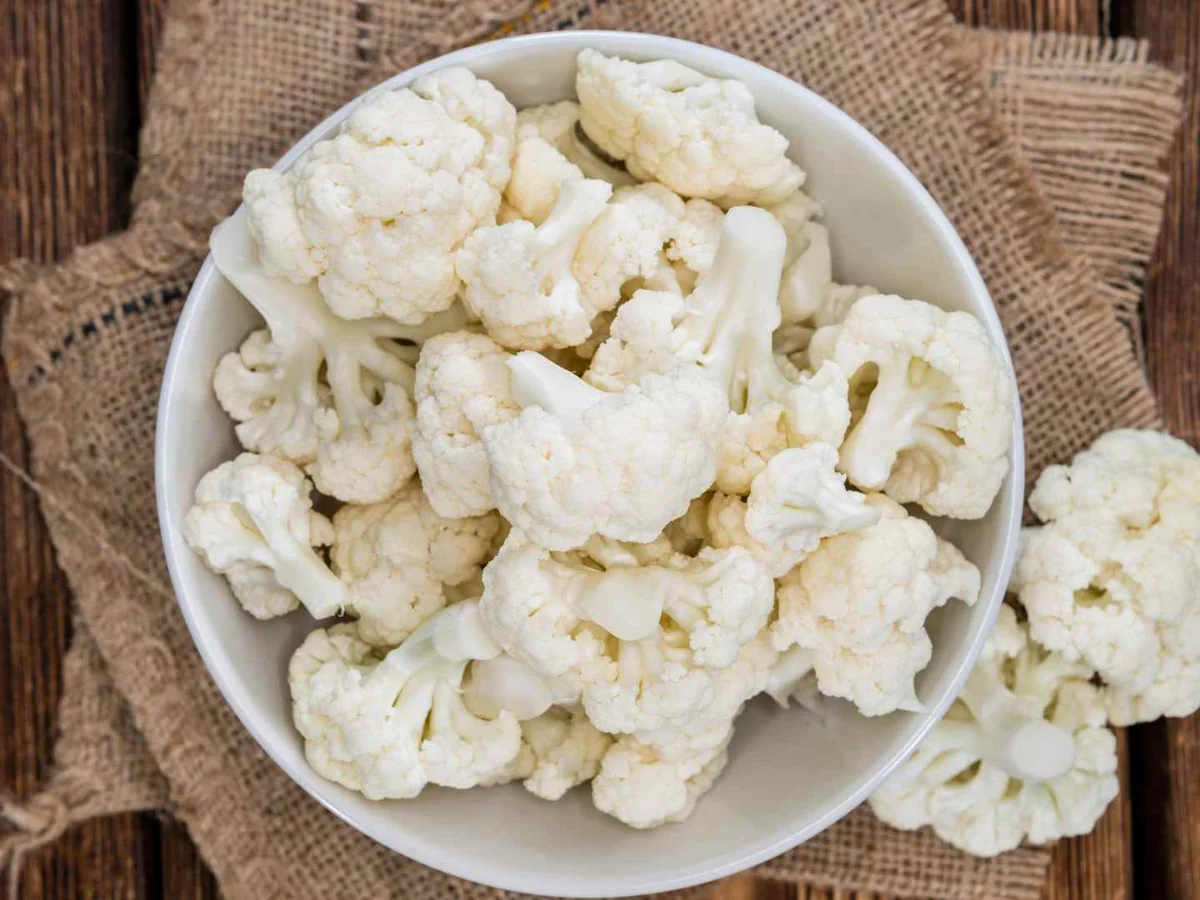
| Steamed or boiled floret | A pea-sized taste can be reasonable | Serve plain, cool, and very soft. |
| Raw floret or stem | Skip it | Hard texture, choking, surface contamination, and digestive upset. |
| Roasted cauliflower | Usually skip human leftovers | Oil, salt, onion, garlic, and spice often cling to it. |
| Mashed cauliflower | Recipe review required | Butter, cream, cheese, stock, and Alliums are common. |
| Cauliflower rice | Only a plain cooked speck | Seasoning and portion can convert a side dish into a problem. |
| Pickled cauliflower | Do not offer | Brine, sodium, vinegar, spices, onion, and garlic vary. |
| Leaves and stalk | Not a treat | Fibrous pieces are difficult to chew and garden residue is uncertain. |
Plain cauliflower is not listed as a classic feline poison, but “not poisonous” is a low bar for planned feeding. Cats are obligate carnivores and need a nutritionally complete diet designed around feline requirements, not a bowl padded with cruciferous vegetables.
The FDA explains what complete and balanced pet food means, including nutritional adequacy through recognized profiles or feeding trials. A floret can be an occasional curiosity, never a replacement for properly formulated cat food.
The most cat-friendly preparation is almost boring
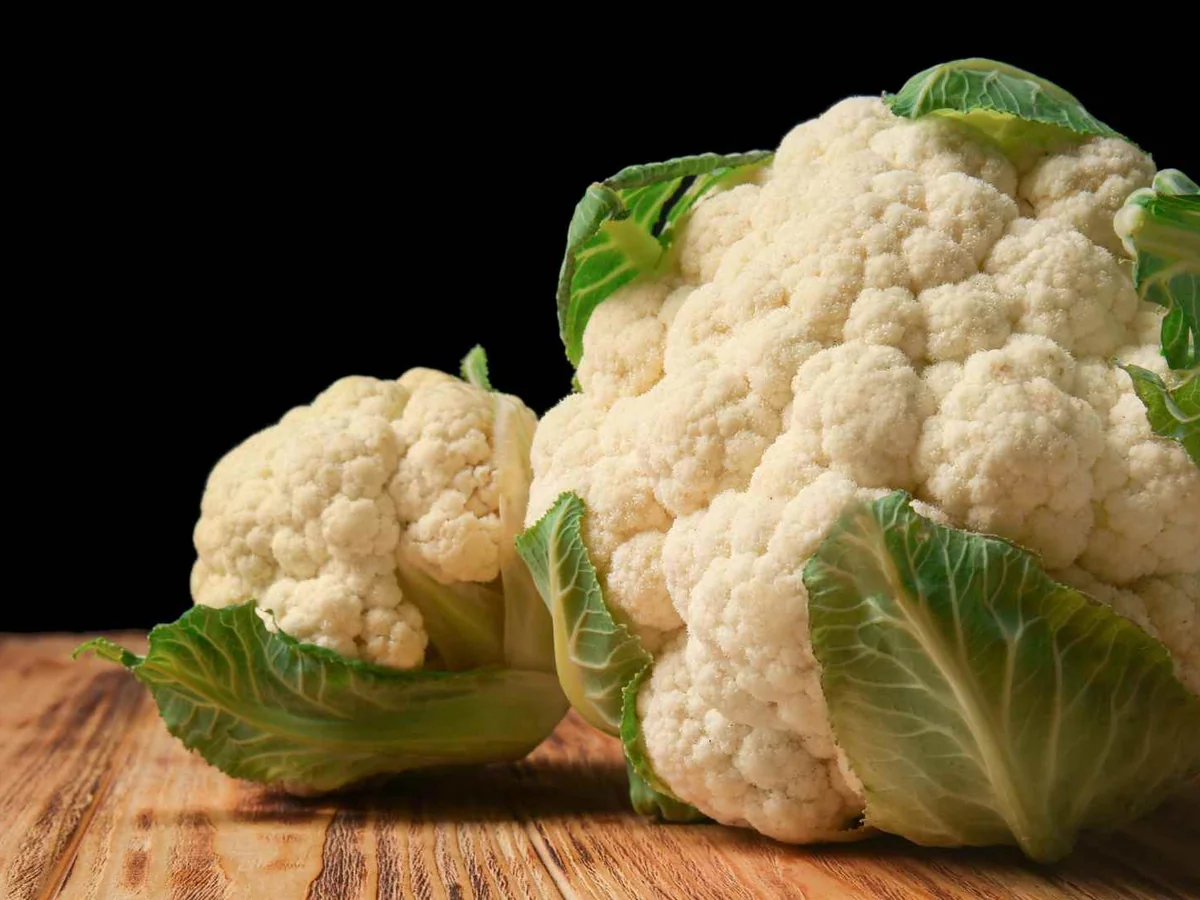
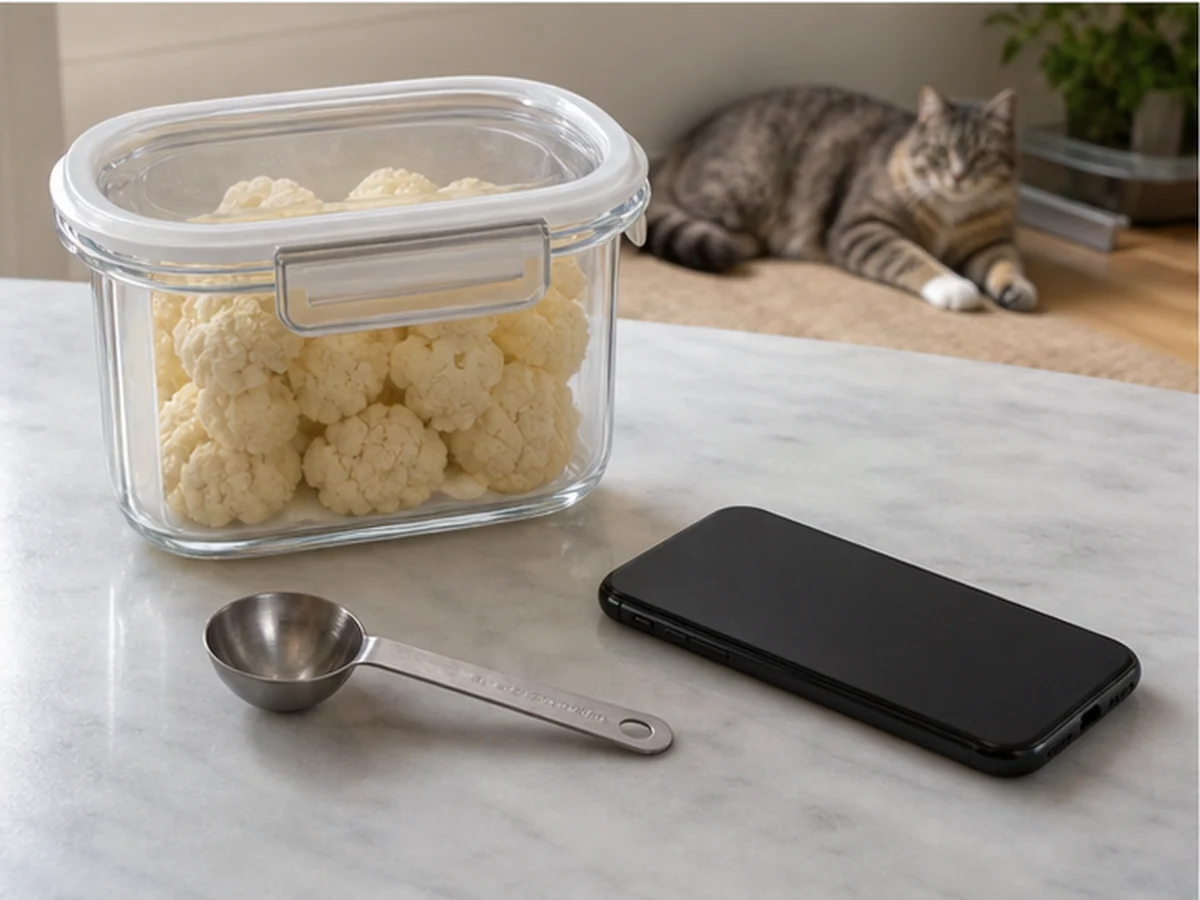
Steam or boil a fresh floret in plain water until it crushes easily between two fingers. Let it cool, remove the firm central stem, and offer a piece no larger than a pea the first time.
Do not add salt, oil, butter, cheese, cream, broth, sauce, pepper, lemon, onion, garlic, or seasoning mix. If your cat walks away, accept the review and discard the sample rather than decorating it into something richer.
Our broccoli guide for cats addresses another crucifer with similar preparation questions. Similar family membership does not justify identical serving limits, but the same plain-and-soft principle is useful.
Why the first serving should be very small
Cauliflower contains fermentable carbohydrate and fiber that some cats handle poorly. Gas, a noisy abdomen, soft stool, diarrhea, vomiting, or appetite reduction is more likely after a generous helping than after one tiny sample.
A cat cannot tell you that bloating feels uncomfortable, so watch posture and behavior as well as the litter box. Hiding, a tense abdomen, repeated repositioning, or refusing the next meal is more meaningful than an owner’s guess about gas.
Do not offer a second helping on the same day merely because the first disappeared. A new-food trial is most informative when the amount is measured and the rest of the diet stays ordinary.
Kittens need nutrient-dense growth food, and seniors or cats with chronic digestive disease may tolerate dietary changes poorly. A cat with a therapeutic diet should not receive cauliflower until the prescribing veterinarian says extras fit the plan.
Raw cauliflower is unnecessarily difficult
A raw floret can split into firm branching pieces that are awkward for a small mouth. Thick stem coins and an intact core are more likely to be gulped, choke, scrape tissue, or create a gastrointestinal obstruction.
Gagging, repeated swallowing, drooling, regurgitation, persistent vomiting, abdominal pain, appetite loss, reduced stool, or unusual lethargy after a missing chunk needs veterinary advice. Breathing difficulty or blue-gray gums is an emergency.
Raw produce can also carry dirt and microorganisms from growing, transport, store handling, and the kitchen. Cooking softens the plant and reduces microbial risk, although it cannot rescue spoiled cauliflower.
Wash produce correctly, even when cooking it
The FDA recommends rinsing produce under running water, removing damaged areas, separating it from raw meat, and refrigerating cut produce. Soap, detergent, and commercial produce wash should not be used on food.
Discard heads with extensive mold, slime, a strongly rotten odor, or widespread soft decay. Trimming a questionable patch does not produce a sensible cat treat, especially when a fresh alternative is easy to obtain.
Use a clean knife and cutting board that have not just held raw poultry. Cross-contamination is a more realistic household hazard than the internet claim that one plain cauliflower crumb “detoxifies” a cat.
Onion and garlic turn a vegetable side into a toxicology question
Restaurant roasted cauliflower, frozen seasoned rice, curry, soup, mash, and cauliflower “wings” frequently contain onion or garlic. Powdered seasoning matters because dehydration concentrates Allium material, and cooking does not neutralize the red-blood-cell risk.
The Merck Veterinary Manual identifies cats as especially susceptible to Allium toxicosis. It also explains that anemia may develop several days after exposure, so a normal evening does not guarantee a safe week.
Possible signs include poor appetite, vomiting, weakness, pale or yellow gums, rapid breathing, fast heart rate, dark urine, and collapse. Contact a veterinarian about known onion or garlic rather than waiting for the gums to change.
The site’s onion guide and garlic guide explain why raw, cooked, and powdered forms all deserve respect. A scraped-off topping does not reliably remove seasoning that has soaked into a floret.
Cauliflower mash and cheese sauce hide richness
Mashed cauliflower is often built with butter, cream, cheese, stock, bacon, and roasted garlic. Those additions introduce fat, lactose, sodium, Alliums, and meat seasoning that plain steamed vegetable never had.
A large rich serving may cause vomiting, diarrhea, nausea, or abdominal discomfort. It is inaccurate to promise that every buttery bite causes pancreatitis, but cats with prior digestive or pancreatic disease deserve earlier veterinary input.
Cheese sauce can also be hot enough to burn, and cooled sauce may glue a fibrous bite into a larger lump. Review temperature, recipe, and physical size as three separate checkpoints.
Cauliflower pizza crust is not plain cauliflower
A packaged crust can include cheese, egg, starch, salt, garlic powder, onion powder, yeast, and herbs. The topping may add tomato sauce, processed meat, more cheese, chili oil, or cooked bones from a careless plate.
Our pizza guide for cats covers crust, sauce, cheese, toppings, and packaging. Treat cauliflower on the front of the box as a marketing clue, not a complete ingredient assessment.
Pickles and fermented vegetables need label scrutiny
Pickled cauliflower commonly arrives in a mixed jar with onion, garlic, peppers, and salty brine. Vinegar can irritate, sodium can be substantial, and a mystery jar from a deli provides too little information for safe sharing.
Naturally fermented products can continue changing during storage and may be sold with spicy or Allium seasoning. A swollen lid, leaking container, odd smell, or visible spoilage means discard the food safely and keep pets away from the spill.
Leaves, gardens, and compost
Cauliflower leaves are fibrous and may carry soil, fertilizer, slug bait, pesticide, or compost residue. A nibble from a clean untreated leaf may not cause illness, but intentionally feeding garden trimmings creates unnecessary uncertainty.
A cat with wet chemical on the paws or coat may ingest more while grooming. Prevent licking, save the product label, and call for decontamination instructions instead of applying another household chemical.
Compost adds mold, bacteria, decomposing Alliums, coffee grounds, spoiled dairy, string, and bones. Treat compost access as a mixed exposure and report everything the cat could have reached, not just the cauliflower scraps on top.
Cauliflower and thyroid myths
Cruciferous vegetables contain compounds often described online as goitrogens, but there is no sound reason to claim one tiny cooked floret will cause thyroid disease in a cat. Extrapolating from concentrated experiments, another species, or enormous dietary proportions creates fear rather than useful guidance.
That restraint does not make cauliflower therapeutic for hyperthyroidism. Cats with thyroid disease need prescribed treatment and a veterinarian-directed diet, not an improvised crucifer strategy.
What to do when a cat steals cauliflower
- Identify the dish: determine raw or cooked form, amount, temperature, salt, fat, broth, sauce, onion, garlic, spice, and packaging.
- For one plain soft piece: remove the rest, offer normal water and food, and monitor appetite, comfort, vomiting, and stool.
- Call promptly: seek advice for known Alliums, a large amount, a hard missing core, garden chemicals, compost, or a medically fragile cat.
- Go urgently: breathing trouble, collapse, severe weakness, repeated retching, persistent vomiting, marked abdominal pain, or suspected obstruction requires rapid care.
- Avoid home fixes: do not induce vomiting, give oil, force water, or feed bulky fiber to push a chunk through.
Keep a package, restaurant ingredient list, garden product, or photograph of the remaining piece. An accurate maximum amount and time window are far more useful than saying the cat ate “some vegetables.”
Frequently asked questions
Can cats eat raw cauliflower?
A tiny raw crumb may pass uneventfully, but raw cauliflower is harder to chew, less digestible, and more likely to carry surface contamination. Plain cooked softness is the safer choice for an optional taste.
Can cats eat cauliflower leaves?
Leaves are not a worthwhile treat because they are fibrous and may carry garden residues. Prevent access to sprayed plants, fertilizers, slug bait, and compost, then call with the product label after a chemical exposure.
Is cauliflower rice safe for cats?
Only a tiny amount that is cooked, plain, and free from onion, garlic, salt, oil, broth, and sauce is reasonably low risk. Frozen seasoned blends and restaurant versions need a complete ingredient check.
How much cauliflower can a cat have?
There is no feline need or universal serving allowance. If a veterinarian permits extras, begin with one pea-sized soft piece and stop if appetite, stool, or comfort changes.
Bottom line
Cauliflower can be a tiny plain sample for a healthy interested cat, but it should remain a guest appearance beside a complete feline diet. Cook it soft, strip away seasonings, respect hard stems and delayed Allium risk, and let an unimpressed cat decline without culinary persuasion.