Can Cats Eat Crackers? Labels, Seasonings, and Choking Risks
One small plain cracker crumb is unlikely to poison a healthy adult cat, but crackers are dry, salty, nutritionally unnecessary human snacks. Product style, sodium, onion or garlic seasoning, cheese powder, seeds, hard edges, toppings, choking, bags, boxes, clips, and medical diets determine whether the incident needs more than observation.
A cracker is a category, not an ingredient list
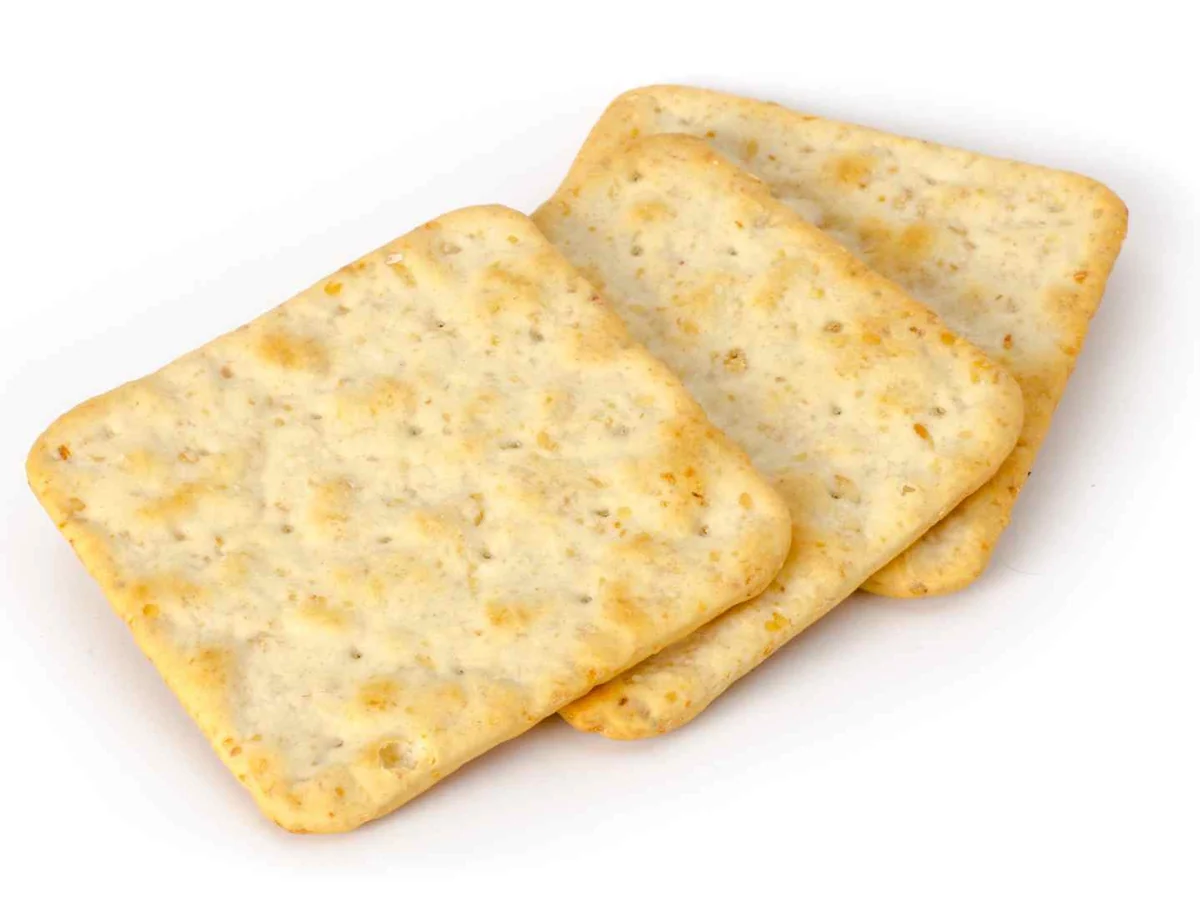
Saltines, butter crackers, water crackers, wheat crackers, cheese crackers, seeded crisps, rice crackers, flatbread, and gluten-free products differ. Turn the package around before deciding what the cat ate.
Check flavor, serving size, sodium, seasonings, toppings, amount, and missing packaging. A plain corner from a table and a fistful of garlic snack crackers are not one exposure.
Use portion and texture before panic
A tiny crumb swallowed normally generally calls for fresh water and ordinary observation. Several crackers, a hard whole crisp, persistent gagging, a restricted diet, or a seasoned product deserves a call with the label.
Breathing difficulty, blue gums, collapse, seizures, severe weakness, or vomiting that will not stop is urgent. Do not force another bite to push dry food downward.
Why flour does not make a meal
Crackers mainly provide grain starch and fat with varying protein, fiber, vitamins, and minerals. Cats need animal-derived nutrients in a complete, controlled balance.
The Merck feline nutrition reference describes requirements including taurine and arachidonic acid. A cracker cannot balance a homemade diet or replace formulated cat food.
Sodium is the most common label problem
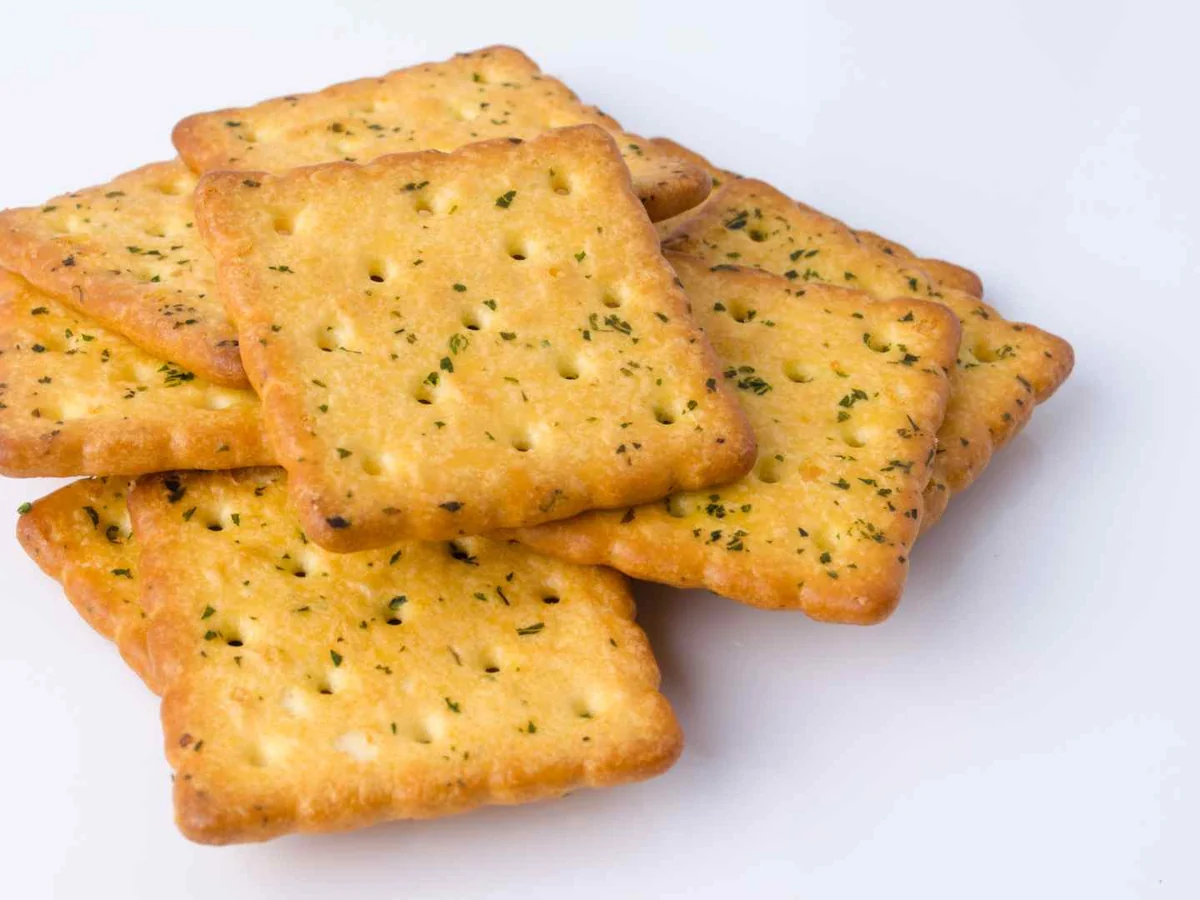
Saltines advertise their defining feature, but butter, cheese, seasoned, and “healthy” whole-grain crackers can also carry substantial sodium. Low sodium remains a comparison within human foods.
In the Merck veterinary salt reference, serious overexposure can progress from thirst and digestive illness to loss of coordination, tremors, or seizures. One crumb is not salt poisoning, while a sleeve raid requires quantity-based advice.
Onion and garlic hide in savory flavors
Ranch, cheese, pizza, herb, barbecue, sour-cream, and vegetable crackers may use onion or garlic powder. Powder disperses throughout the product and cannot be brushed off reliably.
The Merck Allium toxicosis guide explains feline red-cell injury and delayed anemia. Call after a meaningful seasoned exposure rather than waiting for pale gums or weakness.
Fat, butter flavor, and calories
Butter crackers, sandwich crackers, and crisps fried or baked with oil pack more calories than their thin shape suggests. Repeated sharing can undermine weight control.
Rich snacks may produce vomiting or diarrhea in sensitive cats. A history of pancreatic or gastrointestinal disease calls for individual advice.
Hardness and crumb geometry
A brittle square can fracture into sharp corners, lodge across the palate, or be gulped whole. Very dry crumbs can provoke coughing or stick briefly around painful teeth.
Gagging, repeated gulping, drooling, mouth pawing, coughing, panic, or noisy breathing needs immediate attention. Never toss a cracker for a cat to catch.
Seeded and multigrain crackers
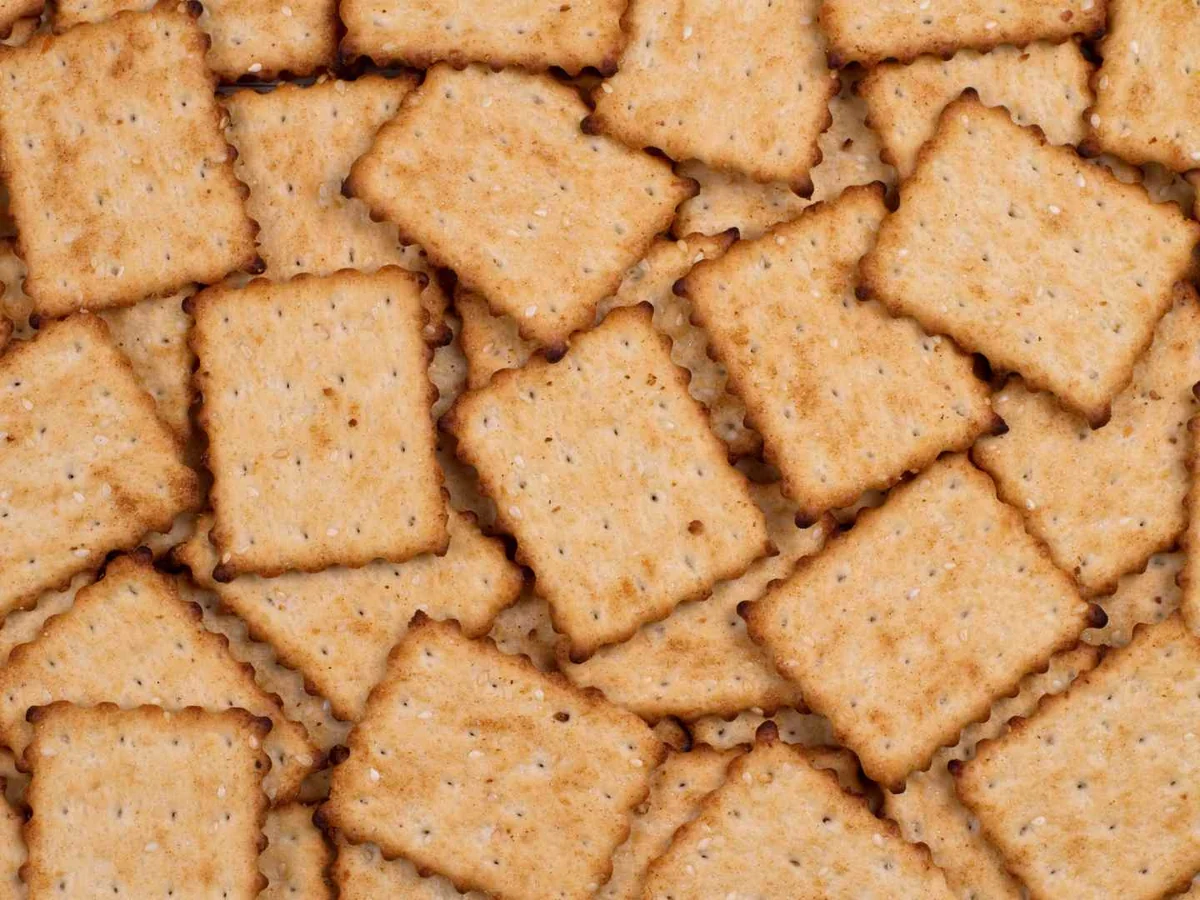
Sesame, flax, poppy, sunflower, chia, and other seeds alter texture, fat, fiber, and choking potential. A seed mix may also include onion, garlic, salt, or sweetener.
Do not treat a cracker as a supplement because it advertises omega-3 or fiber. Those human claims do not establish a feline dose or benefit.
Toppings create the real recipe
Peanut butter, cheese, cream cheese, hummus, tuna salad, deli meat, smoked salmon, jam, chocolate spread, and medication can sit on one innocent-looking square. Assess the topping first.
Our guides to peanut butter, cheese, bread, and popcorn help compare common snack ingredients.
Graham, animal, and sweet crackers
Sweet crackers can add sugar, honey, cinnamon, chocolate, frosting, raisins, or sugar substitutes. S’mores add marshmallow, chocolate, hot sugar, sticks, and foil.
One plain sweet crumb remains unlikely to poison a cat, but a chocolate-coated product needs its own assessment. Save the current box.
Gluten-free is not cat-specific
Gluten-free crackers may use rice, corn, potato, chickpea, nut, seed, or legume flours plus oil and salt. Removing wheat does not create complete feline nutrition.
Cross-contact also matters during a strict veterinary elimination trial. Do not add any cracker unless the supervising clinician approves it.
Stale crackers, mold, and pantry pests
Moisture can support mold, while oils become rancid and opened boxes attract insects or rodents. Pest-control bait near crumbs may create the more serious exposure.
Discard stale or contaminated food securely. Tremors, agitation, seizures, or overheating after moldy food requires emergency care.
Sleeves, boxes, and clips
Waxed liners, plastic sleeves, foil packs, box tabs, twist ties, and clips retain food odor. Cats can chew them even when few crackers are missing.
If packaging is unaccounted for, recurrent sickness, a sore belly, refusal of food, difficult defecation, or unusual lethargy warrants examination. Search under furniture before assuming ingestion.
Medication can hide on a cracker
A medicated cracker intended for a person can be stolen, and a partly eaten feline dose can tempt automatic redosing. The drug often matters more than the snack.
Identify medicine, strength, missing quantity, and time, then call before repeating a dose. Do not guess how much remained in the crumbs.
Cats on therapeutic diets
Kidney, heart, urinary, hypertension, diabetes, allergy, bowel, and weight plans depend on controlled sodium, calories, starch, fat, protein, or ingredients. Crackers add noise.
Use the prescribed food or compatible feline pill treat for rewards and medicine. “Just one” repeated daily is no longer an accident.
Observation after one plain crumb
Let the cat return to normal meals while you notice swallowing, appetite, thirst, comfort, and stool. One crumb commonly produces no sign.
Call for repeated vomiting, extreme thirst, mouth pain, weakness, abnormal gum color, neurologic change, or food refusal. Bring the exact product.
The snack swap
Cornell’s feeding page keeps treats limited and complete food central. The FDA label guide explains nutritional adequacy statements.
A measured part of the regular ration can provide crunch during family snack time. The cat gets included without inheriting the cracker aisle.
Rice cakes and crispbread are not loopholes
Thin rice crackers, rye crispbread, matzo, and puffed cakes remain dry human snacks with variable salt and seasoning. Large rigid pieces can splinter or lodge awkwardly.
A low-fat label does not address feline nutrient balance or choking. Break no human crisp specifically for the cat.
Cracker crumbs near cleaning products
Crumbs collect beneath sofas, in dishwasher doors, and beside floor cleaners or pest bait. A cat scavenging old food may contact far more consequential chemicals.
Vacuum eating areas and store cleaning products securely. Save any chemical label after licking or paw contamination.
Dental marketing needs skepticism
A crunchy human cracker does not clean beneath a cat’s gumline or treat periodontal disease. It can fracture around sore teeth while leaving starch behind.
Drooling, bad breath, food dropping, one-sided chewing, or face sensitivity needs an oral examination. Use veterinary dental products only as directed.
Crackers during nausea and recovery
People often reach for crackers after human nausea, but cats have different nutritional needs and cannot explain whether vomiting reflects obstruction, toxin, kidney disease, or infection.
Do not withhold balanced food for prolonged periods or build a cracker bland diet. Call for repeated vomiting, pain, dehydration, lethargy, or poor intake.
Children and floor-level snack cups
A toddler may offer several crackers, and snack cups include lids, silicone valves, labels, and mixed foods. The amount can grow before an adult notices.
Provide a small container of approved cat treats if sharing is allowed. Supervision protects the child from scratches and the cat from a sleeve-sized portion.
Travel crackers and vehicle safety
Single-serve packs leave plastic corners, clips, napkins, and crumbs under seats. A loose cat hunting snacks also distracts the driver.
Transport cats in secured carriers and clear rubbish after the trip. Check the carrier when food was packed alongside it.
Why the cat keeps asking
Salt, fat, cheese aroma, movement, routine, and social attention can all make crackers appealing. Interest does not diagnose a grain or sodium deficiency.
Sudden broad hunger with weight loss, increased thirst, or more urination deserves medical attention rather than a larger snack allowance.
Seasoning dust on paws
Crushed crackers spread salt, cheese, chili, and Allium powders over floors and fur. Grooming turns a small footstep into a larger swallowed exposure.
Move the cat during cleanup, wipe paws with plain water, and avoid fragranced sprays. Persistent cough, squinting, drooling, or respiratory effort needs advice.
Homemade crackers still need a recipe
Home baking can add butter, cheese, onion, garlic, sourdough starter, seeds, herbs, salt, and raw flour or egg. Homemade describes the kitchen, not feline suitability.
Keep the recipe after a theft and distinguish baked cracker from raw dough. Active yeast dough and uncooked ingredients create different concerns.
Cracker-size visual traps
A wafer-thin cracker may weigh little but span much of a cat’s throat, while mini crackers encourage repeated sharing. Shape and count both matter.
Do not calculate a safe portion from the human serving panel. The practical planned serving is none, with one accidental crumb observed.
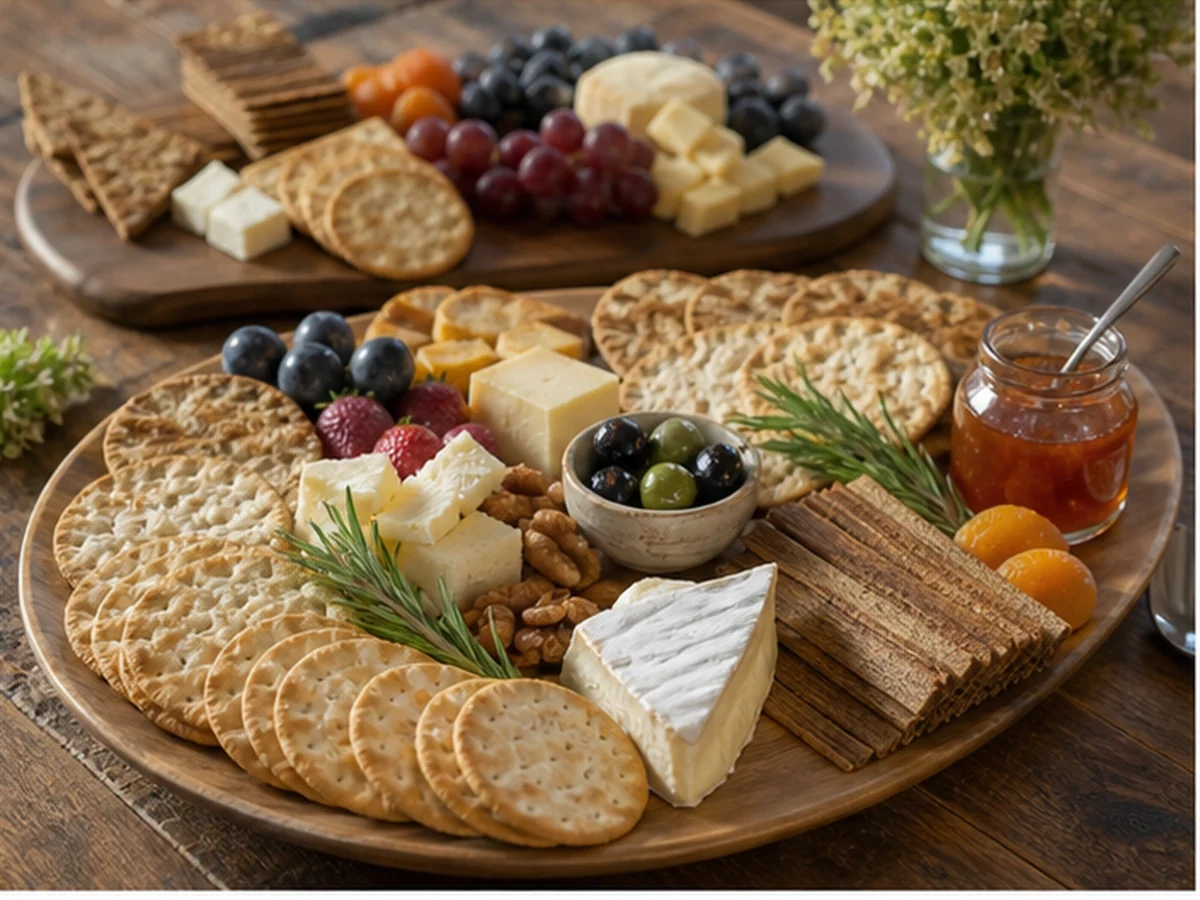
Cracker boards and grazing tables
A party board may combine cured meat, cheese, grapes, raisins, nuts, olives, dips, chocolate, alcohol, and toothpicks. The cracker can be the least concerning item.
Inventory food and hardware before clearing the table. Keep guests from offering bites and give the cat a measured approved treat elsewhere.
Frequently asked questions
Are saltines toxic to cats?
A crumb is usually low concern, but saltines are salty, dry, and unnecessary. Larger amounts or symptoms justify a call.
Can crackers settle a cat’s stomach?
No universal bland-food rule supports crackers for cats. Vomiting or diarrhea needs cause-specific feeding advice.
Can kittens eat crackers?
Skip them. Kittens need complete growth food and have very small airways and calorie budgets.
The bottom line
One plain cracker crumb is seldom a crisis, but crackers offer no feline benefit. Sodium, Allium seasoning, toppings, hard texture, spoilage, medication, symptoms, and packaging are the details that change the plan.