Can Cats Eat Honeydew? Flesh, Rind, Seeds, and Chunks
One tiny, soft piece of ripe honeydew flesh is generally low risk for a healthy adult cat, although it is an optional taste, not a need. Rind, seed pulp, round melon balls, spoiled fruit, mixed bowls, skewers, and plastic wrap are the parts worth checking carefully.
If the bowl was just raided
Move the fruit out of reach and inspect what remains before wiping the floor. Note whether the cat got soft flesh, rind, a seed mass, a whole melon ball, another fruit, a toothpick, or packaging.
A lick or tiny flesh piece usually needs observation. Call about a large or round piece, rind strip, missing skewer or film, moldy fruit, or a cat with choking, repeated vomiting, abdominal pain, marked lethargy, or collapse.
Do not induce vomiting or give oil, bread, salt, or hydrogen peroxide. Save the fruit-container label and recipe if the melon came from a prepared tray.
What a cautious taste looks like
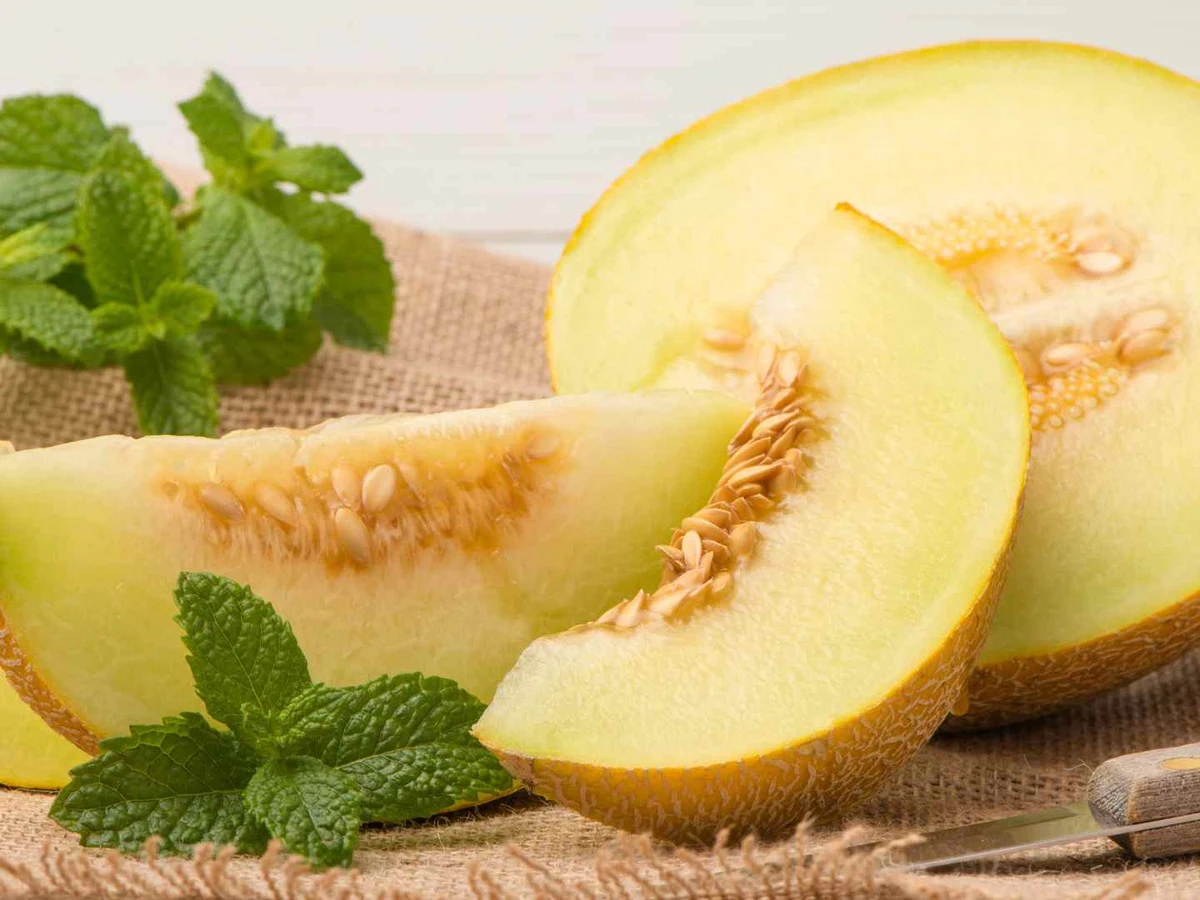
Choose ripe flesh that yields slightly and smells fresh, then remove every trace of rind and seed material. Flatten a piece smaller than a fingernail so it cannot behave like a marble.
One piece is enough to answer the curiosity question. If the cat ignores it, accept the review and return to the regularly scheduled chicken-flavored programming.
Honeydew supplies water and sugar but does not provide complete feline nutrition. The Cornell Feline Health Center explains why balanced cat food, not human treats, should carry the nutritional workload.
The live honeydew product guide can help identify common preparations and packaging. Its canine medical framing does not establish a feline portion, so use it for form recognition alongside the cat-specific guidance here.
Why melon is not a hydration plan
A watery fruit can sound useful for a cat that drinks little, yet the sugar and texture make honeydew an imprecise tool. Fresh water, clean bowls, fountains, and complete wet food are more dependable options.
Increased thirst, reduced urination, straining, or sudden changes in water habits require veterinary attention. Fruit should not delay evaluation of kidney disease, diabetes, urinary trouble, or dehydration.
Never force melon or juice into a cat’s mouth. Liquids and slippery food can be aspirated when swallowing is impaired.
Rind is built for protection, not feline digestion
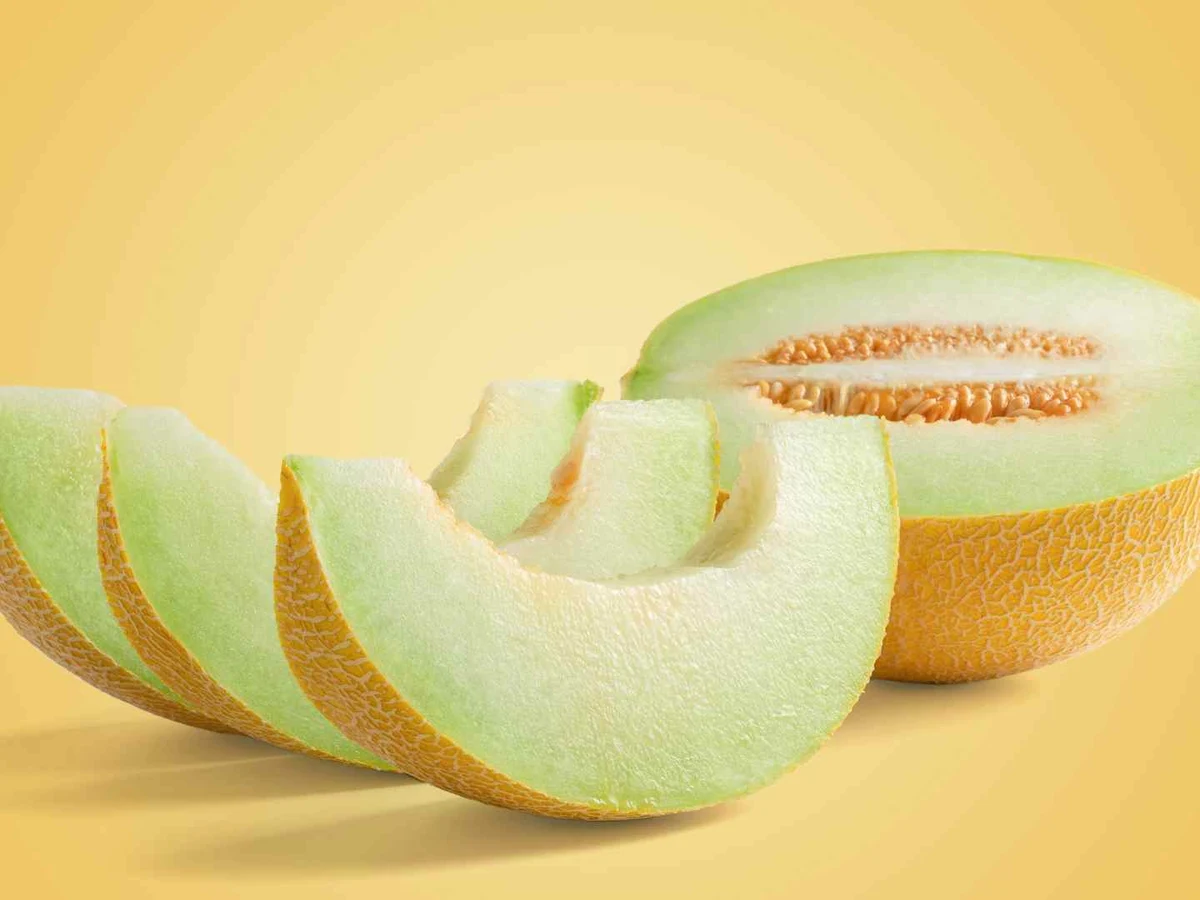
The outer skin and firm pale layer beneath it are substantially tougher than the green center. A cat can tear off a curved strip and gulp it before chewing has accomplished much.
Rind is mainly a choking and obstruction concern rather than a classic toxin. Call after a large swallowed piece or if vomiting, appetite loss, lethargy, straining, or abdominal discomfort develops.
The Merck Veterinary Manual describes the varied signs of gastrointestinal blockage. Never pull rind or string protruding from the mouth or anus.
Seeds are small; the pulp mass is not
Individual honeydew seeds are not recognized as feline poisons, but the slippery, stringy cluster from the melon cavity can fold into an awkward mouthful. Scoop it out cleanly before cutting serving pieces.
A cat that licked a few stray seeds and remains comfortable generally needs monitoring. Coughing, gagging, repeated swallowing, vomiting, or a missing wad of seed pulp deserves a call.
Do not offer the center as enrichment. A seed cavity is interesting largely because it is wet, stringy, and exactly the sort of kitchen scrap cats are better off not winning.
Melon balls are the wrong geometry
A melon baller creates smooth round pieces sized for human forks, not feline airways. A small cat can try to swallow one intact, especially when competing with another pet.
Breathing trouble, silent gagging, blue-gray gums, panic, or collapse is an emergency. Avoid blind finger sweeps that may push the ball deeper.
Large cubes and frozen chunks can also lodge or damage teeth. If sharing has veterinary approval, mince or flatten a tiny thawed piece rather than offering a shape made for rolling.
The safest cut starts before slicing
A knife can carry microbes from an unwashed rind into the flesh. The FDA advises washing produce under running water, using clean hands and utensils, and separating produce from raw animal foods.
Rinse the intact melon without soap, dry it, and use a clean board. Discard pieces that contacted raw meat juices or a dirty utensil.
Wash hands after handling the exterior and before touching the cat’s food. A clean-looking rind is not a microbiology report.
Cut melon needs refrigeration
Once opened, honeydew loses its protective barrier and should be covered and chilled promptly. A countertop bowl left warm through a long party is not a cat treat simply because people have stopped eating it.
Follow package and food-safety directions for prepared trays, and discard fruit that is slimy, sour, leaking, fizzy, or questionable. Do not wash spoilage away and serve the remaining cube.
Moldy food can cause vomiting and, with some toxins, tremors or seizures. Secure the whole spoiled batch and seek urgent help for neurologic signs.
Fruit salad is a group project
Prepared bowls may include grapes, raisins, cherries with pits, citrus, berries, pineapple, sweetener, alcohol, or decorative skewers. Identify every component rather than asking only about the pale green cubes.
The cat grape guide explains that dog evidence for grape-related kidney injury is much stronger than feline evidence. That uncertainty warrants specific advice, not a borrowed dog toxic dose.
Count toothpicks and cocktail picks before clearing the dish. A missing sharp object needs immediate veterinary direction even when all the fruit is ordinary.
Prosciutto-wrapped honeydew
Adding cured meat brings sodium, fat, seasonings, and sometimes a toothpick. One tiny combined nibble is not automatically poison, but it is no longer a plain-fruit exposure.
Call about a large amount, a whole rolled piece, allium seasoning, or a medically restricted cat. Report extreme thirst, repeated vomiting, weakness, tremors, or abdominal pain.
Do not peel off the meat and offer the melon after it has absorbed grease and seasoning. Start with a fresh piece if an optional fruit taste has been approved.
Yogurt bowls and breakfast toppings
Honeydew with yogurt may also contain granola, raisins, nuts, chocolate, coffee, honey, or protein powder. Dairy can cause digestive upset in lactose-intolerant cats.
A photo of the full bowl is more useful than naming its healthiest ingredient. Check packets and wrappers for missing pieces while the recipe is still easy to reconstruct.
The cat cucumber guide is relevant only if cucumber appears in a savory melon salad. Similar color does not make these foods interchangeable.
Smoothies and juices conceal proportion
Blending makes honeydew easy to lap and hides how much fruit, dairy, plant milk, supplement powder, or sweetener is present. Some recipes add alcohol, caffeine, or cannabis ingredients.
Provide the entire recipe and swallowed volume when calling. A few licks of plain fruit smoothie are very different from a cocktail or pre-workout blend.
Honeydew juice is not a substitute for water and may contain other concentrates. The FDA Nutrition Facts guide helps readers interpret serving size and added sugar on packaged drinks.
Dried, candied, and frozen honeydew
Dried honeydew has less water, more sugar per bite, and a chewy texture that can fold into the throat. Candied versions add yet more sugar, while some products use sulfites or coloring.
Frozen cubes are hard enough to threaten teeth and can become slippery as they thaw. Neither form offers an advantage over a tiny soft fresh piece.
Inspect snack bags for desiccant packets and torn film. Swallowed packaging can obstruct regardless of whether the fruit itself was safe.
Portion concerns for particular cats
Cats with diabetes, obesity, chronic digestive disease, dental pain, swallowing problems, or prescription diets should skip honeydew. The sugar and added variable are not worth the novelty.
Kittens have smaller airways and should not receive melon balls, rind, or seed pulp. Senior cats may hide dental pain, making a seemingly soft cube harder to manage than expected.
A cat in a food-elimination trial must stay with approved ingredients. One fruit taste can complicate interpretation even when it causes no visible reaction.
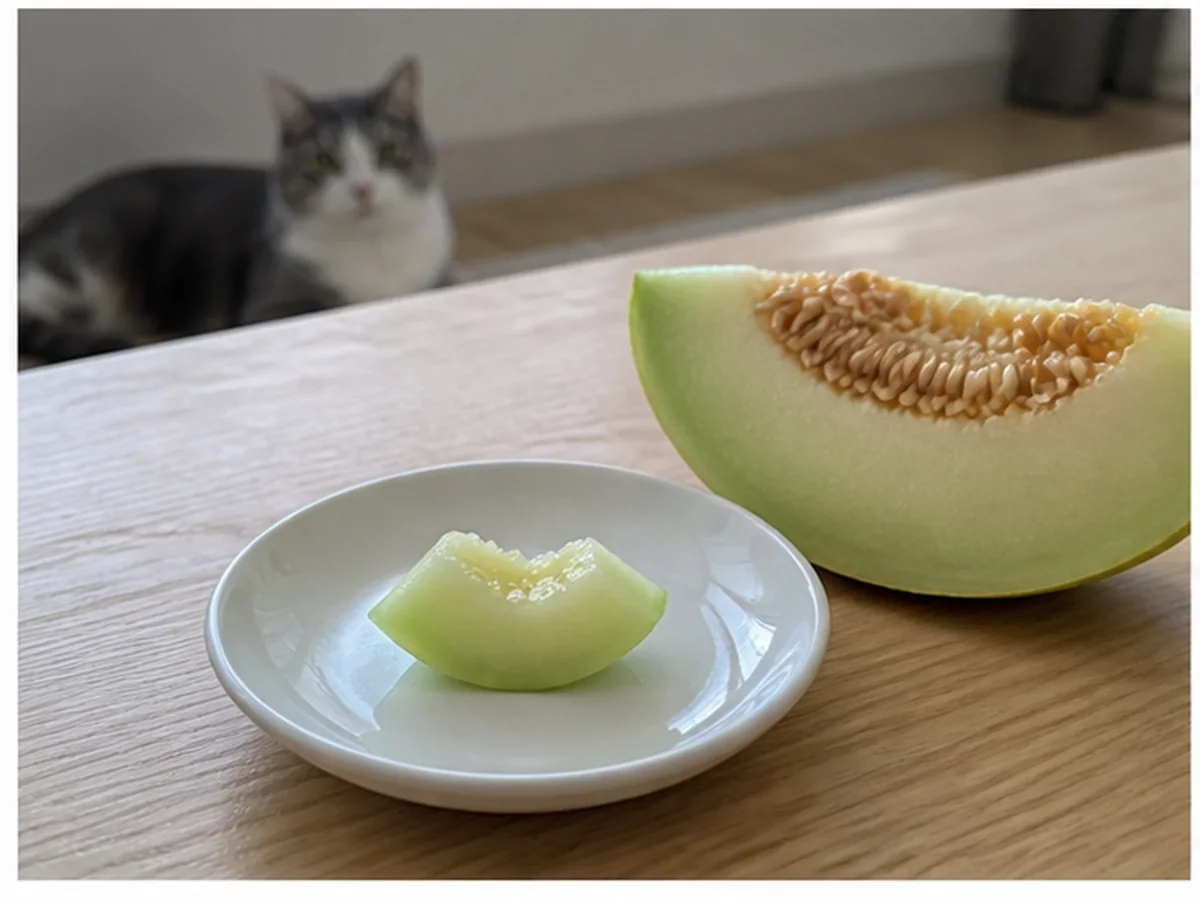
Watching after a small flesh bite
For one confirmed soft, rind-free, seed-free piece, continue normal meals and water while observing appetite, energy, stool, vomiting, swallowing, and litter-box behavior. Do not offer a second piece to test tolerance.
Call when signs repeat or include pain, lethargy, dehydration, or food refusal. Cats that stop eating deserve prompt attention rather than an assortment of tempting fruit.
During preparation, put rind and seed pulp directly into a lidded bowl, cover cut fruit, and account for plastic film and picks. A few pieces of the cat’s own ration in a puzzle toy can redirect quality-control duties.
FAQ
Can cats eat ripe honeydew flesh?
One tiny, soft, rind-free piece is generally low risk for a healthy cat. It remains unnecessary and should not replace complete food.
Is honeydew rind safe for cats?
Do not offer rind because it is tough and capable of choking or obstructing. Call after a large swallowed strip or any persistent digestive sign.
Are honeydew seeds toxic to cats?
They are not established feline poisons, but the stringy seed mass is awkward to swallow. Scoop it out before any optional taste.
What if my cat swallowed a melon ball?
Watch breathing and swallowing immediately because the round shape can choke. Call about a large swallowed ball or later vomiting, pain, and appetite loss.
Bottom line
A tiny flattened piece of ripe honeydew flesh is generally low risk, but cats do not need melon. Rind, seed pulp, round pieces, spoilage, mixed dishes, skewers, and packaging are the practical hazards to prevent.