Can Cats Eat Mandarin Oranges? Segments, Peel, Seeds, and Syrup
Cats do not need mandarin oranges, though one tiny membrane-free bit of peeled flesh may cause no problem in a healthy adult. Citrus peel and oil, seeds, stringy membranes, acidity, canned syrup, juice, essential oils, chocolate coatings, plants, and packaging make deliberate sharing a poor bargain.
Prepare the fruit before deciding whether to share
| Part or product | Main concern | Best choice |
|---|---|---|
| Peeled flesh | Acidity and optional sugar | At most one tiny bit |
| White membrane | Stringy texture | Remove |
| Seed | Hard foreign material | Discard |
| Colored peel | Concentrated citrus oil | Keep away |
| Canned segments | Syrup, sweetener, lid | Read label and skip |
| Essential oil | Highly concentrated exposure | Call promptly |
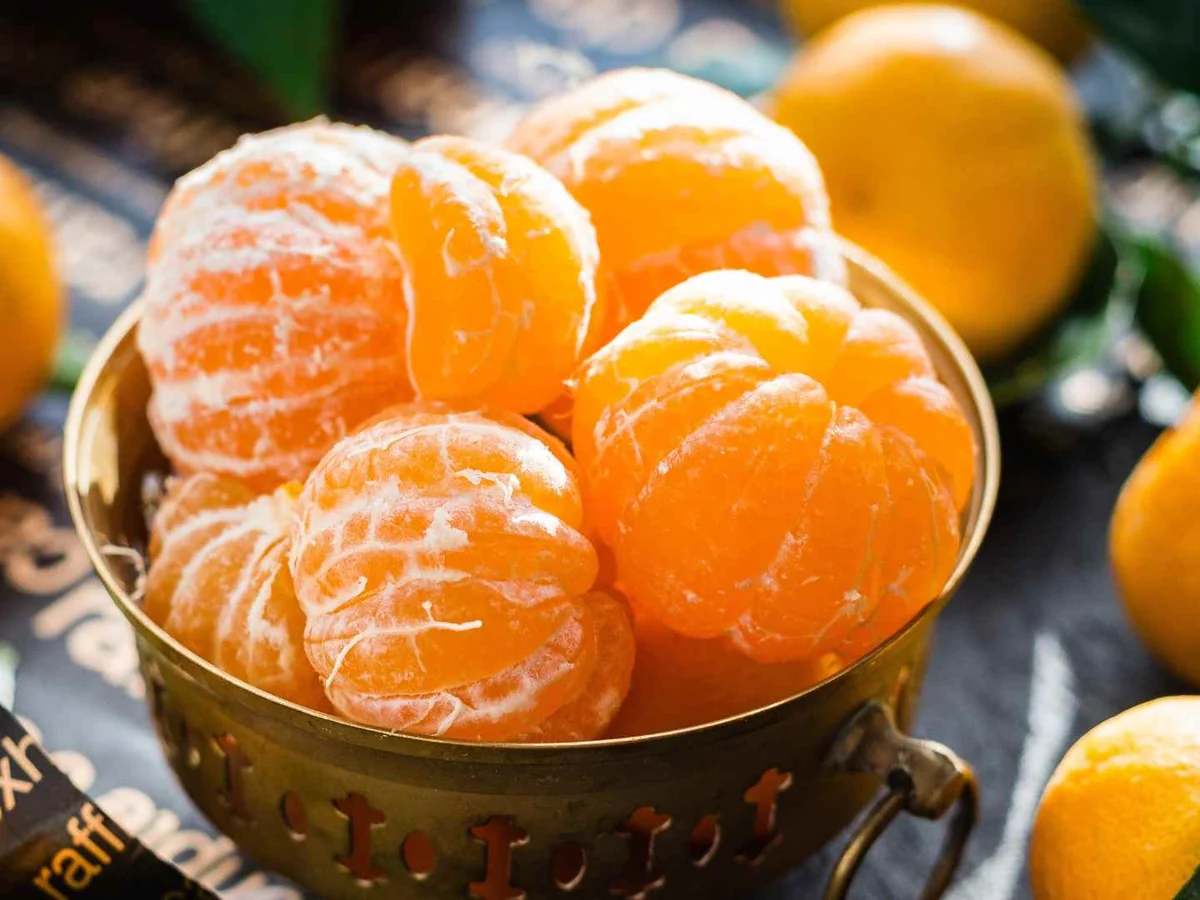
Wash the whole fruit under running water before peeling so hands and the knife do not carry surface dirt inward. Remove peel, pith, membrane, seeds, stickers, and the hard stem end, then dice any approved taste smaller than a pea.
If the cat recoils from the scent, accept the answer. Adding cream, sugar, tuna juice, or cheese to make citrus appealing only builds a stranger snack.
Mandarin, clementine, satsuma, and tangerine labels overlap
These common names refer to related citrus groups and cultivars with differences in size, peel, seed count, and sweetness. The same feline rule applies: no peel or oil, no whole segment, and no nutritional need.
Our orange guide covers larger sweet oranges, while the exact package identifies a seedless clementine or canned mandarin. Common names should support preparation, not encourage botanical guesswork.
Peel contains the concentrated aromatic fraction
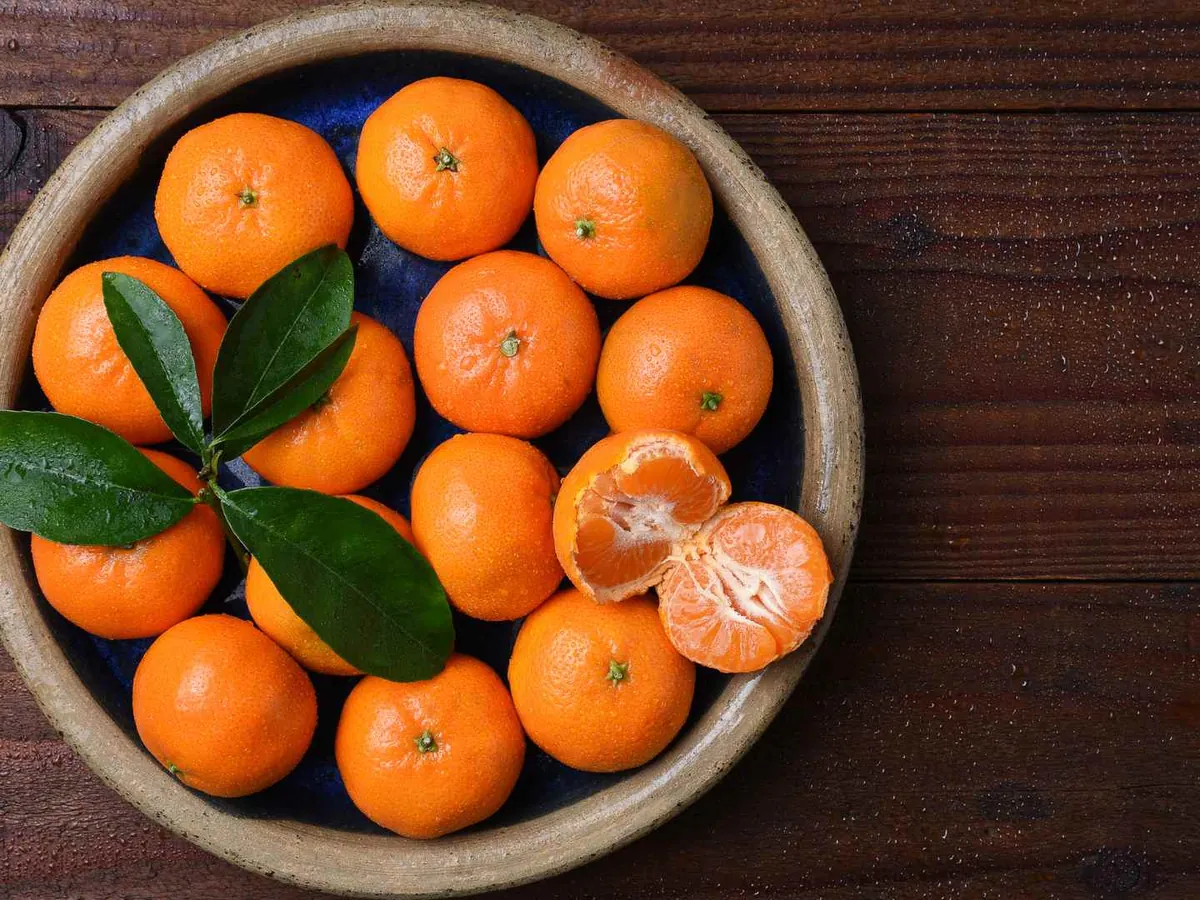
The fragrant outer rind contains essential oils that can irritate and may be absorbed after ingestion or coat contact. Cats groom contaminated fur, turning a surface spill into continued oral exposure.
Do not rub peel on furniture or a cat to deter scratching. Call for meaningful peel ingestion, oil exposure, repeated vomiting, drooling, weakness, tremors, or breathing difficulty.
Essential oil is not concentrated juice
Diffuser oil, flavor extract, cleaner, fragrance, and cold-pressed citrus oil are chemically and physically different from a trace of fruit flesh. Concentration increases risk through the mouth, skin, lungs, and mucous membranes.
The Merck Veterinary Manual explains feline sensitivity to essential oils. Never apply citrus oil directly or use another oil as an antidote.
Acidity can make the mouth unhappy
Mandarin juice is acidic and can sting oral ulcers, inflamed gums, or damaged tissue. Lip smacking, drooling, pawing at the face, or abrupt retreat may signal local irritation rather than a taste worth repeating.
Persistent drooling, mouth pain, vomiting, or appetite loss deserves veterinary assessment. Do not force water into the mouth or brush the teeth immediately after an acidic spill.
Sugar is mostly a portion and routine issue
One tiny fresh bit contains little total sugar, but canned syrup, juice, jam, candy, and dried fruit concentrate sweetness. Cats with diabetes, obesity, or calorie-controlled plans should use clinician-approved treats.
Fruit is not a remedy for low blood sugar unless the veterinarian gives specific emergency instructions. Medication and glucose decisions must fit the actual cat rather than human snack logic.
Whole segments are larger than they look
A slick segment can fold into a slippery mouthful, and its membrane can resist chewing. Break away a tiny flesh fragment instead of handing over an intact wedge.
Cats with dental pain, swallowing trouble, missing teeth, or a habit of gulping should skip citrus entirely. Gagging, repeated swallowing, drooling, and distress require prompt care.
Seeds, stems, bags, and bands deserve a count
Some cultivars are marketed as seedless but may still contain an occasional seed. Produce bags, netting, elastic labels, clips, and stickers can obstruct or suffocate and often smell like fruit.
Account for every non-food item when the bowl tips. The FDA lists food bags and obstructive objects among pet hazards, so call for missing material or symptoms.
Canned mandarin is a dessert ingredient
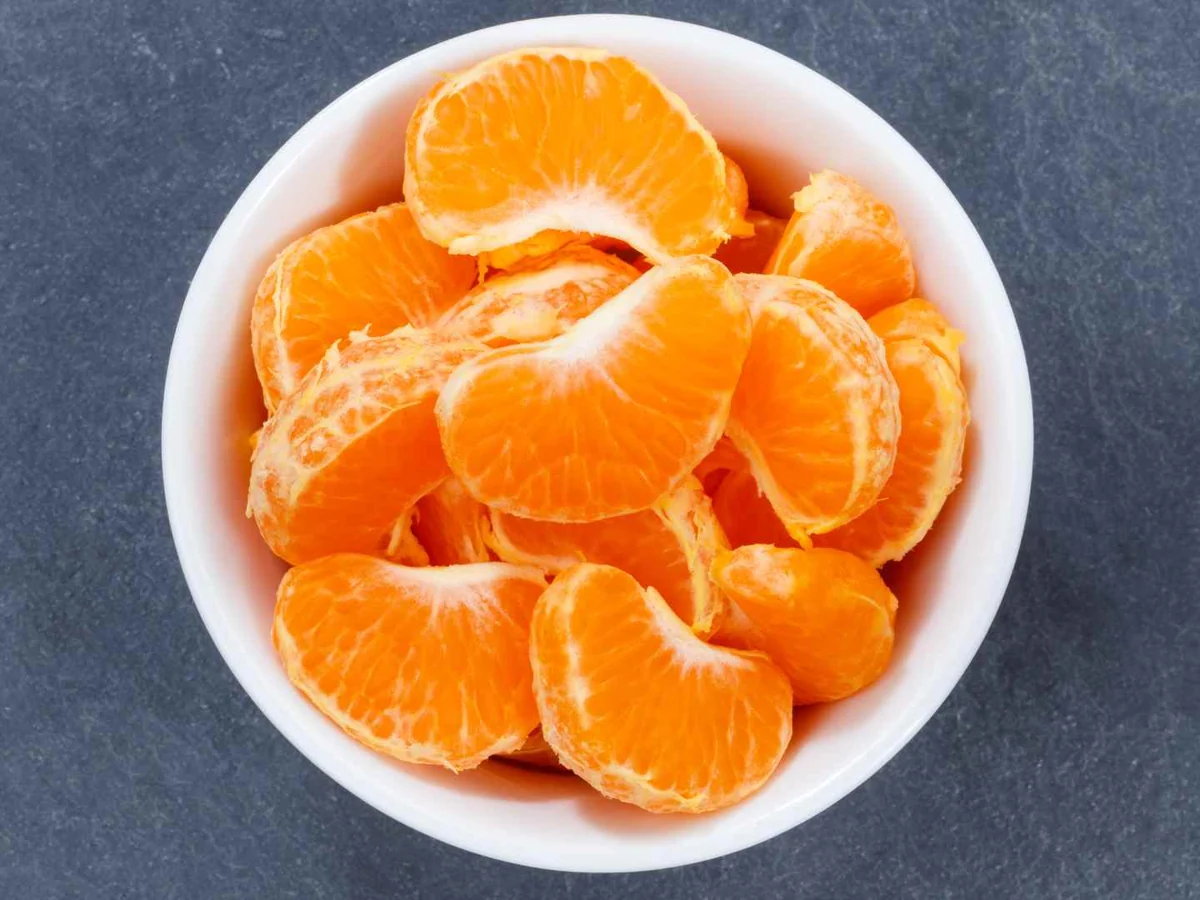
Cans and cups may pack fruit in heavy syrup, light syrup, juice, water, or artificially sweetened liquid. Labels also reveal preservatives, colors, other fruits, and storage directions.
Do not offer syrup, and watch sharp can rims, pull tabs, foil cup lids, and plastic film. A no-sugar-added label still requires the named sweetener and does not make the product useful for cats.
Juice allows a larger exposure quickly
A cat can lap liquid faster than it can chew fruit, while packaged drinks may blend orange, grape, apple, sweeteners, vitamins, caffeine, botanicals, or flavoring. Pulp-free does not mean ingredient-free.
Use our fruit overview to separate juice from whole produce. Save the carton and call for unknown blends, essential oils, alcohol, severe signs, or a large amount.
Chocolate and candy coatings change everything
Chocolate-dipped citrus peel, filled chocolates, gummies, marmalade candy, and holiday bark combine citrus with cocoa, sugar, fat, sweeteners, wrappers, and hard fragments. Identify cacao type and amount promptly.
The chocolate guide covers methylxanthine concentration and signs. Do not wait for restlessness, rapid heart rate, tremors, or seizures after a credible exposure.
Houseplants and garden citrus are not groceries
Leaves, flowers, twigs, soil, fertilizer, pesticide, pots, and plant ties accompany indoor and outdoor citrus. A ripe-fruit answer cannot clear chewing of the entire plant or treated growing medium.
Photograph the plant and retain its tag and chemical products. Vomiting, diarrhea, weakness, dermatitis, tremors, or a missing tie warrants a veterinarian or poison-service call.
Storage and spoilage close the loop
Refrigerate cut fruit in a covered container and discard leaking, moldy, fermented, slimy, or foul-smelling segments. The FDA produce guidance recommends washing under running water without soap.
Keep peels in a rigid lidded bin rather than an open compost crock. A peel that was rejected at lunch can become mysteriously fascinating at 2 a.m.
What to do after a mandarin raid
- Identify fresh flesh, peel, oil, canned fruit, syrup, juice, candy, plant, or package.
- Record amount, time, product, sweetener, other fruits, medical history, and current signs.
- Call for peel oil, essential oil, plant exposure, chocolate, unknown concentrate, severe signs, or foreign material.
- After one tiny peeled flesh bit, monitor appetite, oral comfort, vomiting, stool, and energy.
- Do not induce vomiting, force fluids, or claim human citrus benefits for cats.
The FDA adequacy statement resource explains the label on a feline staple. Mandarin remains an optional human fruit rather than a vitamin plan for an obligate carnivore.
Use normal cat food for rewards and enrichment. The cat will survive the absence of a citrus tasting flight.
Marmalade is not the same exposure as a segment
Mandarin marmalade can include peel strips, juice, concentrated sugar, pectin, spices, alcohol, and sweetener. The defining peel pieces move it away from the narrow fresh-flesh lane, while its sticky texture can coat paws and whiskers.
Do not offer marmalade, and save the jar after a theft. Check for mixed citrus, genuine grape concentrate, sugar-free ingredients, mold, a broken seal, glass, lid liners, and bread or pastry around it.
Homemade preserves also require the actual recipe and storage history. A fuzzy top, leaking jar, bulging lid, gas, or off odor means the product should not be tasted by anyone to judge safety.
Jelly candies and peel confections are likewise finished desserts, not produce. Their hard or chewy texture, sugar, chocolate, wrappers, and concentrated flavorings create separate questions.
Citrus-scented household products need the bottle
Cleaner, candle, spray, and potpourri
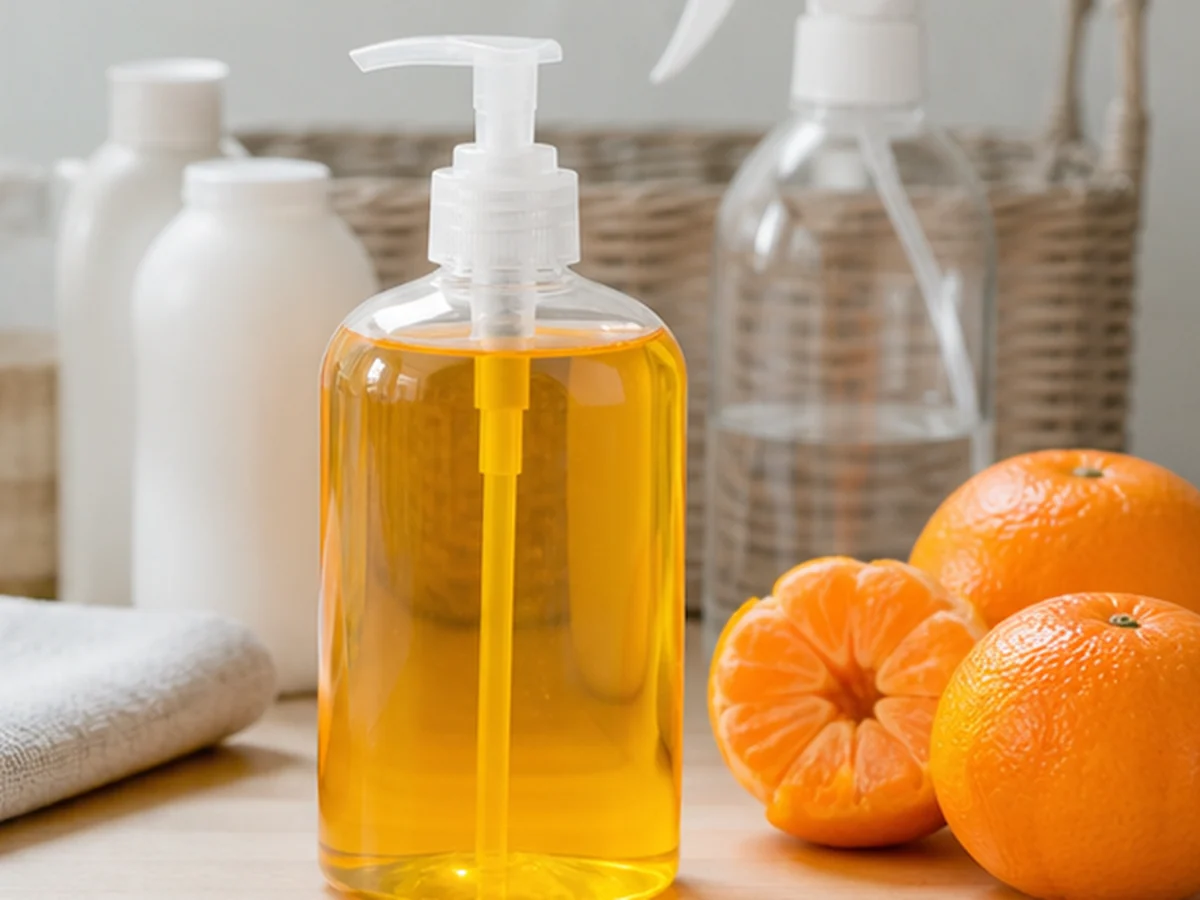
A mandarin-scented cleaner can contain detergents, solvents, acids, alkalis, disinfectants, or several fragrance oils. The fruit word on the front cannot predict ingestion, skin, eye, or inhalation risk.
Prevent grooming, ventilate without spreading fumes, and call with the complete label and exposure route. Never combine household chemicals or use vinegar, baking soda, oil, or another cleaner as a neutralizer on the cat.
Candles and wax melts add hot wax, flame, wicks, glass, and concentrated fragrance. Diffuser reservoirs are especially concerning because spilled liquid can saturate fur and continue being swallowed during grooming.
Keep every scented product in closed storage and use unscented cleaning where practical around pet surfaces. A real mandarin and a bottle that merely smells like one share a marketing theme, not a safety profile.
- Record whether the exposure involved only flesh or also colored peel, white pith, seeds, and hard ends.
- Distinguish fresh fruit from marmalade, candy, juice, extract, cleaner, candle, and diffuser liquid.
- Note every symptom, especially drooling, vomiting, weakness, tremors, breathing changes, and eye pain.
Citrus peels can make compost smell attractive while hiding coffee grounds, onion skins, string, mold, and plastic produce labels. Use a closed container and empty it before fermentation or wildlife contamination turns one peel into a mixed trash exposure.
If several fruits were peeled together, identify lemons, limes, grapefruit, and oranges separately rather than reporting “citrus.” Their oils and products differ, and the clinician needs the item that actually disappeared.
A new pattern of chewing fruit, peels, plastic, or houseplants may reflect pica, boredom, nausea, or another health change. Track appetite, weight, vomiting, stool, and access, then discuss persistent scavenging with the veterinarian.
Store peeled segments in a closed labeled container rather than an open bowl beside rind. This prevents cross-contact, preserves the storage timeline, and keeps a cat from choosing the concentrated aromatic part after ignoring the flesh.
Small citrus questions
Can kittens eat mandarin oranges?
Kittens need complete growth food and gain no necessary benefit from citrus. Peel, membrane, seeds, acidity, and slippery segments add avoidable concerns.
Can cats lick mandarin juice?
A tiny lick may cause no sign, but juice is acidic and packaged versions can contain other fruits, sugar, sweeteners, or additives. Offer water instead.
Is mandarin peel safe for cats?
No. Keep colored peel and its concentrated aromatic oils away from cats, including oil used in cleaners, extracts, and diffusers.
The peeled conclusion
A tiny bit of peeled mandarin flesh may be low concern for a healthy adult, but cats neither need nor usually want it. Remove membrane and seeds, avoid peel and oil, inspect syrup, drinks, candy, plants, and packaging, and use complete cat food for actual nutrition.